The Global Energy Sector on May 13, 2026, Remains Under Pressure from Geopolitical Risks Surrounding the Strait of Hormuz: Oil Stays Above $100, Competition for LNG Grows, and the Role of Coal, Refineries, and Power Generation Strengthens
The global fuel and energy sector faces a volatile landscape as of Wednesday, May 13, 2026. The primary concern for investors, industry players in the energy sector, fuel companies, oil firms, refineries, and traders is the ongoing tension surrounding the Strait of Hormuz. This factor impacts oil, gas, LNG, petroleum products, electricity, coal, and investments in renewable energy sources simultaneously.
In normal market conditions, investors focus primarily on demand, production, inventories, and refining margins. However, the spotlight has shifted to the question of the physical availability of supply. Brent oil is maintaining levels above $100 per barrel, the LNG market is facing intensified competition for cargoes, and the Asian power sector is partially returning to coal as a more reliable generation source during gas shortages.
Key Topic of the Day: The Strait of Hormuz Remains a Key Risk for Oil and Gas
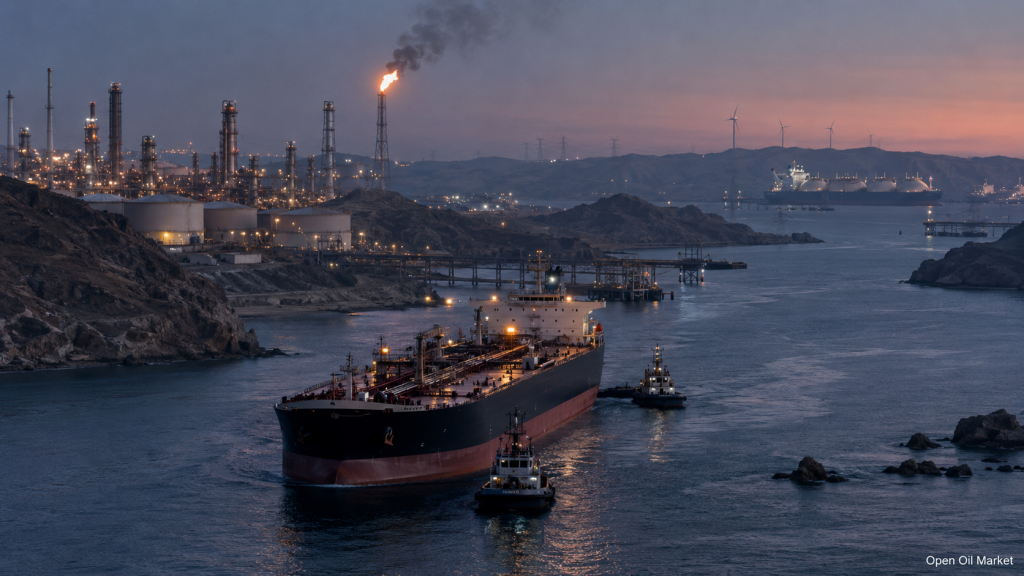
The Strait of Hormuz has once again become a central point on the global energy map. A significant portion of the world's oil, petroleum products, and LNG flows through this route, meaning any disruption in shipping quickly affects prices, insurance, freight, and the availability of raw materials for refineries.
For the energy market, this signifies that energy security is once again as important as the price of a barrel. Investors are assessing not only the current price of oil but also the likelihood of further supply reductions from the Middle East. In this environment, the risk premium remains reflected in the quotes for Brent, WTI, petroleum products, and LNG.
Oil: Brent Remains Expensive, Market Awaits New Signals on Inventories
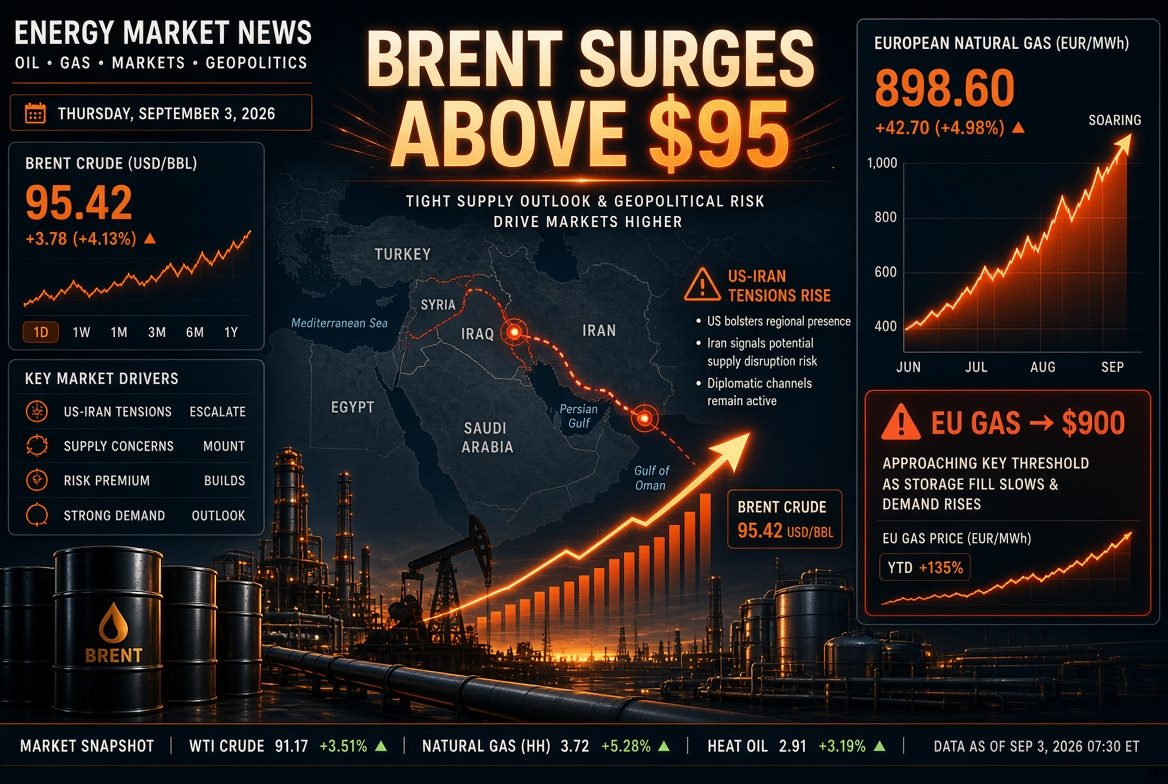
The oil market maintains a tense balance. Brent is trading near high levels, with WTI also holding around the psychologically significant $100 per barrel mark. The main driver is the concern that supply from the Middle East may recover more slowly than expected.
For oil companies and investors, three factors are crucial:
- Continuing disruptions in supply through the Strait of Hormuz;
- Reduction in global oil inventories in Q2 2026;
- Increased logistics, insurance, and tanker freight costs.
High oil prices improve cash flows for upstream companies but simultaneously raise the risk of demand destruction. For consumers, refineries, and fuel companies, expensive oil means pressure on margins, increased working capital, and a need for more careful inventory management.
OPEC, the Middle East, and the New Role of Reserve Capacities
Amid maritime supply disruptions, the market is closely monitoring the reserve capacities of producers. Formally, additional oil volumes may alleviate shortages, but the key issue is not just extracting a barrel but also delivering it to the consumer. Consequently, alternative routes, ports outside of threat zones, and pipeline infrastructure gain significance.
For Gulf states, this enhances the strategic value of export routes that bypass narrow maritime passages. For buyers in Europe and Asia, it increases interest in diversifying suppliers. For investors, it makes companies with flexible logistics, access to multiple markets, and stable transportation contracts more attractive.
Gas and LNG: Europe and Asia Compete for Flexible Supplies
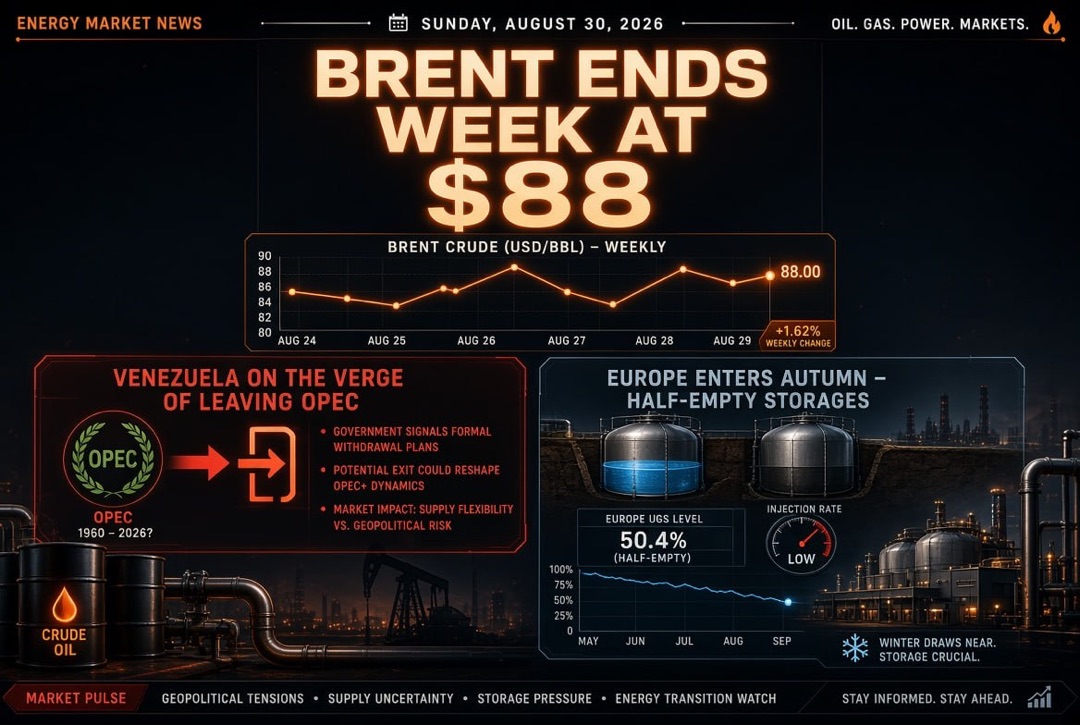
The gas market is also under the influence of the energy crisis. LNG has become a key balancing tool for Europe, Asia, and emerging markets. Given the risks in the Middle East, buyers are eager to secure summer and winter needs in advance, particularly regarding gas storage and preparations for the heating season.
In Europe, the demand for LNG is supported by the goal of stockpiling reserves. In Asia, competition is intensifying due to the needs of Japan, South Korea, India, and other large importers. Meanwhile, the U.S. continues to expand its export capabilities, reinforcing the role of American LNG in the global gas balance.
For investors, this means increased attention to:
- LNG terminal operators;
- Natural gas producers;
- Shipping companies involved in LNG transportation;
- European and Asian energy companies highly dependent on imports.
Petroleum Products and Refineries: Margins Become Less Predictable
The refining sector is entering a complex phase. On the one hand, high prices for gasoline, diesel, jet fuel, and marine fuel can support refinery revenues. On the other hand, the sharp increase in crude oil costs negatively impacts the refining economics, especially for independent plants with limited access to cheap raw materials.
This situation is particularly sensitive for Asian refineries. Independent Chinese processors are facing deteriorating margins due to expensive oil, weak domestic demand, and fuel export restrictions. This serves as an essential signal for the entire petroleum products market: if part of the refining capacity scales back, shortages of specific fuel types may intensify even amid formally sufficient crude oil supply.
For fuel companies and traders, key indicators for the upcoming days will include:
- Refinery utilization rates in China, the U.S., India, and Europe;
- Trends in gasoline, diesel, and jet fuel inventories;
- Export restrictions and domestic fuel price regulations;
- Tanker freight costs and availability.
Electricity and Coal: Asia Temporarily Ups the Use of Coal Generation
On the electricity market, the reverse effect of the gas deficit is intensifying. Major Asian LNG importers are increasing their use of coal to reduce dependence on expensive gas and stabilize the power grid. For Japan and South Korea, this is especially critical, as both countries rely heavily on fuel imports and are sensitive to LNG price fluctuations.
In this context, coal is once again a resource for energy security. Despite long-term decarbonization goals, in the short term, coal generation remains a tool for meeting baseload demand. This supports demand for thermal coal in Asia and significantly impacts exporters from Australia, Indonesia, South Africa, and other suppliers.
For investors, the coal sector remains contentious: while it faces long-term climate constraints, it receives short-term support due to the gas deficit, increased grid loads, and the necessity for reliable generation.
Renewables, Grids, and Storage: The Energy Transition Accelerates but Requires Reserves
Renewable energy remains a strategic focus for the global energy sector. Solar and wind generation continue to attract investments as countries seek to reduce dependence on imported oil, gas, and coal. However, the current crisis illustrates that renewable sources alone are insufficient without networks, storage solutions, and backup power.
The increasing demand for electricity from data centers, artificial intelligence, industry, and transport electrification imposes additional burdens on energy systems. As a result, the investment focus is shifting from merely installing new solar and wind capacities to comprehensive infrastructure:
- Transmission and distribution power grids;
- Industrial batteries and energy storage systems;
- Gas generation as a backup for peak demand;
- Digital energy consumption management;
- Long-term electricity supply contracts.
For investors, this creates a broader market landscape: not only renewable sources but also networks, storage, gas turbines, service companies, and equipment suppliers for the energy sector.
Market Geography: Who Wins and Who Bears the Main Risks
The global energy market is increasingly divided along regional lines. The Middle East remains the center of supply and geopolitical risk. Europe focuses on gas storage, LNG, and reducing dependence on unstable routes. Asia is vying for access to oil, gas, coal, and petroleum products. The U.S. is strengthening its role as a supplier of oil, LNG, and petroleum products while simultaneously facing rising domestic fuel and electricity prices.
For oil and gas companies, the current situation opens opportunities in production, logistics, LNG, and trading. For industrial consumers, it raises costs. For refineries, it creates an uneven picture: facilities with access to cheap raw materials and export markets thrive, while independent processors facing high crude purchase prices find themselves under pressure.
What Investors and Energy Market Participants Should Watch for on May 13, 2026
On Wednesday, May 13, key benchmarks for the markets of oil, gas, electricity, renewables, coal, petroleum products, and refineries will not only be prices but also signals regarding the physical balance of supplies. Investors should keep an eye on several groups of factors.
- The Strait of Hormuz: Any news regarding shipping, negotiations, and route security will directly impact Brent, WTI, LNG, and petroleum products.
- Oil and fuel inventories: A reduction in commercial inventories will heighten deficit expectations and support prices.
- Refinery utilization: A decrease in refining activity in Asia could alter the balance of gasoline, diesel, and jet fuel.
- LNG and gas: The competition between Europe and Asia for flexible supplies will determine gas and electricity costs.
- Coal and electricity: The increase in coal generation in Asia shows that energy security is temporarily prioritized over climate rhetoric.
- Renewables and grids: Long-term investments will focus on solar energy, wind, storage, and grid modernization.
In conclusion, the outlook for the energy market on May 13, 2026, remains as follows: oil remains expensive due to geopolitical premiums, gas and LNG become instruments of strategic competition, coal temporarily strengthens its position in Asia, and electricity generation increasingly becomes a key sector for investment. For global investors, this is not just an energy crisis, but a test of the resilience of the entire supply, processing, and generation model.