Current Cryptocurrency News as of April 13, 2026: Bitcoin Dynamics, Ethereum, Regulatory Role, and Top 10 Digital Assets Overview
The cryptocurrency market approaches Monday, April 13, 2026, in a state of heightened sensitivity to external drivers. For investors, this means that today's cryptocurrency news is shaped not only around Bitcoin and Ethereum but also around three major themes: geopolitical instability, institutional demand, and the acceleration of digital asset regulation. Against this backdrop, the cryptocurrency market retains a substantial scale; however, capital movements are becoming more selective, with investors increasingly distinguishing between defensive instruments, infrastructure tokens, and high-risk assets.
It's also important for a global audience to note that cryptocurrencies are becoming more integrated into the international financial system. Whereas the market previously functioned primarily based on speculative demand, the current focus is on stablecoins, tokenization of real-world assets, exchange products, and regulatory frameworks. This is why cryptocurrency news on April 13, 2026, is significant not only for traders but also for long-term investors.
Global Market Picture: Capital Maintained, but Demand Structure Changes
At the beginning of the new week, the global cryptocurrency market remains large in terms of market capitalization; however, the nature of capital movement is changing noticeably. The primary liquidity flow is still concentrated in the largest assets, namely Bitcoin, Ethereum, and the largest stablecoins. This indicates that market participants prefer more understandable and liquid instruments over a broader range of speculative tokens.
For investors, this serves as an important signal. When the cryptocurrency market shows resilience due to its largest coins rather than through mass growth of altcoins, it typically indicates a more cautious phase of the cycle. In such an environment, capital does not fully exit the crypto industry, but is redistributed more conservatively.
- Bitcoin maintains its status as the main benchmark for evaluating the entire cryptocurrency market.
- Ethereum remains a key platform for DeFi, tokenization, and smart contracts.
- Stablecoins enhance their role both as a settlement infrastructure and as a tool for temporary capital protection.
- Some altcoins are losing relative momentum amid the concentration of liquidity in larger assets.
Bitcoin: The Market's Mainstay and Indicator of Global Risk Appetite
Bitcoin continues to serve as the main macro indicator in the digital asset segment. For many institutional players, BTC remains the fundamental way to gain exposure to the crypto market without needing to dive into more complex segments of the industry. As we approach April 13, the market again shows that Bitcoin is the first to respond to changes in the global backdrop.
The uniqueness of the current moment lies in the fact that even under external pressure, Bitcoin retains a high share of the overall cryptocurrency market capitalization. This indicates sustainable trust in BTC as the most mature digital asset. In a business sense, this means that investors are not yet ready to aggressively venture into broad risk but are also not demonstrating a complete exit from cryptocurrencies.
For the investor's strategy, this creates a clear fork in the road. If Bitcoin continues to maintain dominance, the market may remain in a mode of selective growth. However, if dominance starts to decline while capitalization grows, this will signal a more widespread recovery in the altcoin segment.
Ethereum and Infrastructure Assets: The Market Awaits Confirmation of New Demand
Ethereum remains the second most important asset in the global crypto economy, but its dynamics are currently assessed more stringently by the market compared to Bitcoin. The reason lies in the fact that for Ethereum, not only macro liquidity matters but also the actual activity within the ecosystem: usage volumes, development of tokenization, the role of stablecoins, and business demand for smart contracts.
Practically, this means that Ethereum and associated infrastructure projects are now not simply betting on the overall growth of the crypto market, but also on the recovery of applied demand. If in the coming weeks the market sees a rise in activity in DeFi, payment infrastructure, and tokenization, it may rekindle interest in platform tokens. For now, investors are acting selectively and require greater confirmation of the sector's fundamental strength.
- Ethereum remains a key bet on blockchain infrastructure development.
- Solana continues to capture interest as a faster and riskier infrastructure asset.
- BNB retains its significance through its exchange service ecosystem and applied products.
- TRON strengthens its position due to its role in cross-border settlements and stablecoin circulation.
Cryptocurrency Regulation: One of the Major Themes of the Week
One of the most significant narratives for the cryptocurrency market remains regulation. Investors are increasingly viewing legislative solutions not as secondary backdrops, but rather as standalone drivers of sector evaluation. Currently, regulatory clarity may determine which projects will attract the next influx of capital and which will remain under pressure.
For the market, it is especially important that discussions around digital assets are transitioning more towards federal rules rather than individual investigations and private precedents. This creates a more mature structure for the industry. In the short term, news regarding regulation may increase volatility, but strategically, the market perceives such steps as signs of the crypto industry transitioning to a more institutional stage.
For the global market, this also means intensified competition among jurisdictions. The United States, Europe, the Middle East, and Asia are all vying for the role of centers for crypto-financial infrastructure. As a result, capital will increasingly flow to areas that offer a combination of liquidity, market access, and clear rules.
Stablecoins and Banks: The Crypto Market is Becoming More Tightly Linked to Traditional Finance
The market for stablecoins deserves special attention. It is rapidly becoming one of the fastest-growing segments of digital assets, exerting an increasing influence across the cryptocurrency sector. For investors, this is vital for two reasons. Firstly, stablecoins provide liquidity and settlement within the crypto economy. Secondly, they are the channel through which banks and payment companies are increasingly entering the world of digital assets.
The current stage indicates that stablecoins are no longer merely a service layer between exchanges and users. They are becoming part of the global payment architecture. If major banking groups continue to test digital currencies tied to fiat money, this will enhance the legitimacy of the entire sector and create a new foundation for cryptocurrency growth.
For investors, the conclusion is clear: the topic of stablecoins is no longer a niche specialty. It is becoming one of the central themes in the development of the global crypto economy.
Geopolitics and Volatility: Why the Crypto Market Remains Sensitive to Global Risks
As the week begins, the cryptocurrency market remains sensitive to the international agenda. Any escalation of geopolitical tension, change in interest rate expectations, or increase in nervousness in traditional markets quickly reflects on the dynamics of digital assets. This is especially important for those investors who continue to view cryptocurrencies as a completely independent asset class.
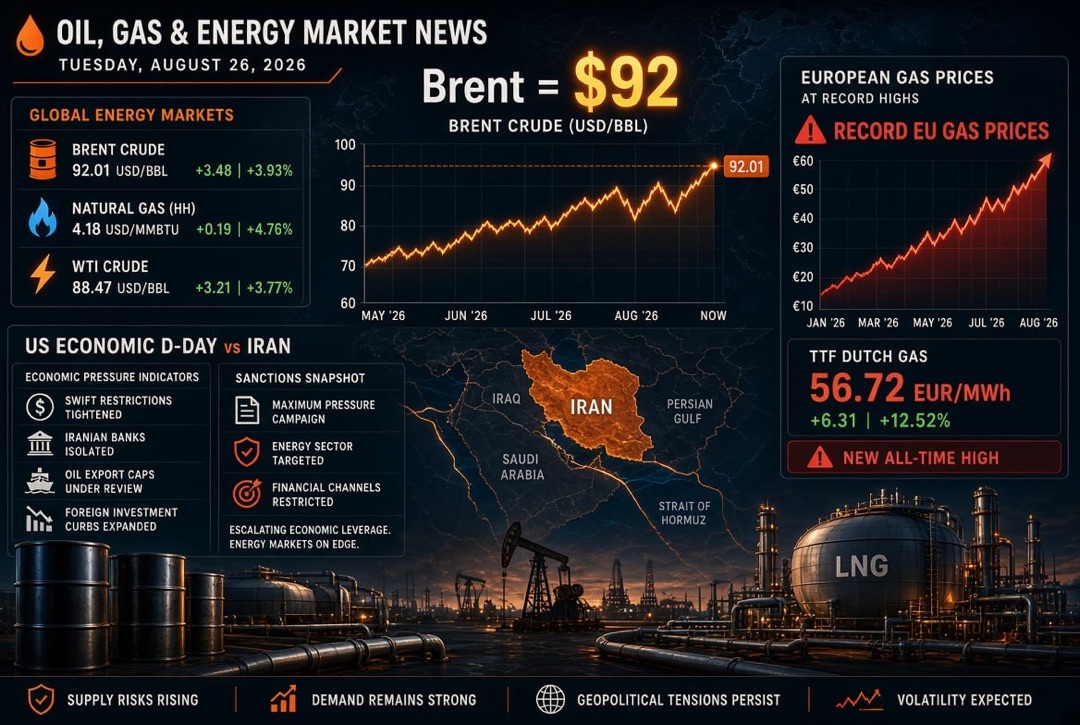
The experience of recent months shows the opposite: Bitcoin and leading cryptocurrencies are increasingly integrated into the global risk contour. Yes, the market maintains its specificity, but at the same time responds more vigorously to macroeconomics, oil prices, the US dollar, bond yields, and international conflicts. This complicates the analysis of cryptocurrencies but also makes it more professional.
- During periods of increased stress, the market shifts to a defensive mode.
- Capital concentrates in Bitcoin and stablecoins.
- Altcoins and high-risk segments often lag behind.
- After stabilization of external conditions, the market can quickly regain interest in growth stories.
Top 10 Most Popular Cryptocurrencies Before April 13, 2026
In terms of capitalization and market attention, the largest digital assets remain in the spotlight for investors. These assets form the core liquidity, set the market mood, and often serve as the basis for strategic capital allocation.
- Bitcoin (BTC)
- Ethereum (ETH)
- Tether (USDT)
- XRP
- BNB
- USD Coin (USDC)
- Solana (SOL)
- TRON (TRX)
- Dogecoin (DOGE)
- Hyperliquid (HYPE)
This list is important not just as a ranking but also demonstrates which segments currently control the cryptocurrency market: digital gold, platform blockchains, stablecoins, payment solutions, and exchange infrastructure. For investors, this provides a useful map of the sector, allowing them to distinguish the liquid core of the market from the more speculative periphery.
What Investors Should Focus on Monday, April 13, 2026
In the upcoming trading session, investors should watch not only price movements but also the quality of market structure. The key question now is not whether Bitcoin will rise on a single day, but whether the influx of capital into larger assets will be maintained and whether demand will begin to expand across a broader range of projects.
- Monitor Bitcoin's dominance dynamics.
- Evaluate the resilience of Ethereum and infrastructure tokens.
- Keep an eye on news regarding cryptocurrency and stablecoin regulations.
- Consider the influence of global macroeconomics and geopolitics on risk appetite.
- Avoid mixing defensive digital assets with high-risk speculative tokens in the same analytical framework.
The verdict for the global investor is as follows: the cryptocurrency market retains its scale and maturity but is shifting into a phase of stricter selection. Bitcoin remains the main benchmark, Ethereum the key bet on infrastructure, and stablecoins the growing bridge between the crypto industry and traditional finance. This trio of themes will define cryptocurrency news and investor sentiment on Monday, April 13, 2026.