Cryptocurrency News for Friday, March 6, 2026. Global Trends in the Crypto Market, Institutional Investments, Blockchain Infrastructure Development, and the Top 10 Popular Cryptocurrencies for Investors
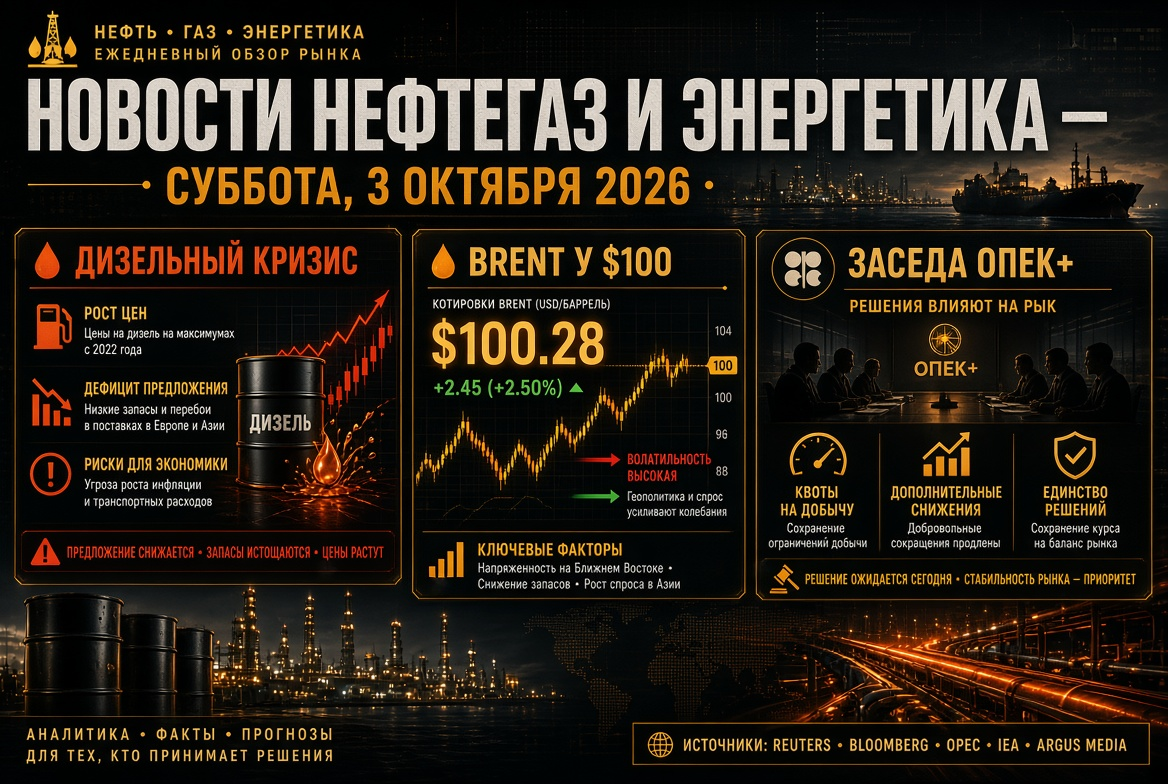
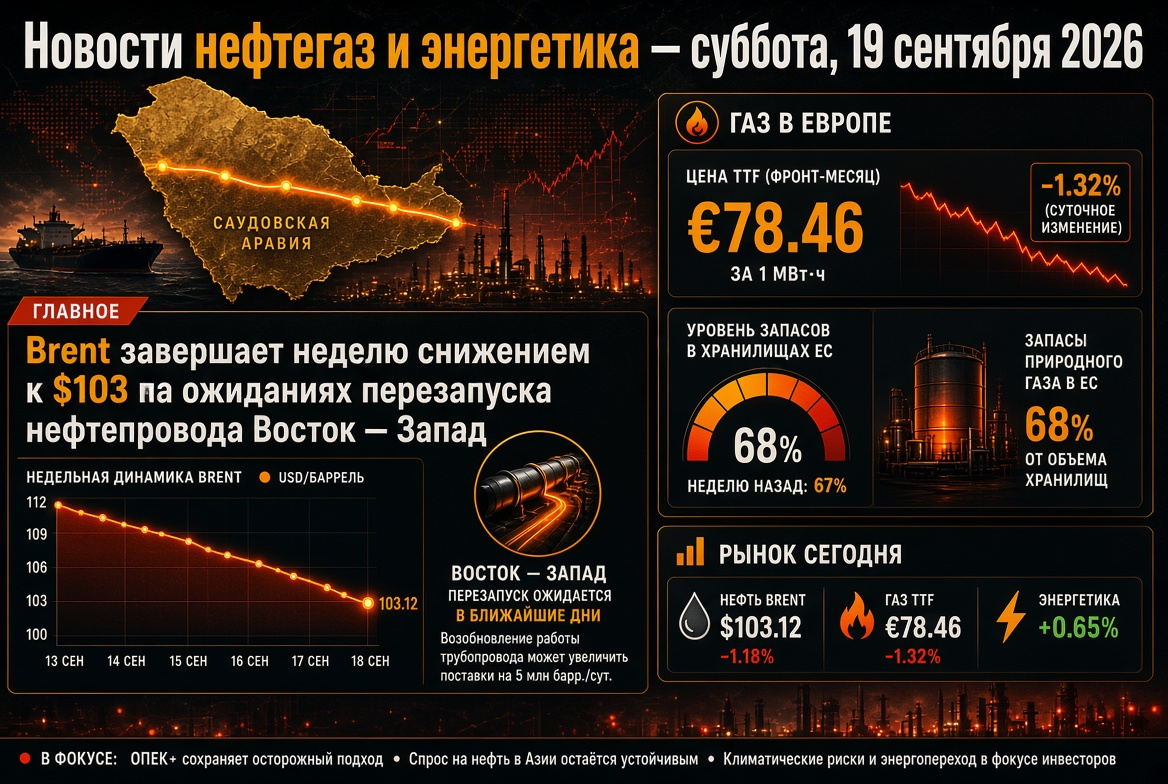
In recent sessions, the cryptocurrency market has been operating under the familiar 'risk-on/risk-off' logic for investors. As global portfolios return to risk, support emerges for digital assets and related public companies. During periods of rising anxiety, volatility accelerates, prompting market participants to shift to tactical position management. This dynamic is particularly pronounced against the backdrop of tensions surrounding Iran and risks to oil and gas supplies via strategic routes. For the crypto market, these factors impact indirectly through a chain of influence: energy → inflation expectations → interest rate trajectory → overall risk appetite.
For investors, the takeaway is clear: in the short term, cryptocurrencies remain "macro-dependent." Reactions to news from the energy sector and geopolitical developments often hold significance equal to industry drivers such as regulation, ETF agendas, or protocol updates. Therefore, the focus is not only on intra-industry news but also on how the overall liquidity environment and capital cost are evolving.
U.S.: CLARITY Act Stalled, Debate Over Stablecoin Rewards Intensifies
A key regulatory intrigue in the U.S. is the attempt to advance the CLARITY Act and establish clearer "rules of the game" for digital assets, including delineating roles among regulatory bodies. At this stage, the process is once again hindered by the conflicting interests of the traditional banking sector and the crypto industry. Banks are concerned that "reward" models for stablecoins could stimulate a shift of funds from deposit bases to digital equivalents, potentially constricting the resource base for lending and increasing sensitivity to liquidity stresses.
Representatives of the crypto market, on the other hand, view rewards as a market competition mechanism for attracting customers and scaling products — essentially, as a marketing-financial layer that accelerates the adoption of stablecoins and lowers entry barriers for users. The political context intensifies the discussion: regulation is becoming part of the public agenda, and the tone of commentary is harsher than in previous cycles.
From a market perspective, the prolonged negotiations signal an increase in the regulatory risk premium. This affects exchanges, custodial services, token issuers, and the DeFi segment. Additionally, the risk of liquidity fragmentation between jurisdictions remains: capital and trading volumes gravitate to where the framework is clearer and access to products is broader.
Institutional Demand and ETFs: What Capital Flows Indicate
In 2026, institutional interest in crypto assets is often perceived through infrastructure channels for capital allocation — primarily through exchange-traded products and publicly observable flows. The market is discussing a return to net inflows into spot crypto ETFs after a period of heightened turbulence. For investors, the focus is less on absolute figures and more on their stability and context: inflows amid market stabilization are typically perceived as a signal of "gradual accumulation," while sharp fluctuations in flows reflect arbitrage strategies and tactical decisions.
The critical question is the "quality of demand." Long-term allocation by major players can gradually reduce the risk premium and support the market even under moderately tight financial conditions. However, if the flows are predominantly short-term, the effect on trend sustainability is limited: the market quickly returns to a range trading mode, dominated by news and macro-triggered movements.
Infrastructure and Banks: Integrating the Crypto Market into Payment Rails
One of the most significant developments at the intersection of traditional finance and crypto infrastructure is the expansion of access for select players to key payment mechanisms. For the institutional segment, this is not merely "symbolic recognition" but a practical matter concerning settlement speed, predictability of fiat flows, and reduced operational risks. The fewer intermediaries involved in transactions, the lower the likelihood of delays, making it easier to establish corporate treasury processes.
Such infrastructural shifts support the overarching trend of institutionalizing the crypto industry. The market is evolving not only through investment products like ETFs, but also through "rails" — payment and settlement mechanisms that enhance trust, transparency, and manageability of operations. For investors, this means that some risks are gradually shifting from "does the market exist?" to "how will it be structured and who will be the primary infrastructural beneficiaries?"
Derivatives and Regulation: Preparing Frameworks for Crypto Perpetuals
The derivatives segment remains the primary source of liquidity and a volatility amplifier in the crypto market. Perpetual contracts serve as key tools for hedging and speculative strategies, but historically, a significant share of trading volumes has concentrated in platforms outside the U.S. Regulatory focus on formulating frameworks for such products could transform market structures: some liquidity could "relocate" to a more transparent and controlled environment if the rules are competitive compared to offshore jurisdictions.
For investors, there is a dual signal. On one hand, regulated perpetuals on substantial infrastructure broaden hedging opportunities and attract more conservative capital. On the other hand, competition among platforms intensifies, bringing issues of margin requirements, risk management, and oversight to the forefront. The market's ultimate reaction will depend on how well the new framework balances product accessibility and acceptable levels of control.
Stablecoins Under the Spotlight: Europe, U.S., and the "Trust Test"
The year 2026 is increasingly becoming a period of "stablecoin geopolitics": different regions are solidifying different models. The European approach emphasizes maximum resilience and control: unified standards for admission, oversight, and infrastructure requirements are designed to mitigate systemic risks. At the same time, an essential principle remains that stablecoins should not replicate deposit products — which is why the topic of "yield" and economic incentives surrounding token ownership is becoming a particular focus for regulators.
The American logic is differing in mechanics but similar in goal: to separate the payment function from the investment aspect and outline requirements for issuers and distribution channels. As a result, the market is left with two parallel regulatory philosophies, requiring global players to design products that can operate across multiple regimes — with varying interpretations of risks and permissible incentives.
A separate topic is trust and the resilience of peg. Any incidents surrounding stablecoins quickly become a litmus test: the market assesses not only the technical aspects but also the communication, transparency of reserves, recovery speed of the peg, and the team's crisis management capabilities. Concurrently, questions remain for the largest participants in the segment: investors are closely monitoring reserve structures, resilience buffers, and asset quality because stablecoins have become the "liquidity foundation" for a significant portion of the crypto-economy.
Investor Focus for March 6: Macro-Triggers, Risk Contours, and the Top 10 Popular Cryptocurrencies
Fridays traditionally remain a day when the market can accelerate amid macro events and sharp news headlines. For cryptocurrencies, this is particularly crucial during periods of heightened sensitivity to interest rates and the dollar's value, where external data can swiftly alter expectations regarding monetary policy. Therefore, the investor agenda includes not only crypto news but also macro statistics that set the tone for the global "risk regime."
Practical Checklist for the Day
- U.S. Regulatory Signals: any movement towards a compromise on market structure and rules for stablecoins reduces uncertainty and may support the sector.
- Institutional Flows: dynamics of inflows/outflows in exchange-traded products help understand whether "accumulation" or tactical trading predominates.
- Infrastructure News: expanded access to settlements and payment rails affects the speed of institutional adoption and the stability of fiat liquidity.
- Cyber and Operational Risks: even in a rising market, vulnerabilities in infrastructure, device compromises, and management errors remain primary sources of sudden downturns.
Top 10 Most Popular Cryptocurrencies
Global investors continue to focus on the largest assets by capitalization and liquidity — as they determine the "temperature" of the market and set benchmarks for institutional demand. The most popular coins form the backbone of portfolio strategies, and the dynamics of leader dominance influence capital allocation between "blue chips" and altcoins.
- Bitcoin (BTC)
- Ethereum (ETH)
- Tether (USDT)
- BNB (BNB)
- XRP (XRP)
- USDC (USDC)
- Solana (SOL)
- TRON (TRX)
- Dogecoin (DOGE)
- Cardano (ADA)
Conclusion of the Day: The agenda for March 6, 2026, shapes up at the intersection of regulation in the U.S., institutional flows, infrastructure development, and macro-environment. For the long-term investor, the key line is the continuation of the institutionalization of the digital asset market and strengthening the "rails" for settlements. For the tactical participant, it is about managing volatility, being attentive to macro-triggers, and being prepared to respond swiftly to news on regulation and stablecoins.