Fresh Cryptocurrency News as of March 5, 2026: Bitcoin and Ethereum Dynamics, Institutional Flows into Crypto ETFs, Digital Asset Regulation, and Key Cryptocurrency Market Events for Investors
The last 24 hours for cryptocurrencies have been characterized by a "stress test": external shocks have once again highlighted that digital assets remain a part of the global risk landscape, rather than an isolated market. Amid news from the Middle East, demand for liquidity shifted chaotically, while Bitcoin managed to make a comeback and reestablish itself as the primary sentiment indicator for the entire cryptocurrency market.
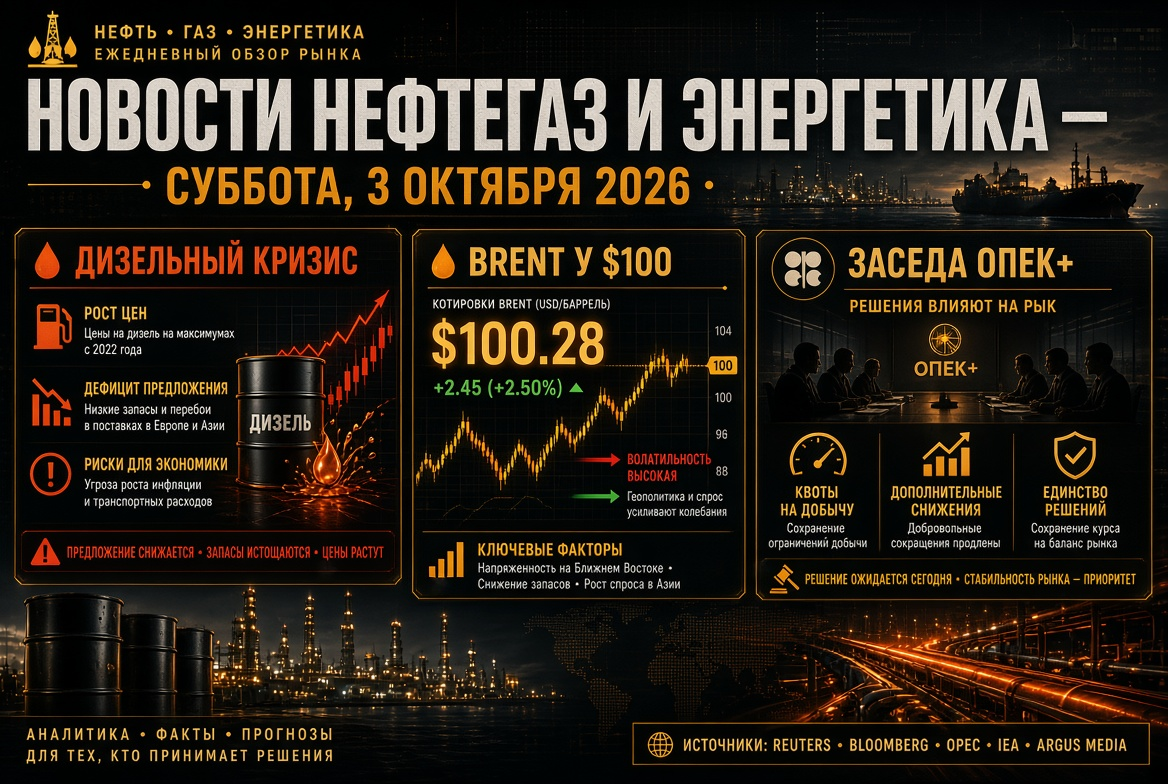
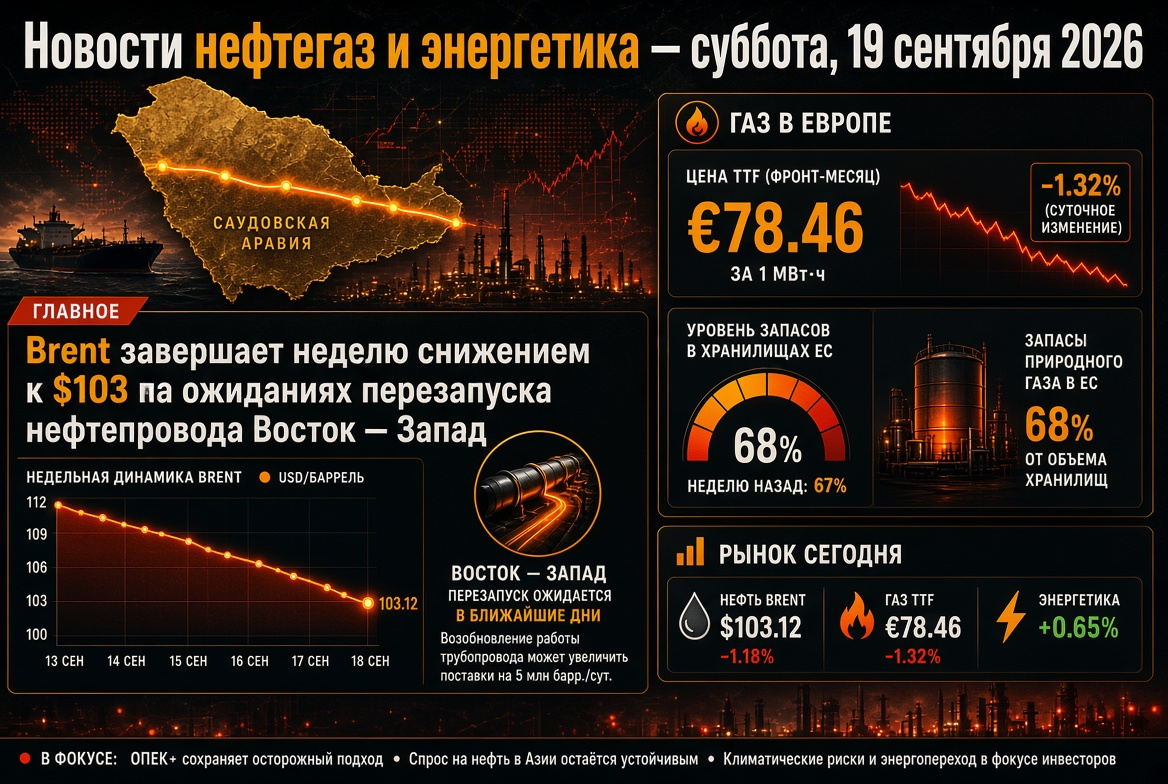
The market interprets geopolitics through the lens of oil and inflation: when energy prices rise and inflationary pressures intensify, it becomes more challenging for central banks to ease their policies, which means risk assets have less "oxygen." In this context, a key question on Thursday is whether today’s recovery will be sustainable or remain a tactical rebound.
- Bitcoin has returned to growth after a sharp decline and is once again testing the zone of psychologically significant levels.
- Altcoins are strengthening alongside Bitcoin, but demand remains more selective and sensitive to news.
- The focus has shifted to oil and inflation expectations: this is the main channel for transmitting geopolitics into risk assets.
Institutional Demand: Inflows into Spot ETFs and Cautious Capital Re-entry
The most notable news this week for professional participants is the dynamics of institutional flows. Data on spot ETFs in the U.S. indicate a return of net inflows: capital is returning to the market, typically acting more slowly than retail, but capable of setting mid-term trends and reducing the "fragility" of quotes.
An important detail: inflows appear as a “rebalancing” of risk positions, rather than a reckless chase for yield. This reduces the likelihood of cascading sell-offs due to liquidations and makes the cryptocurrency market more responsive to positive signals—ranging from macroeconomic statistics to regulatory news.
Ethereum and Major Altcoins: A Bet on Utility, Scaling, and Convenience
For the major smart contract platforms, the infrastructure agenda takes precedence. Ethereum remains the core asset for institutional bets on tokenization and decentralized applications, and discussions around scaling and user experience are entering a practical dimension: from reforms in fees to the development of "smart" wallets and more flexible models for fee payments.
For the altcoin market, this means a shift in focus from pure "narrative" to metrics of utility: fees, confirmation speeds, network stability, and ecosystem quality. In periods of volatility, protocols that align their technological roadmaps with commercial logic—meaning they lower user costs and simplify transactions for businesses—tend to win.
- Focus on convenience: secure wallet models and reducing friction for new users.
- Focus on scaling: enhancing the efficiency of the underlying layer and developing second-layer solutions.
- Competition among ecosystems: liquidity and developers increasingly follow the quality of infrastructure.
Stablecoins: Tightening Global Standards and a New Role for Compliance
Stablecoins—the most "applied" segment of the crypto market—both strengthen integration with traditional finance and attract regulatory scrutiny. This week, the FATF released a targeted report on stablecoins and non-custodial wallets: the official message underscores the rapid growth of the segment and that stablecoins accounted for the majority of identified illicit transaction volume in virtual assets in 2025.
A practical implication is that compliance is becoming a competitive advantage. In the European Union, the MiCA framework is bringing stablecoins closer to electronic money status (liquid reserves, redemption rights, transparency, licensing) and limiting "yield" on certain categories so they do not compete with deposits. In the U.S., a comparable direction is being set by legislation requiring 100% collateralization and regular public reporting on reserves. For global investors, this signifies a shift in perspective: liquidity and "convenience" are no longer the only criteria; regulatory trajectory and the issuer's ability to operate within a supervisory framework now take precedence.
- Brief Point: The compliance profile of stablecoins (reserves, oversight, issuer actions regarding illegal transactions) is becoming as important as liquidity and trading volumes.
- Strategic Conclusion: The increasing role of stablecoins in international settlements enhances market stability but heightens control and demands for transparency.
Regulation: U.S. and European Agendas Set the Market Tone
A closed meeting of the SEC is scheduled for Thursday, with topics relating to the initiation and settlement of cases and other matters concerning enforcement and checks. An additional signal is the updated SEC guidance on enforcement: changes will affect the Wells process and approaches to cooperation in investigations, which could enhance predictability for public companies and major crypto platforms.
In Europe, the implementation of MiCA continues through technical standards and the maintenance of intermediate registries, including lists of issuers and service providers. In practice, this speeds up the "passporting" of the market: compliant products gain easier access to large platforms and institutional counterparties, while opaque schemes find themselves under stricter compliance regimes.
Risks and Infrastructure: Cybersecurity, Operational Downtime, and the Cost of Error
Technological risk in cryptocurrencies remains significant—not only concerning protocols but also storage processes. An example from Asia: the publication of an image featuring an unsecured seed phrase led to asset theft, reminding investors that the "human factor" continues to be one of the primary vulnerabilities in the industry.
A separate category of risk is the operational downtimes of major platforms. Exchanges routinely conduct scheduled maintenance on wallets and networks, temporarily limiting asset deposits and withdrawals while trading continues. During periods of high volatility, such limitations can exacerbate spreads and increase the cost of hedging.
- Diversify storage: separate trading balances from long-term reserves.
- For significant amounts, use cold storage and “test transactions.”
- Plan liquidity in advance: consider potential maintenance windows and network delays.
The Top Ten Most Popular Cryptocurrencies and Investor Focus for the Upcoming Session
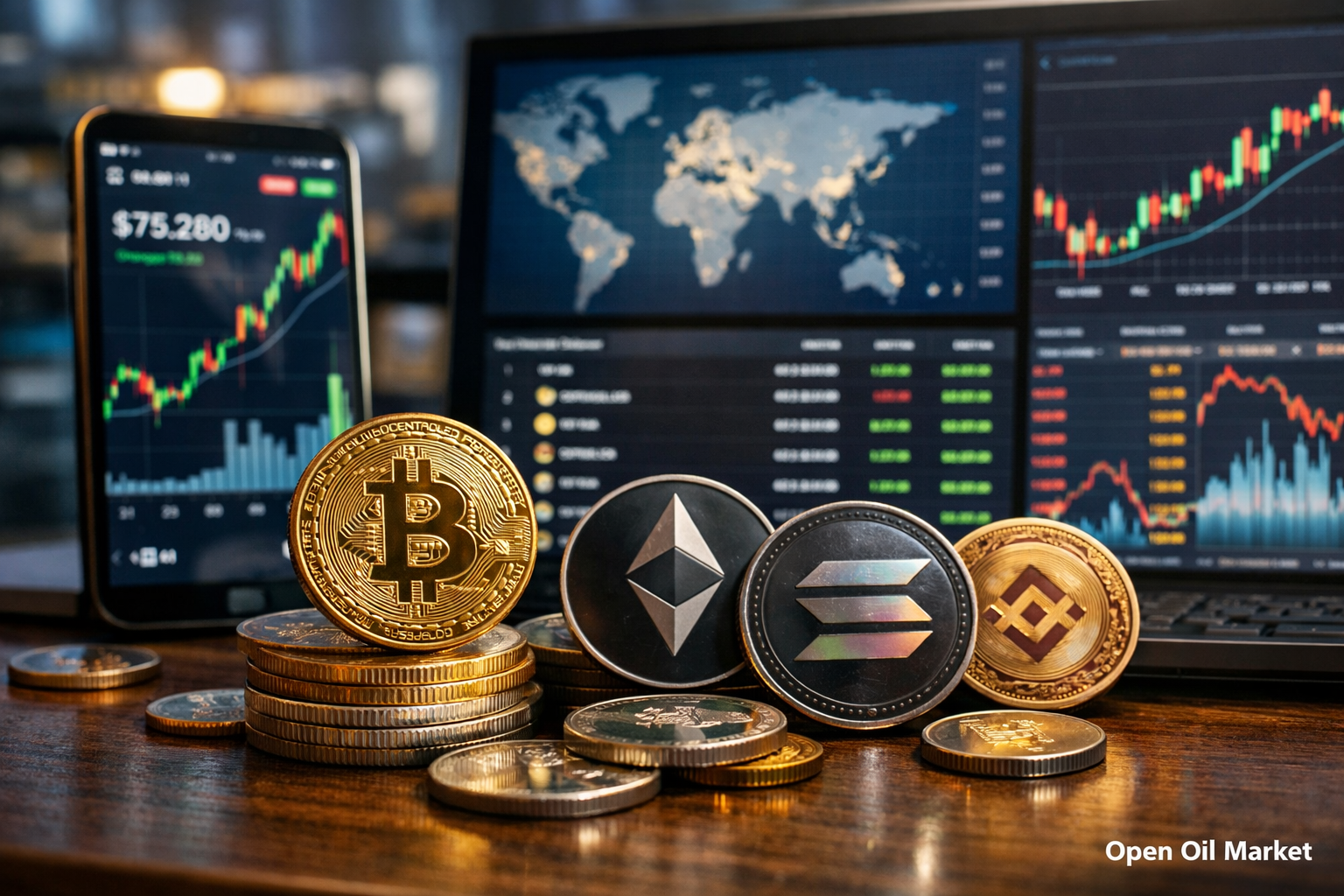
The demand structure in the largest assets remains classic: Bitcoin and Ethereum dominate, with a notable segment of the top ten occupied by stablecoins and highly liquid platform tokens. According to aggregators, the global capitalization of the crypto market is estimated at around $2.5 trillion, Bitcoin's dominance is approximately 57%, and stablecoins have a double-digit share. This confirms a simple fact: the core of liquidity is still concentrated in a limited set of instruments.
- Bitcoin (BTC)
- Ethereum (ETH)
- Tether (USDT)
- BNB (BNB)
- XRP (XRP)
- USD Coin (USDC)
- Solana (SOL)
- TRON (TRX)
- Dogecoin (DOGE)
- Cardano (ADA)
Key focus areas for March 5, 2026, in global cryptocurrency news include ETF flow dynamics, news surrounding stablecoins and AML initiatives, as well as market reactions to oil and interest rate expectations. In scenarios of rising uncertainty, assets with maximum liquidity and clear regulatory trajectories gain the upper hand—this is why Bitcoin, Ethereum, and the largest stablecoins remain the "heart" of the crypto market.
- Catalysts: ETF inflows/outflows, regulatory signals, geopolitics, and oil dynamics.
- Risk Management: Avoid excessive leverage, maintain liquidity reserves, and establish rebalance rules in advance.