Current Cryptocurrency News as of November 10, 2025: Bitcoin Holds Steady Around $100,000, Ripple Awaits XRP ETF Launch, Growing Interest in DeFi, and Market Consolidation in NFTs. A Review of the Top 10 Cryptocurrencies and Key Trends.
The cryptocurrency market begins a new week in a state of cautious equilibrium. Following an October rally that set new records, investors are observing a correction: the total market capitalization currently stands at approximately $3.5 trillion, slightly below the peak levels of last month. Bitcoin is hovering around the psychologically significant threshold of $100,000, while the dynamics among altcoins are mixed. Let’s delve deeper into the key events and trends impacting the cryptocurrency market as of the morning of November 10, 2025.
Bitcoin Near $100,000 After Record Rally
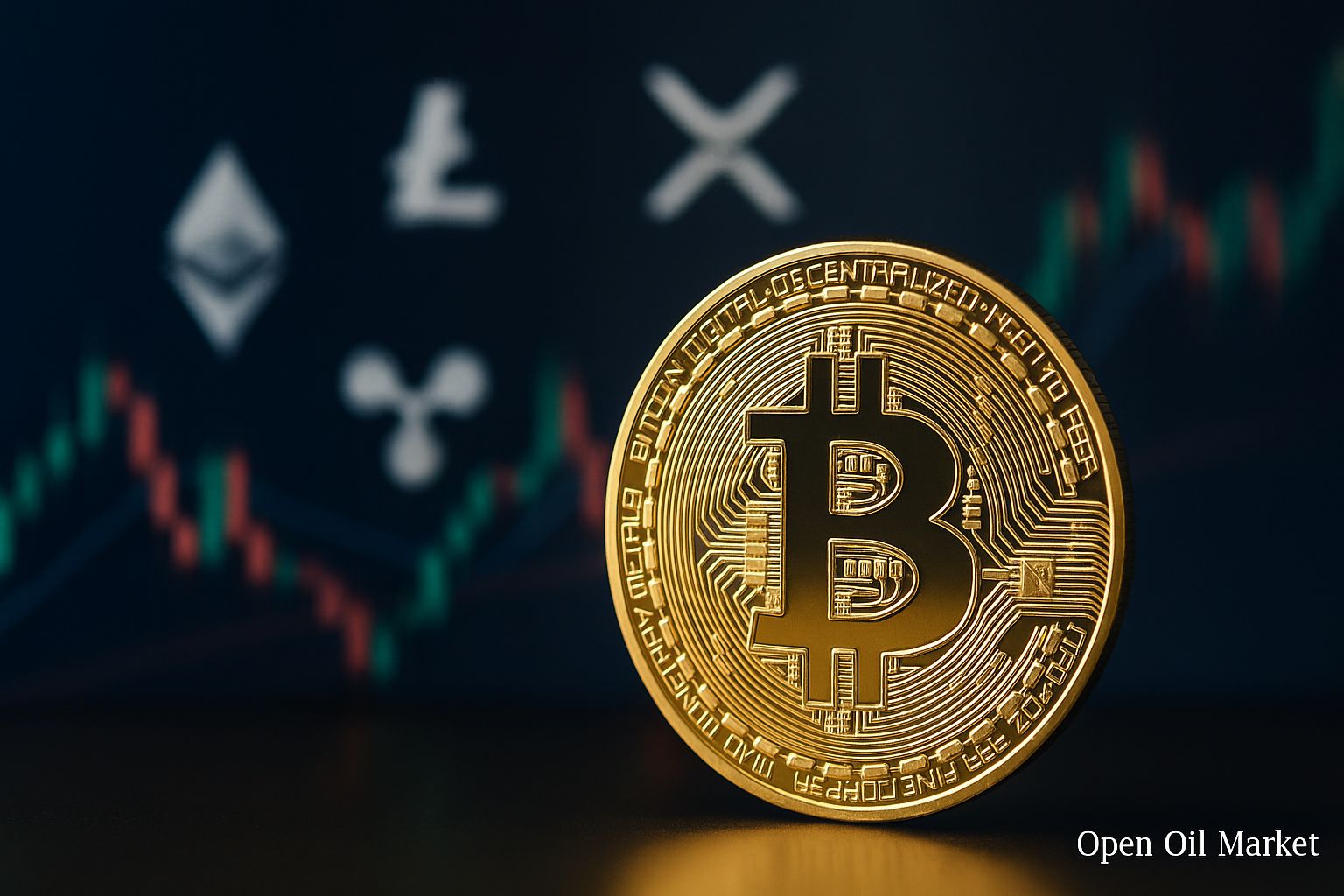
The flagship cryptocurrency, Bitcoin (BTC), reached an all-time high in October (above $120,000), but subsequently underwent a moderate correction. Over the weekend, BTC traded around $102,000, occasionally dipping below the $100,000 mark under profit-taking pressure. The current price remains in the range of $100,000-$102,000, about 20% lower than its recent peak. Despite this pullback, Bitcoin continues to demonstrate significant growth year-to-date, maintaining a dominant share (~58%) of the total cryptocurrency market capitalization. Volatility has increased: the fear and greed index has dropped into the "fear" zone, reflecting a shift in sentiment from euphoria to caution.
Fundamental factors for Bitcoin remain positive. The U.S. government is amplifying its official support for cryptocurrencies: President Donald Trump has expressed his intention to make the U.S. a "Bitcoin superpower," while Senator Cynthia Lummis has proposed creating a strategic reserve in BTC to strengthen the nation’s financial balance. Institutional demand is also rising — following the launch of spot BTC ETFs, leading funds are once again seeing inflows. Thus, even with a temporary slowdown in growth, Bitcoin remains an attractive asset amidst expectations of a softening monetary policy from the Federal Reserve and its status as “digital gold” amid economic uncertainty.
Top 10 Most Popular Cryptocurrencies: Key Trends
Beyond Bitcoin, other leading digital currencies are making their mark in the market. Below is an up-to-date review of the top 10 most popular cryptocurrencies by market capitalization and recent developments:
- Bitcoin (BTC) – ~$100,000. Bitcoin continues to dominate the market, holding a capitalization of around $2 trillion. Following record highs, consolidation is now observed.
- Ethereum (ETH) – ~$3,300. Ethereum remains the largest altcoin and the fundamental platform for DeFi and NFTs. The price of ETH has adjusted over the week (previously exceeding $3,500), but the network continues to attract high demand due to upgrades and developments in layer-two solutions.
- Binance Coin (BNB) – ~$950. Binance’s native token is close to its all-time high (~$1,000). BNB is supported by the robust Binance Smart Chain ecosystem and the exchange's services, displaying consistent growth despite certain regulatory risks surrounding the company.
- Ripple (XRP) – ~$2.20. XRP has emerged as a leader in performance due to expectations surrounding the launch of the first spot ETFs for this token as early as mid-November. Major investment firms have submitted applications, and the market is pricing in the potential regulatory approval. Additionally, Ripple announced a partnership with Mastercard at the Swell conference to utilize its stablecoin (RLUSD) for payments, strengthening investor confidence in the XRP ecosystem.
- Solana (SOL) – ~$158. Solana has solidified its position as one of the largest smart contract platforms. SOL has more than doubled in price over the year, rebounding from the difficulties faced last year. Recently, the price exceeded $150, although volatility was noted last week. The Solana ecosystem is actively developing and attracting DeFi and NFT projects, maintaining interest in the coin.
- Dogecoin (DOGE) – ~$0.16. The meme cryptocurrency, Dogecoin, remains within the top ranks due to a strong community and support from high-profile individuals. Elon Musk recently drew attention to DOGE by hinting at an upcoming "DOGE-1" mission to the Moon. This prompted a short-term price surge, although it later partially corrected.
- Tron (TRX) – ~$0.28. The Tron blockchain remains popular, especially in Asia. TRX has significantly increased over recent months, with the network's capitalization estimated at around $27 billion. The platform is known for its low fees and is actively used for stablecoin transactions.
- Cardano (ADA) – ~$0.54. The Cardano platform continues its systematic development and technological advancements. The ADA coin is trading around $0.50, demonstrating moderate growth over the year. The Cardano community remains highly active; however, in the short term, ADA reflects the market’s overall dynamics without sharp spikes.
- Litecoin (LTC) – ~$250. One of the oldest altcoins, Litecoin, is once again attracting increased investor attention. LTC is often referred to as "digital silver," and in 2025, its price has notably risen. The launch of new investment products based on Litecoin has supported this price increase. Currently, LTC ranks in the top ten by market capitalization.
- Polkadot (DOT) – ~$15. The Polkadot project focuses on integrating various blockchains. While the DOT token has not shown explosive growth in recent months and its market capitalization is far from the peaks of 2021, Polkadot remains a significant altcoin. The development of parachains and new projects within the Polkadot ecosystem fuels interest in DOT.
DeFi: Sector Dynamics and Capital Inflows
The decentralized finance (DeFi) sector has been aggressively growing in 2025. The total value locked (TVL) in DeFi protocols has reached approximately $130 billion, doubling over the year and nearing record levels. Investors are once again tapping into DeFi platforms for staking, lending, and trading, while the trend of tokenizing real-world assets (RWA) promises to attract further capital. However, a series of recent hacks and fraudulent schemes underscore the associated risks: regulators are already discussing stricter security requirements. Overall, major players continue to enter the DeFi space, indicating trust in the sector amid increasing regulatory scrutiny.
NFTs: Cooling Hype and New Opportunities
The non-fungible token (NFT) market has significantly cooled off by the end of 2025. Monthly sales volumes for NFTs have dropped nearly by half since the beginning of autumn – the sector's capitalization has fallen from approximately $6.6 billion to approximately $3.5 billion. The boom in collectible tokens has subsided, with many top collections losing 20-30% of their value. However, the NFT industry is exploring practical scenarios: major brands are issuing loyalty tokens and digital items for gaming, increasing the tangible value of NFTs. The market is cleansing itself of weak projects, and the technology is gradually securing its place in business models beyond purely speculative realms, creating a foundation for future growth.
Regulation and Market Oversight
Worldwide, the formation of rules for the cryptocurrency sector is accelerating, particularly concerning stablecoins and exchange operations. Canada and the United Kingdom have introduced regulatory frameworks for stablecoins (transparent reserves, licensing of issuers, etc.), aiming to integrate stablecoins into the financial system. Meanwhile, in light of the events of 2022, regulators are demanding stricter oversight: in the U.S., restrictions on mining and tighter regulations for cryptocurrency exchanges are under discussion, while law enforcement agencies are cracking down on anonymous crypto services, and in Europe, large exchanges face multi-million dollar penalties for noncompliance with AML regulations.
Governments are striving to balance support for innovation with risk management. Pro-crypto actions (e.g., the launch of state-sponsored mining programs in Japan or the establishment of a crypto fund in Kazakhstan) coexist with increased demands for transparency and security. In the long run, clearer rules lower uncertainty for investors, although in the short term, news regarding regulation can trigger spikes in market volatility.
Institutional and Corporate Trends
Large capital continues to explore cryptocurrencies. The success of Bitcoin ETFs has prompted Wall Street to launch funds for other assets (ETH, XRP, etc.), bringing the digital currency market closer to traditional investors. Banks and financial companies are increasingly utilizing blockchain to accelerate transactions and are offering clients crypto asset custody services, while some pension funds are adding Bitcoin to their reserves for risk hedging.
Concurrently, crypto firms are increasing their influence in traditional finance. For instance, MicroStrategy is raising additional funds to purchase Bitcoins, demonstrating the firm's confidence in the long-term value of BTC. The line between the crypto industry and traditional finance is blurring – and the integration of the two realms is making the market more liquid and resilient.
Outlook: What’s Next?
In the coming weeks, the cryptocurrency market will balance between a correction phase and the potential for a new rally. Much depends on external factors and news. Below are the key signals that investors should monitor:
- New ETFs: Approval of spot ETFs on Ethereum or XRP could attract additional capital and bolster confidence in altcoins.
- Macroeconomics: The monetary policy of the Federal Reserve (potential rate cuts) and budgetary issues in the U.S. affect risk appetite. Favorable decisions may reignite interest in crypto assets.
- Regulatory Moves: The emergence of clear laws regarding stablecoins and the outcomes of major legal cases (involving exchanges and platforms) will set the tone for authorities' attitudes toward the sector. Positive developments here could reduce uncertainty.
- Bitcoin's Behavior: BTC’s ability to hold above $100,000 or, conversely, dip below it will be a marker for the entire market. A confident Bitcoin would uplift altcoins, while a significant downturn may drive investors into defensive instruments.
Despite recent turbulence, the crypto industry has become more mature and integrated into global markets by the end of 2025. Institutional participation and clearer regulations are gradually enhancing the sector's reliability. With a prudent approach, investors can leverage new growth opportunities, although caution remains essential—the risks in this market are still high.