Current Cryptocurrency News as of November 5, 2025: Bitcoin Stabilizes After Correction, Ethereum Prepares for Upgrade, Altcoins Show Mixed Dynamics. Overview of the Top 10 Cryptocurrencies, Institutional Trends, and Regulatory Events.
The global cryptocurrency market remains resilient at high levels, despite the heightened volatility of recent weeks. Bitcoin, after reaching new price peaks, experienced a correction but remains significantly higher than at the beginning of the year, which sustains optimism among market participants. Many leading altcoins have also shown notable price spikes in recent months, although the overall uncertainty in the financial markets has driven increased volatility. In this environment, regulatory news and monetary policy signals are gaining increasing importance; decisions by central banks and lawmakers in various countries can have a significant impact on the industry. Below, we will take a detailed look at the current situation — from Bitcoin and key altcoin dynamics to institutional investor activity and new regulatory developments worldwide.
Bitcoin: Consolidation After Correction
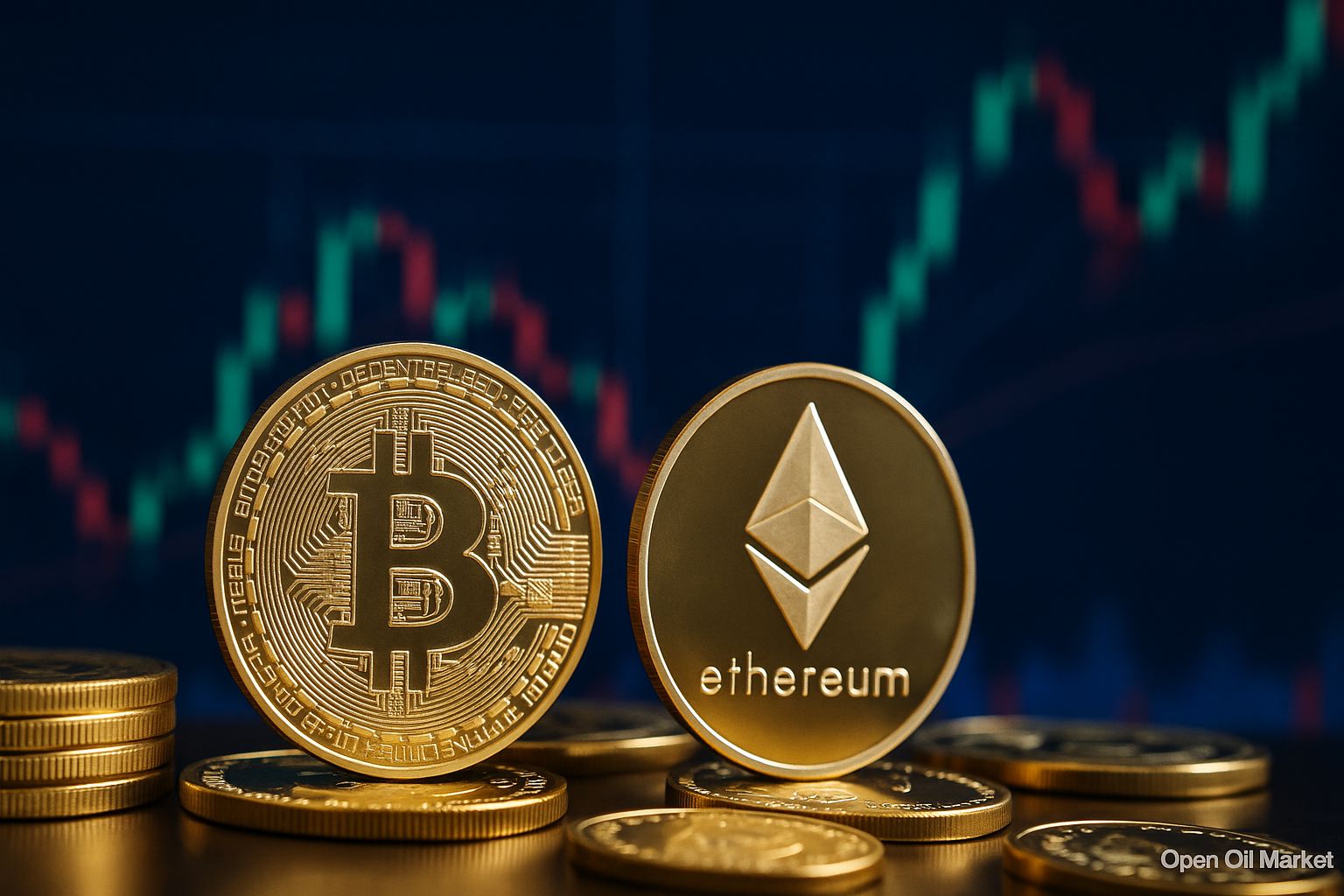
Recently, Bitcoin (BTC) updated its historical maximum, surpassing $125,000. An expected correction followed: at the beginning of November, the price temporarily dropped to approximately $105,000 (the lowest in the past month), after which the largest cryptocurrency stabilized around $110,000. October ultimately marked the first loss for Bitcoin in October since 2018; however, even with the recent decline, BTC is now nearly twice as expensive as at the beginning of the year, and its market capitalization still exceeds $2 trillion. Technically, a crucial support level is the area around $105,000 — holding prices above this level signals the continuation of the upward trend. The resistance area is located around $120,000: a confident breakout above this level will pave the way for Bitcoin to reach new record heights.
The factors fueling the recent BTC rally remain intact. Investors are still anticipating imminent easing of monetary policy in the United States, institutional players continue to increase their investments through exchange-traded funds (ETFs), and regulators are increasingly sending positive signals to the crypto industry. At the same time, macroeconomic risks persist: unexpected inflation spikes or harsh statements from the Federal Reserve could temporarily cool the market. For example, at the end of October, a stern tone from the Fed led to increased outflows from crypto funds and a brief Bitcoin price drop, but overall, buying demand quickly returned prices to stable levels.
Overall, Bitcoin demonstrates resilience: long-term holders are not rushing to sell their coins, viewing BTC as "digital gold." Large corporations and funds continue to accumulate the asset — prominent companies added several thousand BTC to their balances during the recent price decrease. Such capital inflow from "big players" supports the market and strengthens confidence that the current bullish trend is far from finished.
Ethereum: On the Verge of Major Upgrade
The second-largest crypto asset, Ethereum (ETH), has also been on an upward trend in 2025. At the beginning of the week, the Ether price was maintained around $4,000, although it briefly dipped below $3,600 during the general market correction in the first days of November. Ethereum is now trading in the vicinity of $3,800–4,000, with a market capitalization of over $450 billion (approximately 12% of the total cryptocurrency market). Despite recent fluctuations, ETH has strengthened significantly compared to the beginning of the year and is close to its long-term highs (historical peak – ~$4,867).
The growth of Ethereum is supported by both institutional demand and fundamental factors. This summer, investors actively invested in products based on Ether — inflows into Ethereum-focused funds and ETFs broke records and outpaced similar Bitcoin products. In mid-August, American Ether funds attracted over $700 million in a single day (compared to ~$80 million in Bitcoin funds on the same day), indicating a high level of confidence among major players regarding Ethereum's long-term prospects. One reason for optimism is the anticipation of the launch of the first spot ETF on Ether in the U.S. If regulators approve such a product, access to Ethereum will expand to an even broader range of investors, potentially triggering a new price growth phase.
Moreover, the Ethereum ecosystem continues to develop dynamically. Another major network upgrade is scheduled for early December, aimed at reducing fees and enhancing security — this technological driver attracts market participants' attention. More broadly, Ethereum remains a key platform for thousands of decentralized applications (DeFi, NFT, etc.), and following the transition to PoS and the implementation of a deflationary emission model, many investors view ETH as a long-term high-tech asset. All of this fosters positive expectations that Ethereum could eventually surpass the $4,600 mark and set a new historical maximum.
Altcoin Market: Growth and Volatility
A wide range of other cryptocurrencies among the top 10 in 2025 has also shown predominantly positive dynamics, although volatility in this segment has noticeably increased. Following Bitcoin’s rally, investors' interest shifted to many altcoins, some of which previously demonstrated impressive surges (albeit with recent corrections). In particular:
- XRP (Ripple) — during the recent rally, it reached ~$3.1, updating its multi-year high. The asset received support due to a favorable legal environment (Ripple's legal victory over the SEC) and expectations of launching an ETF based on XRP.
- Binance Coin (BNB) — reached a new record around $850. The token of the Binance exchange strengthened amidst active growth in trading volume on the platform and the expansion of the BNB Chain ecosystem.
- Solana (SOL) — is trading in the range of $170–180. SOL remains one of the growth leaders owing to high transaction speeds and the development of DeFi and NFT projects on its network. The coin has notably strengthened over the year due to the expansion of the Solana ecosystem and the recent launch of the first ETF based on Solana, which has sparked investor interest. Improved network stability after previous technical failures further increases confidence in the project.
- Cardano (ADA) — holds steady around $0.80. Although ADA is not demonstrating sharp price surges, the Cardano network is developing actively in 2025: new smart contracts and decentralized applications are being launched, which maintains interest from the community and investors in the coin.
- Dogecoin (DOGE) — around $0.22. The popular "meme" cryptocurrency remains in the top 10 by market capitalization; its price has increased due to community activity and mentions by celebrities, although it exhibits heightened volatility.
- TRON (TRX) — recently burst into the top 10, trading around $0.35. The TRON token appreciates amidst rising transaction activity and the popularity of stablecoins issued in this ecosystem. Low fees and widespread applications for asset tokenization support demand for TRX among developers and users.
Overall, dynamics in the altcoin market remain uneven. Some leading coins (as listed above) maintain positions after impressive growth in the first half of the year — their current prices reflect investors' faith in the technical potential of these projects. Several other altcoins are experiencing moderate corrections from recent local highs (for example, Cardano or Dogecoin have retreated from peak values). Nonetheless, overall interest in alternative cryptocurrencies persists, especially in those supported by active ecosystems or where the launch of exchange products is anticipated. Investors continue to diversify their portfolios, allocating capital between Bitcoin and promising altcoins.
Record Interest Among Institutional Investors
One of the key trends of 2025 has been the rapid increase in the presence of institutional capital in the cryptocurrency market. Major banks, investment funds, and corporations are actively increasing their positions in digital assets, as evidenced by record inflows into cryptocurrency funds and ETFs throughout the year. Concurrently, more new custodial services, trading platforms, and analytical tools for professionals are emerging, easing the entry of traditional financial players into the crypto industry. Experts compare the current stage to the beginning of the 2010s in the gold market, when funds and even central banks began to purchase the precious metal, transforming it from an alternative asset into a part of the mainstream financial market. A similar process is observed with Bitcoin: an increasing number of institutional players are viewing BTC as a strategic reserve asset and a long-term investment.
Recently, following price records, signs of short-term profit-taking have emerged among major players. In late October, against the backdrop of stern signals from the Fed, cryptocurrency ETFs witnessed significant outflows: during the last week of the month, investors withdrew hundreds of millions of dollars from American spot Bitcoin and Ethereum ETFs (more than $1 billion in total over several sessions). These sales largely represented the closure of "long" positions in BTC and ETH and were accompanied by a wave of liquidations in the futures market. Nevertheless, the overall institutional trend remains bullish. Large players tend to buy back crypto assets during each significant pullback, and the total volume of institutional investments since the beginning of the year is already approaching record levels. This consistent involvement of large capital creates a solid foundation for the market and strengthens confidence that the bullish cycle is not over yet.
Regulation in the U.S. and Europe: Establishing New Rules
Regulatory news is increasingly influencing sentiments in the cryptocurrency market. In the U.S., decisions are looming that could define the "rules of the game" for years to come. Back in July, the House of Representatives approved the first comprehensive digital asset legislation — the Digital Asset Market Clarity Act of 2025 (the so-called CLARITY Act), aimed at creating a clear regulatory framework for the circulation of cryptocurrencies and the operation of crypto exchanges. Attention has now shifted to the Senate, where the relevant committee discussed its own version of the cryptocurrency regulation bill in the fall. It is expected that senators will consider the provisions of the CLARITY Act and endeavor to develop a compromise approach. The industry has high hopes for these initiatives: the adoption of new laws could eliminate legal uncertainties, stimulate capital inflows into the sector, and launch new products (for example, ETFs on individual altcoins). However, until the final approval of the documents, market participants remain cautious — investors are closely monitoring the progress of the debates, understanding that any amendments or delays can impact sentiments.
Simultaneously, U.S. regulators continue to send signals to the market. Recently, the Treasury Department officially stated that it does not plan to include cryptocurrencies in the government's reserves, limiting itself to managing previously confiscated digital assets. This news cooled the most ambitious expectations regarding the government's direct involvement in the crypto market. Meanwhile, the U.S. Department of Labor previously allowed the inclusion of digital assets (in moderate amounts) in certain 401(k) pension plans, effectively recognizing cryptocurrencies as a legitimate investment class for citizens' long-term savings.
Furthermore, the new leadership of the Securities and Exchange Commission (SEC) demonstrates a more open stance toward the industry. The SEC chair stated that only a small portion of crypto assets may fall under the definition of securities, and the agency is preparing clear criteria for integrating digital assets into traditional markets. The SEC intends to collaborate with firms looking to issue tokenized stocks and funds and has already dropped several high-profile lawsuits against major crypto exchanges initiated under the previous administration. These steps signify a significant shift toward a more flexible policy and are a substantial victory for the industry that has long sought clear rules.
Meanwhile, in Europe, the implementation of unified cryptocurrency regulation continues. The European Union has enacted the Markets in Crypto-Assets (MiCA) regulation, which gradually establishes common requirements for crypto exchanges, wallets, token issuers, and other market participants in 2024–2025. In recent months, several major crypto companies have received licenses to operate under the new rules, creating more predictable conditions for business and strengthening the EU's position as a global leader in cryptocurrency regulation.
Global Initiatives: Asia, Latin America, and Other Regions
Regulatory and strategic steps are being taken not only in the West but worldwide. In Asia, special attention is being attracted by China, which, despite a strict ban on cryptocurrencies in mainland provinces, is focusing on Hong Kong. According to media reports, Chinese authorities plan to launch the first stablecoin pegged to the Yuan specifically through Hong Kong — a special administrative region with a more liberal financial regime. Local regulators have already prepared a legal framework: rules for licensing stablecoin issuers came into effect on August 1, 2025.
The Hong Kong Monetary Authority (HKMA) has stated that the issuance of the first stablecoin licenses will not begin until 2026, and their number will be strictly limited. Nevertheless, major Chinese companies are not wasting time: technology giant JD.com and Ant Group’s fintech arm (Alibaba) have already announced plans to obtain such licenses and issue their stablecoins. It is expected that the new tokens may be pegged to the Hong Kong dollar (the "JD Coin" project is informally discussed) or other currencies. In effect, Beijing is responding to the global trend: while the U.S. promotes dollar-pegged stablecoins through private companies, China is preparing the groundwork for the international promotion of its digital Yuan, which is expected to reduce the region's dependence on the dollar.
In Latin America, Brazil's initiative has been a key event. On August 20, public hearings on a bill to form a national Bitcoin reserve were held in the Brazilian Parliament. It is proposed to gradually raise Bitcoin's share to 5% in the country's gold and foreign exchange reserves. If this idea gains support, Brazil will become one of the first major economies to officially include cryptocurrency in its sovereign reserves — just a couple of years ago, such a move seemed nearly unthinkable. Experts note that such a decision will enhance Bitcoin's legitimacy and may prompt other countries to consider BTC as a reserve asset. The example of small El Salvador, which made BTC an official means of payment, is beginning to inspire larger countries in the region.
In Southeast Asia, similar approaches are being discussed. Indonesian authorities announced that they are exploring the possibility of adding Bitcoin to national reserves and developing renewable energy-based mining. For this resource-rich country, it could be a dual benefit: both diversifying reserves and attracting investment in "green" mining. Meanwhile, Thailand is integrating cryptocurrencies into the tourism industry: starting August 21, the country launched the TouristDigiPay pilot project, allowing foreign tourists to exchange cryptocurrency for Thai Baht under regulatory supervision. This initiative aims to link the crypto economy with the tourism industry while maintaining strict financial control.
In the Middle East and other regions, the competition for the status of a global crypto hub continues. Jurisdictions such as the UAE and Singapore are refining their regulations, aiming to attract blockchain companies. The global trend is evident: countries are increasingly integrating cryptocurrencies into their existing financial systems through clear rules. This reduces legal risks for investors and confirms that the crypto industry has firmly taken its place in the global financial system.
Russia and the CIS: Course Towards Control and the Digital Ruble
In Russia, regulators continue to tighten control over cryptocurrencies while simultaneously promoting state initiatives. Recently, banks were officially permitted to offer qualified investors instruments linked to cryptocurrency values (such as derivatives and tokenized securities). There is also a discussion about creating a special exchange platform for trading digital assets, accessible only to professional market participants.
For ordinary users, conditions are becoming stricter. Amendments adopted this fall allow banks to block clients' accounts upon suspicion of P2P transactions involving cryptocurrencies, while changes in legislation regarding payment systems have expanded the criteria for "high-risk" transactions and increased liability for laundering money through digital assets. In other words, internal financial control over crypto operations is noticeably tightening.
At the same time, the government is taking steps toward launching its digital ruble. The full-scale introduction of the Central Bank's digital currency is expected in 2026, but active testing is already underway. Concurrently, private projects of Ruble stablecoins for international settlements and evading sanctions are emerging. For example, the A7A5 token is already being used for cross-border operations: in just July, the transaction volume through this unofficial "digital ruble" exceeded $40 billion. Such examples demonstrate how Russian market participants are attempting to utilize digital assets under external constraints — despite the increase in internal oversight.
Other countries in the region are also experimenting with digital currencies and instruments. Kazakhstan, for example, launched the first Bitcoin ETF in Central Asia on the AIX platform (Astana) in August, reflecting interest in integrating crypto assets into the traditional market under state supervision. Overall, the governments of CIS countries are trying to balance between the opportunities offered by blockchain technology and the risks to financial stability. The tightening of control is a general trend (as seen in Russia), but authorities understand the need for innovations — whether through the issuance of national digital currencies or participation in international blockchain projects — to keep pace with global crypto trends.
Market Sentiments and Predictions
Following a rapid rise in the mid-year and subsequent correction in autumn, sentiments in the cryptocurrency market remain cautiously optimistic. The euphoria observed during the height of the summer rally has diminished; however, the absence of new price records in recent weeks is perceived by many as a sign of healthy consolidation. Market participants have taken profits and are awaiting new growth drivers. Investors continue to expect a continuation of the upward trend, though they also remind us that cryptocurrencies remain a highly volatile asset.
A key factor for future dynamics will be the monetary policy of leading central banks. The anticipated interest rate reductions by the Federal Reserve and other regulators in 2025–2026 could further augment demand for risk assets, including digital currencies. At the same time, the ongoing influx of institutional capital (through the launch of ETFs and issuance of tokenized financial products) creates a solid foundation for sector capitalization growth. It is also crucial to monitor regulatory actions and innovations in DeFi and Web3. Experts believe that projects with tangible utility, strong fundamentals, and active communities will remain in focus for investors.
Overall, the positive market dynamics persist amid the increasingly deep integration of the crypto industry with the traditional financial system. Some analysts even predict that if current trends continue, Bitcoin could reach substantially higher levels in the coming years — the most ambitious targets reach $150,000–200,000. Of course, such estimates come with caveats due to market unpredictability, but they reflect an increasing confidence in the long-term prospects of crypto assets.
In the short term, market participants are focused on macroeconomic events. Recent central bank meetings (specifically, the U.S. Federal Reserve and the European Central Bank at the end of October) have become important benchmarks for the market, and the rhetoric of Fed Chair Jerome Powell is being carefully analyzed for the regulator's future intentions. Any tightening signals or unexpected inflation data could temporarily diminish risk appetite. However, given that cryptocurrencies are now firmly in the sights of both private and institutional investors, this asset class is likely to remain a dynamic and significant part of the global financial ecosystem. The remainder of 2025 holds many events for the industry: market participants have opportunities for further growth, but new challenges cannot be ruled out either.
Top 10 Most Popular Cryptocurrencies: Current Status
- Bitcoin (BTC) — around $110,000. The first cryptocurrency remains the largest in the market (~55% of total capitalization) and holds relatively high levels after the recent rally. Investors view Bitcoin as "digital gold" and a hedge against inflation risks, maintaining high demand for BTC.
- Ethereum (ETH) — around $4,000. The largest altcoin (~13% of the market) has strengthened due to network upgrades and record inflows of institutional investments. The nearest target is to surpass the $4,600 mark and set a new historical maximum, driven by the deflationary emission model of ETH and its wide application in decentralized applications (DeFi, NFT, etc.).
- Tether (USDT) — ~$1, the leading stablecoin. USDT provides liquidity to the crypto market and is the primary means for "parking" capital between trades. The issuer of Tether is preparing to enter the U.S. market with a new regulated stablecoin, highlighting the high demand for reliable digital dollars.
- Binance Coin (BNB) — ~$800. The native token of the largest cryptocurrency exchange, Binance, recently reached an all-time high (around $850) amid increased activity on the platform. Despite regulatory pressure in some countries, BNB has maintained its position as one of the leading coins, providing holders with discounts on fees and access to a broad ecosystem of BNB Chain.
- USD Coin (USDC) — ~$1, the second-largest stablecoin. The coin, issued by the Centre consortium (Circle and Coinbase), plays a key role in digital transactions. Full reserve backing and regular audits have made USDC a benchmark for regulatory compliance, especially against the backdrop of new stablecoin laws.
- XRP (Ripple) — ~$3.0. The token of the Ripple payment network, designed for fast and inexpensive cross-border transfers. In 2025, XRP reached multi-year highs (for the first time since 2018, exceeding $3) due to legal certainty in the U.S. following Ripple's victory over the SEC and expectations for an XRP ETF launch. The coin attracts the attention of financial institutions as an efficient tool for international payments.
- Solana (SOL) — ~$180. A promising layer-one blockchain platform known for high transaction speeds, remains among the leaders in growth. SOL has significantly strengthened over the year thanks to the development of DeFi and NFT ecosystems on Solana, as well as the recent launch of the first ETF based on Solana. Investors note improved stability in the network after previous outages, increasing confidence in the project.
- Cardano (ADA) — ~$0.80. A blockchain with a Proof-of-Stake algorithm and research-oriented development. While ADA is not currently setting price records, the coin consistently stays in the top 10. In 2025, the Cardano network is undergoing an active growth phase — new smart contracts and applications are being launched, maintaining interest from the community and investors in ADA.
- Dogecoin (DOGE) — ~$0.22. One of the first "meme" cryptocurrencies, created as a joke but continuing to rank among the largest coins by market capitalization. DOGE is widely used for payments and microtransactions. With a loyal community and periodic media attention surges, Dogecoin remains in the top ten, though its price is subject to sharp fluctuations influenced by social networks.
- TRON (TRX) — ~$0.35. A platform for smart contracts and decentralized services (founded by Justin Sun) recently burst into the top 10 of the cryptocurrency market. This week, TRX has increased by a few percent, standing out amid the stagnation of some altcoins. The Tron network attracts developers and users with low fees and is actively used for the issuance of stablecoins and tokenization of real assets, supporting demand for TRX.