Key Economic Events on January 2, 2026: PMI for Australia, India, Russia, Germany, the Eurozone, the United Kingdom, Brazil, Canada, and the USA. Where Exchanges are Closed for New Year's and Where Trading is Ongoing, Plus What Investors Should Focus on at the Start of the Trading Year.
Friday, January 2, 2026, is expected to be relatively calm in global financial markets due to the ongoing New Year's holidays. Most major exchanges remain closed, and investors will focus on the release of global Purchasing Managers' Indices (PMI) for the manufacturing sector. Scheduled for release on Friday are the PMI data for Australia, India, Russia, Germany, the Eurozone, the United Kingdom, Brazil, Canada, and the USA. These statistical releases will provide the first indicators regarding the state of the global economy in the new year. In the corporate sector, notable reports are sparse – the major financial results from large companies are expected later in January and February. However, it is advisable to pay attention to dividend announcements and individual corporate events. Markets will resume activity early next week after the holidays, which will determine index dynamics. Overall, investors should be prepared for reduced liquidity and increased volatility – even minor news can provoke sharp market movements.
Macroeconomic Calendar (EST)
- Australia: IHS Markit Manufacturing PMI (December) – 12:00 EST (preliminary).
- India: S&P Global Manufacturing PMI (December) – 03:00 EST.
- Russia: S&P Global PMI for the Manufacturing Sector (December) – 04:00 EST.
- Germany: S&P Global Manufacturing PMI (December) – 06:55 EST.
- Eurozone: S&P Global Manufacturing PMI (December) – 07:00 EST.
- United Kingdom: S&P Global/BME Manufacturing PMI (December) – 07:30 EST.
- Brazil: S&P Global Manufacturing PMI (December) – 11:00 EST.
- Canada: S&P Global Manufacturing PMI (December) – 12:30 EST.
- USA: S&P Global Manufacturing PMI (December, final) – 12:45 EST.
Trading Sessions and New Year's Holidays
- Closed Exchanges: China, Kazakhstan, Switzerland, New Zealand, Japan (New Year's).
- Exchanges Open: The US and Canada return to regular trading schedules on January 2 (after the holiday on January 1).
- Russian Markets: The Moscow Exchange (MOEX) will not operate on January 2 due to the holiday, while the Saint Petersburg Exchange continues to trade as usual.
- Australian Markets: Open for trading, although major financial releases, including PMI, will be published in the morning (see above).
Global Markets and Indexes
- USA (S&P 500): Markets will resume trading after the holidays; investors will be monitoring PMI and anticipating quarterly reports from companies later in the month.
- Europe (Euro Stoxx 50): Major European exchanges will be closed on Friday; indicators will focus on PMI from Germany and the Eurozone, along with oil prices and the euro/dollar exchange rate.
- Asia (Nikkei 225): Japanese markets remain on holiday; Chinese and Hong Kong exchanges are also closed for New Year. The rest of the Asia-Pacific segment enters the new year without major data announcements.
- Russia (MOEX, RTS): No trading on MOEX at this time; global oil prices and geopolitics will continue to affect the ruble. Trading on major platforms is expected to resume by the second week of January.
Corporate Reports
- Due to the holidays, there are virtually no significant reports on Friday. Many companies from the S&P 500, Euro Stoxx 50, and Nikkei 225 are expected to report later in January. Small tech players continue their reporting schedules; for example, Taylor Devices (NASDAQ:TAYD) is expected to report its Q3 fiscal 2026 results (end of December 2025).
- Some companies are announcing dividends as the year begins. For instance, NetApp (NASDAQ:NTAP) has announced a dividend of $0.52 with a record date of January 2, 2026 (payment on January 21). American Express (NYSE:AXP) has already announced a dividend with a record date of January 2, 2026. These events will attract the attention of dividend investors.
- Overall, the earnings season has yet to begin. Investors are focused on external indicators and statements from central bank leaders (though no Federal Reserve or ECB meetings are scheduled for this week).
End-of-Day Summary: What Investors Should Focus on
- Low Liquidity and Volatility. New Year's holidays reduce trading volumes. With limited activity, even minor news can cause significant market movements. Investors must manage risks and approach trades thoughtfully as trading resumes in full.
- PMI Releases. PMI indices (Australia, India, Europe, the USA, etc.) will represent the first major economic signals of the new year. Increases or decreases in PMI will indicate the pace of economic activity and may influence investor sentiment and currency exchange rates.
- Corporate Sector. While there are few significant reports today, a series of publications from major companies (tech giants, banks, energy companies) is anticipated by the end of January. Early signals will come from dividend cutoffs (see NetApp, AmEx) and reports on specific sectors.
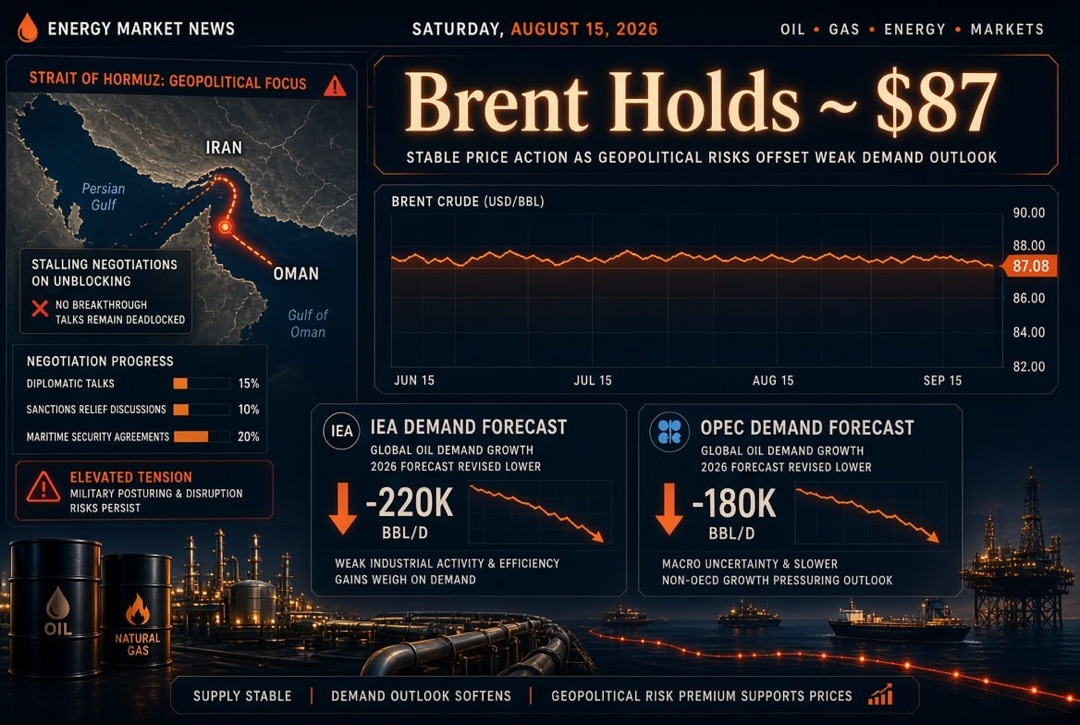
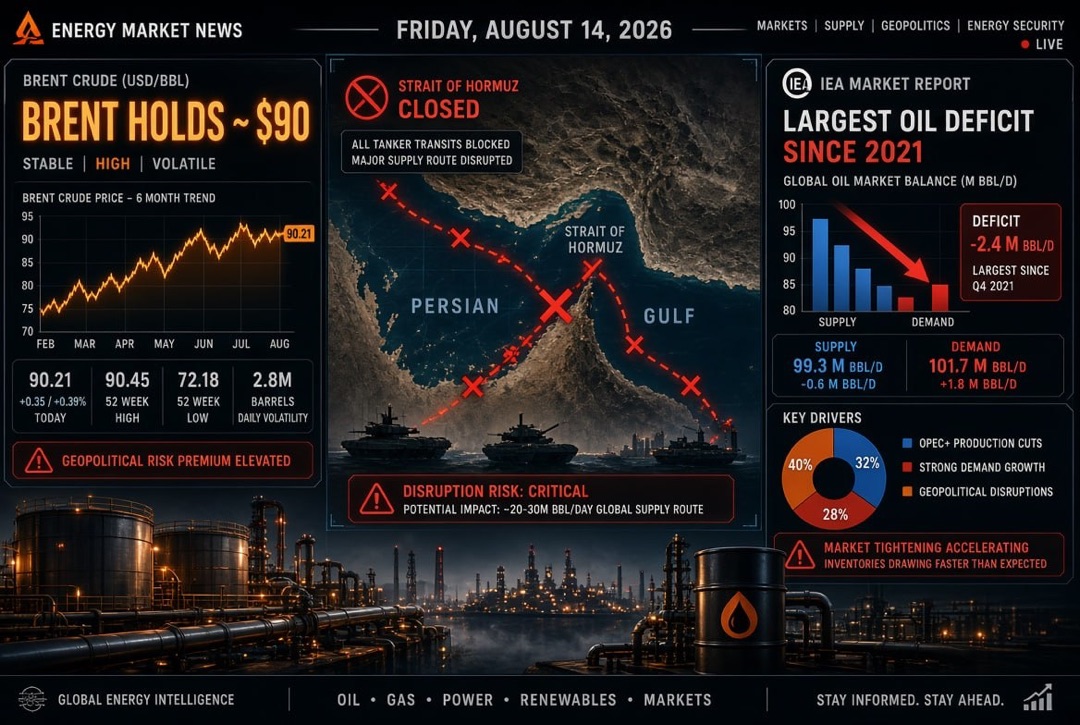
- Oil and the Ruble. Oil prices remain a key driver for the ruble market. Investors should closely monitor the energy market; even minor changes in oil prices can substantially influence the Russian currency and the MOEX index.
- Global Environment. On Tuesday and Wednesday, attention should also be paid to political news and trading announcements (e.g., regarding tariffs or geopolitics), which could set the tone for the first week of the year. In the current environment, conservative strategies and diversification remain priorities.
This brief overview provides key indicators for investors on January 2, 2026. Keep a close eye on the release of statistics, the dynamics of major indices, and corporate news to make informed investment decisions.