Detailed Overview of Economic Events and Corporate Reports for January 6, 2026: Service PMI, German Inflation, API Oil Stocks, Ukraine Meeting, and Earnings Reports from US, Europe, Asia, and Russia
The first working Tuesday of the new year is rich with significant data for investors worldwide. Attention will focus on the December Purchasing Managers’ Index (PMI) for the services sector across several key economies—from Australia and India to the Eurozone, the UK, and the US. In Europe, the release of inflation data from Germany is particularly noteworthy: the price dynamics in the EU's largest economy will aid in assessing the European Central Bank's next steps. Concurrently, the geopolitical agenda will be highlighted by a high-level meeting of Ukraine's allied coalition in France, the outcome of which could influence market risk appetite. On the corporate front, earnings reports will continue to come in: although early January typically lacks a multitude of major releases, investors will monitor the results from several companies in the US, Asia, and other regions that may set the tone for specific sectors. Collectively, the combination of macroeconomic statistics and corporate news on Tuesday will establish initial benchmarks for global markets in 2026. It is crucial to analyze the indicators comprehensively: strong PMIs will suggest economic health, while slowing inflation will support bonds and equities, whereas geopolitical decisions may modify the dynamics of commodities and currencies.
Macroeconomic Calendar (ET)
- Throughout the day — France: high-level meeting of Ukraine's allied coalition ("coalition of the willing").
- 01:00 — Australia: Service PMI for December.
- 08:00 — India: Service PMI and composite PMI for December.
- 11:55 — Germany: Service PMI and composite PMI (December).
- 12:00 — Eurozone: final estimates of services PMI and composite PMI (December).
- 12:30 — UK: final services PMI and composite PMI (December).
- 16:00 — Brazil: services PMI and composite PMI (December).
- 16:00 — Germany: Consumer Price Index (CPI, December).
- 17:30 — Canada: Service PMI and composite PMI (December).
- 17:45 — US: Services PMI (S&P Global Services PMI) and composite PMI (December).
- 00:30 (Wed) — US: Weekly crude oil inventories data from API.
Global Services PMI: Signals of Growth Rates
The December Service PMIs will be released for a wide array of countries, providing a comprehensive picture of the global economy as it wraps up 2025. It is essential for investors to assess whether the services sector maintains its resilience, which frequently compensated for industrial weaknesses last year. In the Asia-Pacific region, indicators from Australia may reflect the impact of tourism recovery and domestic demand, while India, which has traditionally demonstrated robust growth, is expected to remain firmly in the expansion zone above 50 points. The final European PMIs (Germany, Eurozone, UK) will confirm or adjust preliminary assessments: any improvement in service sector activity in December will heighten hopes for a soft landing of the economy, while a drop in PMIs will indicate persistent pressure from high rates on businesses and consumers. In the US, the PMI index from S&P Global will complement the overall picture: an increase in the index will signal sustained demand in the service sector and support the stock market, while a signal of declining activity may bolster expectations for a more dovish Federal Reserve policy. Overall, synchronized growth in service PMIs across countries will serve as a positive catalyst for global markets, supporting cyclicals and emerging market equities, whereas mixed or weak data will heighten interest in defensive assets.
Germany: Is Inflation Slowing Down?
Investors in Europe will focus on the December Consumer Price Index (CPI) for Germany—a key indicator for assessing the inflation backdrop in the Eurozone. Previous months indicated a decline in annual inflation towards target levels of 2-3%, and new data will confirm whether this trend has been sustained. A slowdown in price growth in December (particularly in the food and energy components) will strengthen expectations that the European Central Bank will refrain from further rate hikes: for markets, this is a positive signal supporting German Bunds and the DAX index. Conversely, an unexpected acceleration in inflation could alarm investors: an increase in CPI above forecasts would revive discussions about the necessity for further tightening by the ECB, typically putting pressure on European stocks and leading to higher bond yields. Particular attention will be paid to core inflation (excluding energy and food prices), reflecting internal price pressures in the services sector and wages. Data from Germany will also set a tone ahead of the overall Eurozone inflation statistics: markets will assess the euro’s outlook and the dynamics of the Euro Stoxx 50 through the lens of German figures.
Oil and Commodities: Focus on Stocks and Geopolitics
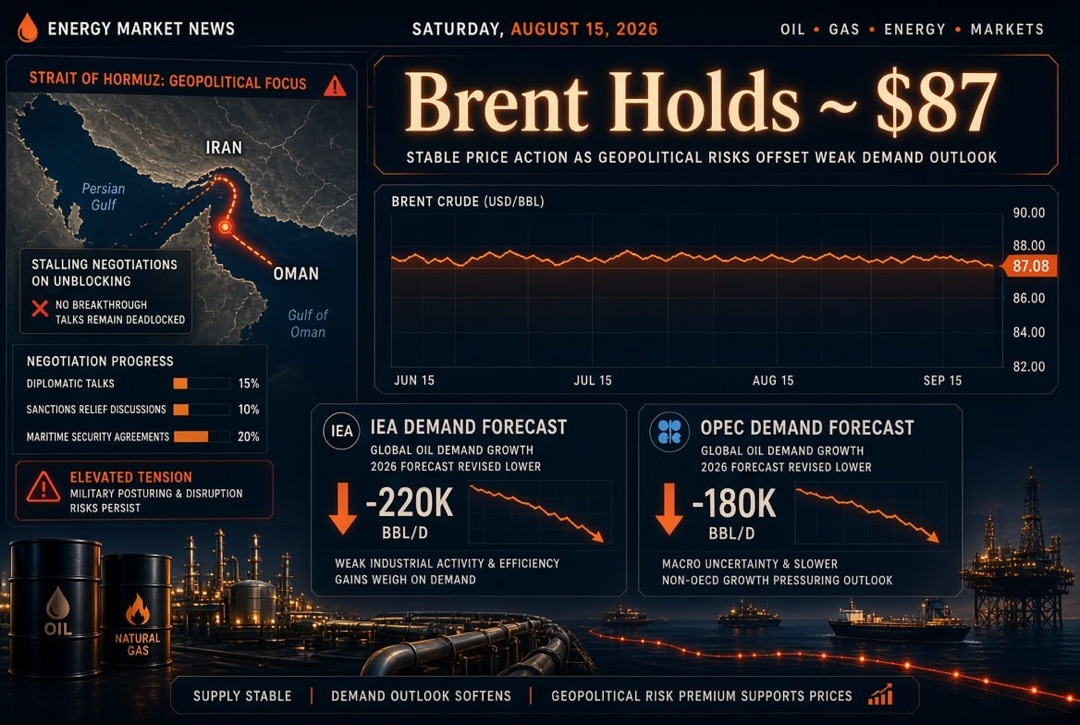
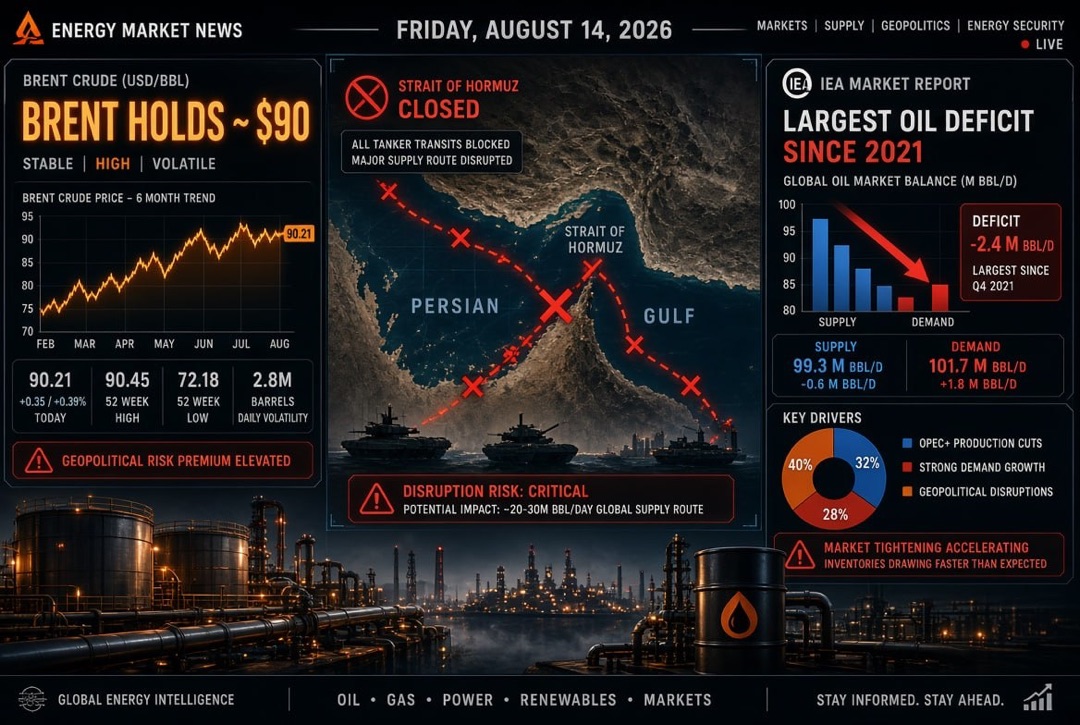
Energy prices may feel the impact of two primary factors on Tuesday: weekly oil inventory statistics in the US and international political developments. Data from the American Petroleum Institute (API) on commercial oil and petroleum product inventories from the past week will be released late Tuesday night. Previous API reports indicated volatility of stocks at year-end—from significant reductions due to rising export demand to unexpected inventory builds. If fresh data reveal a significant decrease in oil stocks, it will support Brent and WTI prices, signaling sustained demand and limited supply in the market. Conversely, an increase in stocks could temporarily weaken oil prices, heightening concerns over oversupply or demand slowdowns. An additional factor on Tuesday will be the aforementioned meeting of the "coalition of the willing" on Ukraine: any escalatory statements or new sanctions could affect commodity markets, particularly the oil market and gas prices, given Russia's and allied nations' roles in global energy supply. Overall, this day will require commodity investors to pay close attention to both API figures and geopolitical news.
Geopolitics: Meeting of Ukraine's Allied Coalition
The high level of geopolitical activity on Tuesday will be represented by the summit in France involving countries from the "coalition of the willing" supporting Ukraine. This diplomatic forum, gathering leaders and high-ranking officials from key Western nations, aims to coordinate further military and financial assistance to Ukraine while discussing strategies amid the ongoing conflict. For financial markets, the outcomes of the meeting are essential in terms of overall risk appetite: reaffirmation of allies’ unity and expansion of support can strengthen investor confidence in the stability of the situation in Europe, indirectly supporting the euro and assets from emerging markets in the region. Conversely, if disagreements arise during the meeting or no concrete decisions are reached, it could heighten geopolitical uncertainty. News from Paris may significantly impact defense sector companies (in the event of announcements regarding new weapons supply contracts) and commodity markets, especially if discussions touch upon sanctions against energy resources. Investors will be monitoring statements from summit participants and countries' readiness to increase sanctions pressure or, on the contrary, hints at potential pathways to resolve the conflict.
Earnings Reports: Pre-Market (BMO, USA, and Asia)
- RPM International (RPM) — an American manufacturer of construction materials and coatings. Investors are awaiting the report for the last quarter of the fiscal year 2025: margin performance in the construction chemical and finishing segments amidst fluctuations in raw material prices is key in focus. Positive forecasts for construction and renovation demand may support not only RPM's shares but also the entire industrial materials sector.
- Takashimaya Co. (8233.T) — one of Japan’s largest department store chains. The company will present results for the pre-holiday quarter, which includes the sales season and New Year’s shopping. Key metrics include the growth of comparable sales in major cities and the dynamics of consumer demand in offline retail. Investors are also interested in management commentary regarding tourist flows and the recovery of domestic consumption in Japan.
- Lindsay Corporation (LNN) — a manufacturer of irrigation systems and agricultural equipment (USA). The company's report will provide insight into farmers' capital expenditures amid volatile agricultural commodity prices. A special focus will be on new order volumes for irrigation systems and infrastructure projects, as well as profitability considering rising raw material and logistics costs.
- AngioDynamics (ANGO) — an American med-tech company specializing in equipment for minimally invasive surgery and therapy. Analysts seek to see signs of improved sales in key product lines and reduced losses in the financial results for the quarter. The revenue growth rate in the oncology and vascular surgery segments, along with the updated management forecast towards profitability, will be in the spotlight.
- AZZ Inc. (AZZ) — an industrial group from the USA working in the energy and municipal equipment sector, as well as metal protection services (hot-dip galvanizing). The AZZ report will serve as an indicator of activity in infrastructure projects and the energy sector. Investors will evaluate the order volumes for electrical equipment and metal structures, as well as profit dynamics amid the implementation of federal infrastructure modernization programs.
Earnings Reports: After Market Close (AMC, USA)
- AAR Corp. (AIR) — an American company providing maintenance and supply services in the aerospace industry. AAR's quarterly report will indicate the strength of the ongoing recovery in civil aviation: growth in revenues from aircraft maintenance and parts supply signals increased airline activity. Comments on the company’s defense contracts and its clients within the U.S. Air Force and other government sectors will also be significant.
- Penguin Solutions (PENG) — a technology company specializing in high-performance computing (HPC), enterprise server platforms, and memory components. Although Penguin Solutions is a mid-cap company, its results are of interest due to trends in artificial intelligence and cloud computing. The market will be looking at revenue from data center solutions and the business's margins amidst high demand for AI-related equipment and data storage.
- Saratoga Investment Corp. (SAR) — an investment company (BDC) providing financing to mid-sized businesses in the USA. Saratoga Investment's report after the market close may signal the state of the credit market: the dynamics of net investment income and loan volumes will reflect both the capital needs of companies and the quality of the credit portfolio. Investors will also pay attention to the BDC’s dividend size, which is sensitive to profit changes.
Other Regions and Indices: Euro Stoxx 50, Nikkei 225, MOEX
- Euro Stoxx 50: For leading European companies, January 6 does not anticipate significant individual reports, so the tone of trading in the Eurozone will be set by macro data. Composite service PMIs and inflation numbers from Germany will shape expectations regarding the EU economy, impacting the banking sector and consumer companies. The euro and pound rates may react to the statistics, affecting exporters in the region. Overall, the European market will assess how confidently the region is emerging from the winter period of cautious growth.
- Nikkei 225 / Japan: The Japanese stock market approaches the main earnings season for the third quarter of the fiscal year. While most major corporations in Japan will publish results closer to the end of January, some individual releases are already attracting attention. Particularly, metrics from retailers like Takashimaya will provide an early signal regarding consumer activity during the holiday season. Additionally, external factors, including yen dynamics and PMI data from China, may influence investor sentiment in Tokyo. The Nikkei 225 will be highly responsive to the technology sector: any news regarding demand for electronics and semiconductors will set the direction for high-tech blue chips.
- MOEX / Russia: The Russian stock market resumes operations after a prolonged New Year's holiday, so investor activity may be lower than usual on January 6. Significant corporate reports from issuers on the MOEX index are not anticipated on this day: traditionally, the publication of financial results for the full year 2025 will commence later in January-February. Nonetheless, external benchmarks—global oil prices and sentiments in global markets—will be pivotal for the dynamics of Russian stocks and the ruble's exchange rate. Some companies may disclose operational metrics for December (for example, production volumes from oil and gas producers or sales from retailers), providing local investors additional reasons for reassessing positions. Overall, the MOEX enters the new year influenced by external factors and geopolitical rhetoric, while maintaining focus on commodity trends and the monetary policy of the Bank of Russia.
End of Day: What Investors Should Pay Attention To
- Global Service PMIs: Synchronized improvements in service sector PMIs (especially in the Eurozone, UK, and US) will be a positive signal for equity markets and commodities. However, weak metrics in specific countries may amplify discussions surrounding recession risks—resulting in increased interest in bonds and defensive assets.
- German Inflation: CPI figures for December will set the tone for expectations regarding ECB policy. Soft inflation data (below forecasts) could bolster European bonds and weaken the euro, supporting equities in rate-sensitive sectors (real estate, auto lending). Conversely, an unexpected rise in inflation may exert pressure on the Euro Stoxx 50 and result in a localized strengthening of the euro on Forex.
- Oil and Commodities: The API report on oil inventories may provoke movements in energy prices during the Asia and European sessions on Wednesday. Oil and gas sector investors should be prepared for volatility: a decline in stocks will strengthen Brent prices and shares in the oil and gas sector, while an increase in stocks or negative news from the Ukraine summit could weaken the oil market.
- Geopolitical News: The outcomes of the coalition meeting on Ukraine in France will have a delayed impact. Any announcements of increased support or, conversely, disagreements among allies may reflect on European markets and the euro's exchange rate. Additionally, heightened sanctions rhetoric could impact commodity markets (oil, metals) and stocks linked to these sectors.
- Corporate Reporting: Among the day's releases, RPM International (a sector indicator for construction) before market opening and AAR Corp. (aviation sector) after market close are of particular interest. Their results and forecasts may locally influence relevant sector indices. Investors should also monitor the technological aspects of the reports (for example, data from Penguin Solutions in the HPC segment) and consumer demand signals from Asia (Takashimaya sales)—these factors may aid strategy adjustments at the beginning of the new year.
- Risk Management: Given the plethora of mixed events—from macroeconomic data to geopolitical developments—January 6 may bring heightened volatility to the markets. It would be prudent for investors to pre-determine key levels for their positions and utilize protective tools (stop orders, hedging), while also avoiding excessive risks ahead of the release of the most critical indicators. Balancing between PMI data, inflation, and news, diversification should be maintained, along with monitoring the correlation of assets within the portfolio.