Economic Events Calendar and Corporate Reports for Wednesday, July 8, 2026: RBNZ Rate Decision, US EIA Oil Inventories, FOMC Minutes, and Reports from Levi Strauss, Helen of Troy, AZZ, and PriceSmart. What Global Market Investors Should Watch For
Wednesday, July 8, 2026, will be a day of focus for global markets on monetary policy, US oil inventories, and early signals of corporate financial results ahead of a busier earnings season. For CIS investors, the key events of the day will be the Reserve Bank of New Zealand’s interest rate decision at 05:00 MSK, the release of weekly oil and petroleum inventories by the EIA at 17:30 MSK, and the minutes from the recent FOMC meeting at 21:00 MSK.
The global market remains sensitive to the trajectory of interest rates, inflation, the US dollar dynamics, Treasury bond yields, and oil prices. The corporate earnings reports are not yet dominated by mega-caps; however, the results from Levi Strauss, Helen of Troy, AZZ, and PriceSmart are significant as early indicators of consumer demand, industrial activity, and the profitability of medium and large public companies.
The Key Intrigue of the Day: Rates, Oil, and Fed Signals
Economic events on July 8 create three key pillars for investors:
- Monetary Policy — The RBNZ’s decision will indicate how small open economies are positioned to tighten conditions amid ongoing inflationary pressures;
- Commodity Market — The EIA data on US oil inventories could heighten volatility in Brent, WTI, oil and gas stocks, and currencies of commodity-exporting countries;
- Debt Market — The FOMC minutes will provide investors with guidance on the risk balance concerning inflation, the labor market, and the future trajectory of Fed interest rates.
For equity markets in the US, Europe, Asia, and Russia, the day is important not so much for the number of publications but for the quality of the signals. If the FOMC minutes are more hawkish than expected, pressure may increase on growth stocks, the technology sector, and currencies of emerging markets. If the tone is more balanced, investors may return to buying quality stocks with stable earnings.
05:00 MSK — Reserve Bank of New Zealand Rate Decision
The RBNZ’s decision on the official cash rate opens the day for global investors. While New Zealand is not the world’s largest economy, its central bank is often perceived by the market as an indicator of sentiment among developed countries highly sensitive to inflation, exchange rates, and import costs.
The main question is whether the regulator will maintain a cautious stance or shift to increasing rates amidst inflationary risks. Important for the market are not only the decision itself but also the wording of the statement:
- Assessment of inflationary pressures and energy prices;
- Signals regarding the future trajectory of rates;
- Evaluation of domestic demand and the labor market;
- The tone of comments regarding the New Zealand dollar's exchange rate.
For CIS investors, this event holds indirect significance: it helps gauge the overall sentiment of global central banks. Should the RBNZ signal a hawkish stance, it could support a global trend towards higher bond yields and moderate risk appetite.
17:30 MSK — EIA Oil Inventories in the US
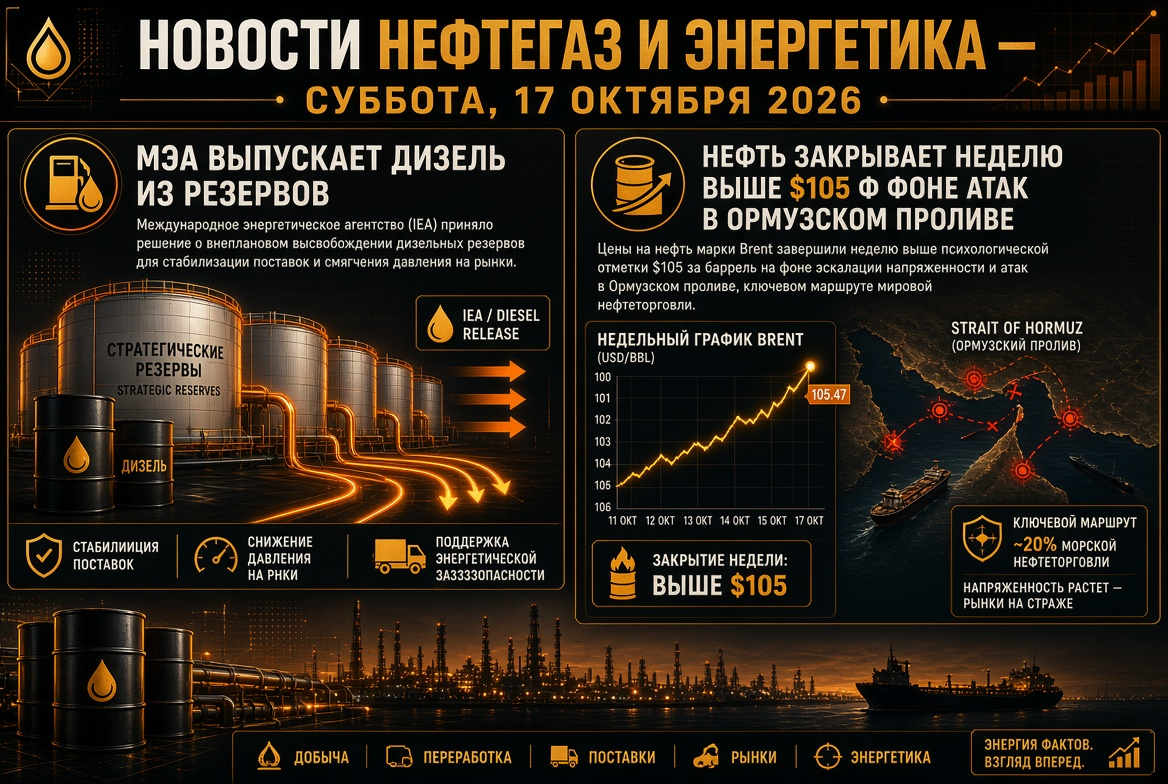
The EIA report on oil and petroleum product inventories in the US is traditionally one of the main weekly benchmarks for the commodity market. For investors in the oil and gas sector, energy companies, oil services, transportation, and currencies of commodity economies, this data will be particularly important.
The focus will be on:
- Commercial crude oil inventories in the US;
- Gasoline and distillate stocks;
- Petroleum refinery utilization;
- US oil production dynamics;
- Oil export and import figures.
A decrease in inventories could support prices for Brent and WTI, especially if accompanied by strong demand for gasoline and distillates. Conversely, an increase in inventories may heighten caution among oil and gas stocks and serve as a negative factor for commodity currencies. For the Russian market, EIA data is significant due to its impact on oil prices, export forecasts, oil and gas revenues, and assessments of companies in the energy sector.
21:00 MSK — FOMC Minutes and Fed Rate Expectations
The minutes from the last FOMC meeting will be the main event of the evening session. Investors will be searching the document for answers to three questions: how concerned is the Fed about inflation, how resilient is the labor market considered to be, and is the regulator inclined to maintain tight financial conditions longer than previously expected by the market.
Special attention should be paid to the following statements:
- Assessment of core inflation and inflation expectations;
- Comments on consumer activity;
- Evaluation of the labor market and wage dynamics;
- Discussion of financial stability risks;
- Positions of FOMC members regarding future rate changes.
If the minutes reveal that the majority of committee members lean towards a more hawkish policy, the US dollar could gain support, and Treasury yields might rise. This would be a pressure factor for the stock market, particularly for companies with high valuations, long duration earnings, and reliance on cheap capital.
Corporate Reports in the US: Levi Strauss, Helen of Troy, AZZ, and PriceSmart
The corporate earnings season on July 8 is not yet at its peak, but several public companies will provide investors with important signals regarding the state of consumer and industrial demand.
Key Reports of the Day:
- Levi Strauss & Co. (LEVI) — Report for the second quarter of 2026. Investors will be monitoring sales in the US, Europe, and Asia, direct sales performance, online channel dynamics, gross margin, and the impact of consumer caution on clothing demand.
- Helen of Troy (HELE) — Report for the first quarter of the fiscal year 2027. This company is essential as an indicator of demand for home goods, beauty, health, and wellness segments.
- AZZ Inc. (AZZ) — An industrial company whose results are noteworthy from the perspective of infrastructure spending, metal processing, protective coatings, and demand from industrial clients.
- PriceSmart (PSMT) — An operator of warehouse clubs in Latin America and the Caribbean. The report is important for assessing consumer activity in emerging markets.
For the S&P 500 index, the day remains relatively calm: major banks, technology mega-caps, and global consumer corporations will begin reporting more actively later on. Nevertheless, early reports can set the tone for expectations regarding margins, pricing strategies, and resilience of demand.
Europe, Asia, and the Russian Market: Where to Find Signals
In Europe, July 8 does not feature a dominant block of reports from the largest companies in the Euro Stoxx 50, thus investors will be more focused on global interest rates, the dollar, oil, and expectations for second-quarter results. Energy, banking, industrial, and consumer sectors will be particularly important for European stocks, as they are most sensitive to capital costs and the dynamics of external demand.
In Asia, attention remains on the Japanese consumer sector and retail-related companies. Fast Retailing, the owner of the Uniqlo brand and one of the notable components of the Nikkei 225, is in focus for investors ahead of its quarterly results. The market is interested in sales trends in Japan, China, Southeast Asia, Europe, and the US, as well as the influence of exchange rates and consumer demand on margins.
In the Russian market, no significant reports from large-cap blue chips in the MOEX stands out on this day. The primary reactions may come from external factors: oil, dollar rates, bond yields, geopolitics, and expectations regarding monetary policy. Key sectors for the MOEX index remain oil and gas, banking, metallurgy, electric power, and consumer companies.
Which Assets Might Be Most Sensitive
Wednesday, July 8, might be a day of increased volatility across several asset classes. Investors should preemptively determine which instruments are most sensitive to the day's events.
- Currencies: New Zealand dollar, US dollar, currencies of emerging markets, and commodity currencies.
- Bonds: US Treasury bonds, European debt, and OFZs reacting to external conditions and risk appetite.
- Oil: Brent and WTI will respond to EIA inventory data, refinery utilization, and petroleum product statistics.
- Stocks: Consumer sector, industrials, oil and gas, and companies with high debt loads.
- Russian Market: Oil and gas stocks, exporters, banks, and dividend stories.
For long-term investors, this day is significant as a check on the macroeconomic picture: whether the risk of higher rates persists, if there are signs of sustained demand for oil, and how well companies navigate through a period of high capital costs.
What Investors Should Focus On
On July 8, 2026, investors should concentrate not on a single metric but on the combination of signals. The RBNZ’s decision will reflect central banks' attitudes toward inflation outside of the US. EIA inventories will provide guidance on physical demand for oil and petroleum products. The FOMC minutes will help determine the evening dynamics for the dollar, yields, and global risk appetite.
Key Checklist for the Day:
- Compare the RBNZ decision against market expectations and assess the tone of the statement;
- Check if the dynamics of EIA inventories align with current oil price movements;
- Evaluate if the FOMC minutes strengthen the scenario of a prolonged period of high rates;
- Review the reports from Levi Strauss, Helen of Troy, AZZ, and PriceSmart as early indicators of demand;
- Monitor the reactions of the US dollar, Treasury yields, Brent, WTI, and the indices of S&P 500, Euro Stoxx 50, Nikkei 225, and MOEX.
The fundamental takeaway for investors: Wednesday, July 8, is a day where macroeconomic events take precedence over the number of corporate reports. If the Fed maintains a hawkish tone and oil sees support from the EIA statistics, the market may shift to a more selective buying strategy: companies with stable cash flow, low debt levels, strong margins, and clear dividend policies could come to the forefront.