Detailed Review of Economic Events and Corporate Reports on December 23, 2025. Focus on - Preliminary US GDP Estimate for Q3, Minutes from the Latest Meeting of the Reserve Bank of Australia, Key Consumer Confidence and Industrial Activity Indicators in the US, as well as Corporate Reports from the US, Europe, Asia, and Russia.
On Tuesday, a significant block of macroeconomic statistics from the US will hit the markets, likely setting the trading direction ahead of the Christmas holidays. Investors are focused on the first official estimate of US GDP for the third quarter of 2025, which was delayed due to a pause in the functioning of American government agencies. In addition to GDP, several indicators – from durable goods orders and industrial production to the consumer confidence index – will provide a comprehensive view of the state of the US economy at the year-end. In the Asia-Pacific region, market participants will scrutinize the tone of the minutes from the Reserve Bank of Australia’s (RBA) last meeting for clues regarding future monetary policy. On the corporate front, a lull is settling in; in the US, only a handful of second-tier companies will present reports, while Europe, Asia, and Russia’s Moscow Exchange are not expected to announce any major new releases. The combination of these factors will shape investor sentiment, which is important for correlating macro data with the outlook for Federal Reserve interest rates, dollar dynamics, commodity prices, and overall risk appetite.
Macroeconomic Calendar (MSK)
- 03:30 — Australia: RBA Minutes.
- 16:15 — US: ADP Employment Indicator (Weekly Report).
- 16:30 — US: Durable Goods Orders for October.
- 16:30 — US: Housing Starts for September.
- 16:30 — US: Q3 2025 GDP (Preliminary Estimate).
- 17:15 — US: Industrial Production for November.
- 18:00 — US: Conference Board Consumer Confidence Index (December).
- 18:00 — US: Richmond Fed Manufacturing Index (December).
- 00:30 (Wed) — US: Weekly Oil Inventory Data (API).
US: Q3 GDP and Economic Dynamics
- Preliminary GDP (Q3 2025): The first estimate of US economic growth for Q3 is expected to clarify how robustly the economy finished the year. A solid annual growth rate (around 3-4%) is anticipated, reflecting recovery from the slowdown at the beginning of 2025. Investors will pay particularly close attention to the structure of GDP: stable household consumption and growth in corporate investments confirm the economy's resilience, while weakness in these areas would signal a potential emerging slowdown. The unusually late publication of the GDP (moved to the end of December due to statistical delays) adds intrigue and could trigger increased volatility in US equity markets and Treasury bond markets.
- Domestic Demand and Inflation: GDP components related to expenditure (personal consumption, capital investments) will be evaluated in light of inflationary trends. If GDP growth is accompanied by moderate core inflation, it will support expectations of a “soft landing” and a potential shift by the Fed to rate cuts in the second half of 2026. However, excessively high rates of economic expansion may heighten concerns about overheating and Fed policy tightening, which could provoke a rise in Treasury yields and bolster the dollar.
- Impact of International Trade and Inventories: Market attention will also focus on the contribution of the external sector and inventory changes to overall GDP dynamics. A significant contribution from exports or a reduction in imports would improve the trade balance, supporting industrial and commodity companies (especially in light of the weakening US dollar in recent months). Conversely, substantial growth in merchandise inventories could signal demand saturation and the risk of production slowdowns ahead. Investors must distinguish between one-off factors and sustained trends embedded in these components to adjust strategies for the beginning of 2026.
Manufacturing Indicators and the US Housing Market
- Durable Goods Orders (October): The indicator of new orders for durable goods reflects corporate capital expenditures and demand for durable goods (from automobiles to equipment). A modest increase in orders is expected following a decline the previous month, indicating a rebound in industrial activity in Q4. Particular focus will be on the core capital goods category, excluding defense and aerospace – a steady uptick in this area signals business confidence and investment plans. For the markets, positive trends in orders will be beneficial for industrial sector stocks and Dow Jones, while weak data may heighten concerns over stagnation in manufacturing.
- Housing Starts: Data on new home starts for September (delayed for publication until December) will show the state of the US housing market amid high mortgage rates. A significant increase in new constructions would indicate partial adaptation by builders and buyers to high credit costs, supporting developer stocks and related industries. Conversely, a continued decline in housing starts would affirm that the housing sector remains under pressure – such a signal might influence the stock prices of construction companies, building materials producers, and indirectly affect the consumer sector (via household wealth effects).
- Industrial Production (November): The Fed's report on the output volume in the manufacturing sector for November will supplement the picture of the state of manufacturing. In October, the manufacturing index rose due to energy, and investors anticipate that this trend will continue or at least stabilize. A crucial detail will be data on the manufacturing sector: an increase in factory output would indicate rising demand and inventory depletion, while a decline would be a concerning sign heading into the new year. Market reactions to this data will manifest in sectoral dynamics in stocks: improved manufacturing output will support the industrial and commodity segments of the S&P 500, while weakness may heighten interest in defensive assets.
Consumer Confidence and the US Labor Market
- Consumer Confidence Index (December): The latest Consumer Confidence Index from the Conference Board will reflect the mood of American households at year-end. A slight improvement is anticipated following a dip in the fall: around the holidays, consumers are traditionally more optimistic due to discounts and bonuses, although high inflation and expensive credit still temper enthusiasm. If the index exceeds expectations, it will send a positive signal to retail companies and the services sector (more spending — higher revenue). A drop in the confidence index may indicate consumer caution and a tendency toward saving, raising investor concerns about economic prospects at the beginning of 2026.
- The Labor Market: ADP Data and Regional Indicators: The weekly ADP employment report will provide an up-to-date assessment of hiring dynamics in the US private sector. Recent publications have indicated a slowdown in new job creation – if this trend continues (with new jobs close to zero or negative), it will align with the broader picture of labor market cooling. On the other hand, consistently positive ADP values signify continued employment strength, supporting consumer spending. Additionally, the Richmond Fed Manufacturing Activity Index for December will help assess the situation at a regional level: growth in the index into positive territory suggests a revival in the manufacturing base in the Southeast US, while a decline would amplify concerns over contraction in the manufacturing sector. Collectively, labor and regional activity indicators will aid in adjusting forecasts for the Fed's upcoming policy decisions, as the Federal Reserve takes labor market cooling into account when shifting policy directions.
- Market Reactions to Consumer and Labor Data: For equity markets, balance is essential: moderate weakening of consumer confidence and hiring may actually please investors, as it lowers the likelihood of new rate increases from the Fed. Excessively weak figures, however, could raise recession fears, negatively impacting the stocks of cyclical companies (retail, automotive, industrial). Optimistic indicators (high Consumer Confidence, strong hiring) will provide short-term support to stocks, especially those geared towards domestic demand, but may provoke bond sell-offs due to fears of “overheating” in the economy. Thus, market participants will seek a middle ground in the incoming statistics, responding in a sector-specific manner depending on the nature of surprises in the data.
Australia: RBA Minutes and the Currency Market
- RBA Rhetoric and Rate Outlook: The minutes from the December meeting of the Reserve Bank of Australia (RBA) will reveal details of discussions among Australian regulators. While the rate is likely to have remained unchanged at the meeting, the tone of the minutes will reflect the balance of opinions: were concerns about economic overheating discussed or have the focus shifted to inflation easing and supporting growth? If the minutes indicate increased concern about GDP and labor market weakness, markets may price in a higher probability of RBA rate cuts in 2026. More “hawkish” tones (emphasis on persistently high inflation and willingness to raise rates if necessary) would be a surprise capable of strengthening the Australian dollar and causing a rise in Australian bond yields.
- Impact on AUD and Regional Assets: The Australian dollar (AUD) and the local ASX 200 index will react to the content of the minutes. A soft, “dovish” protocol (hinting at a long pause or even potential easing of policy) typically weakens the AUD, which is positive for export-oriented sectors of the Australian economy (mining, agriculture). At the same time, this may support the Australian stock market, as low rates enhance equity valuations. Conversely, if it turns out that RBA members maintain a hawkish position, the AUD will gain upward momentum, while stocks in Sydney might dip due to prospects of more expensive credit. Indirectly, signals from the RBA minutes also influence other commodity currencies – the New Zealand dollar (NZD) and the Canadian dollar (CAD) – setting the tone for movements in the currency market during the Asian session.
- Global Central Bank Context: Investors from the CIS and Europe will also pay attention to the Australian minutes, although they will be released early in the morning Moscow time. Australia often serves as a “leading indicator” for monetary trends in developed countries, so a more dovish RBA stance may reinforce expectations that other central banks (such as the Bank of Canada or even the US Fed) will start to ease policy by mid-2026. Consequently, any significant insights from the document will be factored by global market participants while shaping their strategies for the coming year, particularly in the commodity currency segment and related industries.
Corporate Reporting: US and Other Markets
- US (NYSE/NASDAQ): On December 23, no significant reports are expected from major public companies in the US, although several second-tier enterprises will present financial results. Among them is **Limoneira Company (LMNR)** – a California agriculture holding company growing citrus fruits; investors will be watching to see if the company managed to cut losses amid stabilizing prices for lemons and avocados. Also reporting will be restaurant operator **Good Times Restaurants (GTIM)**, which owns regional burger bar chains – the market will be attentive to same-store sales dynamics and the company's measures to maintain margins amid rising costs. Another release for the day will come from **Digerati Technologies (DTGI)**, a small tech holding in cloud infrastructure: shareholders are interested in the results of the recent business reorganization and new management's plans for achieving profitability. Although the scale of these issuers is small, their reports may locally influence narrow sectors (agriculture, dining, telecom) and serve as indicators of the health of small and medium businesses in the US.
- Europe: In European exchanges this Tuesday, an information vacuum prevails – none of the companies in the Euro Stoxx 50 index plan to release financial results on December 23. Ahead of Christmas, business activity in Europe is declining, and investors are shifting focus to external factors, primarily American macro data and currency fluctuations. Some minor issuers might release financial results or operational updates (for example, certain developers or real estate investment funds in the UK and Germany), but these will not have a broad impact on the market. European trading venues are likely to react to overall global sentiment shaped by the US and energy prices.
- Asia: In the Asia-Pacific region, the season for mass corporate reporting has already concluded, and significant publications from companies within the Nikkei 225 or MSCI Asia Pacific indices are not expected on December 23. Most corporations in Japan reported their semi-annual results back in November, with large players only presenting new financial results after the New Year. Chinese and Asian markets on this day will primarily be guided by external signals — American statistics and currency/commodity dynamics. Consequently, the Asian session will be relatively calm in terms of corporate events, allowing participants to focus on macro news and political factors in the region.
- Russia (MOEX): In the Russian stock market, late December traditionally does not offer investors loud reports. The majority of issuers in the MOEX index have already disclosed results for the first nine months of 2025 in the fall, with annual reporting not scheduled until 2026. December 23 might bring some corporate news: several companies are holding board meetings before the holidays. In particular, several large domestic companies are considering interim dividends for the past quarters – any announcement regarding dividends (for instance, for the first nine months of 2025) could locally influence the stock prices of the respective issuer. However, overall, the information landscape on the Moscow Exchange remains calm, and the domestic market will look to external markets and oil prices to determine short-term trends.
Other Regions and Indices: An Investor's Perspective
- Euro Stoxx 50 and European Markets: In the absence of corporate drivers, the attention of European investors will focus on macroeconomic factors. Strong data from the US (especially GDP and consumer confidence) may support the European banking and industrial sectors, signaling sustained demand for exports. Conversely, any signs of a global economic slowdown (if, for instance, US GDP disappoints) would prompt a reallocation of capital into Europe’s defensive assets – bonds, utility stocks, and telecoms. The EUR/USD exchange rate is also in focus: continued strengthening of the euro amid dovish signals from the Fed may pressure Eurozone exporters' stocks, while a stronger dollar will alleviate conditions for European manufacturers. Overall, stock exchanges in Frankfurt, Paris, and London on December 23 will move in response to external news, given the scarcity of internal updates.
- Nikkei 225 and Asian Indices: For Japanese and Asian markets, this Tuesday serves more as a pause ahead of year-end. The Nikkei 225 may respond to fluctuations in the yen’s exchange rate: if US data leads to dollar strengthening, this benefits export-oriented Japanese companies (automotive, electronics), providing support for the Nikkei index. On the Chinese and other Asian stock markets, investor sentiment will be shaped by a combination of factors: the RBA minutes set the tone for the Australian and regional banking sectors, commodity prices (oil, metals) influence commodity companies, while Nasdaq dynamics could affect technology stocks in Asia. In general, there are few significant local events, so Asian indices will act as a “barometer” of global risk – an increase in risk appetite will push them up, while risk aversion due to weak data will pull prices down.
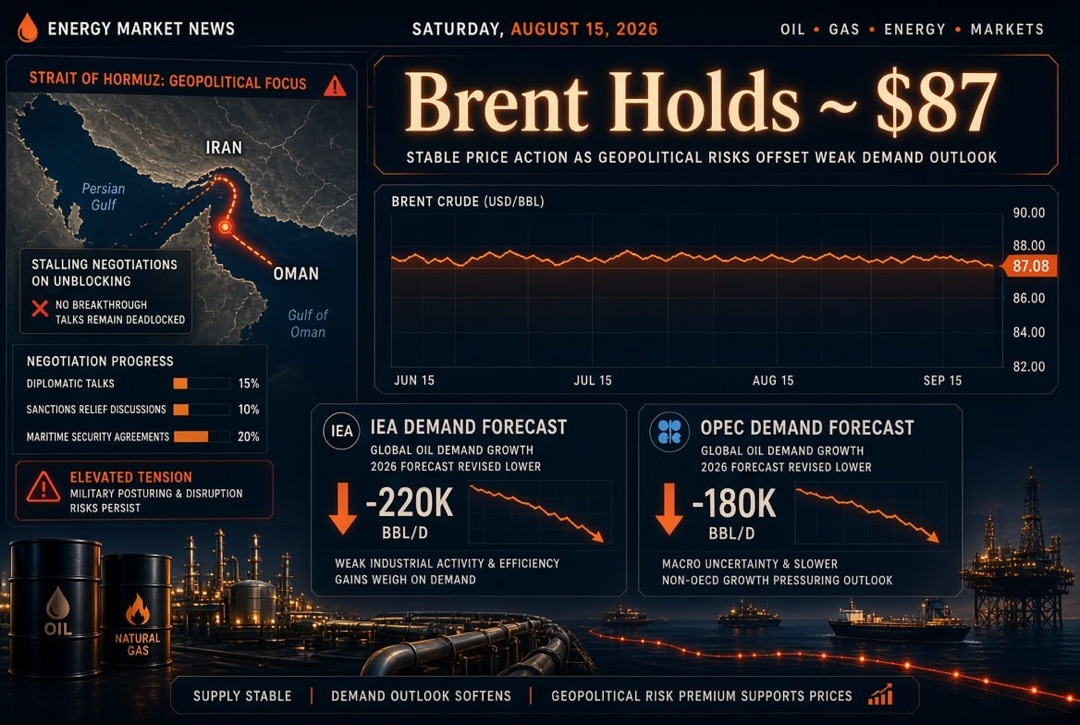
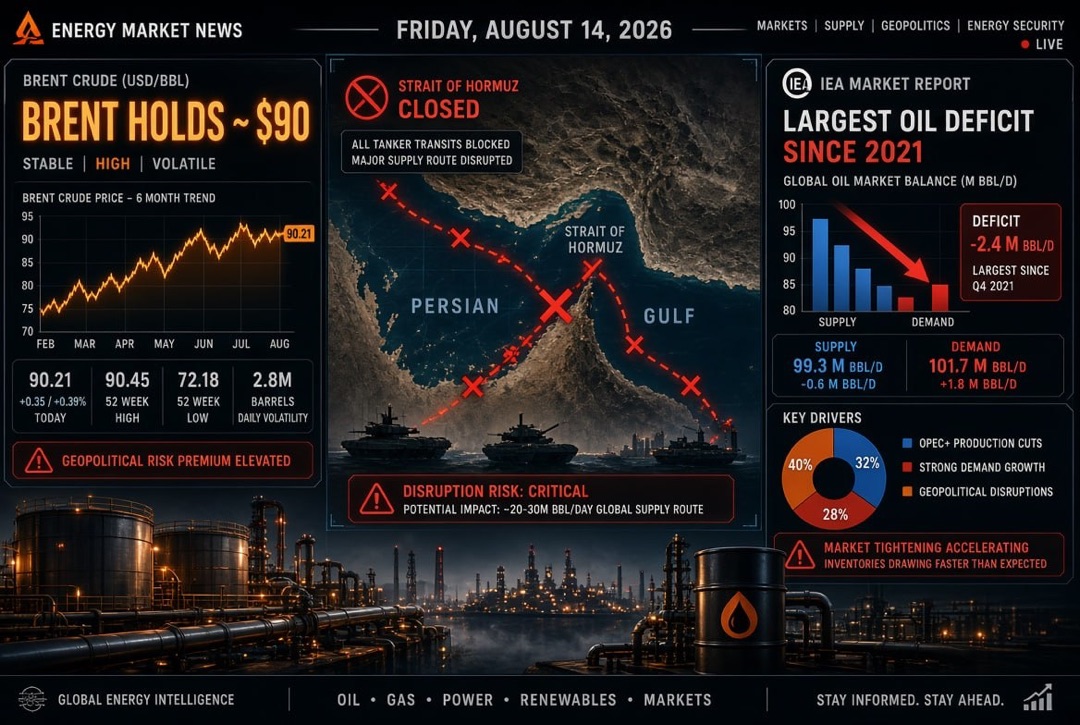
- Russian Market (MOEX): Domestic indices IMOEX and RTS, in the context of a calm internal news backdrop, will look to global trends and the dynamics of oil prices. Any significant fluctuations in oil prices, linked to the API report or demand expectations, are quickly reflected in the stock prices of the oil and gas sector, which holds a significant weight in the Moscow Exchange index. If Brent crude oil remains at high levels (for instance, around $80-85 per barrel) due to declining inventories and optimism regarding demand, this will support Russian energy blue chips and the ruble. Conversely, weakness in the commodity market will exert pressure on Russian equities. Additionally, external signals from the US Fed and ECB (in the context of GDP and inflation data) may affect investor sentiment in the RF through the global risk appetite channel: improved external conditions will heighten demand for risky assets, including Russian stocks, while rising concerns will lead players to reduce positions in emerging markets.
Day's Summary: Key Points for Investors
- US GDP and Orders: The key factor for the day is the publication of US GDP for Q3 2025. Growth exceeding expectations (above ~4%) could prompt a revision of Fed rate forecasts, leading to simultaneous increases in bond yields and support for cyclical stocks. Simultaneously, we will monitor durable goods orders: robust growth in these orders will affirm the trend toward recovering investment activity, whereas weakness in the indicator may heighten concerns for the industrial sector.
- Consumer Sentiment: The December consumer confidence index and associated data (retail sales, if available) will indicate direction for consumer goods and services companies. Investors should assess whether households maintain their willingness to spend amid high living costs. Any signs of cooling consumer demand signal caution regarding retail chains, auto dealers, and travel companies, while unexpected growth in optimism could uplift their stocks.
- RBA Minutes and Currencies: The morning outcomes of the RBA meeting may set the tone for currency market trading on Tuesday. If the protocol turns out to be softer than expected, we can anticipate a decline in AUD and NZD, which will impact commodity prices (through a reduction in production costs) and currency pairs in emerging markets. For investors in global assets, the signal from the RBA serves as further confirmation (or denial) of the beginning of a cycle of policy easing worldwide. It's also essential to consider the ruble's exchange rate: changes in oil prices and overall risk appetite, shaped by today's external events, may influence the ruble, impacting the local debt and equity market in Russia.
- Oil and Commodity Markets: The combination of day news directly affects the commodity segment. The late evening API report will provide a preliminary assessment of the US oil market – significant reductions in oil or gasoline inventories will support rising oil prices, while an unexpected increase in inventories may trigger a downward correction. Investors in the oil and gas sector should predefine target price ranges and potential protective positions, considering that before the Christmas holidays, liquidity diminishes and price volatility may be sharper than usual. Attention should also be paid to industrial metals: data from China will not be released on this day, so metals will primarily react to US industrial numbers and overall risk appetite.
- Risk Management Ahead of the Holidays: December 23 combines high statistics density with the approach of a low-liquidity holiday period. Investors are advised to exercise caution: volatility may increase due to the reduced number of active participants. It would be prudent to set levels upfront at which positions will be revised or hedged, use stop orders to protect profits, and avoid excessive leverage. As we conclude the trading day and effectively the entire year, it makes sense to lock in results and rebalance the portfolio, preparing for the New Year holidays with a well-thought-out plan for January 2026.