Economic Events and Corporate Reports for Saturday, January 3, 2026: A Global Macroeconomic Overview, Stock Market Status in the US, Europe, Asia, and Russia, Key Guidelines for Investors
Saturday, January 3, 2026, is expected to be an exceptionally quiet day on global financial markets. The New Year celebrations continue, and on this holiday, almost all major exchanges remain closed. There are no significant economic publications scheduled, leaving investors without new reference points. The corporate sector is also experiencing a lull—the main company reports will not appear until later in mid-January. Nonetheless, market participants remain alert: any unexpected news, especially from the upcoming OPEC+ meeting, could influence sentiments ahead of the trading week opening.
Macroeconomic Calendar (UTC)
- Australia: S&P Global Services PMI for December, as well as the composite PMI index, is expected to be released throughout the day.
- No other important macroeconomic data is scheduled for today: most countries are not publishing statistics due to the holiday. The first wave of economic indicators for the new year will begin next week in the US, Europe, and Asia.
Trading Sessions and New Year's Holidays
- Exchanges are closed: all major global markets are not operational this Saturday, as it is a public holiday for global financial markets.
- Continuation of holidays: many stock markets (including the US and Europe) have concluded a shortened festive week and will resume full trading only on Monday, January 5.
- Russian markets: the Moscow Exchange (MOEX) continues its New Year holidays (trading is suspended until next week), the St. Petersburg Exchange is also closed on January 3 due to the public holiday.
- Middle East: exchanges in several Gulf countries traditionally do not trade on Saturdays and will open tomorrow, January 4, commencing their first trading session of the new year.
Global Markets and Indices
- US (S&P 500): US markets remain closed for the holiday. Following the first trading day of the new year, US investors are evaluating the prospects for the start of 2026; attention is shifting to upcoming macroeconomic events—including the release of the ISM Business Activity Index at the beginning of the week and the crucial Non-Farm Payrolls report on January 9. Additionally, the market is looking for signals ahead of the upcoming corporate earnings season.
- Europe (Euro Stoxx 50): European exchanges are also non-functional during the weekend; key indices in the region have passed through the holiday period without significant changes. European investors are focused on the market reopening on January 5 and forthcoming data on the EU economy (inflation, business activity), along with external factors such as oil price dynamics and the euro/dollar exchange rate.
- Asia (Nikkei 225): Major markets in the Asia-Pacific region are on pause due to the holiday. In Japan, the New Year celebrations are wrapping up (Tokyo Stock Exchange trading will resume next week), while Chinese and several other Asian exchanges are also closed. Regional investors are meanwhile monitoring external factors and preparing for the resumption of trading on Monday.
- Russia (MOEX, RTS): Trading is not taking place on Russian markets due to ongoing New Year holidays. The ruble and MOEX indices are currently stable amid low activity, but as the market returns post-holidays, they will once again react to external drivers—primarily fluctuations in oil prices and geopolitical factors. The primary activity on MOEX is expected to recover in the second week of January.
Corporate Reports
- Company reports: Due to the holiday, there are no financial results published by major companies today. Most issuers from the S&P 500, Euro Stoxx 50, and Nikkei 225 will report for the fourth quarter only in the second half of January when the main earnings season begins.
- US Market: The first reports from American corporations will traditionally appear in mid-January, starting with leading banks and tech giants. Investors are looking for initial signals regarding the financial outcomes of 2025 and forecasts for 2026.
- Europe and Asia: Similarly, major European and Asian companies will present their quarterly results closer to the end of January or in February. Currently, attention in these regions is more focused on the macroeconomic environment and forecasts rather than corporate reports.
- Dividends and announcements: The start of the year sometimes brings news about dividends or strategic plans from individual companies. However, during the New Year holidays, such corporate news is scarce. Investors should monitor company press releases in the coming days—key dividend dates and plans for the year may be announced shortly after the holidays.
End-of-Day Summary: What Investors Should Pay Attention To
- Low liquidity and volatility. Holiday weekends are accompanied by decreased trading volumes; with limited activity, even singular news can trigger disproportionately sharp market swings. It is important for investors to act cautiously: manage risks and avoid making large transactions until normal liquidity is restored.
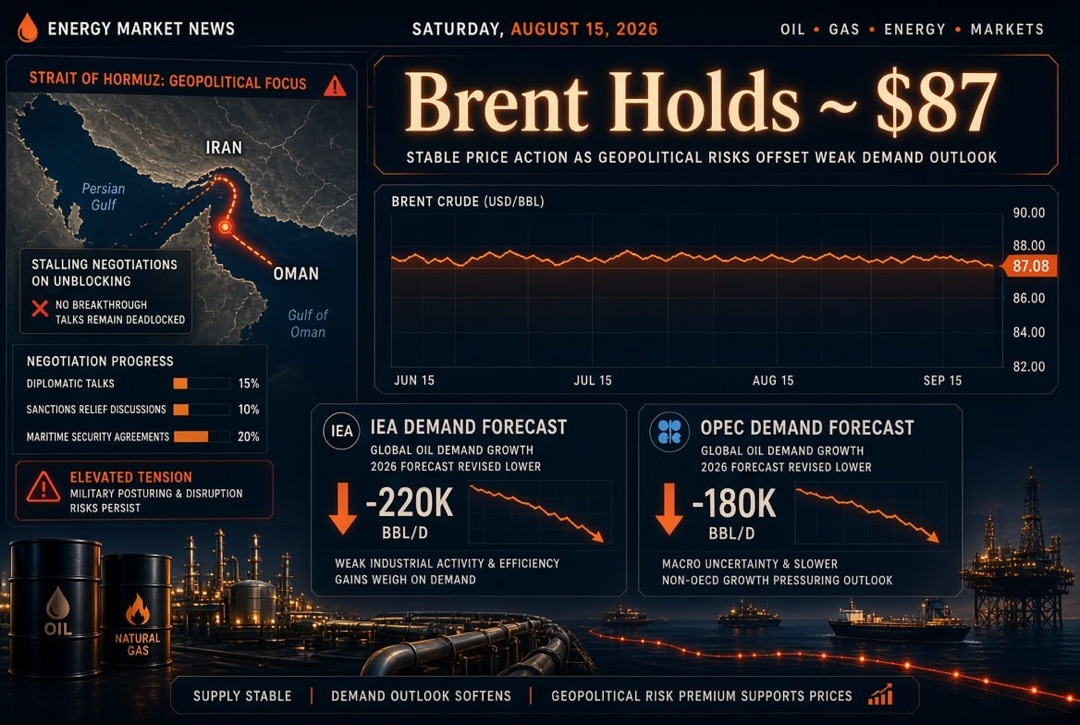
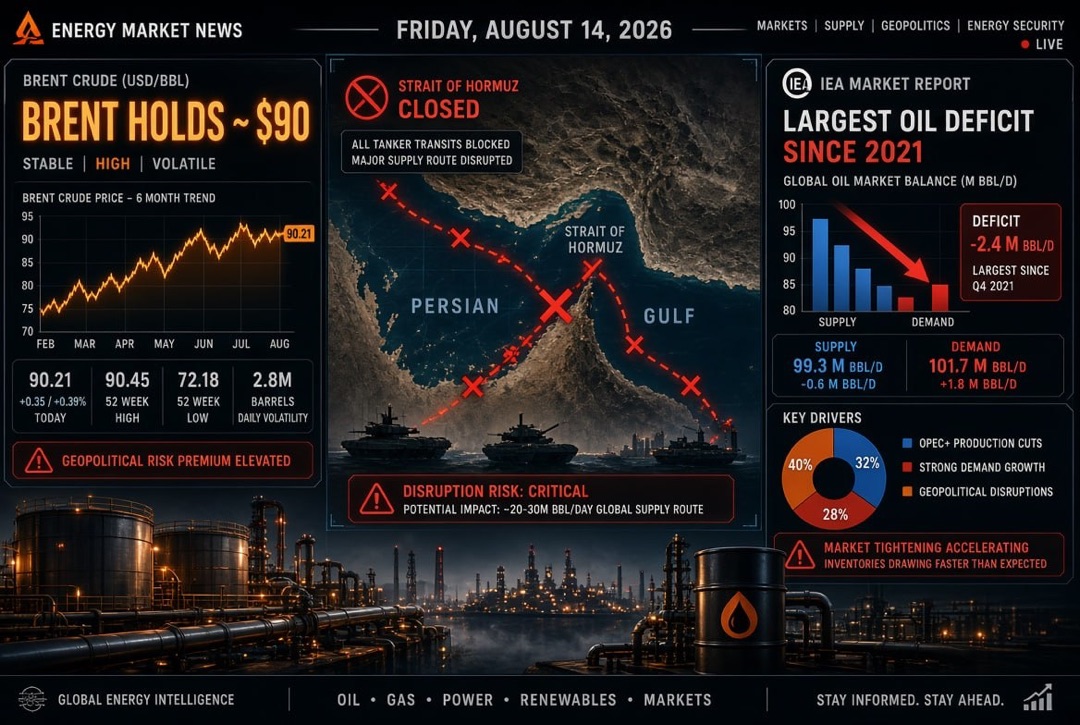
- OPEC+ and oil prices. On Sunday, January 4, there will be a meeting of OPEC+ members, after which it will become clear whether oil production quotas will remain unchanged. Any unexpected decision could lead to significant price movements in oil at the beginning of the year. Consequently, the energy sector and currencies of commodity-producing countries (including the Russian ruble) will respond to the outcomes of this meeting on Monday.
- Earnings season kickoff. Although there are no major corporate releases today, the earnings season will begin in just a couple of weeks, when the largest banks, IT companies, and industrial corporations will start publishing their results for the fourth quarter. Expectations and preliminary assessments of these reports will gradually be factored into stock prices—investors should preemptively consider possible surprises in corporate earnings.
- Macroeconomic backdrop and policy. The absence of significant statistics over the weekend means that the first trading days of the new year will be particularly reliant on the news backdrop. At the beginning of the week, markets will receive a portion of data (e.g., services sector activity indices from various countries) and may see the release of minutes from recent central bank meetings. Moreover, any statements from politicians or sudden geopolitical events could influence investor sentiments. In these conditions, conservative strategies remain relevant—diversifying assets and a measured approach to risk will help protect the portfolio in case of unexpected volatility.
This overview presents key guidelines for investors on January 3, 2026. In the context of minimal market activity, it is crucial to maintain vigilance: closely monitor news over the weekend, the dynamics of key indices upon the market's reopening, and the forthcoming economic publications to make informed investment decisions.