Economic Events and Corporate Reports Overview for March 29, 2026, with a Focus on Oil, Inflation, and Market Expectations Ahead of the New Week
Sunday, March 29, 2026, may not seem like a day bustling with traditional macroeconomic statistics from the U.S. and Europe; however, it remains a strategically important moment for global markets. Investors are wrapping up the first quarter amid heightened volatility, reassessing their expectations regarding inflation, interest rates, and the pace of the global economy, while preparing for a busy week ahead that will foreground business activity, inflation in Europe, the U.S. labor market, and a series of corporate reports from the U.S. and Asia.
For the investment community in the CIS, the focus shifts from intraday statistics to evaluating the global backdrop: the dynamics of oil prices, bond yields, currency markets, quarterly portfolio rebalancing, and upcoming corporate announcements. Such days often set the market's direction for Monday and establish the tone for the entire first week of the new quarter.
Main Market Context: Quarter-End and Increased Tension in Global Assets
The end of March is characterized by a vigorous reassessment of global risk. Major U.S. stock indices have entered a corrective phase, while rising oil and gas prices intensify pressure on inflation expectations and bond yields. For investors, this means a pivot from the previous narrative of gently declining rates towards a more intricate combination: high energy costs, sluggish business activity, and increased uncertainty in monetary policy.
- The rise in oil prices amplifies inflation risks for the U.S., Europe, and Asia's import-dependent economies.
- Increasing bond yields pressure the valuations of the technology sector and growth companies.
- The quarter-end raises the likelihood of sharp movements due to large fund rebalancing and repositioning by institutional investors.
- For commodity markets and currencies of energy-exporting countries, the external context remains relatively more resilient than for the broad equity market.
Practically, Sunday becomes a day for portfolio adjustments ahead of the new week rather than a day for reacting to a single specific release.
Macroeconomic Calendar: Key Highlights for Sunday and Market Preparations
On March 29, there is no comparable block of releases on the scale of the U.S. CPI, the FOMC meeting, or European inflation. However, this makes the day particularly significant for preparing for upcoming publications. The market is already pricing in a series of macro-signals expected in the coming trading sessions, which will set the stage for the second quarter.
- Monday–Tuesday: Investors continue to assess March business activity indicators and prepare for inflation data from the Eurozone.
- Wednesday: The release of the ISM Manufacturing PMI in the U.S. and new PMIs from China is anticipated, which is critical for cyclical sectors, commodities, and industry.
- Friday: The U.S. market will focus on the March employment report, which will be one of the key macro benchmarks for the week.
Thus, Sunday serves as an intermediary window between a volatile quarter-end and a new wave of data that could alter expectations regarding rates and global economic growth.
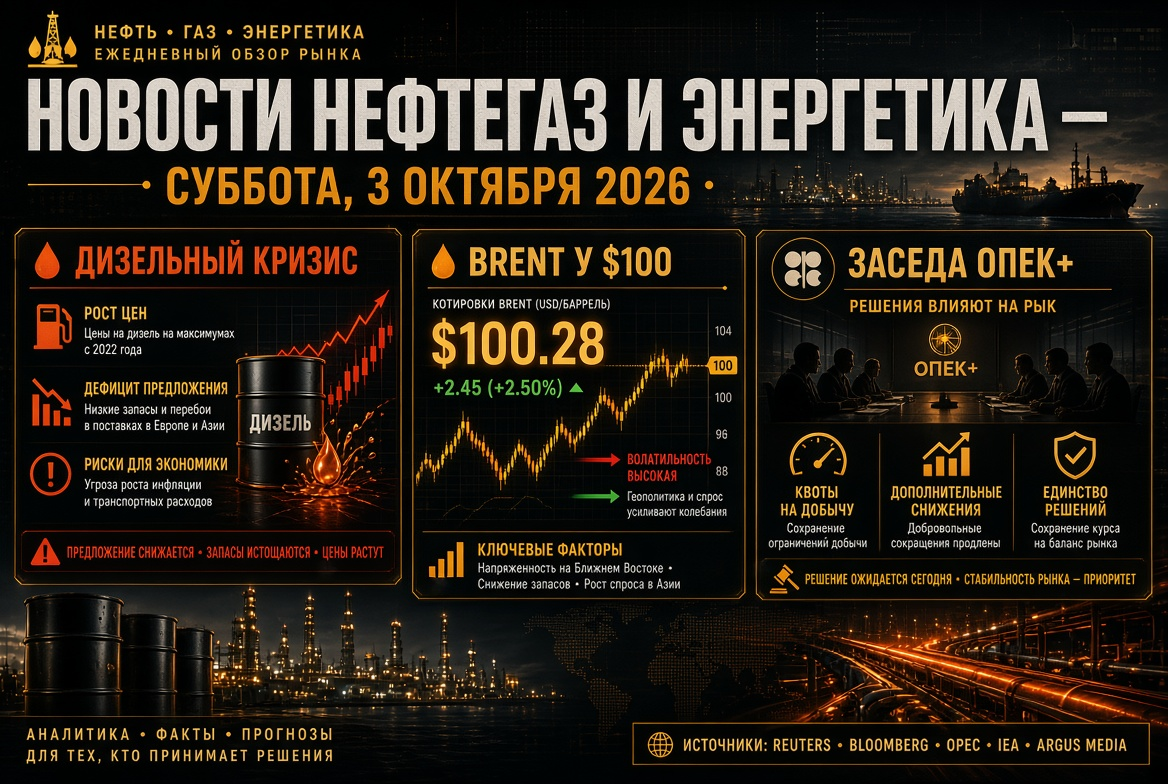
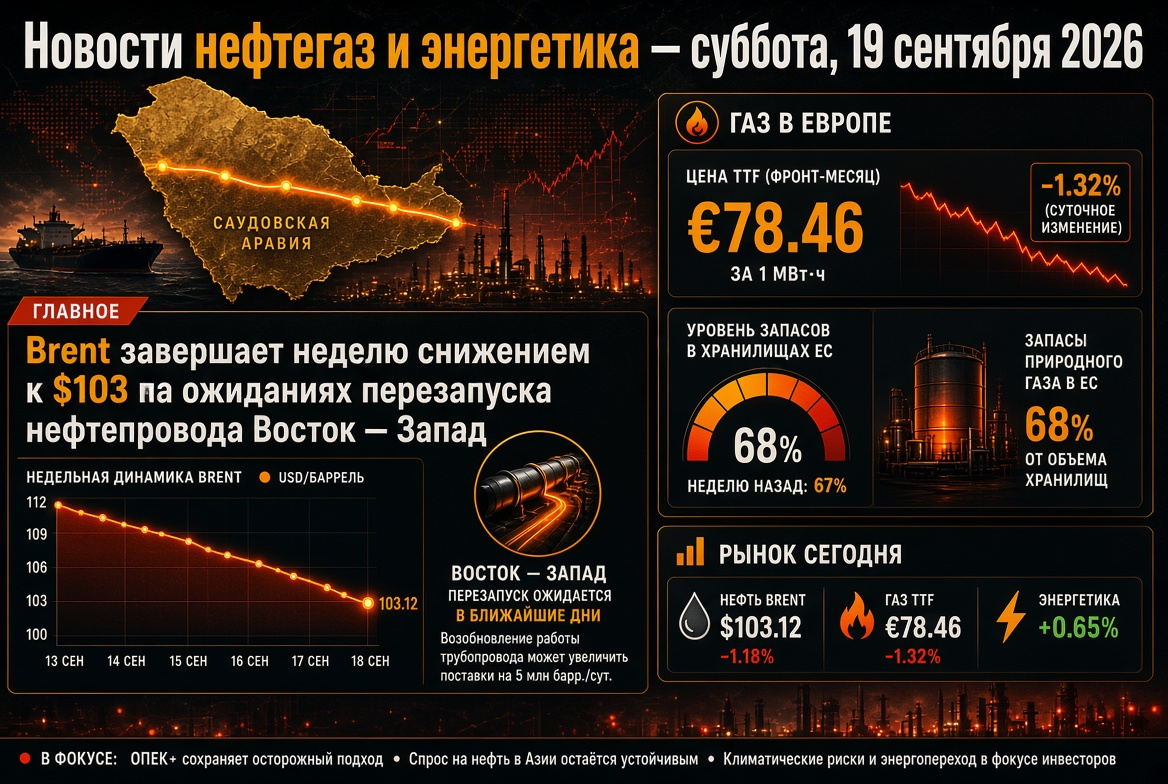
Oil, Gas, and Commodities: Why the Energy Factor Dominates
For the global market, the key macro-factor remains energy. The surge in oil and gas prices sharply increases the likelihood of renewed inflation acceleration, particularly in the transportation, industrial, and consumer segments. This is especially crucial for investors oriented towards the global environment, as the energy shock simultaneously impacts:
- The margins of industrial companies and carriers;
- Inflation expectations and sovereign bond yields;
- The exchange rates of commodity importers and exporters;
- The valuations of growth stocks sensitive to discount rates.
In this context, the oil and gas sector, commodity traders, fertilizer producers, certain metallurgists, and companies with strong cash flows appear markedly stronger than highly valued market segments. For investors, this means a need to look not only at the index as a whole but also at inter-sector capital rotation.
The U.S.: Corporate Agenda for Sunday and the Upcoming Session
The American corporate calendar for Sunday remains rather sparse. No major publications from S&P 500 companies are scheduled for March 29, which is typical for a weekend. However, investors are already preparing for the upcoming week’s reports, as these will begin to shape expectations ahead of the full quarterly reporting season.
In the immediate focus for the U.S. are:
- Nike — one of the key consumer reports of the week, which will provide insights into the strength of global demand, consumer behavior, and margins amid expensive logistics and raw material costs.
- Progress Software — an indicator of demand for corporate software and the resilience of IT budgets.
- McCormick, FactSet, PVH — important benchmarks for assessing consumer demand, the data market, and the retail sector.
For the American market on March 29, the significance lies not in the reports being released that day but in the anticipation of results from the first notable issuers of the week and the ensuing reaction in a market already experiencing weakened sentiment.
Europe: Cautious Mode and Focus on Inflation
In Europe, Sunday also passes without a dense block of major corporate releases from Euro Stoxx 50. For European investors, the macro-linkage is now more significant than individual reports: rising energy prices, cooling business activity, and the approaching publication of the flash estimate of Eurozone inflation for March.
This results in several practical conclusions:
- The banking and energy sectors in Europe maintain relative resilience amidst high energy costs and rising rates.
- Industrials and cyclical companies are sensitive to any new signals regarding demand and costs.
- Ahead of the Eurozone inflation release, investors will be cautious in positioning themselves in the bond market and interest-sensitive stocks.
Therefore, the European portion of Sunday’s agenda focuses more on preparations for a new wave of macro-evaluation of capital costs than on corporate earnings.
Asia: The Most Significant Region on the Sunday Corporate Calendar
While Sunday appears relatively calm in the U.S. and Europe, Asia's corporate block, particularly in China, is considerably more dynamic. International calendars note sporadic publications on the Sunday itself, with a much denser stream of significant reports from major Asian issuers scheduled for Monday, March 30.
For investors, the following companies are of particular significance:
- Yonyou Soft — a notable Chinese technology issuer reflecting the state of corporate IT demand in China.
- Bank of China — one of the world’s largest banks and an important indicator of the state of the Chinese financial system.
- Agricultural Bank of China — a key bank for evaluating lending, margins, and asset quality in China.
- BOC Hong Kong — an important benchmark for the financial sector in Hong Kong and cross-border capital flows.
- PetroChina — one of the key global oil and gas players, significant for assessing energy demand and profits in the commodity sector.
- China Shenhua Energy — a gauge of the coal generation and energy market in China.
- Asahi — a notable Japanese consumer issuer, important for assessing domestic demand and margin dynamics.
For the global environment, this means that it is Asia that sets the most substantial corporate momentum at the transition from March 29 to 30. Results from banks, energy, and industrial companies in China will be vital not only for the local market but also for assessing the global credit and commodity cycle.
Russia and MOEX: What CIS Investors Should Consider
For the Russian market, March 29 tends to be more a day of external assessment rather than a culmination of internal reporting. With limited liquidity in the classic stock market due to the weekend calendar, the primary focus turns to external factors: oil, currencies, rate rhetoric, and global index dynamics.
For investors oriented toward MOEX and Russian public companies, it is advisable to monitor the following factors:
- The reaction of oil to geopolitics and inflation expectations;
- The behavior of Asian markets ahead of the new week's opening;
- The readiness of global investors to take risks amid quarterly rebalancing;
- Potential reevaluations of shares in exporters, oil and gas, metallurgy, and the financial sector.
From a capital management perspective, it is the external market that is currently conveying a stronger signal to Russian investors than the local Sunday corporate agenda.
Key Corporate Reports to Watch in the Upcoming Trading Wave
Although March 29 itself is not rich in major publications, investors should proactively compile a list of issuers likely to impact the global market within the first sessions of the new week.
- Bank of China and Agricultural Bank of China — for assessing the resilience of the Chinese banking sector.
- PetroChina — for understanding the current state of oil and gas profits amid the energy shock.
- BOC Hong Kong — for analyzing financial flows via Hong Kong.
- Nike — for assessing global consumer demand.
- Progress Software and FactSet — for understanding the sustainability of corporate spending on technology and data.
- McCormick and PVH — as indicators of consumer inflation and the state of the retail sector.
This selection encompasses banking, commodities, consumer, and technology sectors, thereby covering the areas currently shaping the sentiment of the global investment landscape.
Conclusion: What Investors Should Focus On
Sunday, March 29, 2026, marks a day not of individual loud macro-releases but of strategic realignment of expectations. Investors need to look at the market through several interrelated blocks:
- First, the quarter's end amplifies the role of technical capital flows and portfolio rebalancing.
- Second, the oil and gas factor remains the primary driver of inflation risks and yields.
- Third, the Asian corporate agenda becomes more significant than the American one at the transition from Sunday to Monday.
- Fourth, the upcoming releases regarding PMI, Eurozone inflation, and U.S. employment have the potential to swiftly alter market trajectories at the start of the new quarter.
- Fifth, for CIS investors, it is critical to track the global environment: oil, the dollar, bond yields, Chinese reports, and the behavior of American indices.
The main takeaway for investors is straightforward: March 29 is a day for preparing for movement, not for final answers. Those who accurately assess the interplay of "energy - inflation - rates - earnings" will find themselves in a stronger position at the start of the new week and the new quarter.