Key Economic Events and Corporate Reports on Wednesday, January 7, 2026: Eurozone Inflation, U.S. Labor Market, ISM Index, Oil Inventories, and Reports from Major U.S., European, and Asian Public Companies.
On Wednesday, January 7, 2026, investor attention will be focused on significant macroeconomic data and the first corporate reports of the new year. Despite the closure of the Moscow Exchange and the Kazakhstan Stock Exchange due to the Christmas holiday, global markets will receive several important signals. The key events of the day will include the publication of inflation figures in the Eurozone, U.S. labor market indicators and business activity indexes, as well as financial results from several large companies. These events could set the tone for global markets and assist investors in adjusting their strategies.
Macroeconomic Statistics
- Japan — Services Purchasing Managers Index (PMI, December) — 03:30 MSK
What it means: This indicator reflects the state of Japan's services sector. A PMI value above 50 indicates expanding activity. A strong index could signify robust domestic demand and bolster sentiment in Asian markets, while a decrease would suggest an economic slowdown. PMI data influences expectations regarding the Bank of Japan's policies and the dynamics of the yen. - Eurozone — Consumer Price Index (CPI, December) — 13:00 MSK
What it means: The inflation rate in the Eurozone plays a critical role in guiding the European Central Bank's future actions. If annual CPI comes in above expectations (near or above the target of ~2%), it may heighten expectations for a tightening of ECB policy and strengthen the euro. Conversely, lower inflation would weaken the euro's position and lessen pressure on the regulator to raise rates. - U.S. — ADP Employment Report (Private Sector, December) — 16:15 MSK
What it means: The ADP report provides a preliminary estimate of employment growth in U.S. private companies and often sets the tone ahead of the official labor market data. A substantial job addition from ADP would signal a strong labor market, potentially raising expectations for a more aggressive Federal Reserve policy and temporarily cooling risk appetite. A weak report would indicate hiring slowdowns, easing inflation concerns and supporting the U.S. stock market. - U.S. — Orders for Durable Goods (October) — 18:00 MSK
What it means: This indicator reflects the volume of new orders for manufactured goods in the U.S. A decline in orders may signal a cooling industrial sector and reduced business activity, negatively impacting the industrial index and related stocks. Conversely, an increase would indicate robust demand for products and support for the industrial sector, enhancing economic outlook. - U.S. — Job Openings (JOLTS, November) — 18:00 MSK
What it means: The JOLTS indicator reflects labor demand in the U.S. economy. An increase in job openings demonstrates strong demand for workers and a robust labor market, which might sustain wage growth and keep inflation elevated. Conversely, a decrease in openings would signal a cooling labor market, easing wage and inflation pressures, positively perceived by bond and stock markets. - U.S. — ISM Services PMI (December) — 18:00 MSK
What it means: The ISM Services PMI captures the condition of the largest sector of the U.S. economy—services. An index value above 50 indicates expanding activity. A high PMI would signal continued economic growth in services and bolster investor confidence, potentially driving stock indices upwards. If the index slows relative to the previous month, it could raise concerns about GDP growth rates and dampen market optimism. - U.S. — EIA Oil Inventories — 18:30 MSK
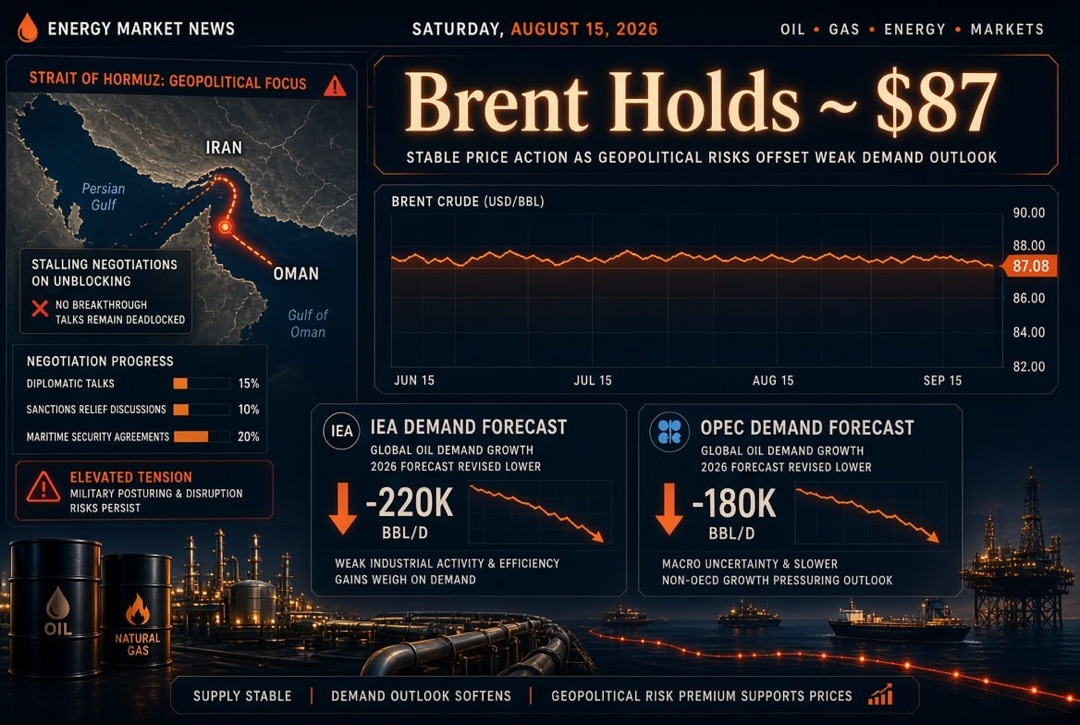
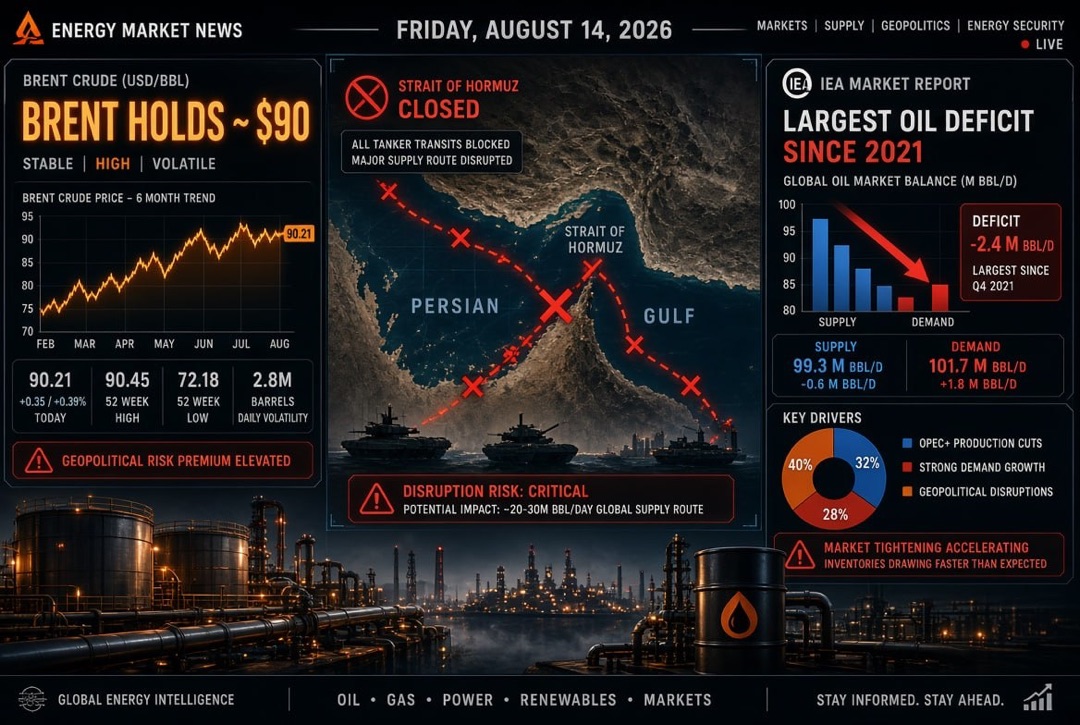
What it means: The weekly report from the Energy Information Administration (EIA) on oil inventories illustrates the balance of supply and demand in the U.S. oil market. A reduction in commercial oil inventories typically indicates higher demand or lower production, supporting oil price increases and shares in the oil and gas sector. Conversely, an increase in inventories could indicate potential oversupply or weakening demand, exerting downward pressure on oil prices and consequently on oil company shares.
Corporate Reports
On this day, major financial results will primarily come from U.S. companies, while large public issuers in Europe and Russia remain outside the information spotlight due to the New Year holidays. In Asia, several mid-sized companies will also report, offering a local perspective on economic trends.
- Constellation Brands (NYSE: STZ) — Quarterly Earnings Report
What it means: Constellation Brands, a major alcoholic beverage producer (including Corona beer and wine), will report its financial results for the last quarter. The company's metrics will serve as an indicator of consumer demand in the beverages sector. Investors will pay particular attention to sales dynamics and business margins. Strong results and a positive forecast may support shares of Constellation Brands and the broader consumer goods sector, while weak sales or a cautious outlook may point to potential declines in consumer activity. - Jefferies Financial Group (NYSE: JEF) — Quarterly Financial Results
What it means: Jefferies will be one of the first U.S. financial companies to release its earnings in the new year. Its figures in investment banking and trading will provide early signals about the health of the financial sector at the end of 2025. An uptick in investment banking and trading revenues will indicate revived business activity on Wall Street, which bodes well for shares of banks and brokers. Conversely, weak results may cause concern for investors ahead of upcoming reports from major banks, signaling challenging capital market conditions in the fourth quarter. - Albertsons Companies (NYSE: ACI) — Quarterly Earnings Report
What it means: Albertsons, a major American supermarket chain, will present sales and profit data reflecting consumer behavior in the food market. Investors will assess how food price inflation and competition from retail giants and online retailers (e.g., Walmart and Amazon) have impacted Albertsons' revenue and margins. Strong sales, steady store traffic, and cost control may boost retailer shares, while weak results could indicate heightened competition or diminished purchasing power. - Cal-Maine Foods (NASDAQ: CALM) — 2nd Quarter 2026 Fiscal Year Report
What it means: Cal-Maine Foods — the largest egg producer in the U.S. — will release its financial results, closely tied to volatile egg prices and feed costs. Last year, the company benefited from record egg prices due to a shortage stemming from avian flu, and investors will be keen to see how price normalization has affected sales and profits. Results from Cal-Maine will reflect the state of the food market: high profitability will confirm sustained demand alongside managed costs, while declining profits may indicate a return of prices and margins to more typical levels, which is crucial for assessing prospects in the agricultural and food sectors. - PriceSmart Inc. (NASDAQ: PSMT) — Quarterly Financial Report
What it means: PriceSmart, an American company operating a chain of warehouse clubs in Latin America and the Caribbean, will publish quarterly results. Its performance will provide insight into consumer demand in emerging markets. Growth in comparable-store sales and stable profits will indicate a healthy economic state in the regions of operation, despite currency fluctuations. A drop in sales or profits could signal local economic challenges or weakening consumer activity in emerging markets. - UniFirst Corporation (NYSE: UNF) — Quarterly Earnings Report
What it means: UniFirst — a provider of uniforms and textile services for businesses — will report financial results that act as an indirect barometer of business activity. Growth in UniFirst's revenues will suggest an expanding client base and increased staffing among its corporate clients, typically occurring during economic upturns. Conversely, declining revenues may indicate a slowdown in hiring and economic activity in the sectors where its services are utilized (industry, services, logistics). Investors will evaluate how economic trends impact the demand for UniFirst's services. - Apogee Enterprises (NASDAQ: APOG) — Publication of Quarterly Financial Results
What it means: Apogee Enterprises specializes in architectural glass and facade systems for construction. Its financial results will reflect the state of the construction sector, particularly in commercial real estate. An increase in new order volumes and solid profit figures will signal sustained demand for construction projects and investments in real estate, which is positive for the industry. If the company reports a decline in orders or profits, it may indicate a slowdown in construction activity or deferrals of major client projects, raising red flags for the real estate market and materials manufacturers. - Yoshinoya Holdings (TYO: 9861) — Results Report from Japan
What it means: The Japanese company Yoshinoya, which owns a fast-food restaurant chain of the same name, will announce its financial results. Although the scale of the business is predominantly national, Yoshinoya's reporting will provide insight into trends in domestic consumption in Japan and the impact of inflation on consumer spending. Growth in the company's sales and profits will indicate robust consumer demand and effective pricing strategies, positively impacting the Japanese retail sector. A decline in metrics might reflect consumer caution or rising costs, reminding investors of the influences of inflation and wages on business in the region.
Trading Venues
- The Russian markets (Moscow Exchange) and the Kazakhstan Exchange are closed on this day due to Orthodox Christmas celebrations.
- The Saint Petersburg Exchange operates as usual, providing access to foreign stock trading for Russian investors despite the official holiday in the Russian Federation.
What Investors Should Focus On
- Eurozone Inflation Data: CPI levels will impact expectations regarding ECB rates and euro dynamics in the currency market.
- U.S. Labor Market and Services Statistics: The ADP report, JOLTS vacancies, and ISM PMI will collectively shape the economic outlook for the U.S. Unexpectedly strong or weak data could significantly shift sentiment in the stock market and expectations regarding Federal Reserve actions.
- Oil Market: The EIA oil inventory report will serve as guidance for energy resource prices. Any significant changes in oil inventories will immediately affect oil prices and shares of commodity companies.
- Corporate Reports: Results from Constellation Brands, Jefferies, and other companies will provide insights into the state of key industries (consumer sector, finance, retail). Special attention should be given to their forecasts: optimistic guidance may support growth in corresponding shares and sectors, while disappointments could trigger sell-offs.
Wednesday, January 7, 2026, is rich in both macroeconomic and corporate events of global scale. For investors from the CIS countries, despite local holidays, it is crucial to stay attuned to global news. The published data on inflation and employment will provide new benchmarks for interest rate expectations and the overall economic landscape, while the first corporate reports will shed light on business sentiments across various sectors. Considering the influence of each of these factors on global markets, participants in trading should timely evaluate risks and opportunities to adjust their investment strategies as needed.