In-Depth Review of Economic Events and Corporate Reports for Wednesday, December 24, 2025. Christmas Eve: Bank of Japan Protocol, US Jobless Claims, EIA Oil Report, Inflation Data from Russia.
On Wednesday, global markets welcome Christmas Eve with a mixed performance: some exchanges are closed, while trading in the US and several countries will be cut short to half-day sessions. Nevertheless, important economic events remain on the agenda. In Asia, investors are watching the protocol from the latest Bank of Japan meeting, which could shed light on future monetary policy direction following a historic rate hike. In the US, the key release of the day will be the weekly initial claims for unemployment benefits—a labor market indicator that is published during the holiday period. In the commodities market, attention is focused on the US Energy Information Administration (EIA) oil inventory report, which traditionally sets the short-term tone for oil prices. In Russia, industrial production and consumer inflation data will be released closer to the evening, helping to assess the state of the Russian economy at year-end.
Global corporate reporting is currently experiencing a lull: in the US and Europe, there are no significant releases due to the holidays, while in Asia and on the Moscow Exchange, only select results are being published. Investors need to account for low liquidity and high volatility in the thin holiday market, closely monitoring even minor data points—unexpected deviations can disproportionately impact market sentiment.
Macroeconomic Calendar (MSK)
- 02:50 — Japan: Release of the Minutes from the latest Bank of Japan meeting.
- 16:30 — US: Initial claims for unemployment benefits (week).
- 18:30 — US: Weekly oil and petroleum product inventories from EIA.
- 19:00 — Russia: Industrial production, November 2025.
- 19:00 — Russia: Consumer inflation (CPI).
Markets on Holiday: Christmas Closures
- Markets Closed: Financial markets in Germany, Switzerland, Argentina, and Brazil will be closed on December 24 in observance of Christmas.
- Reduced Sessions: Trading sessions in the US, UK, Australia, and New Zealand will close around midday (early market closure).
Bank of Japan Protocol: A Look After the Rate Hike
The Bank of Japan (BoJ) surprised markets at its last meeting by tightening policy, raising the key interest rate to 0.75%—the highest in three decades. The minutes of this meeting, published today, will provide investors with a detailed insight into the discussions within the regulator. It is particularly important to determine:
- Were there any disagreements among BoJ board members regarding the rate hike and the assessment of inflation risks?
- Are there any changes anticipated in Japan's yield curve control (YCC) policy in light of rising yields and inflation above target levels?
- How does the BoJ assess the yen's exchange rate and external factors: the minutes may contain hints about how the regulator perceives the impact of a weak yen on the economy and prices.
Any signals regarding the BoJ's next steps will influence the dynamics of the yen and market sentiment in Asia. So far, the tone of the bank's guidance remains cautious, indicating that future actions will depend on incoming economic data from Japan.
US Labor Market: Focus on Jobless Claims
Weekly initial jobless claims in the US are one of the timely indicators of labor market conditions. The data for the past week is released during the holiday period, when statistical noise traditionally increases. Investors need to pay attention to the trend:
- If the number of new claims remains around multi-year lows (~200-230 thousand), this confirms the resilience of the labor market and supports sentiment in the S&P 500.
- An increase above expectations could indicate a cooling in hiring and the first signs of rising unemployment. However, a singular spike during holiday weeks often gets distorted by seasonal factors.
Since the US Federal Reserve is focused on the persistence of employment when making rate decisions, even secondary statistics like jobless claims can influence market expectations regarding the regulator's policy—especially in the event of an unexpected deviation from predictions.
EIA Oil Inventory Report in the US
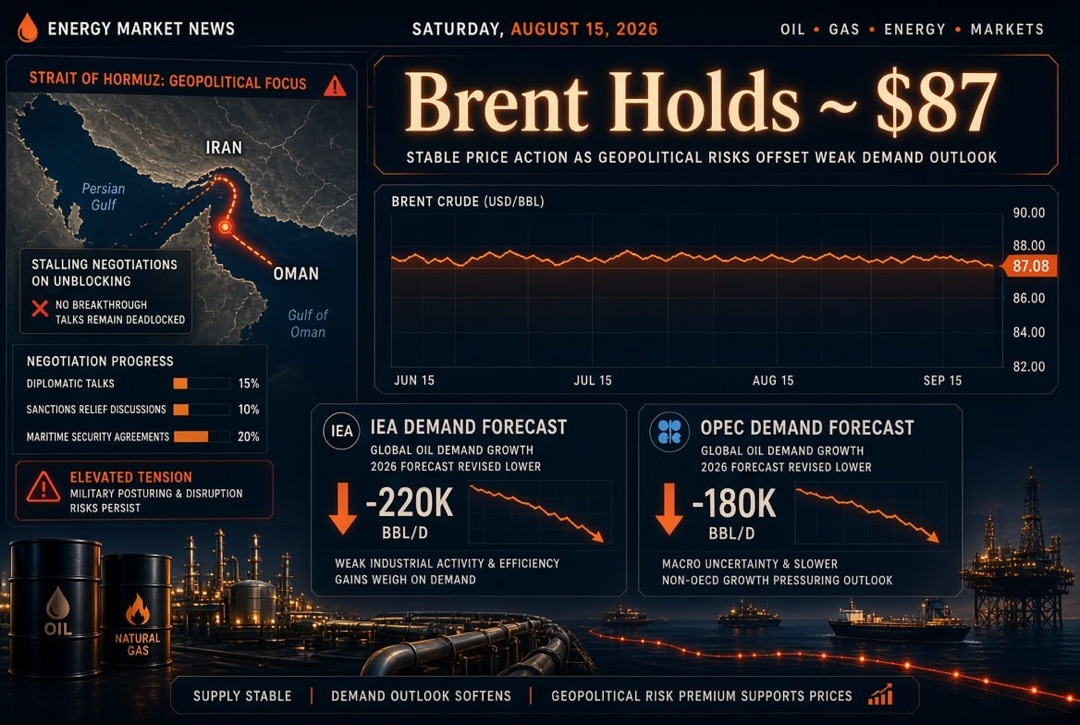
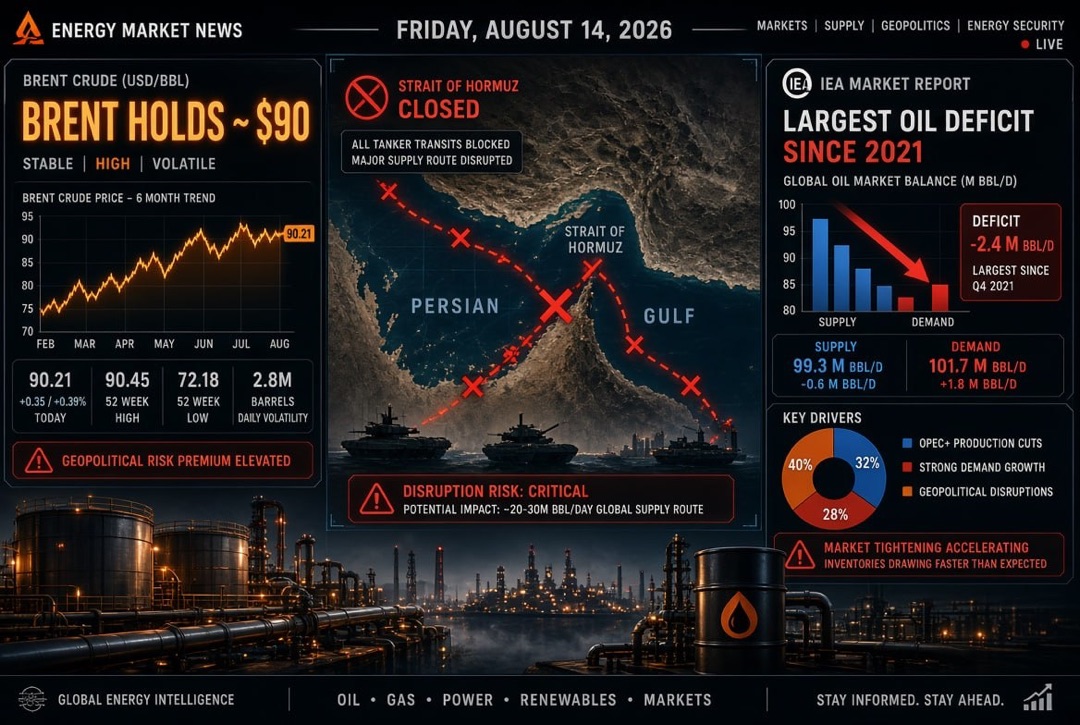
The US Department of Energy will release its weekly report on commercial oil and petroleum product inventories (EIA). This release traditionally comes out on Wednesdays and can short-term impact WTI and Brent oil prices. Key aspects of the report include:
- Change in Oil Inventories: A decrease in inventories (drawdown) typically indicates robust demand or supply constraints, supporting price increases. In contrast, an unexpected increase in inventories (build) may signal weak demand or oversupply, putting downward pressure on prices.
- Gasoline and Distillate Inventories: The dynamics of fuel reserves are particularly important during the winter. A reduction in gasoline or diesel stocks amid holiday transport could exacerbate rise in energy prices, whereas an excess of fuel stocks will exert the opposite pressure.
Given the approach of year-end, volatility in the oil market may increase with low liquidity. Investors in commodity assets should be prepared for sharp price movements in response to unexpected EIA data.
Industrial Production and Inflation in Russia
Russian macroeconomic indicators will be released in the evening and will attract particular attention from the local market (MOEX index) and the ruble exchange rate:
- Industrial Production (November): Industrial production data will clarify the extent of the economy's adaptation to sanction conditions. Moderate year-on-year growth will signal the start of industry recovery, whereas a decline will indicate ongoing pressures on the manufacturing sector.
- Inflation Indicators (CPI): Consumer inflation in Russia has shown signs of slowing down after a spike earlier in the year. New data will reveal whether the trend of declining price growth has been maintained. For the Bank of Russia, which recently lowered the key rate to 16%, continued disinflation will be an argument for further easing policies in 2026. Conversely, if inflation exceeds expectations, it could limit the scope for rate cuts.
The reaction of the Russian stock market and the ruble's exchange rate to these indicators will depend on the degree of deviation from forecasts. Strong industrial results and low inflation could support local company shares and strengthen the ruble, while weak figures would heighten investor concerns regarding the outlook for the Russian economy.
Other Regions and Indices: S&P 500, Euro Stoxx 50, Nikkei 225, MOEX
- US (S&P 500): No significant corporate financial reporting is scheduled for December 24 in the S&P 500. US investors will focus on the day’s macro statistics, wrapping up trading early due to the holiday.
- Europe (Euro Stoxx 50): The Christmas holidays in Europe mean the absence of corporate releases from blue chips in the Euro Stoxx 50. European markets will remain closed, and their benchmarks will primarily be influenced by external factors—currency dynamics and commodity prices.
- Asia (Nikkei 225): The Japanese market (Nikkei 225) operates normally amid a general global lull. In Tokyo, the quarter results publication period continues: for instance, drugstore chain Kusuri No Aoki Holdings will release its financial results on December 24. While these events are localized, they reflect consumer demand conditions in the region.
- Russia (MOEX): On the Moscow Exchange, most companies have already disclosed their financial results for the third quarter, so there will be virtually no new corporate reports on December 24. The major annual results from the largest Russian issuers will be published post-New Year, according to the standard reporting schedule.
End of Day: Key Points for Investors to Consider
- Low Market Liquidity: The pre-holiday day with shortened sessions and closed exchanges will lead to decreased trading volumes. Under such conditions, even minor news could provoke disproportionately strong price fluctuations. Investors should exercise caution when placing orders and consider potential spikes in volatility.
- Bank of Japan Policy: The details from the BoJ's minutes will reveal how willing the regulator is to continue tightening policy. If the document contains signals for further rate hikes or changes to YCC, this will impact the yen's exchange rate and set the tone for trading in Asia.
- US Data: Labor market metrics in the US (jobless claims) will serve as a barometer for economic activity at year-end. Sharp deviations will prompt a revision of Fed rate expectations and could sway the S&P 500 index, although reactions might be muted during the shortened session.
- Oil Market: The EIA's oil inventory report will be released in a thin market: price reactions in oil could be amplified. Oil volatility may affect commodity currencies (such as the Canadian dollar) and energy sector stocks worldwide.
- Russian Macroeconomic Statistics: Industrial production and inflation figures in Russia will impact the MOEX index and the ruble exchange rate. Strong data will bolster expectations for further rate cuts by the Central Bank of Russia and improve investor sentiment, while weak outcomes will heighten caution and may pressure the market.