Economic Calendar and Corporate Earnings for Wednesday, March 4, 2026: Global PMIs, ADP and ISM Services in the US, EIA Oil Inventories, CPI Inflation in Russia, and the Federal Reserve's Beige Book - Key Drivers for the S&P 500, Euro Stoxx 50, Nikkei 225, and MOEX
Wednesday, March 4, 2026, sets the stage for a comprehensive macro narrative for global markets. In Asia, investors are evaluating business activity dynamics (PMI) alongside Australia’s growth rates, while in Europe, they are assessing demand resilience through service PMIs, unemployment levels, and producer price inflation (PPI). The US is offering multiple volatility drivers with the ADP employment report, S&P Global PMI, ISM Services PMI, and the Federal Reserve's Beige Book. For investors in the CIS, the day is further underscored by the release of CPI inflation data in Russia and the interconnectivity of "oil - ruble - yields" amid the EIA inventory report.
On the corporate front, attention shifts towards the earnings reports of large public companies: the technology sector in the US sets the tone with Broadcom's results, while in Europe, Bayer and adidas are focal points. The interplay of macro indicators and corporate forecasts could significantly impact the short-term trajectories of the S&P 500, Euro Stoxx 50, Nikkei 225, and the MOEX index.
Macroeconomic Calendar (MSK)
- 01:00 — Australia: Services/Composite PMI (February).
- 03:30 — Australia: GDP (Q4 2024).
- 04:45 — China: Caixin Manufacturing/Services/Composite PMI (February).
- 08:00 — India: Services/Composite PMI (February).
- 09:00 — Russia: Services/Composite PMI (February).
- 10:30 — Switzerland: Consumer Inflation CPI (February).
- 11:55 — Germany: Services/Composite PMI (February).
- 12:00 — Eurozone: Services/Composite PMI (February).
- 12:30 — United Kingdom: Services/Composite PMI (February).
- 13:00 — Eurozone: Producer Price Inflation PPI (January).
- 13:00 — Eurozone: Unemployment Rate (January).
- 16:00 — Brazil: Services/Composite PMI (February).
- 16:15 — United States: ADP Nonfarm Employment (February).
- 17:30 — Canada: Services/Composite PMI (February).
- 17:45 — United States: S&P Global Manufacturing/Composite PMI (February).
- 18:00 — United States: ISM Services PMI (February).
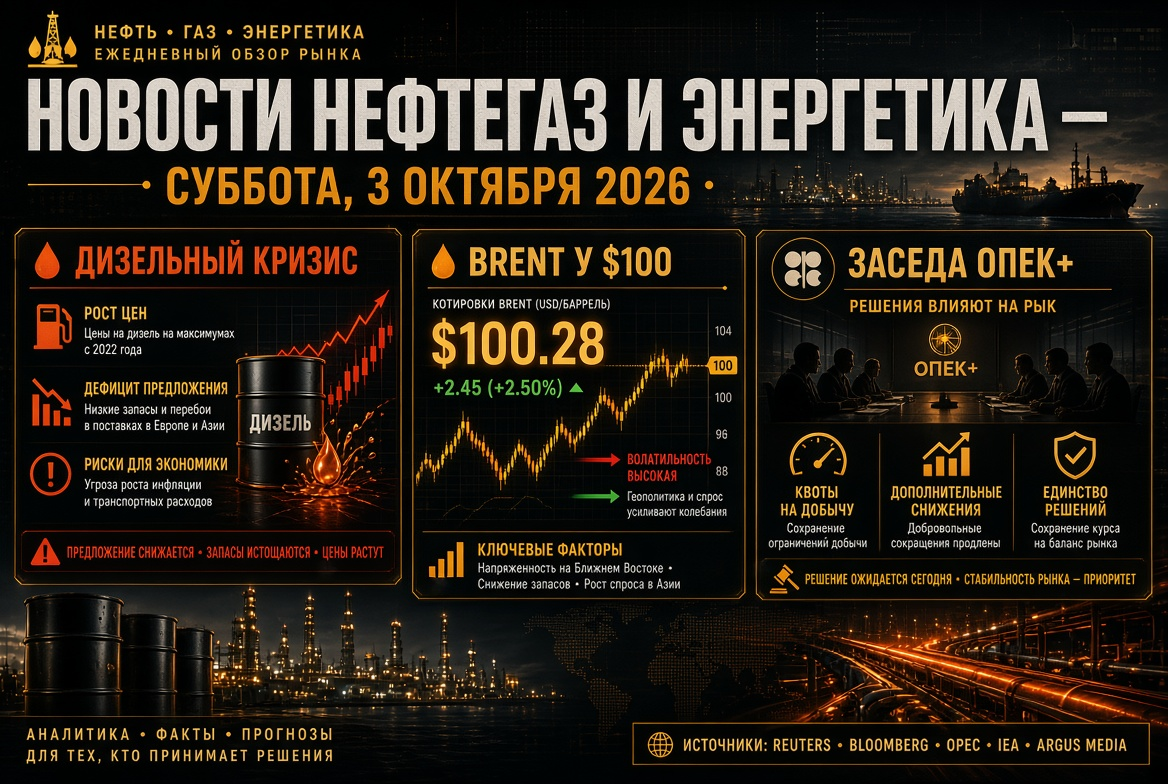
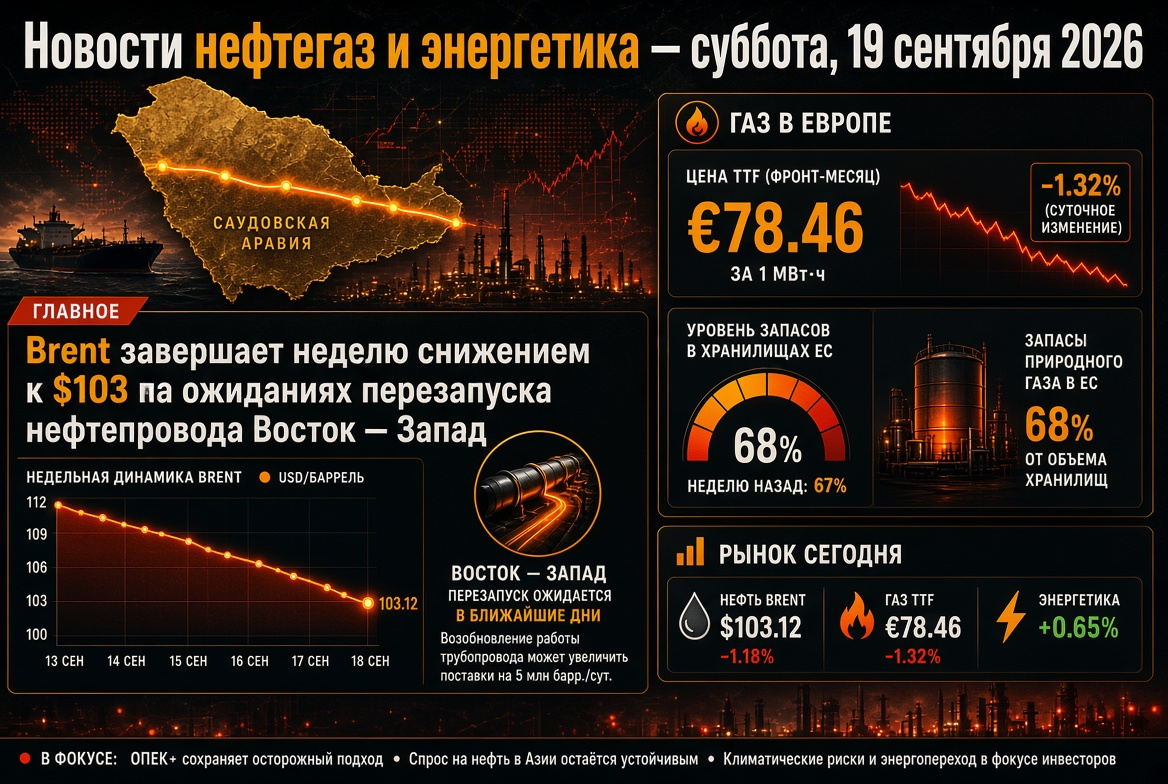
- 18:30 — United States: EIA Oil Inventories (Weekly).
- 19:00 — Russia: Consumer Inflation CPI.
- 22:00 — United States: Federal Reserve's Beige Book.
Asia-Pacific Focus: Australia, China, India
Asia kicks off the day with three key data clusters. First, PMIs for services and composite indices provide timely signals regarding demand and business load at the start of the year. Second, Australia’s GDP serves as a marker of the domestic cycle's resilience and the economy's sensitivity to interest rates and external trade. Third, the Caixin PMI for China is traditionally perceived as a "temperature check" for the private sector, and any surprises can quickly reflect in industrial metal prices and investor sentiment towards Asian equities.
- For Nikkei 225 and Asian markets: Strong PMIs from China and India heighten expectations for regional demand, supporting cyclical sectors.
- For commodities and the energy sector: Improved PMIs in Asia typically boost expectations for energy import demand, which is reflected in oil prices and the stock valuations of energy companies.
- For currencies: The combination of Australian GDP and risk appetite in Asia influences the dynamics of commodity currencies and indirectly impacts the USD/EURO exchange rates through flows into safe-haven assets.
Europe: Service PMIs, PPI, and Unemployment as a Cycle Resilience Test
The European bloc revolves around three questions: Is the service sector stable? Is there cost pressure at the producer level? How is the labor market changing? Service PMIs from Germany, the Eurozone, and the UK set the foundational tone for European indices, including Euro Stoxx 50. The Eurozone PPI helps evaluate the "transmission" of price pressures to the next stage — consumer inflation— which is critical for interest rate expectations and bond yields. Unemployment is key to consumer demand and corporate revenue resilience in retail, transport, and banking.
Investors should practically maintain a focus on the linkage: PMI → growth expectations → company revenue projections → multiples. If PMI signals a slowdown, the market often re-evaluates cyclical sectors and increases demand for "quality" and defensive industries.
US: ADP, PMI, and ISM Services — Key Sources of Intraday Volatility
The American statistics on March 4 represent a collection of indicators that the market often uses as a "rehearsal" before the official labor market report and as a benchmark for Federal Reserve policy expectations. The ADP reflects hiring trends in the private sector and can significantly move UST yields and the dollar. Following this, the S&P Global PMI and particularly the ISM Services PMI offer a qualitative picture of demand in the service sector, which dominates the US economy and influences the core dynamics of service inflation.
How to Interpret ISM Services PMI
- New Orders — a signal for future revenue expectations for services and logistics companies.
- Prices (Prices Paid) — an indicator of inflationary pressure, crucial for interest rate expectations.
- Employment — a confirmation/disconfirmation of the ADP narrative and expectations for the labor market.
In the evening, the Federal Reserve's Beige Book can either amplify or temper market reactions: if regional reviews indicate a cooling demand and normalizing price pressures, it typically supports risk appetite; if the focus shifts to persistent inflation and labor shortages, the likelihood of a more hawkish rhetoric and pressure on growth stocks increases.
Oil and Commodities: EIA Inventory Report as a Driver for Energy and Inflation Expectations
The weekly EIA oil inventories (18:30 MSK) traditionally represent a high-volatility event for both Brent and WTI, and subsequently for energy companies and inflation expectations. It is crucial for markets to observe not only the direction of crude oil inventories but also the details:
- Gasoline and Distillate Inventories — an indirect indicator of demand and seasonal consumption of fuel.
- Refinery Utilization — a marker for the profitability of refining and the supply of petroleum products.
- Exports/Imports — a factor of short-term balance influencing spreads and the dynamics of the futures curve.
For investors in the CIS, the transmission mechanism is vital: oil → currency revenue from exporters → ruble expectations → evaluations of Russian assets and the MOEX index. Even with neutral inventory data, volatility in energy stocks may arise if the market revises demand expectations in light of the PMIs from Asia and the US.
Russia: Services PMI and CPI as Benchmarks for the Ruble, OFZ, and MOEX
Data on Services PMI (09:00 MSK) and particularly CPI (19:00 MSK) lays the groundwork for expectations surrounding monetary policy. For the Russian market, this impacts three key channels:
- Ruble Exchange Rate — influenced by expectations of real interest rates and capital flows.
- OFZ Yields — driven by the re-evaluation of the key rate trajectory and inflation risks.
- Equities (MOEX) — through the discounting of future cash flows and sector rotations (banks/retail/exporters).
If CPI exceeds expectations, the market tends to price in a longer period of elevated rates, supporting yields and potentially exerting pressure on rate-sensitive sectors. Conversely, softer inflation increases the likelihood of renewed interest in "long" assets and dividend stories.
Corporate Earnings: US (Key Companies of the Day)
Midweek is rich with earnings reports from companies capable of influencing sectoral dynamics within the S&P 500 and risk appetite in the technology segment. Investors find it essential to evaluate not only profit and revenue but also guidance, margins, and management comments regarding demand.
After Market Close in the US (AMC)
- Broadcom — a technological benchmark for AI infrastructure and networking solutions; the market will focus on order dynamics and revenue forecasts.
- Okta — an indicator of corporate IT budgets and demand for cyber and identity solutions; emphasis will be on customer retention and subscription growth rates.
- Veeva Systems — a litmus test for vertical SaaS in pharmaceuticals and biotech; growth rates and revenue quality are crucial.
During the Day/Before Market Opens (Consumer Demand Focus)
- Abercrombie & Fitch — a gauge of consumer demand and promotional pressures in the apparel segment.
- Bath & Body Works — an indicator of consumer spending and margin trends in retail.
- Brown-Forman — reflecting consumption trends in brand categories and the price elasticity of demand.
Corporate Earnings: Europe, the Middle East, and Other Markets
In Europe, earnings reports on March 4 center around large companies sensitive to the consumer cycle and industrial conditions, which are important for the Euro Stoxx 50 and related indices.
- Bayer — assessing pharmaceutical/agricultural directions, debt load, and margin prospects.
- adidas — signaling global consumer trends, regional sales dynamics, and the impact of currency fluctuations on profitability.
- Dassault Aviation — an indicator of investment demand and backlog in aviation.
- ACWA Power — focus on capital-intensive energy and progress on project implementation (critical for assessing global infrastructure trends).
For Asian markets (including Nikkei 225), the day heavily depends on the macro backdrop of PMIs and currency dynamics; the earnings season continues, yet key narratives are often "pulled" by US statistics and commodity fluctuations. In the Russian market, the focus shifts towards macro indicators (PMIs and CPI), while corporate releases from large issuers are more pointed and require monitoring of disclosure updates.
Key Considerations for Investors on Wednesday, March 4, 2026
- Global Synchronization of PMIs: Compare China/India/Europe — a quick indicator of whether global demand is strengthening or if the economy is entering a cooling phase.
- The US as the "Center of Gravity" for the Day: Reactions to ADP and ISM Services can quickly alter expectations for the Fed, yields, and the dollar — potentially impacting growth stock valuations and commodity assets.
- Oil and the EIA Report: Sharp movements are possible in energy; consider the impact on inflation expectations and commodity-exporting currencies.
- Russia: CPI and Interest Rate: Inflation sets the tone for the ruble, OFZ, and MOEX; assess portfolio sensitivity to interest rates and currency strengthening/weakening.
- Corporate Earnings: Broadcom and European "heavyweights" can shift sectoral demand structures; key considerations include management forecasts and margin quality, not just the quarterly fact.
In summary, March 4, 2026, represents a test of global cycle resilience through PMIs, an examination of Fed expectations through employment and ISM Services, and "energy momentum" via EIA inventories. In such conditions, it is prudent to establish risk levels for the S&P 500, Euro Stoxx 50, Nikkei 225, and MOEX indices in advance and maintain a plan of action for potential reassessments of rates and commodity volatility.