Economic Events and Corporate Reports for Saturday, May 16, 2026: US Inflation, Fed Rate Expectations, Company Earnings, S&P 500, Euro Stoxx 50, Nikkei 225, and MOEX Trends
Saturday, May 16, 2026, is unfolding for global markets as an analytical pause following a busy week of macroeconomic data, corporate reports, and a reassessment of interest rate expectations. For investors from the CIS, this day matters not for the volume of new publications but for the quality of preparation for the next trading week: US, European, Japanese, and Russian markets are gauging inflationary pressures, consumer demand dynamics, corporate forecasts, and the resilience of stock indices.
The main focus of the day is the aftermath of fresh US data, the impact of costly oil and fuel on inflation, corporate earnings from major public companies, and positioning ahead of a new series of publications on the S&P 500, Euro Stoxx 50, Nikkei 225, and MOEX. Despite the calendar’s off-day nature, the economic events of May 16, 2026, remain significant for investors working with equities, bonds, currencies, commodities, and defensive instruments.
Overall Picture of the Day: Markets Shift from Reaction to Risk Assessment
Saturday is traditionally not an active day for the release of key macroeconomic statistics in the US, Europe, and Russia. However, it is precisely during such periods that investors reassess portfolios after the trading week closes. Three questions remain at the centre of attention:
- how sustainable is US consumer demand amid rising fuel prices;
- how inflationary pressure affects expectations for the Fed’s rate;
- whether corporate reports can support high equity valuations.
For global markets, the key theme remains the balance between strong corporate results and the risk of overheating inflation. For CIS investors, oil, the US dollar, US Treasury yields, the ruble, the MOEX index, and the performance of export-oriented commodity companies are particularly important.
United States: Inflation, Retail Sales, and Fed Expectations
The US economy enters mid-May with mixed signals. On one hand, retail sales in the US continue to grow, formally indicating consumer resilience. On the other hand, a significant portion of this growth is tied to price increases, especially in the fuel segment. For investors, this is an important distinction: nominal corporate revenue may rise, but real demand and business margins could deteriorate.
Special attention should be paid to manufacturing activity. Growth in industrial production supports expectations of US economic resilience, but rising inflationary pressure limits the scope for rapid monetary policy easing. If the Fed maintains a cautious stance, bond yields may remain elevated, which would restrain a revaluation of growth stocks, including the technology sector.
For the S&P 500 and Nasdaq, a key risk remains narrowing market breadth: if index growth is driven by a limited number of large technology companies, the sustainability of the rally may be weaker than headline index values suggest.
US Corporate Earnings: Focus on Next Week
As of May 16, 2026, no major S&P 500 company reports are expected on the standard calendar, given the weekend. However, investors are already preparing for the next wave of corporate earnings, which will be dominated by companies linked to artificial intelligence, consumer demand, and retail trade.
The most important benchmarks for investors are:
- Nvidia — a key indicator of demand for AI chips, data centres, and artificial intelligence infrastructure;
- Walmart — a bellwether for the mass consumer and household price sensitivity;
- Home Depot — a gauge of demand for home improvement, renovation, and housing;
- Target — a signal on the discretionary segment and retail margins;
- TJX Companies — an indicator of shopper behaviour in a discount-seeking, cost-optimisation environment.
For investors, it is not only the earnings per share figure that matters but also management commentary on costs, logistics, wages, inventories, and the ability to pass on rising costs to the end consumer.
Europe: Euro Stoxx 50 and Corporate Profit Resilience
European markets end the week against a backdrop of a strong earnings season. For the Euro Stoxx 50 and the broader European market, the financial sector, energy, industrials, and companies with global revenues are important. Investors are assessing whether earnings growth is sustainable or a one-off effect from commodity prices, currency factors, or cost cutting.
European companies remain sensitive to three factors:
- the euro-to-dollar exchange rate;
- energy and gas costs;
- the pace of industrial demand in China and the US.
As of May 16, no significant reports are scheduled among the largest Euro Stoxx 50 companies, so investors will analyse already published results and prepare for next week. For CIS portfolios, the European market is of interest as an indicator of global demand for industrial goods, energy resources, banking services, and export-oriented companies.
Asia: Nikkei 225, Japanese Earnings, and the China Factor
The Asian agenda remains important for global markets because of Japan’s and China’s roles in global supply chains. The Nikkei 225 continues to react to corporate earnings, yen movements, and company forecasts for export revenue. For the Japanese market, automakers, chemical companies, materials suppliers, electronics, and the semiconductor sector are key.
Around May 16, investor attention was drawn to the earnings report from Nissan Chemical. The company posted revenue and profit growth for the fiscal year, which is significant for assessing Japan’s chemical and technology sector. Such reports help gauge demand for semiconductor materials, agrochemicals, and high-tech manufacturing.
The China factor remains a separate source of risk. Investors are monitoring industrial production, retail sales, the real estate market, and producer inflation. If Chinese demand proves weak, it could pressure commodity currencies, industrial metals, European exporters, and the oil and gas sector.
Russia and MOEX: Focus on Oil, Ruble, Dividends, and Bonds
The Russian market on May 16 is outside the active trading session, but for MOEX investors, this day matters for assessing the external backdrop. Key drivers for the Russian market include:
- oil and petroleum product prices;
- the ruble exchange rate against the dollar and the yuan;
- OFZ yields and expectations for the key rate;
- dividend decisions by major issuers;
- financial results from oil and gas, banking, and metals and mining companies.
As of May 16, no major corporate reports from Russia’s largest public companies in the MOEX index are expected. Investors will monitor the external environment ahead of next week’s open: oil price dynamics, geopolitical risks, risk appetite, and emerging-market currency behaviour.
Commodity Markets: Oil Remains a Central Inflation Factor
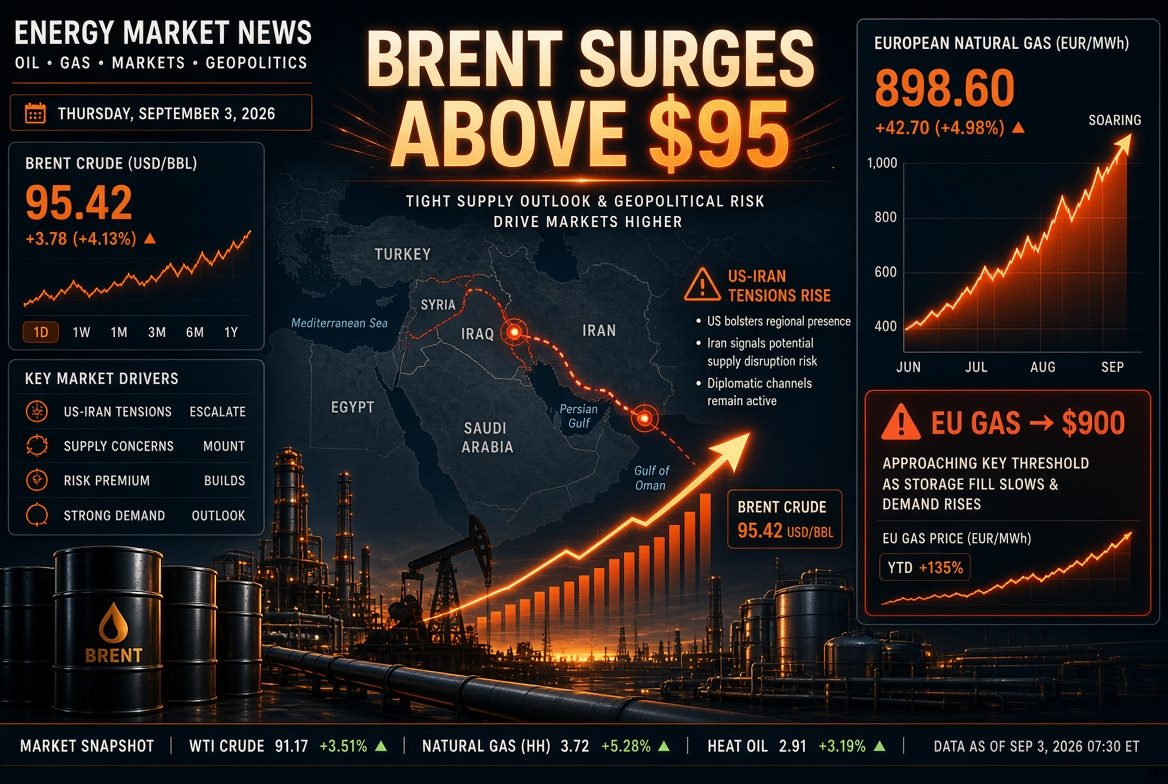
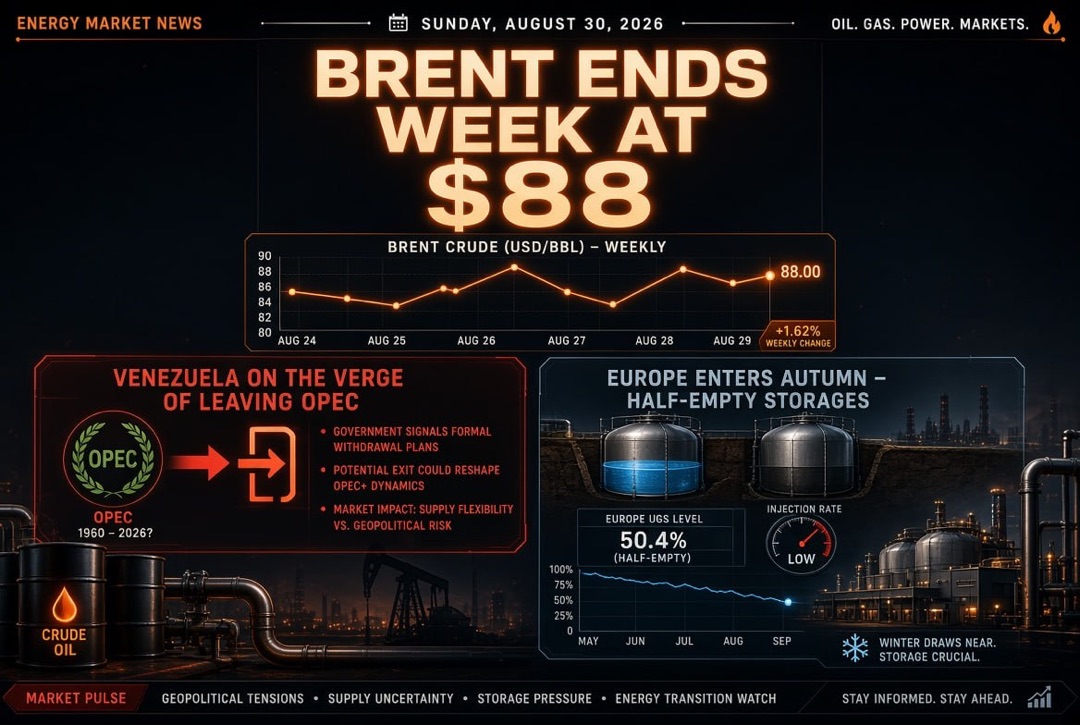
Oil and fuel remain one of the main transmission channels for risk into the global economy. Rising energy prices affect multiple asset classes: transport and consumer stocks, bonds, inflation expectations, and currencies of both commodity-importing and exporting countries.
For CIS investors, oil has a dual significance. On one hand, high prices support exporter revenues and budget expectations of commodity-based economies. On the other hand, expensive energy fuels global inflation, raises the probability of tight central bank policy, and may dampen demand for risk assets.
Against this backdrop, oil and gas companies, energy producers, fertiliser manufacturers, and the transport sector will remain in focus. It is important to look not only at the Brent price but also at product spreads, freight costs, fuel inventories, and company commentary on costs.
Currencies and Bonds: US Dollar, Yields, and Defensive Assets
The currency market heads into the weekend with heightened attention on the US dollar. If inflation data continue to point to sustained price pressure, the dollar could gain support from expectations of a longer period of high rates. For emerging markets, this means potential pressure on currencies, bonds, and shares of companies with high debt loads.
US Treasury yields remain a key indicator for global asset valuation. Elevated yields make bonds more competitive relative to equities and particularly affect growth companies. For investors, this argues for a more balanced portfolio that includes quality stocks, bonds, commodity assets, and cash liquidity.
Corporate Earnings on May 16: What Is Actually on the Calendar
Given the weekend, the calendar of major public companies for May 16, 2026, is limited. For the main indices – S&P 500, Euro Stoxx 50, and MOEX – no significant earnings from top issuers are expected on this date. On the Asian front, investors are incorporating results from Japanese companies published around this date, including Nissan Chemical, as they provide signals on industrial materials, the semiconductor chain, and corporate forecasts in Japan.
For investors, the number of reports on Saturday matters less than preparation for the next wave of publications. Particular importance will attach to companies that can demonstrate genuine demand resilience amid rising prices: technology leaders, retail chains, industrial groups, and energy companies.
What Investors Should Watch
On May 16, 2026, investors should use the macro-calendar pause to reassess risks and prepare for the coming week. Key points to watch:
- the trajectory of US inflation expectations and the Fed’s response;
- consumer demand and reports from the largest retailers;
- Nvidia’s earnings and the impact of the AI sector on the S&P 500 and Nasdaq;
- oil, fuel, and gas prices as a factor in inflation;
- movement in the US dollar and Treasury yields;
- the resilience of the Euro Stoxx 50, Nikkei 225, and MOEX to external pressures;
- dividend expectations and the debt burden of public companies.
The main takeaway for investors: Saturday, May 16, 2026, is not a day of major publications, but it is an important day for analysis. Markets enter a new week combining strong corporate profits, inflationary pressures, expensive energy, and cautious rate expectations. In such an environment, investors who assess not only headline data but also earnings quality, cash flows, debt sustainability, and companies’ ability to preserve margins in a high-cost-of-capital environment will have an advantage.