Detailed Overview of the Economic Agenda and Corporate Reporting for February 7, 2026: Early Elections in Japan, Publication of China's Foreign Reserves Data, and Global Pause in Interest Rate Changes by Major Central Banks. Analysis of the Situation in Global Markets and Key Indicators for Investors Ahead of a New Trading Week.
Saturday brings a relative calm after an intense week: financial markets digest recent central bank decisions and corporate earnings reports, while investors prepare for a series of events that may set the tone for the start of the new trading week. No significant macroeconomic releases are scheduled for today; however, the spotlight is on a major political event: early parliamentary elections in Japan. Simultaneously, market participants are monitoring signals from China (including an update on foreign reserves for January) and assessing the impacts of the temporary suspension of statistics publication in the U.S. due to the government shutdown. In this context, Saturday serves as a pause for reevaluating positions and preparing for upcoming market movements.
Macroeconomics: Central Banks Maintain Pause
In the global macroeconomic landscape, a pause is observed: leading central banks have synchronously held their interest rates steady, confirming a wait-and-see strategy. The U.S. Federal Reserve kept its rate in the range of 3.5–3.75% at its January meeting, signaling a desire to assess the impact of previous easing measures. The European Central Bank, following its meeting on February 5, left the rate unchanged (the deposit rate remains around 2.15%), noting that inflation in the eurozone is close to its target, and requires time for trend analysis. The Bank of England also voted to maintain its rate at 3.75% – a decision reached by majority amid declining inflation and moderate economic growth in the UK. The Bank of Japan earlier in January held the main rate at 0.75%, but the upcoming early **parliamentary elections** on February 8 may indirectly influence the country's future monetary policy. Central banks are signaling a pause in the rate change cycle, providing markets with a stabilization period: bond yields fluctuate in a narrow range, and currencies of emerging markets receive support amid a weakening U.S. dollar. Concurrently, investors are awaiting the resumption of U.S. statistical services, as the delayed release of critical indicators (such as January's employment report) adds uncertainty, but publications are expected to resume next week.
U.S. Markets: Data Void and Tech Sector Correction
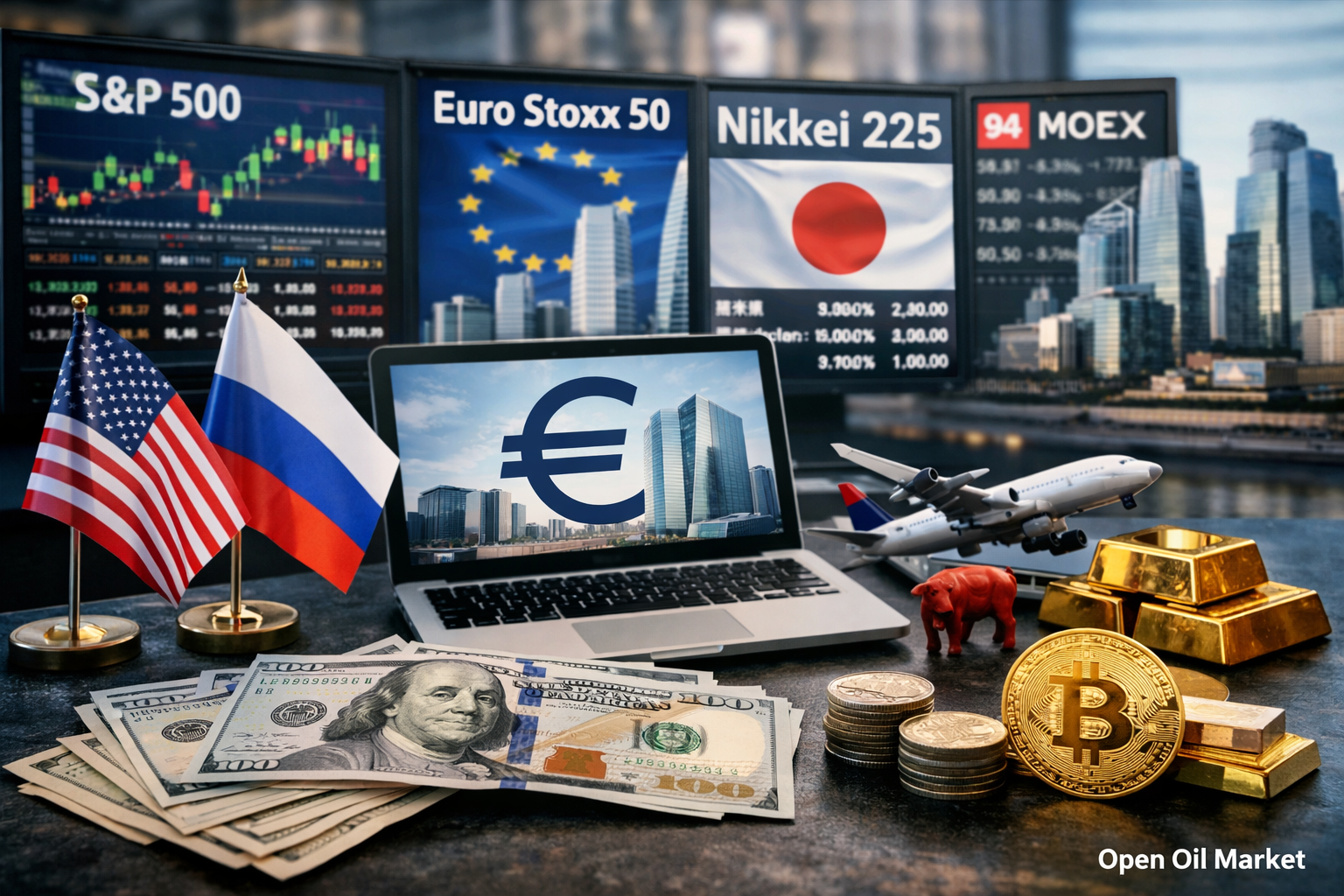
U.S. stock markets ended the week cautiously, exhibiting mixed dynamics. On Friday, major indices regained some losses: the Dow Jones rose approximately 2%, hitting a historical high, the S&P 500 added around 1.6%, and the Nasdaq strengthened by ~1.8%. However, even this rally could not fully offset the downturn of recent days – the S&P 500 and Nasdaq reported declines for the week (the third decrease in the last four weeks for the tech-heavy index). Earlier in the week, concerns over overheating in the tech sector and substantial expenditures by industry leaders on artificial intelligence exerted pressure on the market, prompting some profit-taking by investors. Another factor of uncertainty was the delayed release of key U.S. statistics: due to the government shutdown, the January Non-Farm Payrolls (NFP) report, which traditionally shapes market sentiment, was postponed to February 11. In the absence of fresh data, investors focused on corporate results and forecasts. U.S. Treasury yields remained relatively stable (10-year UST around 4.2%), reflecting expectations of further easing from the Fed throughout the year. The U.S. dollar weakened slightly against major currencies: the USD index dipped to around 97–98, as the Fed's pause and the lack of surprises in the economy dampened demand for safe assets. Overall, the U.S. market enters the weekend with cautious optimism, as participants await the resumption of macro data publications and seek new benchmarks in corporate announcements.
Europe: Markets Consolidate Amid ECB Decisions
European stock indices approached the weekend without major fluctuations, reflecting signals from the ECB and local statistics. The Euro Stoxx 50 index traded within a narrow range last week, ending Friday close to previous closing levels. Investors in Europe received confirmation of the anticipated scenario: the European Central Bank kept rates unchanged and confirmed that inflation is gradually slowing toward the target of 2%. This bolstered confidence that there would be no new rate hikes in the near term, providing support to rate-sensitive sectors – particularly the banking and real estate sectors benefited from the stabilization of borrowing costs. At the same time, the macroeconomic picture in the region remains mixed. Preliminary GDP data for several eurozone countries for Q4 2025 are expected to be published next week, and markets are holding their breath: forecasts indicate weak positive growth in Germany and France, while the UK may show stagnation or a symbolic decline. The British FTSE 100 remained close to local highs despite the BoE holding steady – many export-driven companies benefitted from a relatively weak pound. The European energy sector displayed neutral dynamics: oil prices stabilized, while the gas market remained balanced. In the absence of shocks, European investors are focusing on corporate news and preparing to assess new data on industrial production and inflation to adjust ECB policy expectations for March.
Asia: Elections in Japan and Signals from China
Asian markets generally maintain a cautious optimism, although investor attention is shifting to regional events. The center of the Asian agenda is Japan, where early general elections for the lower house of parliament will be held on Sunday, February 8. Prime Minister Sanae Takachi hopes to strengthen his government's mandate; political stability or its absence may affect the dynamics of the yen and Japanese stocks at the beginning of the week. Ahead of the elections, the Nikkei 225 index traded without sharp fluctuations: investors adopted a wait-and-see position, considering that opinion polls suggest that the ruling coalition is likely to maintain its majority, yet intrigue remains in the distribution of seats. The Japanese market is also digesting signals from the Bank of Japan – although the regulator did not change the rate, it indicated that further steps would depend on the post-election economic policy of the government and inflation dynamics, which in Japan has begun to accelerate toward 2%. In China, cautious optimism persists: official data indicates continued stabilization of the economy. An update on China's international reserves for January is expected today – analysts forecast the figure to be around $3.35 trillion, comparable to the previous month. Stable foreign exchange reserves indicate a relative balance of capital flows and support for the yuan from the regulator. The mainland China and Hong Kong markets exhibited moderate gains over the past week amid expectations of stimulus measures: Chinese authorities promised to support the banking sector with additional liquidity ahead of the long holiday for the Lunar New Year (which begins on February 17). Furthermore, investors welcome signs of recovery in domestic demand – upcoming production and retail sales data early next week will help clarify the strength of this trend. Overall, Asian exchanges are wrapping up the week without turmoil: the MSCI Asia ex-Japan shows a slight increase, supported by gains in the markets of India and Southeast Asia. Regional currencies, including the Chinese yuan and Indian rupee, remain resilient, benefiting from the Fed's pause and capital inflows into emerging markets.
Russia: The Ruble, Budget, and Expectations for the Central Bank of Russia's Decision
The Russian stock and currency market demonstrates stability at the end of the week amid external calmness and internal news. The Moscow Exchange Index (IMOEX) closed Friday's trading with a slight gain, consolidating near local highs. This was bolstered by a relatively favorable environment in commodity markets: the price of Brent oil hovers around $65 per barrel, which is comfortable for Russian exporters and the budget. The Russian ruble has strengthened slightly in recent days, trading close to 74 rubles per U.S. dollar, driven by stable oil and gas revenues and currency sales by exporters under the budget rule. Investors are also assessing fresh macro data: according to the Ministry of Finance, the federal budget deficit for January 2026 is preliminarily estimated at around 1.7 trillion rubles (0.7% of GDP) – significantly higher than last year, due to a 50% year-over-year decrease in oil and gas revenues (down to 393 billion rubles) alongside a 4.5% year-over-year increase in non-oil revenue. Although such a start to the year raises questions about budgetary stability, authorities assure that the situation is under control and the deficit will shrink as quarterly tax payments are collected. OFZ bonds remain calm: yields on ten-year bonds hover around 10.5–11%, reflecting expectations of imminent monetary policy easing. Indeed, all eyes are on the Central Bank of Russia – its next meeting on key rates is scheduled for February 13. Market participants are pricing in a high probability that the Central Bank of Russia will maintain the rate at the current level (15% per annum) following a series of hikes in the second half of 2025. The slowdown in inflation in Russia (consumer prices rose by less than 0.5% month-on-month in January) and the strengthening ruble create conditions for a shift in the regulator's rhetoric. Nevertheless, any potential rate cuts may occur only closer to spring, if inflation expectations consistently trend downward. Overall, the Russian financial market enters the weekend balanced: investors account for high interest rates and budget risks but see support from exports and regulators' readiness to use tools to maintain stability if necessary.
Corporate Reports: Key Outcomes and Responses
Saturday traditionally brings no new financial reporting publications, hence investor focus is on the outcomes of the past week and upcoming releases in the coming days. At a global level, the earnings season for Q4 2025 continues, and several leading companies have already presented results, setting the tone for the market. Here are a few notable cases by regions and sectors:
Apple (U.S.): The tech giant reported record revenue for the holiday quarter of 2025 – sales reached $143.8 billion (+16% YoY) driven by high demand for new iPhone models and a rise in service revenues. Profit and margins also exceeded analysts’ forecasts. Apple's management noted the resilience of consumer demand and announced an expansion of the buyback program, which was positively received by the market: the company's shares remained close to historical highs.
Amazon (U.S.): The largest e-commerce and cloud company presented mixed results: Q4 revenue grew by approximately 14% YoY, however, quarterly profit fell short of expectations. Moreover, Amazon's capital expenditure plans for 2026 (around $200 billion, including investments in AI infrastructure and logistics) raised concerns among investors about the scale of spending. In light of this news, Amazon's shares dropped by ~8%, reflecting worries over business margins. Nevertheless, management assures that investments will yield long-term growth in cloud and advertising segments.
LVMH (Europe): The world's largest luxury goods conglomerate (brands include Louis Vuitton, Dior, Moët Hennessy, etc.) summarized its fiscal year 2025. Annual revenue amounted to approximately €80.8 billion, about 5% lower than the record level of 2024, partially due to currency factors and a slowdown in sales in the fashion and leather goods segment. Operating profit declined by ~9% YoY. LVMH's management noted that demand stabilized in the second half of 2025, particularly in the U.S., and expressed cautious optimism for 2026, expecting a recovery in growth in China following the lifting of restrictions. Investors responded to the results neutrally: LVMH shares held steady in the range of recent months, taking into account the already priced-in slowdown.
Toyota (Japan): The automaker published results for Q3 of its 2025 fiscal year (October–December). Toyota's revenue increased by ~7% due to growth in global car sales and a weaker yen; however, operating profit has decreased for the third consecutive quarter. Profitability was pressured by rising costs and new import tariffs in the U.S., leading to an approximately 15% YoY decline in operating profit. Nonetheless, the company maintained its annual forecast and announced a change in leadership: in April 2026, the CEO position will be taken over by Kenta Kondo. The market reacted calmly to the news: Toyota shares traded with minimal fluctuations, considering the profit decline was expected.
Sberbank (Russia): The leading Russian bank finished 2025 on a positive note. According to preliminary unaudited estimates, Sberbank reported a twofold increase in net profit YoY for Q4, benefiting from high interest rates and increased margins on loans. The loan portfolio continued to expand, particularly in the corporate segment, while asset quality remains stable. Such results virtually guarantee a record annual profit for the bank and shape expectations for generous dividends for 2025. Investors positively assess Sberbank's prospects: its shares have steadily risen in recent weeks, considering the prospect of a rate cut by the Central Bank of Russia later in 2026, which may stimulate further demand for loans.
Amazon (U.S.): The largest e-commerce and cloud company presented mixed results: Q4 revenue grew by approximately 14% YoY, however, quarterly profit fell short of expectations. Moreover, Amazon's capital expenditure plans for 2026 (around $200 billion, including investments in AI infrastructure and logistics) raised concerns among investors about the scale of spending. In light of this news, Amazon's shares dropped by ~8%, reflecting worries over business margins. Nevertheless, management assures that investments will yield long-term growth in cloud and advertising segments.
LVMH (Europe): The world's largest luxury goods conglomerate (brands include Louis Vuitton, Dior, Moët Hennessy, etc.) summarized its fiscal year 2025. Annual revenue amounted to approximately €80.8 billion, about 5% lower than the record level of 2024, partially due to currency factors and a slowdown in sales in the fashion and leather goods segment. Operating profit declined by ~9% YoY. LVMH's management noted that demand stabilized in the second half of 2025, particularly in the U.S., and expressed cautious optimism for 2026, expecting a recovery in growth in China following the lifting of restrictions. Investors responded to the results neutrally: LVMH shares held steady in the range of recent months, taking into account the already priced-in slowdown.
Toyota (Japan): The automaker published results for Q3 of its 2025 fiscal year (October–December). Toyota's revenue increased by ~7% due to growth in global car sales and a weaker yen; however, operating profit has decreased for the third consecutive quarter. Profitability was pressured by rising costs and new import tariffs in the U.S., leading to an approximately 15% YoY decline in operating profit. Nonetheless, the company maintained its annual forecast and announced a change in leadership: in April 2026, the CEO position will be taken over by Kenta Kondo. The market reacted calmly to the news: Toyota shares traded with minimal fluctuations, considering the profit decline was expected.
Sberbank (Russia): The leading Russian bank finished 2025 on a positive note. According to preliminary unaudited estimates, Sberbank reported a twofold increase in net profit YoY for Q4, benefiting from high interest rates and increased margins on loans. The loan portfolio continued to expand, particularly in the corporate segment, while asset quality remains stable. Such results virtually guarantee a record annual profit for the bank and shape expectations for generous dividends for 2025. Investors positively assess Sberbank's prospects: its shares have steadily risen in recent weeks, considering the prospect of a rate cut by the Central Bank of Russia later in 2026, which may stimulate further demand for loans.
Day's Summary: What Investors Should Focus On
Thus, Saturday, February 7, 2026, passes relatively calmly, but a range of events is ahead that could significantly influence sentiments in global markets. Investors should use this pause for analysis and prepare for potential volatility. Key indicators for the coming days and weeks include the following:
Political Events in Asia: The results of early elections in Japan will be known on Sunday. The preservation of a stable government or an unexpected outcome may affect the yen's exchange rate and the dynamics of the Japanese market, setting the tone for trading in the Asia-Pacific region at the start of the week.
Important Macroeconomic Data: In the U.S., the publication of the key labor market report (Non-Farm Payrolls for January) has been postponed to February 11, traditionally defining expectations for Federal Reserve policy. Additionally, during the week, investors await inflation data in the U.S. (CPI for January) – its release may also shift in the schedule, but its significance for the market remains high. In Europe, attention will be focused on preliminary GDP estimates for the UK and eurozone for Q4 2025: these indicators will show how confidently the largest economies are overcoming current challenges.
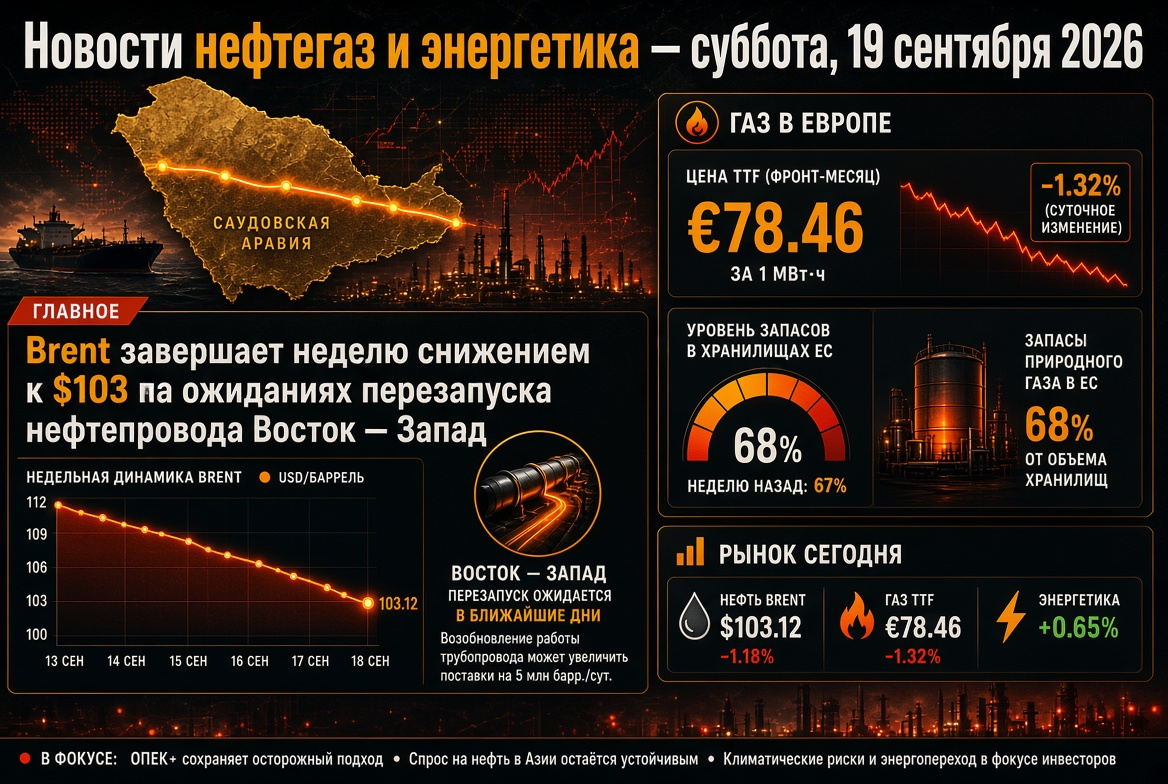
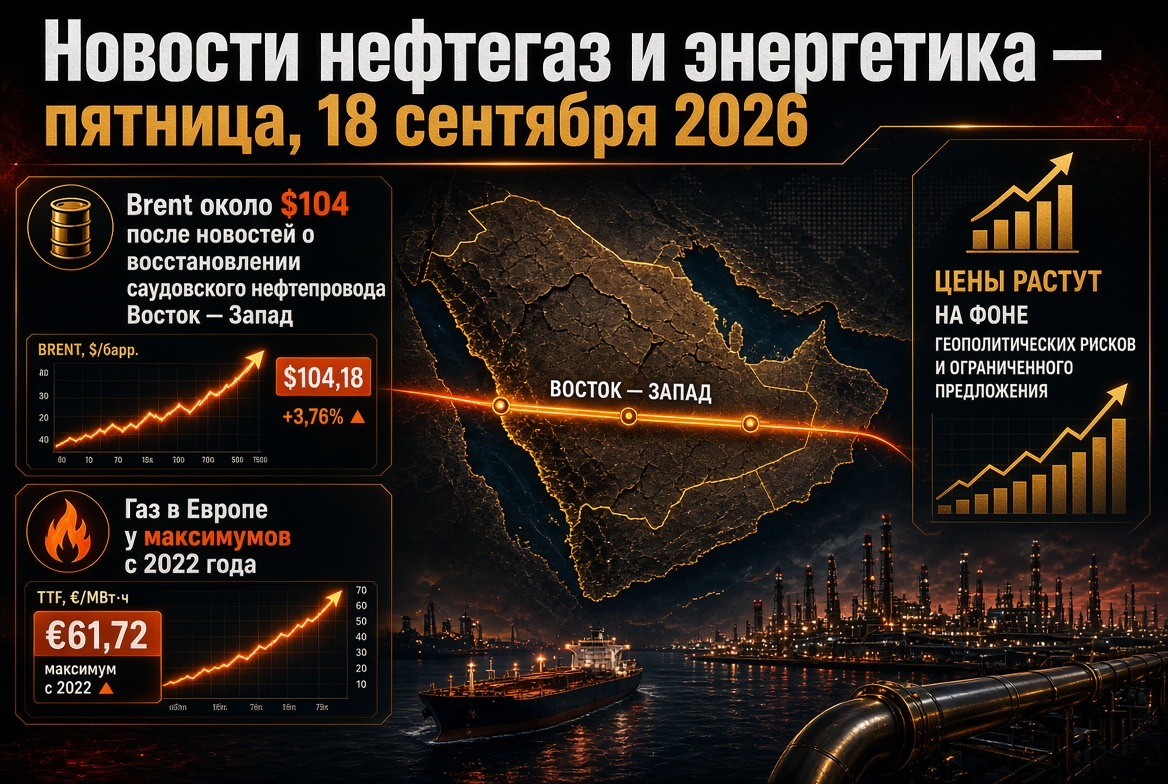
Commodity Price Dynamics: Prices of oil and other commodities remain a crucial indicator for the global market. Brent oil remains around the comfortable $60–65 per barrel following coordinated OPEC+ actions to regulate production. Over the weekend, investors should monitor any statements from major oil exporters – unexpected comments or cartel decisions may trigger price fluctuations. Volatility in the commodity market will directly reflect on the currencies and stocks of resource-rich countries (Russian ruble, Canadian dollar, Norwegian krone, shares of oil and gas companies and metallurgists).
Monetary Policy and Bond Markets: Following the synchronized pause by the Fed, ECB, and BoE, investors will be looking for hints regarding future steps from the regulators. Next week, the Central Bank of Russia will hold a meeting (February 13) – any rate or rhetoric changes from one of the few central banks still maintaining a tight policy will attract the attention of global players. Furthermore, comments from representatives of the Federal Reserve, ECB, or Bank of Japan in the coming days could adjust rate expectations for the upcoming months. Bond yields, particularly for U.S. Treasuries and German bunds, will be sensitive to these signals and set the direction for the entire capital market.
Geopolitical Risks and Sudden News: In a relative calm of scheduled events, unexpected information could trigger a change in sentiment. Negotiations on the international stage (such as dialogue on Iran's nuclear program, trade discussions between the U.S. and China, or news from the Ukrainian front) may surface over the weekend. It's crucial for investors to remain vigilant regarding newsfeeds: any major statements from politicians, sanction decisions, or unforeseen circumstances could cause short-term strong movements in specific assets and sectors.
Important Macroeconomic Data: In the U.S., the publication of the key labor market report (Non-Farm Payrolls for January) has been postponed to February 11, traditionally defining expectations for Federal Reserve policy. Additionally, during the week, investors await inflation data in the U.S. (CPI for January) – its release may also shift in the schedule, but its significance for the market remains high. In Europe, attention will be focused on preliminary GDP estimates for the UK and eurozone for Q4 2025: these indicators will show how confidently the largest economies are overcoming current challenges.
Commodity Price Dynamics: Prices of oil and other commodities remain a crucial indicator for the global market. Brent oil remains around the comfortable $60–65 per barrel following coordinated OPEC+ actions to regulate production. Over the weekend, investors should monitor any statements from major oil exporters – unexpected comments or cartel decisions may trigger price fluctuations. Volatility in the commodity market will directly reflect on the currencies and stocks of resource-rich countries (Russian ruble, Canadian dollar, Norwegian krone, shares of oil and gas companies and metallurgists).
Monetary Policy and Bond Markets: Following the synchronized pause by the Fed, ECB, and BoE, investors will be looking for hints regarding future steps from the regulators. Next week, the Central Bank of Russia will hold a meeting (February 13) – any rate or rhetoric changes from one of the few central banks still maintaining a tight policy will attract the attention of global players. Furthermore, comments from representatives of the Federal Reserve, ECB, or Bank of Japan in the coming days could adjust rate expectations for the upcoming months. Bond yields, particularly for U.S. Treasuries and German bunds, will be sensitive to these signals and set the direction for the entire capital market.
Geopolitical Risks and Sudden News: In a relative calm of scheduled events, unexpected information could trigger a change in sentiment. Negotiations on the international stage (such as dialogue on Iran's nuclear program, trade discussions between the U.S. and China, or news from the Ukrainian front) may surface over the weekend. It's crucial for investors to remain vigilant regarding newsfeeds: any major statements from politicians, sanction decisions, or unforeseen circumstances could cause short-term strong movements in specific assets and sectors.
This present calm offers investors an opportunity to reassess their strategies and balance their portfolios ahead of upcoming events. Analyzing recent trends – from company financial results to signals from central banks – will help make informed decisions. An eventful week lies ahead, and attentiveness to the above factors will allow for timely responses to changes in market conditions, keeping the portfolio aligned with the updated realities. Global markets stand at a crossroads: the outcome of elections in Japan, U.S. statistics, and new economic benchmarks will determine the capital flow direction, with a prepared investor ready to meet them fully armed.