Current News in Oil, Gas, and Energy as of March 25, 2026, Including Oil, Gas, LNG, Electricity, Renewables, Coal, Refineries, and Global Market Trends
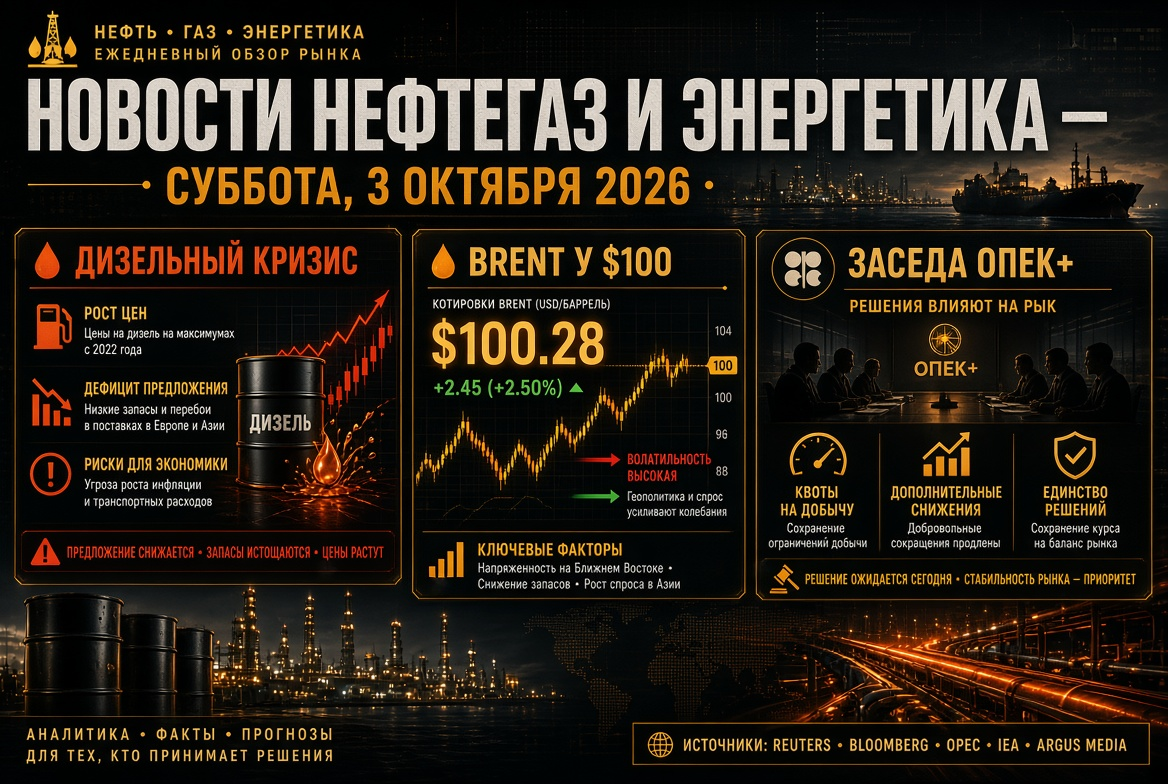
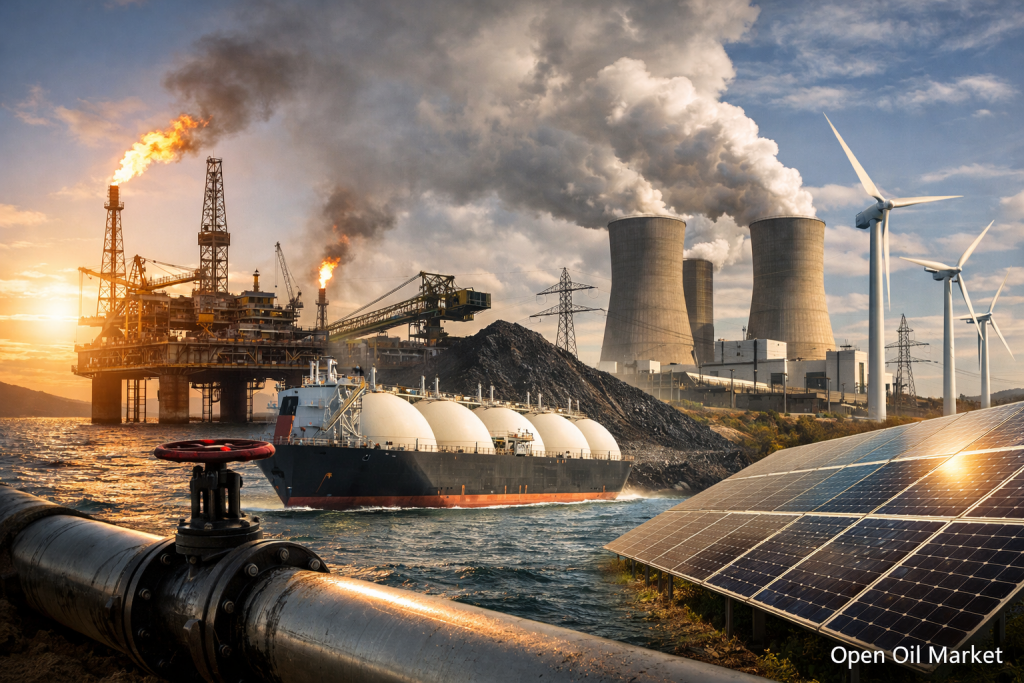
As of March 25, 2026, the global fuel and energy complex is experiencing heightened volatility. The primary concern for investors, oil companies, fuel firms, and market participants in the energy sector continues to be the energy shock caused by supply disruptions from the Middle East. For the global oil market, this translates to an increase in geopolitical premiums; for the gas market, intensified tensions surrounding LNG; for the electricity sector, greater sensitivity to fuel costs; and for the refinery and petroleum products segment, expanded refining margins and increased logistical complexities. Against this backdrop, energy is increasingly splitting into two parallel narratives: the short-term struggle for physical access to raw materials and the long-term competition for the sustainability of energy systems, where renewable energy sources, energy storage, and investments in grid infrastructure play an increasingly crucial role.
Oil: The Market is Trading Through Supply Risks Rather Than Comfortable Balance
In the oil market, the focus is not so much on the fundamental balance of supply and demand as it is on the likelihood of a prolonged supply disruption. This changes the entire pricing structure. Investors in oil, petroleum products, and shares of oil and gas companies are once again incorporating a risk premium into prices, associated with the transport of raw materials and the functionality of export infrastructure in the Persian Gulf region.
- Brent has settled above a psychologically important level, pushing the market back into a phase of nervous risk reassessment.
- The key question for oil companies and traders is not only the volume of supply disruption but also the duration of logistical disruptions.
- Even a moderately timed crisis can sharply reduce the availability of export flows and alter supply routes.
For the global oil and gas market, this means a transition from a mild surplus scenario to one of forced adaptation. In such an environment, suppliers with shorter logistics, access to maritime infrastructure outside risk zones, and stable export discipline stand to benefit. For oil companies, this also creates an opportunity window in upstream operations, albeit with heightened political and operational risks.
OPEC+ and Supply: Formally, the Market Receives Additional Barrels, but They Do Not Alleviate Tension
OPEC+'s strategy in early March anticipated a moderate increase in production; however, the current situation has underscored the limitations of this tool. Formally, additional volumes are important for signaling to the market, but under conditions of transportation constraints and high sensitivity to supply routes, even production increases do not guarantee a rapid normalization.
- Additional barrels are beneficial for stabilizing expectations.
- However, actual oil availability depends on logistics, insurance, freight costs, and the physical accessibility of export corridors.
- Therefore, the market evaluates not only production but also the ability to swiftly deliver raw material to refineries and end users.
For investors, this indicates that the classic analysis of OPEC+ quotas in the coming days will be overshadowed by an analysis of logistics, reserves, and export infrastructure. Thus, the oil market remains highly sensitive even to minor news from the supply segment.
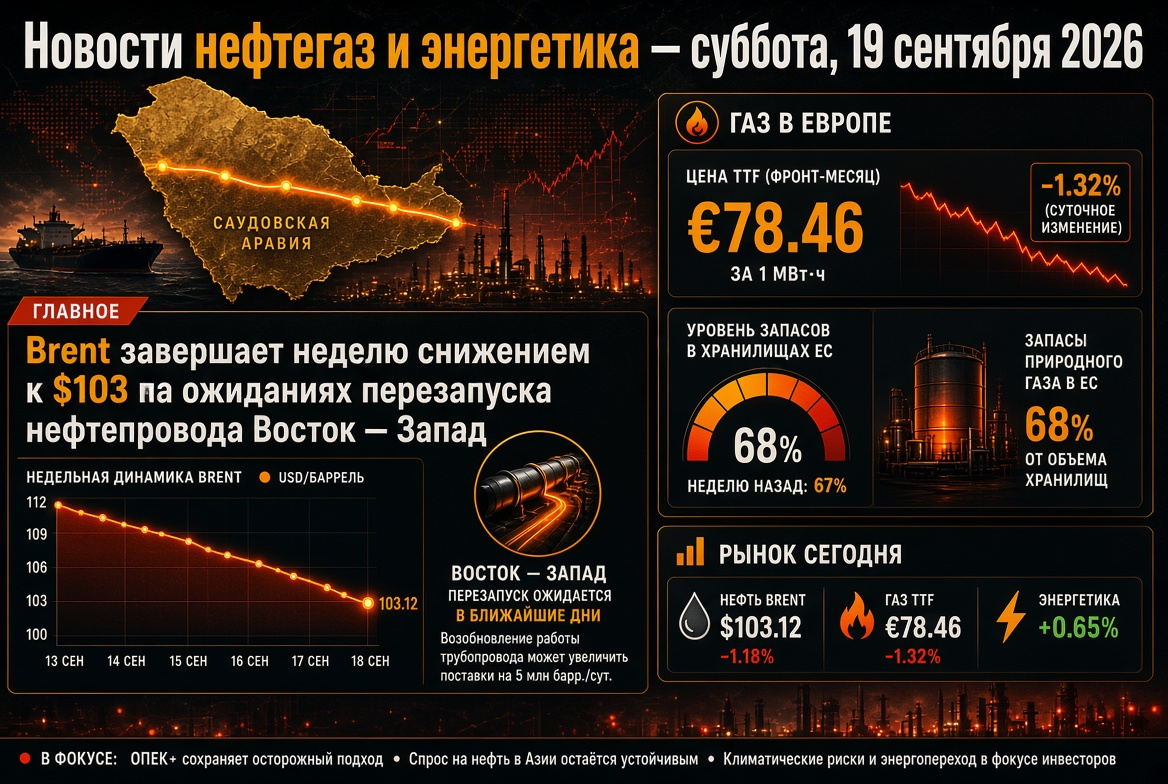
Gas and LNG: Pressure is Stronger than Oil, and Europe Enters the Injection Season Without Comfort Reserves
The gas market appears even more vulnerable. While oil can be partially redistributed among regions, the gas market—especially the LNG segment—depends heavily on the continuity of maritime supply, terminal loading, and contract flexibility. For Europe, this is particularly alarming as the region approaches a new injection cycle for underground gas storage with a weaker starting position than a year ago.
- The European gas market remains dependent on LNG imports.
- Any disruptions in supplies from Qatar and key maritime routes immediately reflect on TTF prices.
- The summer gas injection season now begins under conditions of more expensive gas and increased competition for LNG cargoes.
For market participants in gas and electricity, this means that volatility in Europe may persist even in the absence of physical shortages on any given day. The market has become more expensive and nervous in itself. For industry, this poses a risk of rising costs; for the utilities sector, the risk of political pressure; and for investors, a rationale for adopting a more cautious view of European energy and gas-intensive industries.
Refineries and Petroleum Products: Refining Receives a Strong Impetus Again, but Operational Risks are Rising
For the refinery segment, the current week is poised to be one of the most significant in a long time. Rising raw material costs, supply disruptions of certain types of oil, and increased demand for diesel, jet fuel, and other petroleum products are expanding refining margins. This is positive for efficient refiners, particularly those with access to a flexible raw material basket and stable export channels.
However, the picture is not exclusively positive. The higher the tension in the market, the greater the operational risks:
- It becomes more challenging to source raw materials that fit the configurations of refineries;
- Transport and insurance costs for cargoes are increasing;
- The risk of local export restrictions on petroleum products from certain countries is intensifying.
For petroleum products, this indicates a shift in the market towards a scarcity premium. For investors in the downstream segment, it is essential to consider not only the margin level but also the company's ability to quickly adjust logistics and ensure the uninterrupted operation of refineries.
Electricity: Expensive Gas Strengthens the Role of Coal, but Renewables and Storage Become Even More Important
The electricity sector is entering a new phase where high gas prices are prompting systems to utilize coal, nuclear generation, renewables, and storage more actively. In Asia, this is already resulting in increased loading of coal-fired power plants. In Europe and North America, the overarching question is broader: how to maintain the reliability of energy systems without compromising the economics of the energy transition.
The rising demand for electricity, driven by digital infrastructure, industry, and electrification, enhances this trend. The energy narrative is evolving beyond just oil and gas to encompass fundamental capacity, grid flexibility, and the ability to integrate renewables without sacrificing stability.
- Gas remains a vital fuel for balancing energy systems.
- Coal temporarily regains some positions as an insurance resource.
- Renewables and storage transition from being just a branding priority to becoming essential components of energy security infrastructure.
For electricity companies, this signifies increased capital intensity. For investors, it necessitates evaluating not only the cost of generation but also access to networks, storage, backup capacity, and long-term power supply contracts.
Coal: The Market Gains New Life as Insurance Against Expensive Gas
Amidst costly LNG and unstable gas flows, coal is once again solidifying its position in the energy balance of several countries. This does not imply a strategic reversal in the global energy transition, but in the short term, coal is becoming a fallback fuel for electricity, particularly in Asia. This supports demand for quality thermal coal and improves the pricing situation for certain exporters.
Two conclusions are critical for participants in the energy sector. First, coal remains a factor in energy security despite climatic pressures. Second, high gas prices automatically enhance coal's competitiveness in countries prioritizing reliable electricity supply.
Implications for Investors and Energy Sector Companies as of March 25
The current market demands a different decision-making strategy from investors and participants in the energy sector. The focus shifts from abstract long-term scenarios to specific business resilience parameters in response to supply shocks.
- In oil, the key aspects are export logistics, political risk, and access to backup routes.
- In gas, it is contract flexibility, access to LNG, and readiness for an expensive summer storage season.
- In electricity, the ability to manage fuel structures, networks, and reserve capacity is crucial.
- In refineries and petroleum products, flexibility in raw material sourcing and resilience of the downstream chain are essential.
- In renewables, the emphasis isn't just on installation rates but also on the ability to address reliability through storage and grid modernization.
This combination of factors will determine the leaders and laggards in the energy market in the coming weeks.
The Global Energy Sector Enters a Phase of Expensive Security and New Asset Revaluation
As of March 25, 2026, the global markets for oil, gas, electricity, renewables, coal, petroleum products, and refineries are shaping a new price architecture. This structure revolves around the notion of costly energy security. Oil and gas once again receive a geopolitical premium, LNG is becoming a key scarce resource, refineries profit from margin increases, coal temporarily strengthens its position, and the electricity sector speeds up investments in system resilience. For the global energy sector, this isn't just a temporary fluctuation; it's a signal that the cost of reliability is once again a central variable in the market.
For investors, oil companies, fuel firms, and all participants in the energy market, the coming days will hinge on one question: who can not only withstand the energy shock but also turn it into a strategic advantage.