Energy and Oil & Gas News for Thursday, July 2, 2026: Oil Loses Geopolitical Premium, OPEC+ Prepares for Production Increase, LNG Market Remains Tight, Diesel and Refineries Capture Investors' Attention
The global fuel and energy sector enters a new phase of risk reassessment on Thursday, July 2, 2026. After months of heightened volatility due to the Iran conflict and shipping risks through the Strait of Hormuz, the oil market is gradually returning to more fundamental logic: demand and supply balance, OPEC+ policies, Chinese import dynamics, petroleum product inventories, and logistics costs are once again becoming key factors for investors.
However, it would be premature to declare complete normalization. Brent oil has stabilized around the low $70 range per barrel, but transportation risks, shortages of certain petroleum products, tightness in the LNG market, and high backup generation costs still keep significant uncertainty premiums for the energy sector. For oil companies, fuel traders, refiners, electricity market participants, and investors, the coming weeks will be determined by not only crude oil prices but also the state of the entire energy supply chain—from production and refining to the supply of diesel, gas, coal, and electricity.
Oil: Market Reduces Geopolitical Premium but Risk from the Strait of Hormuz Remains
The key event of the day for the oil and gas sector is the further reduction of the geopolitical premium in oil prices. Positive negotiation signals between the US and Iran have eased concerns about new supply disruptions. Brent is trading around $72 per barrel, and WTI is below $70, sharply contrasting with spring peaks when the market priced in scenarios of prolonged shipping restrictions in the Persian Gulf.
For investors, this signals a shift from the “shortage at any cost” scenario to a more complex picture:
- Physical oil supplies are recovering, but not uniformly;
- Freight and insurance costs remain above pre-crisis levels;
- Some Asian buyers continue to cautiously build inventories;
- The petroleum product market is recovering more slowly than the crude oil market.
A key takeaway for oil companies: the current Brent price no longer reflects a panic scenario but still does not indicate a complete return to a normal market. For energy sector participants, it is crucial to monitor not only futures but also tanker traffic data, regional differentials, physical oil premiums, and refining margins.
OPEC+: Cautious Production Increase Instead of Aggressive Price Support
OPEC+ is once again in the spotlight. Market expectations are that key alliance participants may agree on another increase in target production levels starting in August of about 188,000 barrels per day. This continues the line of gradual reversal of previous cuts and indicates that producers are attempting to regain market share without allowing prices to crash sharply.
For the oil and gas sector, this approach presents a mixed signal. On one hand, increased supply limits the potential for Brent and WTI price growth. On the other hand, actual production among several countries remains below target levels due to logistical, technical, and political factors. As a result, declared quotas do not always translate into actual barrels in the market.
Investors should focus on three indicators:
- Actual production from Saudi Arabia, Russia, Iraq, and the UAE;
- Recovery rates of exports through Middle Eastern routes;
- The reaction of Asian demand, particularly from China and India.
If OPEC+ increases supply faster than demand recovers, oil may remain under pressure. However, if logistics face new constraints again, the market may quickly reinstate some risk premium.
Gas and LNG: Europe Buys Time, but Winter Balance Remains Vulnerable
In the gas market, the primary focus shifts to Europe and Asia. The European TTF is holding around €43–44 per MWh, which is lower than the panic levels of spring but significantly above a comfortable range for energy-intensive industries. Meanwhile, the Asian LNG benchmark JKM remains around $16 per MMBtu, maintaining competition between Europe and Asia for flexible cargoes of liquefied natural gas.
The situation in the gas market seems less acute than in March–April, but fundamental risks persist:
- European storage levels remain below desired trajectories ahead of winter;
- The LNG market depends on the restoration of Middle Eastern supplies;
- The US remains the key supplier of flexible LNG cargoes;
- Asia may ramp up purchases in response to hot weather and rising electricity demand.
For gas companies and traders, this means that the summer injection season will be under pressure. Even in the absence of new shocks, Europe will need to compete for LNG, and any worsening weather, terminal export incidents, or rising consumption in Asia could quickly return volatility.
Petroleum Products and Refineries: Diesel Becomes the New Risk Center
While the crude oil market is gradually settling, the petroleum products segment remains more volatile. Diesel, jet fuel, and gasoline are recovering more slowly due to refining constraints, low inventories, and supply disruptions. The diesel market is particularly sensitive, as any export ban or refinery underutilization could quickly trigger a new price shock.
Risks for refineries are currently distributed across several fronts:
- High utilization rates increase operational risks and the likelihood of accidents;
- Postponed maintenance keeps current margins high but creates risks for future disruptions;
- Demand for diesel remains robust from transportation, industrial, and agricultural sectors;
- Jet fuel is supported by the summer tourist season and the recovery of international flights.
For refining companies, the period remains favorable in terms of margins, especially for plants with a high yield of middle distillates. But for fuel companies and industrial consumers, this means continued risk of high procurement prices and the need for more precise inventory management.
Electricity: Growing Demand from Data Centers Alters the Investment Landscape
The electricity sector is becoming one of the main investment focuses in the global energy landscape. Increasing consumption from data centers, artificial intelligence, and the electrification of transport and industry intensifies demand not only for renewable energy sources but also for gas generation, grids, storage, and backup capacities.
In the US, investments in gas and coal power plants in 2026, according to industry experts, could exceed Chinese levels for the first time in decades. This is an important signal: even with an acceleration of renewables, the market demands reliable baseload and peak power. For investors, this opens opportunities in several segments:
- Gas turbines and peak power generation equipment;
- Construction and upgrading of electricity grids;
- Energy storage systems;
- Contracts for electricity supply to data centers;
- Load balancing infrastructure.
Electricity is gradually transforming from a utility sector into a strategic asset of the digital economy. This enhances the investment attractiveness of grid companies, equipment manufacturers, and flexible generation operators.
Renewables: Generation Records Intensify Grid and Negative Price Issues
Renewable energy continues to set records. In Germany, the share of renewables in electricity consumption reached a record 58% in the first half of 2026. Solar generation in Europe increasingly covers a significant portion of daytime demand, particularly in Germany, Spain, and France.
However, rapid renewable growth reveals a new problem: producing cheap green electricity no longer equates to high profitability. During peak solar generation hours, electricity prices can drop to zero or even negative territory. Grid constraints force operators to curtail output, and the profitability of solar projects depends on the availability of storage, flexible demand, and long-term contracts.
For renewable investors, a key question is changing. Previously, the main focus was on building capacity. Now, the emphasis is on ensuring monetization:
- Access to grids;
- Energy storage;
- PPA contracts with industrial consumers;
- Managing generation profiles;
- Integration with hydrogen, data centers, or industrial clusters.
Renewables remain a structurally growing sector, but the market is becoming more selective: projects with flexibility, contract bases, and grid accessibility will command premiums.
Coal: Asia Supports Demand Despite Energy Transition
The coal market maintains resilience through Asia. The import of thermal coal in the region increased significantly in June due to purchases from China, Japan, and South Korea. The reason lies in a combination of seasonal electricity demand, expensive LNG, and the need to maintain stable generation during hot periods.
China remains both the world leader in renewable energy capacity addition and the largest consumer of coal. This is not a contradiction but rather a reflection of its energy strategy: the country is building solar and wind capacities but retains coal as a tool for energy security and industrial resilience. Meanwhile, India seeks to reduce imports through domestic production and increasing renewables, but coal generation still underpins its energy system.
For coal companies, the current outlook is moderately positive. Prices for thermal coal remain significantly below the crisis peaks of 2022 but above last year’s levels. For investors, the sector remains contentious: while cash flows are stable, ESG restrictions, regulatory pressures, and long-term decarbonization limit valuation multiples.
Key Takeaways for Investors and Participants in the Energy Sector
Thursday, July 2, 2026, indicates that the global energy sector is emerging from the acute phase of the oil shock but not returning to previous stability. Risks are now more dispersed: oil prices are decreasing, but diesel remains tight; LNG stabilizes, but Europe lacks full winter reserves; renewables are growing, but grids are lagging; coal is losing long-term appeal but remains essential for Asia.
For investors, oil companies, refiners, fuel traders, and energy holdings, the key indicators for the coming days are:
- Brent and WTI: Holding prices around current levels will indicate how much the market believes in sustained de-escalation.
- OPEC+: The decision on August quotas will determine the supply balance for Q3.
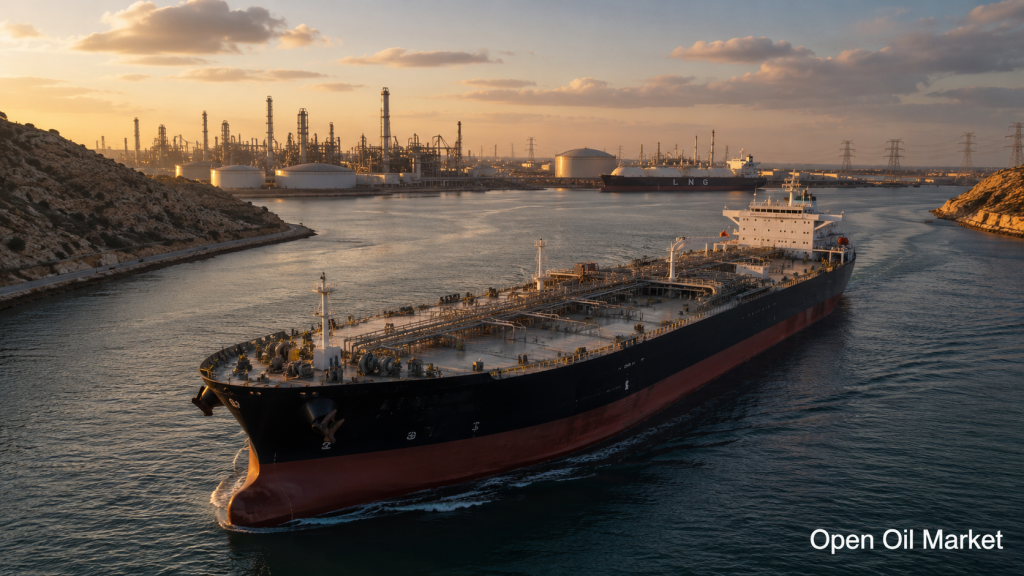
- Strait of Hormuz: Real tanker traffic and freight costs are more important than statements.
- Diesel and Jet Fuel: Refining margins remain an indicator of real petroleum product shortages.
- European Gas Stores: Injection rates will influence winter TTF prices.
- LNG in Asia: A rise in JKM above European levels could redirect flexible cargoes from Europe to Asia.
- Power Grids and Renewables: The investment focus shifts from simple capacity addition to flexibility and storage.
The main investment idea of the day: the energy market is no longer evaluated solely through the price of a barrel. In 2026, profitability in the energy sector increasingly depends on companies' abilities to manage infrastructure, logistics, refining, electricity balancing, and supply contracts. The winners will be those players who control not just one asset but the entire value chain—from raw materials to end consumers.