Current News in Oil, Gas, and Energy as of April 9, 2026, Including the Oil Market After Hormuz, LNG Growth, and the Impact on Electricity and Refining
As of April 9, 2026, the global fuel and energy complex is experiencing heightened volatility. For the oil, gas, electricity, renewable energy, coal, petroleum products, and refining sectors, the primary factor remains geopolitical risk in the Middle East and its impact on physical supplies. Following a sharp rise in oil prices and supply chain disruptions through Hormuz, market participants are assessing whether the crisis will evolve into a long-term shortage or if the market will gradually transition to a new configuration of supply. For investors, fuel companies, oil firms, and refiners, the critical question is not only the price of raw materials but also the resilience of the entire supply chain—from extraction and transportation to refining, generation, and end consumption.
Oil Market: From Panic to Cautious Stabilization
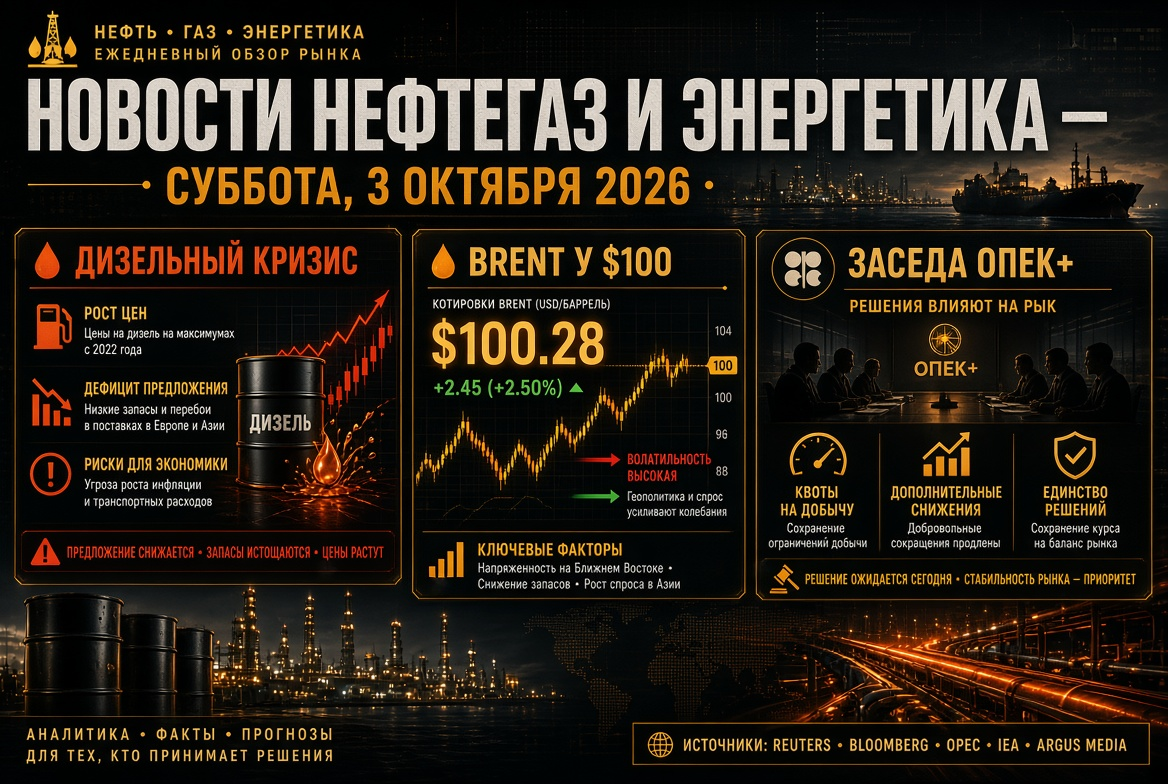
The oil segment remains the focal point of the global energy sector. At the beginning of April, the market experienced one of the most significant shocks in recent years: physical deliveries of oil sharply increased in price, while premiums for prompt shipments rose amid disruptions in Middle Eastern routes. However, by April 9, a more complex picture is forming: the exchange market is attempting to price in the potential for an easing of tensions, while the physical market still maintains a shortage of available barrels.
- The futures oil market has become sensitive to news regarding ceasefires and partial recovery in shipping.
- The physical oil market, conversely, continues to factor in risks of underdeliveries and costly logistics.
- For oil companies and traders, access to actual raw material becomes more critical than just the Brent price benchmark.
This is why the oil and gas market is currently in a mode of dual assessment: paper oil is depreciating faster than physical grades. For participants in the commodity sector, this means maintaining a high premium on supply reliability, especially for refineries in Europe and Asia.
OPEC+ and Supply: Symbolic Increase in Production, but Not a Complete Solution
On the supply side, investors are closely monitoring OPEC+'s actions. Formally, the alliance has confirmed its readiness to adjust production; however, the market understands that an increase in quotas does not equate to an immediate rise in actual exports. The issue pertains not only to oil production volumes but also to infrastructure, vessel insurance, shipping routes, and political risks.
- Additional barrels from OPEC+ are crucial for expectations but limited by logistics.
- Saudi Arabia, the UAE, Iraq, and Kuwait remain critically significant for the balance of the global market.
- Compensatory plans from individual countries within OPEC+ indicate that supply discipline is once again influencing prices.
For investors, this means that the oil market in April will be defined not only by formal cartel decisions but also by how quickly physical flows through key nodes can return to normal. Until this happens, oil and petroleum products maintain heightened sensitivity to any new geopolitical signals.
Gas and LNG: The Global Market Enters a Phase of Intense Competition
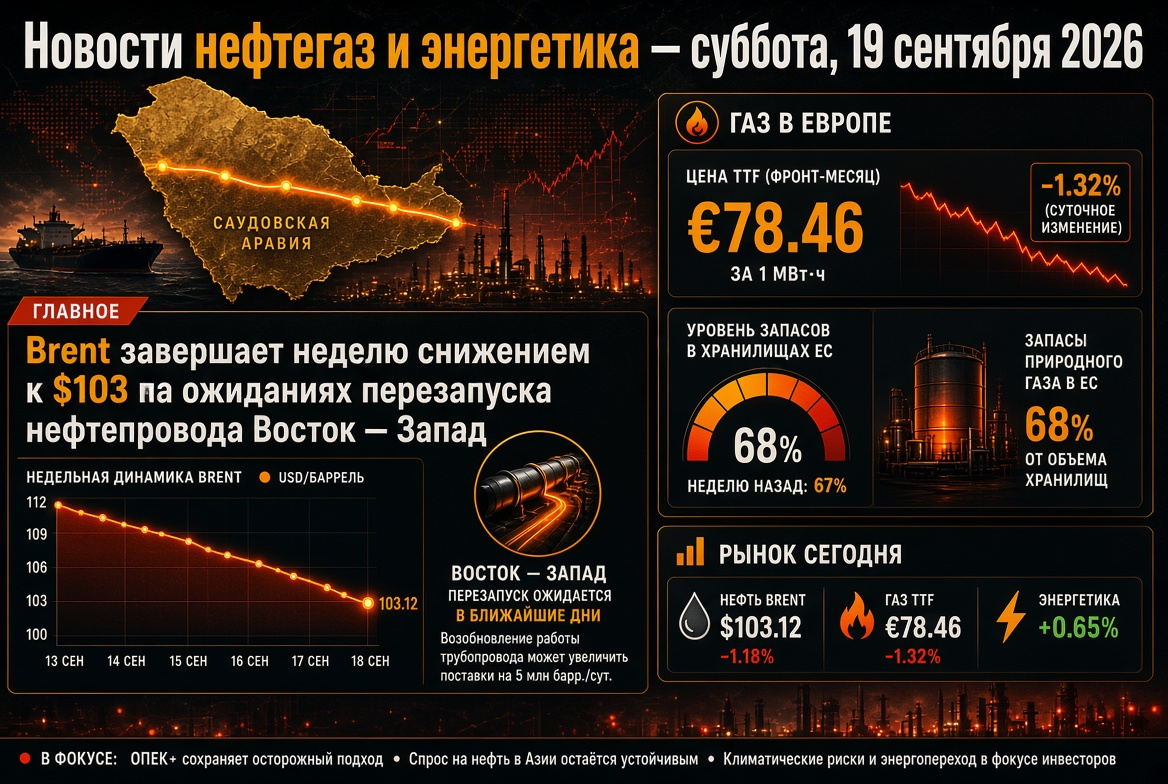
The gas and LNG segment is once again at the center of the global energy balance. Disruptions in Middle Eastern supplies have intensified the competition for available volumes of liquefied natural gas. Europe, Asia, and developing countries are simultaneously attempting to secure imports, which is pushing prices upward and increasing pressure on electricity generation.
Against this backdrop, the United States is particularly highlighted as it reinforces its role as the largest LNG supplier in the global market. The increase in American exports helps partially offset lost volumes but does not alleviate the issue of high gas prices for importers. For Europe, this signifies a continuation of a costly energy security model, while for Asia, it raises the risk of reverting to more carbon-intensive generation.
- The LNG market is becoming the primary tool for redistributing global gas.
- Countries with access to long-term contracts gain an advantage over spot purchasers.
- The high price of gas amplifies interest in coal, nuclear generation, and renewable energy sources.
Electricity: Expensive Gas Alters Generation Structure
For the electricity sector, April 9, 2026, marks a moment of restructuring within the generation framework. When gas prices rise, energy systems begin to seek cheaper and more predictable alternatives. In Asia, there is an increasing shift back to coal generation, and several countries are easing restrictions on coal plants to maintain energy supply stability and control tariffs.
Concurrently, interest in nuclear energy is growing as a stable source of baseload power. However, the situation is heterogeneous: some countries view nuclear as part of a long-term strategy, while others, like Norway, currently perceive the development of nuclear generation as less economically justified compared to hydropower, wind energy, and modernization of existing systems.
For market participants in the electricity sector, the key takeaway is clear: in 2026, fuel costs are again directly influencing tariffs, industrial competitiveness, and investments in new capacities.
Coal Returns as a Backup Element in Energy Security
In the context of high gas prices, coal is once again strengthening its position in the global energy landscape, especially in Asia. This does not signify a long-term abandonment of decarbonization, but it demonstrates that, in a crisis, energy supply reliability takes precedence. For countries where LNG imports have become more expensive or less accessible, coal remains the quickest option to support electricity generation.
This pivot is significant both for the commodity sector and for investors. Prices for thermal coal and logistics for coal supplies are once more becoming important variables for industrial companies, electric utilities, and traders. In the short term, coal benefits as a safeguard asset within the system, although over the strategic horizon, this trend will conflict with climate policy and ESG agendas.
Refineries and Petroleum Products: Refining Gains a Premium but Faces More Risks
The refining sector is among the major beneficiaries of the crisis from a margin perspective but simultaneously faces increased operational risks. Refining benefits from high crack spreads on diesel, jet fuel, and other petroleum products, particularly in regions that have lost their usual Middle Eastern supplies. However, this profitability is accompanied by expensive raw materials, hedging volatility, and complications in selecting the optimal oil input mix.
Currently, three trends are crucial for the global market for petroleum products:
- Diesel and aviation fuels maintain a premium.
- American supplies of petroleum products partially cover deficits in Europe, Asia, and Africa.
- The importance of flexibility for refineries is increasing: the ability to quickly adjust the feedstock basket is becoming a competitive advantage.
Investors should be aware that refining under these conditions may demonstrate strong financial results, but this will only be true for those companies that effectively manage raw materials, logistics, and derivative instruments.
Renewable Energy and the Energy Transition: The Crisis Accelerates Pragmatism Over Ideology
The renewable energy sector continues to grow, but its driving force is now not solely climate policy but also energy independence. France is already betting on large-scale tenders in renewable energy while simultaneously emphasizing localization of equipment in Europe. This is an important signal for the global market: renewable energy is increasingly viewed as an element of industrial strategy and protection against external shocks.
In Europe, wind and solar generation have already secured stronger positions within the energy balance, and the increasing share of renewable energy is reducing dependence on imported gas. However, the crisis reveals limitations: without grid infrastructure, storage systems, and backup capacity, renewable energy alone does not solve the issues of peak loads and price volatility.
- Renewable energy strengthens its position as an instrument of energy security.
- Localization of equipment production is becoming a new topic for investors.
- Simultaneously, the value of networks, storage systems, and flexible generation is increasing.
What This Means for the Market on April 9
As of April 9, 2026, the global fuel and energy complex remains in a transitional phase. Acute panic in the oil market has subsided, but fundamentally, the risks for oil, gas, petroleum products, electricity, and refining have not yet abated. Several basic benchmarks have formed for the global market:
- oil will remain volatile until trust in physical deliveries is restored;
- gas and LNG will maintain strategic importance for Europe and Asia;
- coal and nuclear generation are temporarily strengthening their roles within the energy balance;
- renewable energy solidifies its position as part of a new architecture of energy security;
- refining and petroleum trading remain among the most sensitive segments of the energy complex.
For investors, market participants in the energy sector, fuel companies, and oil firms, the key takeaway is that global energy is once again being assessed through the lens of supply chain resilience. In the coming days, attention will be focused on the status of export routes, OPEC+ actions, LNG dynamics, and the ability of energy systems to maintain tariffs without destroying demand. This is where a new risk pricing is being formed for the entire commodity and energy sector.