Oil and Gas and Energy News for March 19, 2026: Rising Brent Oil Prices, Geopolitical Risks, Hormuz Strait, LNG Crisis, Gas Market in Europe, Oil Products and Refineries
The global fuel and energy complex is entering a phase of heightened turbulence as of March 19, 2026. For investors, oil companies, refineries, traders, petroleum product manufacturers, and electricity market participants, the central theme remains the geopolitical premium in commodity quotes. The prices of oil, gas, and oil products are rising not only due to market emotional reactions but also due to actual disruptions in logistics, risks to export infrastructure, a reduction in LNG supply, and increasing pressure on processing supply chains.
In this context, energy once again becomes the primary macroeconomic driver: inflation, transportation costs, manufacturing costs, refinery margins, and tariff stability in the electricity sector depend on Brent and LNG prices. For the global fuel and energy market, not only the price levels are crucial, but also the depth of reconfiguration of flows between regions and the ability of nations to quickly switch between oil, gas, coal, nuclear, and renewable generation.
The Oil Market: Geopolitical Premium Becomes the Primary Price Factor Again
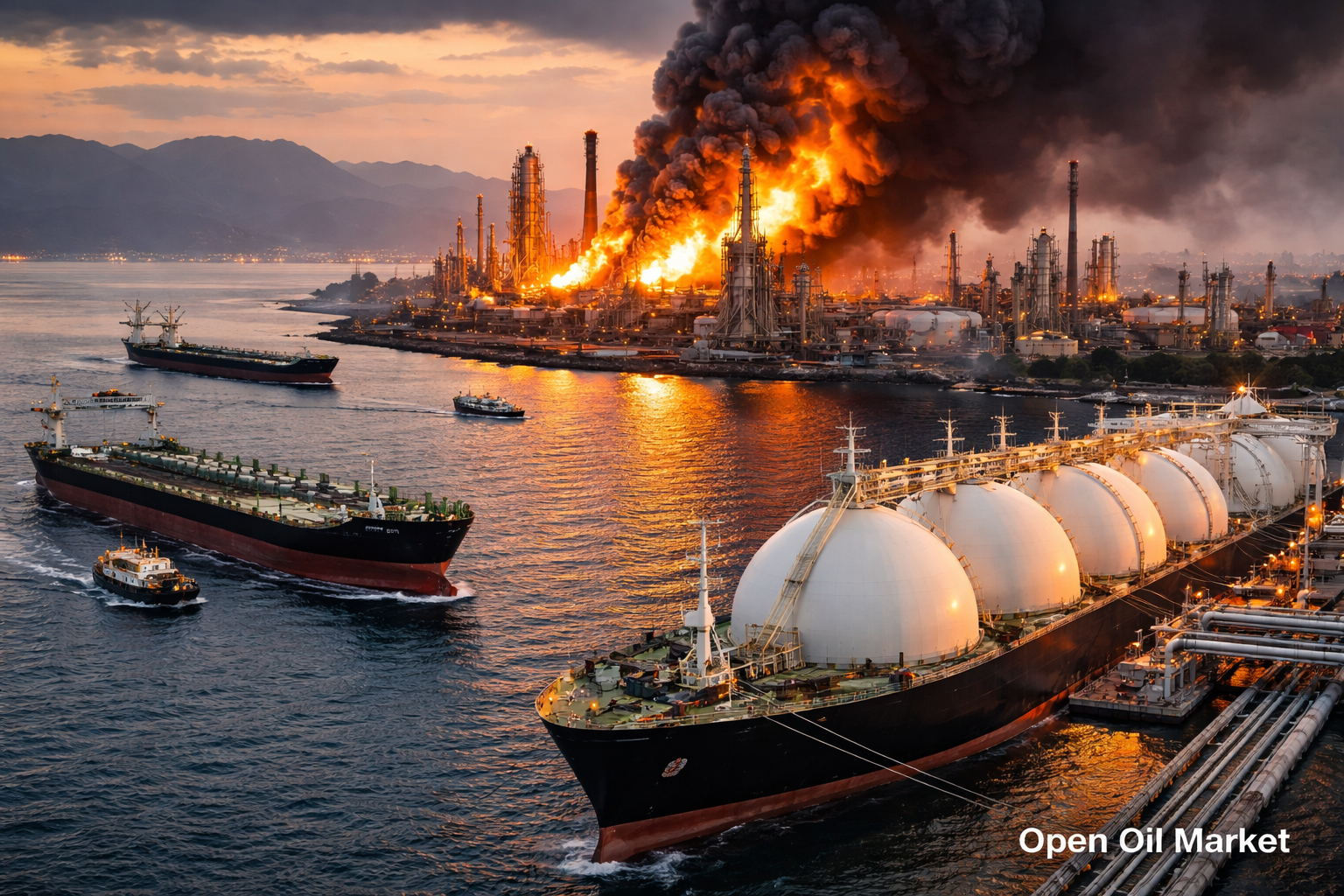
A key event for the global oil and gas market has been the new escalation surrounding energy infrastructure in the Persian Gulf. After strikes on facilities near South Pars and Asaluyeh, the market has begun to factor in not just a short-term spike in volatility, but the risk of a more prolonged disruption in oil and gas supplies. This is why Brent moving above psychologically significant levels appears not as a speculative episode but as a response to a real threat to the world’s largest export hub.
- Oil remains sensitive to any information regarding the Hormuz Strait.
- The risk premium quickly re-evaluates long-term supply expectations.
- For fuel and energy market participants, the volumes of production as well as the availability of export routes are vital.
If tensions persist in the upcoming sessions, the oil market will operate not on the classical logic of supply and demand, but on the logic of the availability of physical barrels. For oil companies, this means increased revenue, but for refining, transportation, and end consumers, the situation becomes significantly more complicated.
The Hormuz Strait, Export Routes, and New Global Supply Balance
The Hormuz Strait remains a critical point for global energy supply. A significant portion of the world’s oil and LNG trade passes through this corridor, so any disruption to shipping automatically affects commodity prices, transportation insurance, freight costs, and delivery timelines for petroleum products. For global energy, this poses not just a local conflict, but a risk of redistributing flows between the Middle East, the USA, Europe, and Asia.
The market is currently essentially operating in three simultaneous modes:
- Fear of crude oil and condensate shortages;
- Reassessment of the availability of gas and LNG;
- Rising costs of refined products, primarily diesel, jet fuel, and gasoline.
For this reason, it is important for investors to focus not only on Brent and WTI quotes but also on differentials, freight rates, export flows from the USA, refinery utilization, and price dynamics in the diesel segment. Medium distillates have become one of the most vulnerable links in the crude market.
Gas and LNG: Tension in Qatar and a New Phase of Gas Competition
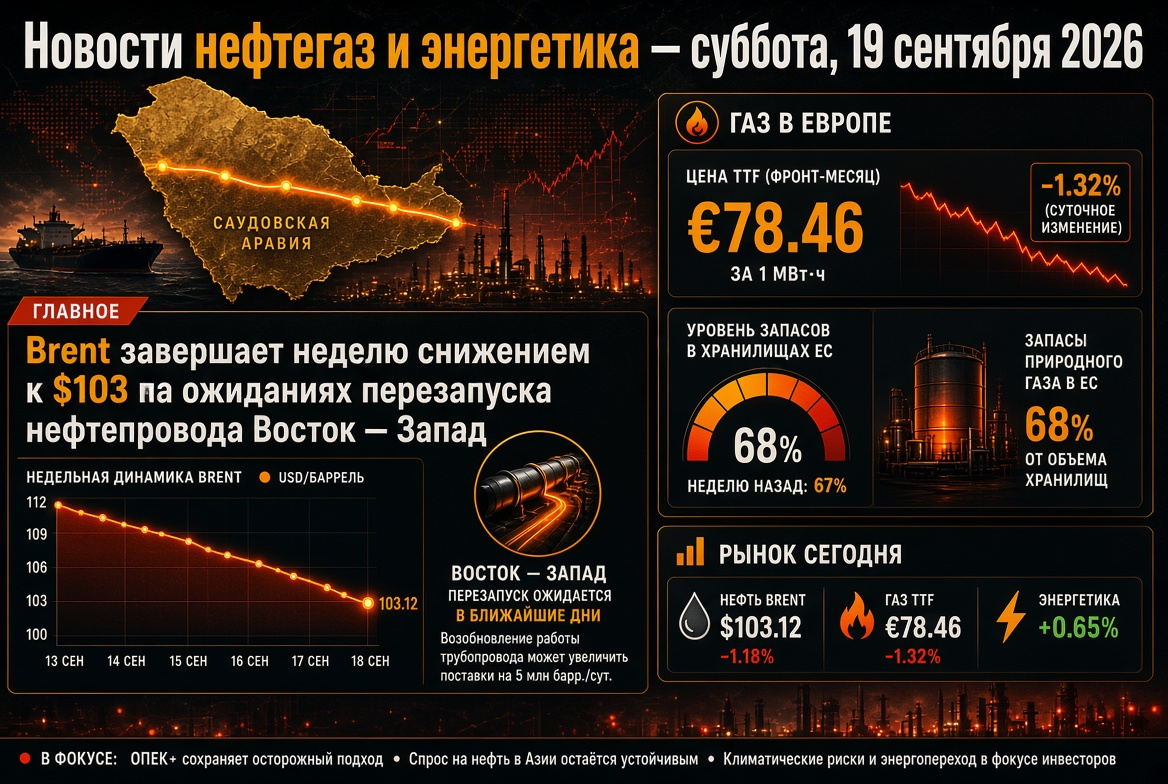
The natural gas and LNG segment appears to be even more sensitive than oil. Reduced availability of Middle Eastern LNG intensifies the competition for available volumes between Europe and Asia. For the global gas market, this signals not just a price increase but a shift in priorities in cargo allocation, regasification capacities, and long-term contracts.
For energy market participants, the following consequences are particularly significant:
- Increased competition for spot LNG cargoes;
- Rising costs for gas generation;
- Heightened roles for coal, nuclear generation, and renewables in balancing energy systems;
- Pressure on import-dependent economies in Asia and Europe.
This means that the gas market may experience not only price surges but also structural changes in contracts in the coming weeks. In this environment, countries and companies with diversified procurement strategies, developed storage infrastructure, and the ability to quickly adjust fuel balances stand to benefit.
Europe: Gas Storage, Electricity, and Industrial Protection
The European market is entering a new phase with diminished resilience. Low levels of storage fill rates by the end of March increase sensitivity to any additional LNG supply reductions. For industry, electricity generation, and trading, this enhances the likelihood that the summer gas injection season may begin with a tighter pricing structure than the market anticipated earlier this year.
At the same time, Europe is attempting to maintain a balance between price stability and the energy transition. On one hand, the European Union does not wish to dismantle the market architecture of electricity. On the other hand, rising prices are compelling authorities to seek emergency mechanisms to protect households, energy-intensive industries, and the grid sector.
For the European fuel and energy complex, this signifies:
- Continued high sensitivity to gas imports;
- Increased interest in expedited network infrastructure development;
- Further advancements in solar and wind generation as elements of energy security, rather than solely climate policy.
Renewables, Coal, and Nuclear: Energy Transition is Not Cancelled but Becomes More Pragmatic
A pragmatic approach to energy transition is becoming increasingly evident in the global energy market. In Europe, solar and wind generation have already solidified stronger positions in the energy balance than traditional fossil sources collectively by the end of the previous year. However, the ongoing crisis demonstrates that during gas shortages, the system must maintain reserves in the form of coal, nuclear generation, and flexible thermal capacities.
This is why 2026 may not be the year of phasing out old energy but rather a year for new combinations of sources:
- Renewables reduce import dependency;
- Nuclear generation returns predictable base capacity;
- Coal is temporarily utilized as a crisis buffer;
- Gas remains a balancing fuel but becomes more expensive and politically sensitive.
This approach is particularly noticeable in Asia, where import-dependent countries are increasingly reevaluating their generation structures to alleviate the pressure of expensive LNG on electricity prices and industrial costs.
Asia: Import-Dependent Economies Strengthen Energy Balance Protection
For Asian countries, the events of March have served as a reminder of how critical diversification of supplies is. South Korea has already signaled its readiness to more actively employ coal and nuclear generation to reduce LNG dependency. This is a significant step: even technologically advanced economies revert to principles of energy reliability during a crisis, rather than just climate optimization.
For Asian countries, the current priorities include:
- Guaranteed oil and LNG supplies;
- Containing domestic prices for gasoline, diesel, and electricity;
- Searching for alternative suppliers of petroleum products and raw materials;
- Supporting the petrochemical industry, refineries, and export-oriented industries.
This indicates that Asian demand for energy resources is not diminishing, but rather changing structurally. Suppliers capable of rapidly compensating for lost Middle Eastern volumes of oil, petroleum products, and LNG may benefit in the market.
Refineries and Oil Products: The Diesel Market Again Becomes the Most Vulnerable
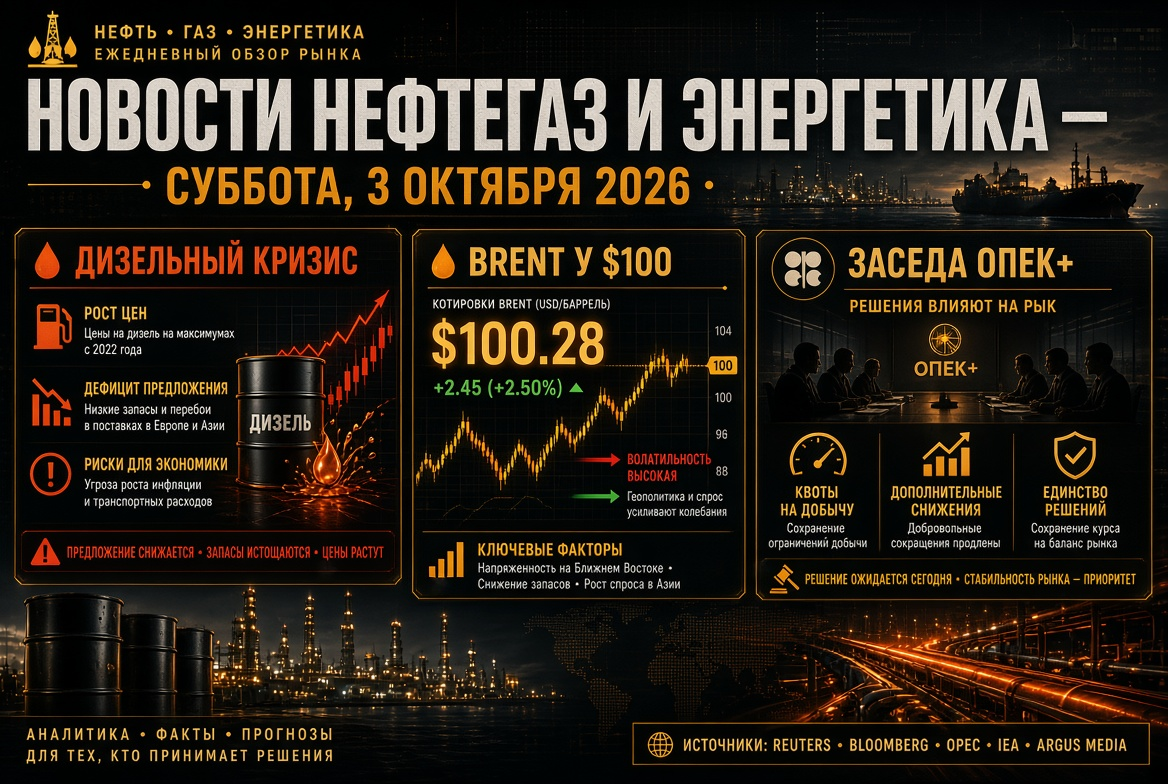
While the crude oil market is characterized by expectations, the market for petroleum products is already facing tangible supply contractions, particularly with diesel. For industry, logistics, agriculture, and maritime transport, the diesel component is becoming one of the main channels for inflation. Any disruptions at refineries or reductions in distillate exports quickly amplify pressures on the global economy.
An additional risk factor is the tension within U.S. refining. Possible disruptions at large American refineries, including those in the Midwest, heighten the significance of internal refining margins and create an even more nervous market for gasoline and diesel. At the same time, statistics on U.S. inventories show an increase in commercial oil reserves, coupled with a simultaneous decrease in gasoline and distillate inventories. This signals to the market that while raw material is available, finished products remain relatively scarce.
What This Means for Investors and Energy Market Participants
As of March 19, 2026, the global oil, gas, and electricity market is at a phase where macroeconomics and geopolitics have become completely intertwined again. For investors and energy companies, this necessitates viewing the sector not as a unified market, but rather as a system of diverging segments.
- Oil production benefits from high prices but is dependent on export logistics.
- Refineries experience volatile margins and face the risk of petroleum product shortages.
- The gas market remains the most sensitive to physical disruptions.
- The electricity sector is accelerating its transition to a more diversified model.
- Renewables are strengthening their positions but do not replace backup capacities during crisis periods.
The main takeaway for the global fuel and energy market is clear: energy security is once again becoming a key investment theme. In the coming weeks, the oil, gas, coal, LNG, petroleum products, and electricity markets will evaluate not just production volumes but also the resilience of infrastructure, routes, refineries, terminals, and national energy systems. It is this new premium for resilience that will determine the behavior of the global raw materials and energy sector.