Global Oil and Gas and Energy News for March 27, 2026, Including Oil, Gas, LNG, Electricity, Renewable Energy, Coal, and Refineries with Analysis for Investors
The global fuel and energy complex enters Friday, March 27, 2026, in a state of heightened volatility. For investors, oil companies, fuel operators, refineries, product traders, and energy sector participants, the primary factor remains not only the balance of supply and demand but also the speed at which geopolitics reassesses the value of oil barrels, gas, logistics, and backup capacities. The oil market is once again trading with a pronounced risk premium, the global gas and LNG market is facing new stress, and the energy policies of the largest economies are becoming noticeably more pragmatic.
For the global energy market, this means one thing: physical deliveries, the resilience of export infrastructure, refining margins, consumer fuel costs, and the capacity of energy systems to navigate periods of heightened turbulence without large-scale price shocks are back in focus.
Oil: The Market Once Again Operates Under the Logic of Geopolitical Premium
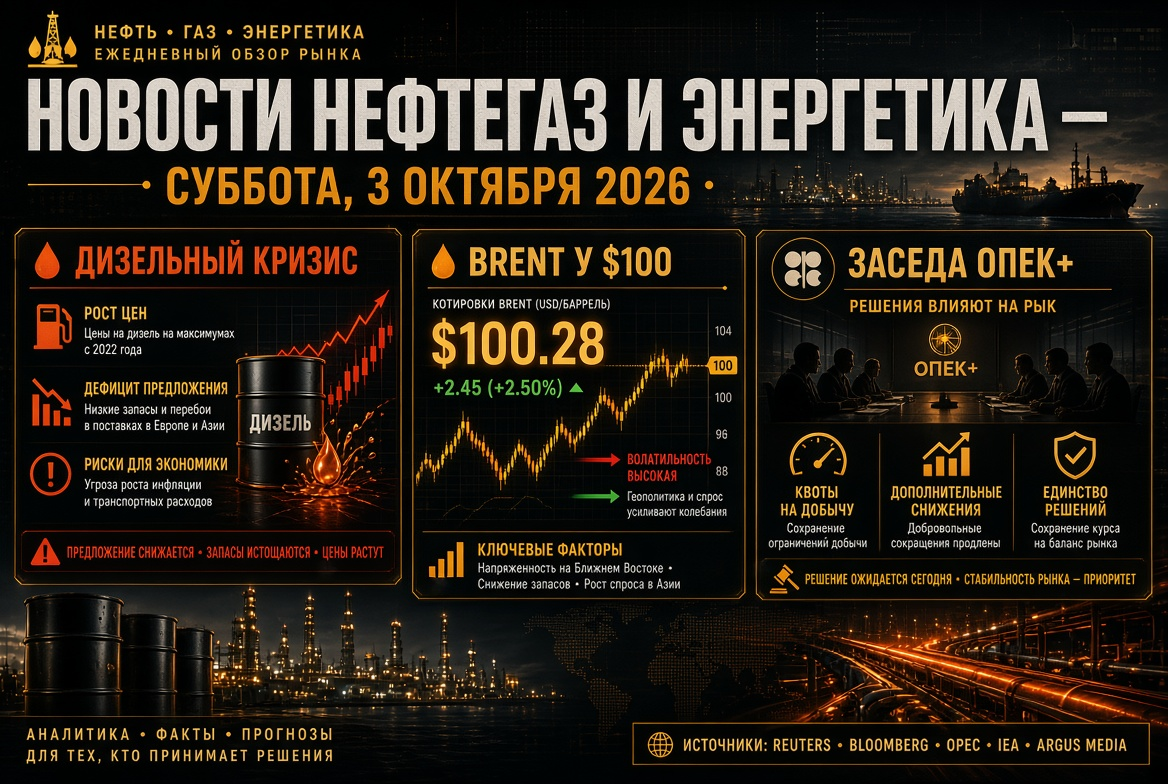
Oil remains the main indicator of tension in the raw materials market this week. For Brent, the key driver is the risk of disruptions through the Strait of Hormuz, which is critical for global oil, condensate exports, and some gas flows. Against this backdrop, the market is trading less according to classical fundamental models and more according to scenarios involving either the preservation or relaxation of transportation restrictions.
- The risk premium has returned to oil prices as a standalone factor.
- Market participants are evaluating not only production volumes but also the actual ability to export raw materials.
- Even with subsequent normalization of logistics, volatility in oil may remain elevated for several more weeks.
For oil companies and investors, this means that assessments of the upstream segment are once again closely tied to export geography, the resilience of maritime logistics, and access to insurance, tankers, and alternative supply routes.
Supply and Demand Balance: Fundamentally, the Market Remains Fragile
Despite rising prices, the fundamental picture in the oil sector does not appear unambiguously bullish. International agencies have already pointed to more moderate growth rates for global demand in 2026, and high oil prices are beginning to dampen consumption in sensitivity sectors. This is particularly important for air transport, petrochemicals, emerging markets, and some industrial demand.
- High oil prices support spot prices but simultaneously limit future demand.
- Investors are increasingly focusing on demand in Asia, primarily in China and India.
- For OPEC+ and major exporters, the price issue is becoming increasingly linked to the sustainability of consumption in the second quarter.
This is why the oil market is currently balancing between two opposing forces: geopolitical scarcity in the short term and the risk of demand slowdown in the medium term.
Gas and LNG: A New Stress Test for Global Energy
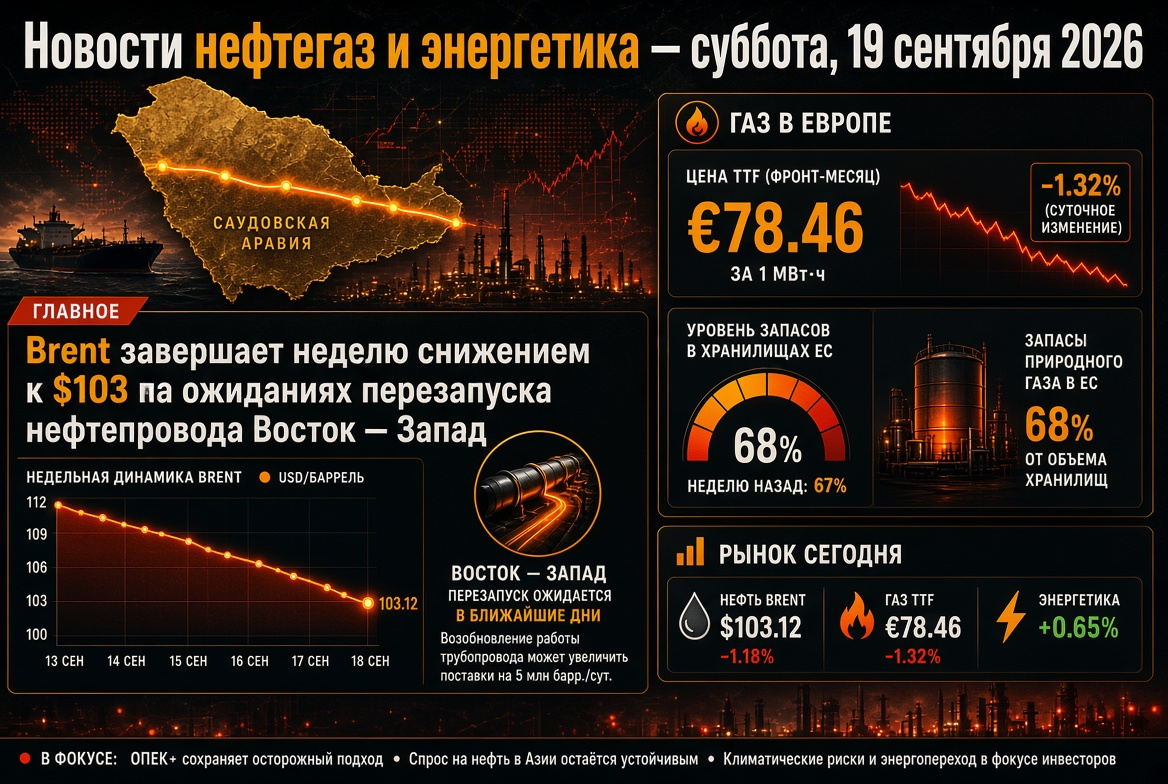
The gas market is entering Friday in an even more sensitive state than oil. Damage to infrastructure associated with Qatari LNG exports and lingering risks for routes through Hormuz have heightened market nervousness. For Asian countries, this is particularly critical since LNG provides flexibility in energy balance during peak demand periods and domestic production constraints.
- The global LNG market has become a market of scarcity rather than comfort.
- Buyers in Asia are forced to compete more aggressively for available volumes.
- Price-sensitive economies are beginning to reduce industrial gas consumption or seek alternatives.
For the global oil and gas sector, this is an important signal: even amid the anticipated wave of new LNG capacities in 2026, physical infrastructure and maritime security remain just as vital as the nominally declared volume of supply. Gas and LNG are once again becoming not just commodities but instruments of energy resilience.
Europe: The Focus Shifts from Climate to Energy Supply Reliability
The European energy sector is showing a clear shift towards energy security. Rising gas prices and supply disruption risks are prompting European regulators and governments to adjust their priorities: in the moment, the availability of fuel, the stability of electricity, and manageable prices for industry are more important than rigid adherence to previously set climate trajectories.
In practice, this means:
- a more cautious approach to accelerated abandonment of traditional energy sources;
- support for backup gas capacities in the power sector;
- increased interest in flexible solutions such as batteries, balancing generation, and grid modernization.
For investors in the European energy sector, this is an important pivot: asset values are increasingly determined not only by carbon profiles but also by the ability to provide reliable energy supply during shocks.
Electricity: System Reliability Is Becoming More Expensive Than Efficiency
The electricity sector is increasingly demonstrating that the world is entering a phase where the reliability of energy systems costs more than pure price optimization. Rising demand from data centers, industry, and digital infrastructure is elevating the value of backup capacities, storage solutions, and flexible generation.
Against this backdrop, a new hierarchy in energy is emerging:
- basic network resilience and availability of capacity;
- the speed of new project deployment;
- the cost of capital for generation and storage;
- and only then, the marginal environmental efficiency.
This does not negate the growth of renewable energy, but it changes the logic of investments. Solar and wind generation continue to expand; however, the market is increasingly evaluating them in conjunction with energy storage, gas backup, and the quality of grid infrastructure.
Coal: Backup Resource Gains Tactical Importance Once Again
Amid expensive LNG, some Asian markets are once again reinforcing coal's role in the energy balance. This is not a strategic pivot in the energy transition but a tactical measure to curb rates and navigate periods of gas shortages. For the coal segment, this creates a support window, especially in countries where thermal generation and accumulated fuel reserves are already in place.
For the global raw material market, this means that coal remains a significant stabilizer during gas crises. In the short term, it helps the electricity sector navigate price shocks, even if in the long run, capital flows continue to direct towards renewable energy, grids, and storage solutions.
Refineries and Oil Products: Refining Receives a Strong Market Argument Again
For refineries and the oil products market, the current situation appears constructive. High volatility in raw materials and supply threats through key routes enhance the significance of local refining, conversion depth, and product output flexibility. The rising refining margin is particularly noticeable where there is sustained demand for diesel, jet fuel, and certain middle distillates.
- Refineries with flexible raw material sets gain a competitive edge.
- The oil products market is increasingly reliant on logistics rather than just oil prices.
- Fuel companies benefit where they control the chain from procurement to final delivery.
For investors, this raises interest in refining, storage, terminal infrastructure, and trading platforms, especially in regions with high sensitivity to fuel imports.
Key Considerations for Energy Market Participants on Friday, March 27
As trading begins, key indicators for the oil and gas market will include:
- any signals regarding the security of deliveries through Hormuz and adjacent routes;
- the dynamics of Brent and the response of futures markets for gas and LNG;
- assessments of the resilience of Asian demand for LNG and oil products;
- changes in refining margins for refineries;
- new statements from regulators regarding electricity, backup capacities, and energy security.
The main takeaway for the global energy market is straightforward: the sector is once again trading around the physical availability of energy. Oil, gas, LNG, electricity, renewable energy, coal, oil products, and refining are now interlinked within a unified risk system, where the cost of logistics, infrastructure resilience, and backup capacity are as crucial as the nominal production volume. For the market, this suggests continued high volatility, and for investors, an increased value of quality assets with strong operational bases and access to real flows of energy.