Current Startup and Venture Capital News as of February 3, 2026: Major Funding Rounds, AI Investments, Venture Fund Activity, and Key Global Market Trends
As we enter 2026, the global venture capital market is exhibiting a confident recovery following the downturn of previous years. In 2025, venture investment volumes surged dramatically, marking the return of private equity to the startup arena. Leading venture funds and corporations have resumed large-scale investments, launched new funding programs, and governments across various countries have intensified their support for innovative businesses. Last year was the most successful since 2021 in terms of total venture investments, with a significant influx of capital largely driven by a series of massive funding rounds in the artificial intelligence sector.
Venture activity is being seen across all regions. The United States continues to retain its leadership (especially in the AI segment), the Middle East has dramatically increased its investments in tech startups, while the downturn in investment in China is offset by rapid growth in India and Southeast Asia. Overall, a new global venture capital boom is observable, although investors remain selective and cautious in their dealings.
Below are key events and trends shaping the venture market agenda as of February 3, 2026:
- The return of megafunds and large investors. Leading players are attracting record venture funds and increasing their investments, reinvigorating the market with capital.
- Record AI megaraids and new “unicorns.” Unprecedented investment volumes are elevating startup valuations to unseen heights, particularly in the AI field.
- Revival of the IPO market. Successful postings of tech companies and new applications confirm that the long-awaited “window” for exits remains open.
- Diversification of sector focus. Venture capital is being directed not only towards AI but also fintech, climate projects, biotechnology, defense technologies, and other promising areas.
- A wave of consolidation and M&A deals. Major mergers, acquisitions, and strategic investments are reshaping the industry landscape.
- Local focus: Russia and the CIS. Despite limitations, new funds and initiatives are emerging in the region to support local startup ecosystems, increasing investors’ interest in local projects.
The Return of Megafunds: Big Money Back on the Market
For instance, SoftBank has formed a new Vision Fund of approximately $40 billion for investments in cutting-edge technologies, while the American firm Andreessen Horowitz raised a record $15 billion across several new funds focused on key technology sectors. Sovereign funds from Middle Eastern countries have also become active, pouring billions into tech projects and launching government mega-projects aimed at developing the startup sector, thereby creating their own tech hubs in the region.
The influx of this “big money” heightens the competition for the best deals while also instilling confidence in the market for continued capital inflow.
Record Rounds and New Unicorns: An Investment Boom in AI
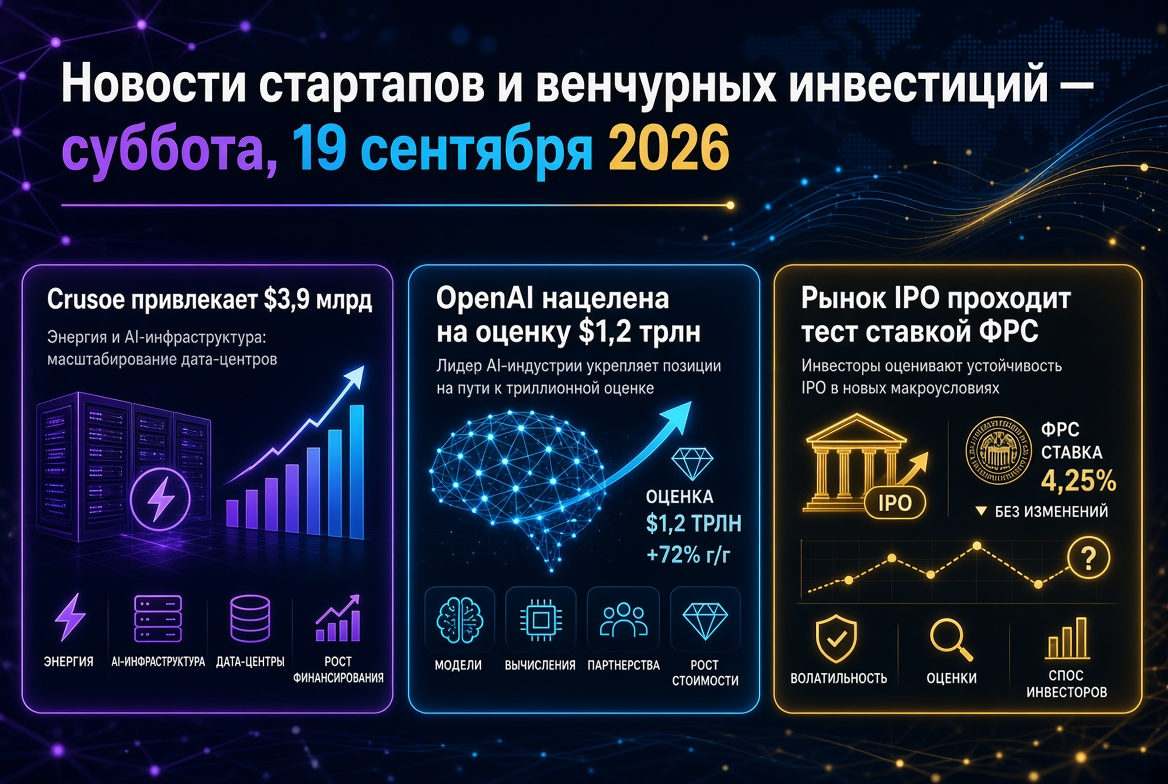
The artificial intelligence sector remains the primary driver of the venture boom seen at the end of 2025 and the beginning of 2026, setting new records for startup funding volumes. Investors are eager to invest in AI leaders, directing colossal funds into the most promising projects. For instance, Elon Musk's startup xAI attracted around $30 billion in private investments (including a megaraid of about $20 billion at the very start of 2026), while OpenAI secured approximately $40 billion with an estimated valuation of around $300 billion. These rounds have been significantly oversubscribed, underscoring the frenzy surrounding leading AI companies.
Venture capital is being allocated not only to application-based AI products but also to infrastructure solutions for them: models, data, computing power, security tools, and regulatory compliance instruments. This investment boom is generating a wave of new “unicorns,” although experts warn of the risks of overheating in this segment.
IPO Market Revived: The “Window of Opportunities” for Listings Remains Open
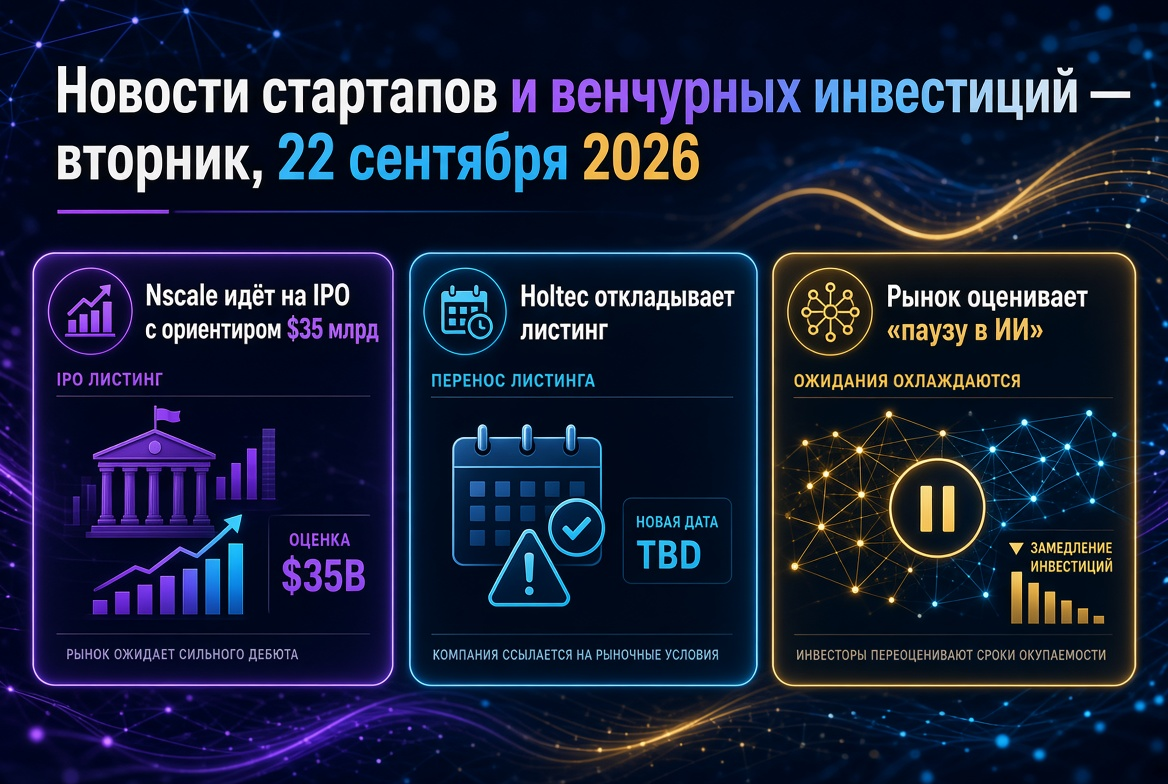
The global market for initial public offerings (IPOs) is confidently reviving following a prolonged lull and continues to gain momentum. In Asia, Hong Kong supports a new wave of IPOs: in recent weeks, large tech companies have gone public, collectively raising multibillion-dollar amounts. This indicates that investors in the region are once again ready to actively participate in offerings. The situation is also improving in the U.S. and Europe: the American fintech unicorn Chime successfully debuted on the stock market, and at the end of 2025, the long-awaited IPO of the payment service Stripe occurred. In 2026, even more significant market exits are on the horizon: leading AI startups and even Elon Musk's space company, SpaceX, are preparing for a public offering, which could become one of the largest in history. The IPO window remains open longer than many had anticipated, and the market as a whole appears capable of absorbing a wave of new emissions.
The resurgence of IPO activity encompasses a broad range of companies and is critical for the venture ecosystem. Successful public exits enable venture funds to realize profitable exits and reinvest the freed-up capital into new projects. Despite persistent investor caution, the extended open window encourages an increasing number of startups to consider going public as a viable goal.
Diversification of Investments: Fintech, Climate, and Biotech on the Rise
After a downturn in previous years, there is notable revitalization across multiple sectors. Major funding rounds are returning to fintech (not only in the U.S. but also in Europe and emerging markets), while the global sustainability trend is driving record investments in climate technology, green energy, and agrotech. There is a renewed capital influx in biotechnology, and in light of geopolitical challenges, interest in defense technologies—from drones and cybersecurity to dual-use robotics—is growing with substantial support from the state and major investors. This broadening sector focus enhances the resilience of the startup ecosystem, reducing the venture capital market's dependence on a single dominant trend.
In January 2026, several new unicorns (startups valued at over $1 billion) emerged in Europe and other regions—indicating that venture investors' appetite is returning even beyond traditional tech centers.
Consolidation and M&A Deals: Larger Players Increasing
High valuations and fierce competition for market share are pushing the startup ecosystem toward consolidation. Major mergers and acquisitions are once again taking center stage, altering the balance of power in the industry. For example, Google is advancing a record deal to acquire the Israeli cybersecurity cloud startup Wiz for $32 billion—one of the largest startup purchases in history. Such megadeals demonstrate that even industry leaders are willing to spend tens of billions to remain competitive in the technology race.
Ongoing activity in acquisitions and major venture deals reflects the maturity of the industry. Established startups are merging with each other or becoming acquisition targets for corporations, while funds are getting opportunities for much-anticipated profitable exits. Consolidation enhances the ecosystem’s efficiency, allowing companies to pool resources for accelerated growth and reaching a global level. Recently, this trend toward M&A was underscored by Apple's announcement of its acquisition of the Israeli AI startup Q.ai for approximately $1.6 billion. This move strengthens Apple's position in artificial intelligence for wearable devices and confirms the eagerness of tech giants to acquire innovative companies to enhance their products.
Russia and CIS: The Local Market Amid Global Trends
Despite external constraints, the venture market in Russia and CIS countries continues to develop. New funds and corporate accelerators are emerging with participation from banks and large companies. Development institutions (such as the Skolkovo Foundation) are offering grants, tax incentives, and co-investment programs, partially compensating for the outflow of Western capital. Local investors and funds are increasingly focusing on the domestic market and partners from friendly countries in the Middle East and Asia, filling the gaps left by departing players.
A notable example is the Krasnodar-based foodtech startup Qummy, which attracted about 440 million rubles in investments with an estimated valuation of around 2.4 billion rubles and has targeted an IPO in the coming years. At the same time, several major banks and investment companies are launching their own venture funds with volumes of approximately 10–12 billion rubles to support tech projects. In 2025, authorities officially allowed the return of foreign capital from “friendly” countries to engage in deals with Russian startups, potentially opening doors for new investments. While absolute volumes of venture investments in the region remain modest, they are gradually increasing. Local investors are betting on projects in AI, import substitution, cybersecurity, and B2B services. The regional startup ecosystem is striving to leverage the global upturn to establish a foundation for future growth, even if it requires more time and internal support.
Conclusions: Moderate Optimism and the Focus on Quality Growth
As of early 2026, sentiments within the venture industry remain cautiously optimistic. Successful IPOs and large funding rounds indicate that the bottom of the downturn has been passed and the market is moving upward again. However, investors remain cautious and prefer startups with stable business models and clear paths to profitability. A substantial influx of capital instills confidence in future growth, but funds are placing particular emphasis on diversification and risk management. The primary priority is the quality of this growth: market participants are focusing on the long-term sustainability of startups and the healthy returns on investments to ensure that the new upturn does not lead to overheating. The venture market is entering a new phase of development with moderate optimism, emphasizing a balanced approach and sustainable innovation growth. As a result, 2026 presents a wide window of opportunities for new investments in startups—primarily in teams that combine technological advantages, clear monetization strategies, and disciplined execution.