The Global Fuel and Energy Complex Enters Summer Under the Sign of Geopolitics, Expensive Logistics, and Energy Security Struggles
News in the oil and gas and energy sectors for Saturday, May 30, 2026, create one of the most intense backgrounds for investors in recent years. The global fuel and energy sector is simultaneously facing geopolitical risks in the Strait of Hormuz, a decrease in available oil and gas supplies, rising electricity demand, volatility in the oil products market, and an acceleration of investments in renewable energy, grids, and energy storage.
For market participants in the fuel and energy sector, including oil companies, traders, refineries, and investors, the key concern is not only the levels of Brent and WTI oil prices but also how quickly physical raw material flows will recover. Even with diplomatic signals emerging regarding Iran, the market remains cautious: logistics shortages, high insurance premiums, a lack of tanker availability, and declining oil product inventories continue to support a high-risk premium.
Oil: The Market Responds to Hopes for Iran, But Supply Shortage Remains
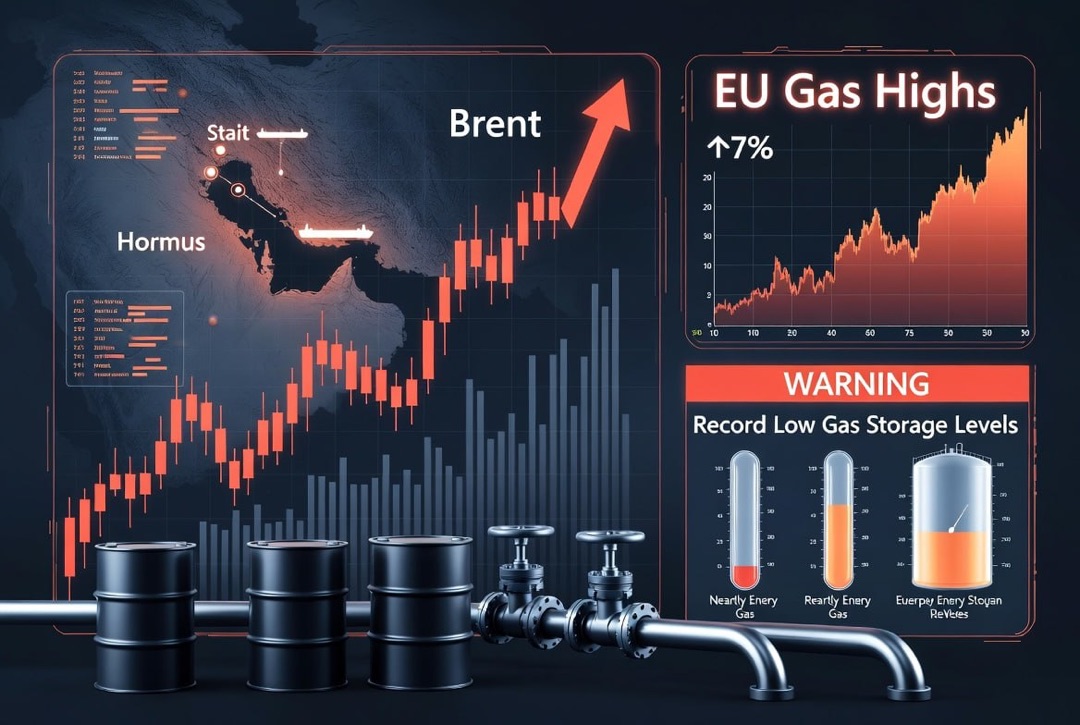
The primary theme in the commodities market is the potential easing of the conflict surrounding Iran and the prospects for revitalized shipping through the Strait of Hormuz. Against this backdrop, oil prices have declined from recent peaks; however, the oil market remains significantly more expensive than at the beginning of the year. Brent is holding near the zone above $90 per barrel, while WTI is around the upper part of the $80 range, reflecting an ongoing supply shortage.
For oil companies, the current situation presents a dual effect. On one hand, high prices improve cash flows for oil producers. On the other hand, instability in export routes raises operational costs, increases freight prices, and pushes buyers to actively seek alternative supply sources.
- Supplies from the Middle East remain in focus;
- The geopolitical risk premium persists in oil prices;
- Buyers are intensifying diversification of imports;
- The market is assessing the likelihood of a gradual recovery in transit through Hormuz.
OPEC+ and Supply Balance: Symbolic Decisions Matter, But Logistics Are More Crucial
For the global oil market, decisions made by OPEC+ remain a significant indicator; however, in current conditions, physical logistics are more important than formal quotas. Even if individual alliance members are ready to increase production, the limited export routes through the Persian Gulf diminish the immediate market impact.
Investors in the oil and gas sector are closely monitoring how quickly producers can return volumes to the global market. If the recovery of supplies is slow, oil prices may remain elevated even amid easing political tensions. For fuel companies, this means a continued high level of uncertainty in raw material procurement, while for refineries, it necessitates flexible management of refining margins.
Gas and LNG: Europe and Asia Compete for Flexible Supplies
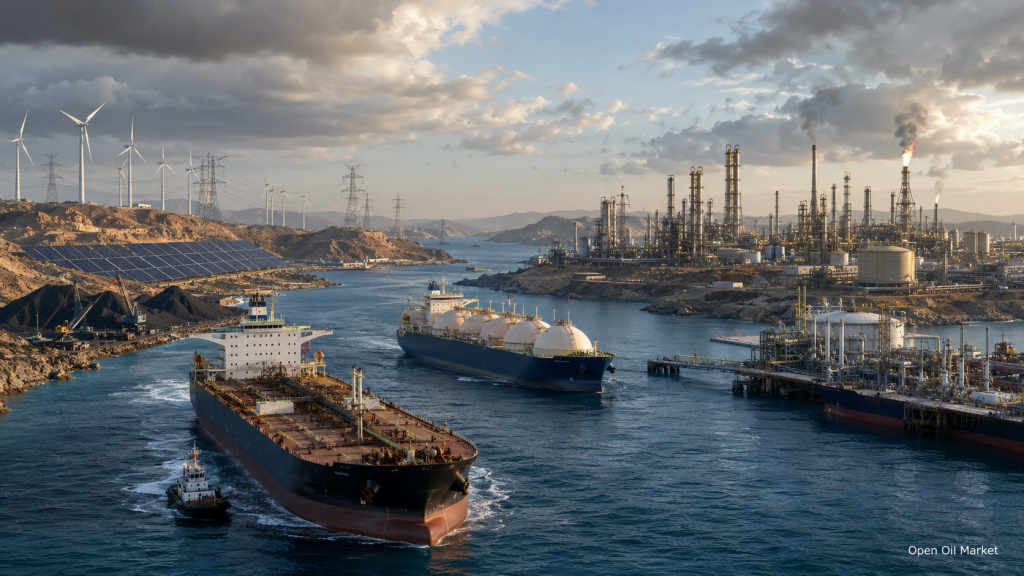
The gas market remains one of the critical nodes in global energy. Europe continues to rely on LNG and pipeline gas imports, while Asia is stepping up competition for liquefied natural gas amid Middle Eastern supply disruptions. For energy companies, this signifies that gas is once again becoming not just a transitional fuel but a strategic resource for energy security.
The European gas market appears more resilient than during the crisis periods of 2022–2023, but dependence on external suppliers remains high. Any disruptions in LNG immediately impact electricity prices, industrial costs, and inflation expectations. For Asia, the situation is even more sensitive: Japan, South Korea, India, and Southeast Asian countries must balance between gas, coal, nuclear energy, and renewables.
Oil Products and Refineries: Refining Margins Supported by Fuel Shortages
Oil products are emerging as a distinct investment theme. Gasoline and distillate inventories in the U.S. are declining, refinery utilization remains high, and fuel demand is approaching seasonal peaks. For refineries, this creates an advantageous environment: high capacity utilization and shortages of certain fuel types support refining margins.
However, for consumers and fuel companies, the situation is less comfortable. Rising prices for gasoline, diesel, and aviation fuel increase pressure on transportation, industry, and logistics. If raw material supply disruptions persist, the oil products market may become even more sensitive to any accidents at refineries, repairs, and export restrictions.
- Gasoline is supported by seasonal demand.
- Diesel remains sensitive to industrial activity and logistics.
- Aviation fuel depends on the recovery of international travel.
- Refinery margins may remain high amid shortages of raw materials and oil products.
Electricity: Heat, Grids, and Rising Demand Shift Energy Priorities
Electricity is becoming a central element of the global energy agenda. Rising consumption from data centers, industry, electric vehicles, and air conditioning systems is increasing strain on grids. In Europe, an additional factor is the hot weather and unstable wind generation, which forces energy systems to rely more frequently on gas and coal power.
For investors, this heightens interest in companies associated with power grids, energy storage, gas generation, balancing equipment, and digitalization of energy systems. The electricity sector is gradually transforming from an infrastructure sector with moderate dynamics into a strategic industry, where insufficient grid capacity may limit economic growth.
Coal: Asia Returns to Fuel Safety
Despite the long-term climate agenda, coal continues to maintain an important role in global energy. In Asia, rising LNG prices and interruptions in gas supplies are prompting major importers to increase coal generation. Japan, South Korea, Vietnam, and other regional markets are reevaluating coal not just as a source of emissions but also as a tool for energy reliability.
This is providing short-term support for demand from coal companies and suppliers of energy coal. However, the long-term investment landscape remains complex: banks and institutional investors continue to limit financing for coal projects, while governments are simultaneously advancing renewables, nuclear energy, and gas infrastructure.
Renewables: Solar and Wind Generation Strengthen Their Positions, But the Market Demands Storage
Renewable energy sources remain the primary focus for structural growth. Solar and wind generation are increasing their share in global electricity production, and in certain regions, they are already competing with gas generation not only on cost but also on their impact on the overall energy balance. This is a significant long-term signal for the global energy sector: renewables are transitioning from being an adjunct to a fully integrated component of the energy system.
At the same time, the rapid expansion of renewables poses a new challenge—the need for investments in grids, energy storage, and backup capacity. Without batteries, flexible gas generation, interconnections, and digital management, a high share of solar and wind energy could exacerbate electricity price volatility.
Investment Conclusion: The Global Fuel and Energy Complex Enters a Phase of Expensive Energy Security
For investors, participants in the fuel and energy market, and oil and gas companies, the key takeaway from May 30, 2026, is that the energy sector is once again being traded not just as a commodity market but as a market of security. Oil, gas, electricity, coal, oil products, refineries, and renewables are now interconnected by a unified logic: countries and companies are willing to pay more for reliable supply, resilient infrastructure, and control over critical resources.
In the coming weeks, market participants should monitor several factors:
- The dynamics of negotiations regarding Iran and shipping regulations through the Strait of Hormuz;
- The decisions made by OPEC+ regarding production and the actual export capabilities of producers;
- Inventories of oil, gasoline, and distillates in the U.S., Europe, and Asia;
- Prices of LNG and competition between European and Asian buyers;
- Refinery utilization and the refining margin of oil products;
- The growth rates of renewables, battery systems, and investments in power grids.
Thus, the news in the oil and gas and energy sectors for Saturday, May 30, 2026, indicates that the global fuel and energy complex is entering a period where the high price of energy is not only a function of supply and demand but also a reflection of inadequate resilient infrastructure. For oil companies, fuel companies, gas producers, refineries, coal suppliers, and investors, this marks a new phase in the market—one that is more volatile, capital-intensive, and strategically significant.