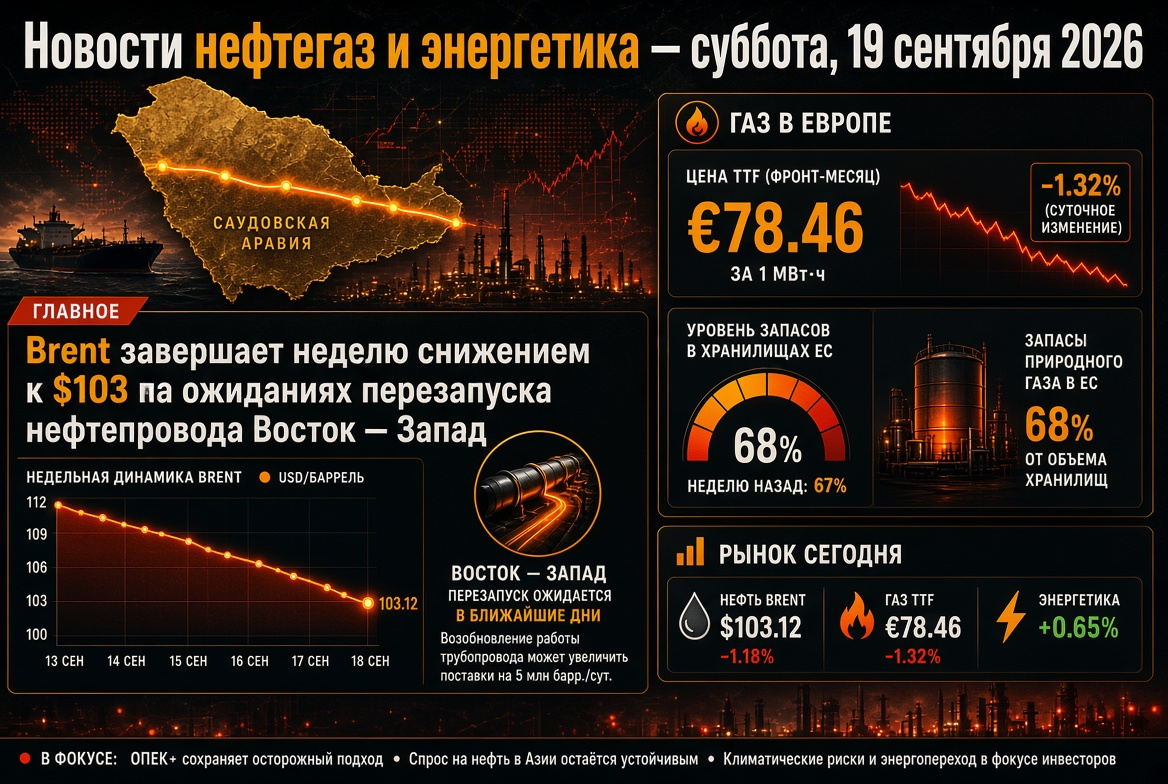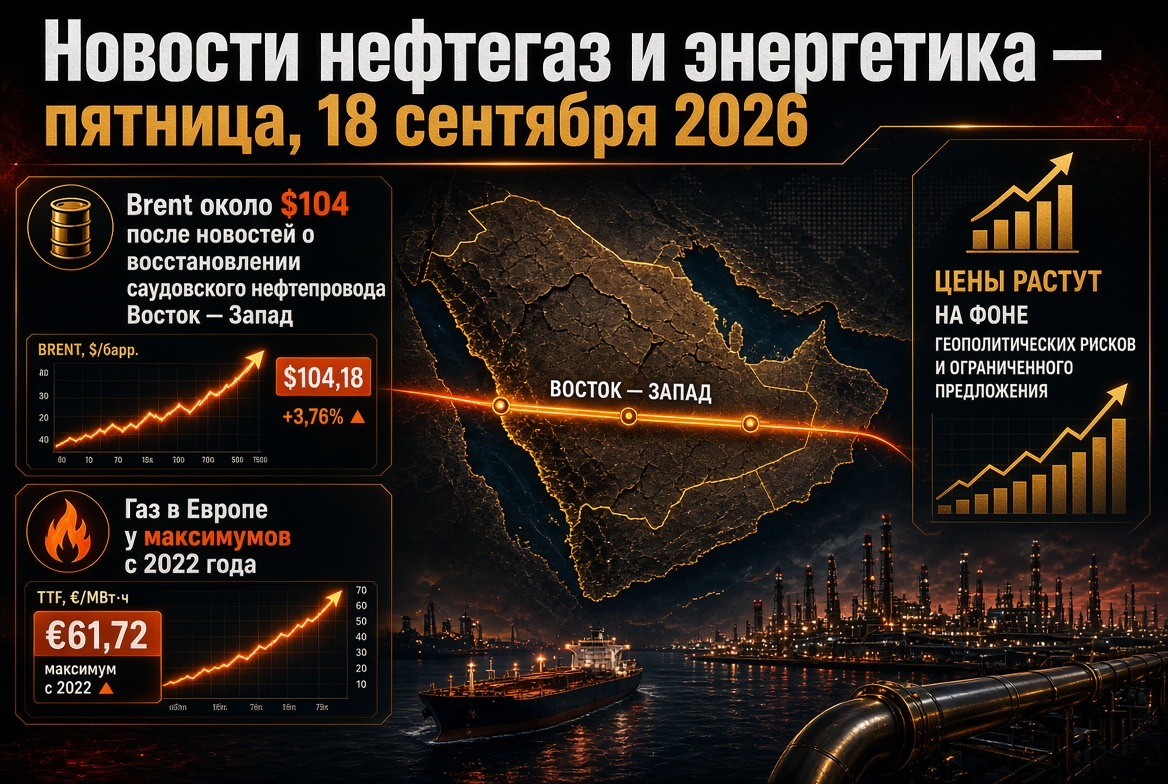
Global Oil, Gas, and Energy Market Update as of February 18, 2026: Dynamics of Brent and WTI Oil Prices, Gas and LNG Market in Europe, Refinery Situations and Oil Products, Coal, Electricity, and Renewable Energy. A Global Overview for Investors and Energy Sector Participants.
The global commodities and energy sector enters the midway point of the week in a state of risk reassessment. Oil prices remain at local lows amid expectations of progress in U.S.-Iran negotiations and simultaneous increases in actual supply from certain producers. For investors and players in the energy sector, the key intrigue in the upcoming 24 to 72 hours will center on the combination of geopolitical premiums in oil, U.S. inventory dynamics, and the resilience of demand for oil products amid seasonal refinery maintenance in Europe and shifts in trade flows in Asia.
Oil Market: Price Indicators and Drivers
As of Wednesday morning, oil prices have stabilized after a significant drop in the previous session. Brent is trading near $67.65 per barrel, and WTI is around $62.52 per barrel. The balance of short-term factors appears mixed:
- Price Pressure: Expectations of potential easing of restrictions on Iranian supplies with positive news regarding U.S.-Iran dialogue, along with increased production in Kazakhstan.
- Support: Ongoing risks of escalation in the Middle East and market sensitivity to any disruptions in maritime logistics.
In the trading of oil and oil products, it is crucial now to focus not only on headlines but also on the speed at which “paper expectations” transform into physical barrels. The market reacts to probabilities, but re-pricing will only become sustainable with confirmation of export flows and inventory dynamics.
Supply: Kazakhstan, the Middle East, and the "Risk Premium"
From a supply perspective, a significant factor is the recovery of production at major fields and an increase in the export capacity of certain countries. Kazakhstan is in focus: the project is expected to reach full capacity in the coming days, which adds physical volume to the market and decreases sensitivity to short-term shortages. Concurrently, the negotiating agenda around Iran creates an "asymmetric corridor" for oil: any signals of alignment might compress the risk premium, but the absence of final agreements maintains the likelihood of a price reversal.
For investors, this means that in the baseline scenario, oil remains in a range-trading pattern, and the main volatility will be related to news about sanctions architecture, shipping insurance, and tanker fleet availability.
OPEC+: Production Policy and Scenarios for Spring
The OPEC+ strategy continues to play the role of an "anchor" for oil market expectations. At this stage, participants are maintaining a cautious approach, considering seasonality of demand and the need to balance market share against price stability. For April and early Q2, the key question is how quickly additional supply will return and how commercial inventories in OECD countries will respond.
A practical takeaway for the market: under the current decision-making configuration of OPEC+, any unexpected interruptions in production or logistics could quickly drive prices up, but without confirmation of demand, this growth would be limited, especially if parallel production increases occur among non-cartel producers.
Asia: Record Imports and Changes in Supplier Structures
On the demand side, Asia remains the main center of attraction for barrels. The region showcases remarkably high oil import volumes, with changes in supplier structures driven by geopolitics, trade agreements, and price discounts. A noticeable reorientation of some flows is occurring between Russia, Middle Eastern countries, and the U.S.: logistics and contract conditions are becoming as vital as the absolute price.
For the global market, this implies:
- Increased competition for market share in India and the rising importance of official selling prices and premiums/discounts to benchmarks.
- The growing role of China as a stabilizer of demand for oil and oil products, especially under favorable pricing conditions.
- Increased freight sensitivity: the elongation of transport routes changes the economics of supply and may locally influence Brent-WTI spreads.
Gas and LNG: Europe Maintains Balance, Focus on Storage and Weather
The European gas market is navigating the second half of winter with noticeably greater stability than in previous crisis periods: supply is diversified, the role of LNG has increased, and consumption is structurally lower. The current price benchmark for European hubs stands at around €32 per MWh, reflecting a calmer balance of supply and demand.
Nevertheless, risks remain for the gas and LNG market:
- Weather volatility and short-term demand spikes for electricity during cold fronts.
- Competition for LNG from Asia amid rising industrial consumption and the recovery of certain economies.
- Regulatory decisions on inventory management and storage rules affecting seasonal purchases.
For energy sector participants, the crucial indicator for the coming weeks is the speed at which gas is being withdrawn from storage facilities and the rate of replenishment as the first signals of early spring emerge.
Refineries and Oil Products: Supply Risks in Europe and Regional Imbalances
The refining segment remains a source of local tension. Seasonal maintenance of refineries in Europe is predictably increasing, heightening market sensitivity to disruptions and amplifying the significance of imported diesel and other oil products. Additional factors include infrastructure risks: reports of damage to certain facilities due to attacks in Eastern Europe are increasing the premium for supply resilience.
Practically, this leads to several effects:
- Diesel remains the most sensitive product: the balance depends on supplies from the Middle East, India, and transatlantic flows.
- Refinery margins can be sustained during limited supply, even if crude oil remains under pressure overall.
- Spreads between crude oil grades and product cracks become essential signals for traders and hedgers.
Electricity and Renewable Energy: Rising Demand and Accelerated Capacity Addition
The global electricity market continues to evolve under the influence of two trends: rising end-use demand (including data centers, electrification of transport and industry) and accelerated additions of renewable energy sources (RES). In several major economies, the pace of adding solar and wind capacities remains high, changing the generation profile and emphasizing the importance of grid infrastructure and storage systems.
For energy investors, three key areas are noteworthy:
- Capital programs for networks and flexibility (storage, demand management, gas-fired peaking generation).
- Regulation and capacity markets shaping project profitability in the electricity sector.
- Raw material tail: with the growth of RES, the role of gas and coal in system balancing remains essential, especially during peak hours.
Coal: Prices Strengthen Amid Supply Constraints
At the beginning of 2026, the coal market displays relative stability: price benchmarks near $117 per ton reflect a combination of supply constraints and heterogeneous demand across regions. Even with a long-term trend towards decarbonization, coal retains its importance as a "safety net" energy source in specific power systems, particularly during weather stress periods and gas constraints.
Key observations for coal and electricity:
- Europe supports prices through stock strategies and reliability requirements for energy supply.
- Asia remains the dominant consumer: demand depends on the industrial cycle and hydrology.
- Logistics (railroads, ports, coal quality) once again becomes a pricing factor alongside the balance of supply and demand.
What Investors and Energy Market Participants Should Monitor (24-48 Hours)
The coming 24 hours are rich with triggers that could change sentiment regarding oil, gas, and oil products:
- U.S. Inventory Statistics: trends in oil, gasoline, and distillate inventories will set the tone for product cracks and spreads.
- U.S.-Iran News: any concrete steps regarding deal parameters will be instantly reflected in Brent premiums and options volatility.
- Status of Refineries in Europe and Eastern Europe: reports of unplanned shutdowns could quickly translate into risks for diesel and export flows.
- Gas and LNG: weather forecasts and withdrawal rates from storage facilities in Europe, along with competition for LNG cargoes in Asia.
- Coal: signals regarding the availability of export cargoes and freight costs for supplies to Europe and South Asia.
The picture on February 18, 2026, for the global energy sector depicts a balancing market: oil responds to diplomatic efforts and recovery in production, gas in Europe appears stable thanks to LNG and reduced consumption, while oil products and refineries create local shortages and premiums, especially in diesel. Renewable energy and electricity continue to undergo structural shifts, but coal and gas remain essential components for the reliability of energy systems. For investors, the optimal strategy is to monitor inventory levels, news related to sanction regimes, and the status of refining operations, as these factors are currently the fastest to convert into price movements across the entire chain—from oil and gas to oil products and electricity.