According to a report from the National Exchange Price Agency, on May 8, a total of 32.64 thousand tons of gasoline were sold during trading, which is 5.9% lower than the previous trading day. Sales of A-92 decreased by 8.9% to 20.34 thousand tons, while A-95 sales increased by 1.5%, reaching 12.24 thousand tons. The volume of unsatisfied demand for A-92 stood at 23.46 thousand tons, while for A-95 it reached 26.34 thousand tons, as indicated in the report.
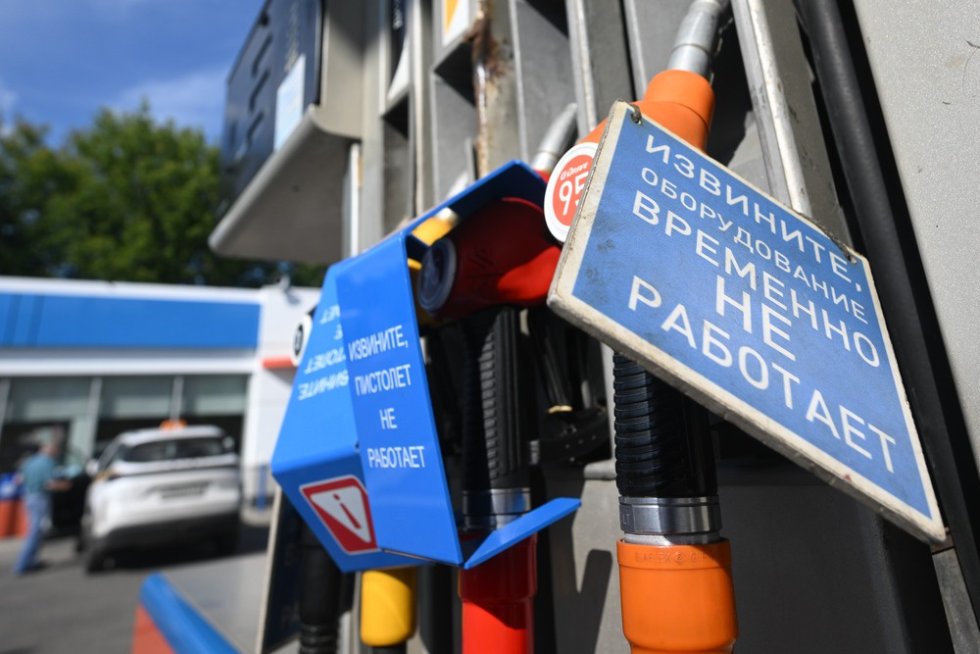
A source in the industry informed “Kommersant” that a shortage of A-95 gasoline has already formed in the market ahead of the peak consumption season.
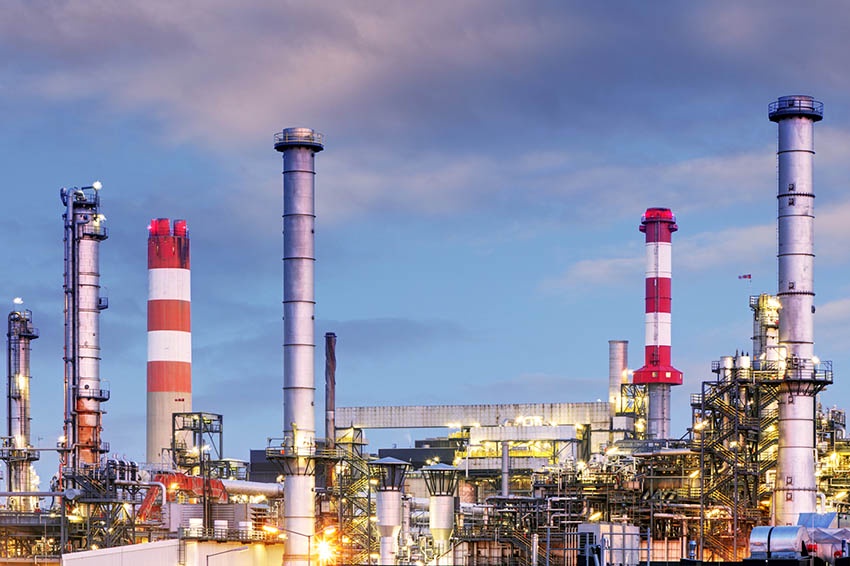
The source noted that during the summer, demand for this type of fuel rises faster than for A-92, as consumers typically use vehicles designed for A-95 gasoline during vacation periods. Unexpected repairs at major refineries and a reduction in petroleum product production have contributed to the shortage. In this situation, he continues, oil companies are primarily directing resources to support their own distribution structures.
Andrey Dyachenko, the chief analyst at Proleum, also highlights the shortage of A-95 in the exchange channel. Currently, primary processing has significantly decreased compared to planned levels, and oil companies are forced to choose which type of gasoline production to sustain. Nonetheless, he considers the situation to be "far from critical." According to his estimates, the actual fuel output at gas stations is currently 7-10% lower than last year's levels, and existing reserves and operational capacities are still sufficient to meet the final demand.
The Federal Antimonopoly Service (FAS) stated that no complaints regarding gasoline shortages have been received so far, and no fuel deficit has been observed. Additionally, during the recent Exchange Committee meeting, the issue of gasoline shortages was not raised. The Ministry of Energy informed “Kommersant” that the situation in the domestic motor fuel market remains stable and well-controlled.
Currently, the domestic market is sufficiently supplied with light petroleum product reserves, and the logistics of supplies are functioning reliably; no disruptions in regional supplies have been recorded, officials confirmed. “The industry is prepared to manage the seasonal increase in demand in a planned manner, supported by measures taken by the government, including the ban on gasoline exports and the ongoing restrictions on diesel fuel exports for non-producers,” the ministry added.
A market source points out a shift in fuel consumption patterns in Russia — the mass renewal of vehicle fleets with Chinese models, which are sensitive to product quality, has led to a sharp increase in demand specifically for A-95. According to the source, the notion of the “social significance” of A-92 gasoline has become outdated, as A-95 has become the primary product. Its production and logistics have been complicated due to incidents at refineries ahead of the peak season. Additionally, the rise in domestic road tourism during the May holidays is putting further pressure on the market.
Exchange quotes remain relatively stable due to the current mechanism that limits price increases and decreases by plus 0.01% and minus 3% from the current market price.
Following the trading session on May 8, the price of A-92 gasoline in the European part of Russia increased by 0.01% to 65.99 thousand rubles per ton, while A-95 rose by 0.16% to 71.89 thousand rubles per ton. Meanwhile, over-the-counter volumes are being sold at a roughly 10% premium to the exchange market price, but even within this channel, the supply remains quite limited, one of “Kommersant’s” sources noted. “Acquiring A-95 at the exchange is becoming extremely difficult,” he emphasizes. “Demand is often more than ten times greater than the available supply.”
Sergey Tereshkin, the CEO of Open Oil Market, also highlights the recovery of the automotive market, which is leading to higher gasoline prices and an increased need for production. Furthermore, he points out that A-95 is not included in the calculations for the damping mechanism—subsidies are tied to the prices of A-92 and diesel fuel. Thus, the risks of price increases for A-95 are always higher, regardless of the physical availability of the fuel, Tereshkin added.
The analytical group “UfaOil” notes that the increase in gasoline supply in early May was provided by the resumption of trading activity by large oil refineries. However, the analysts continue that later volumes declined again, partly due to the repeat suspension of exchange sales from certain refineries. The extension of delivery times and the reduction of available supply in the bulk market further pressure the market, experts add. Shipment times at the beginning of May increased by an average of two to four weeks, a market source informed “Kommersant.” He estimates that unexpected repairs at major facilities could take at least one month. This situation, the source adds, prevents market participants from establishing long-term reserves, raising the risk of fuel shortages during the summer.
Source: Kommersant