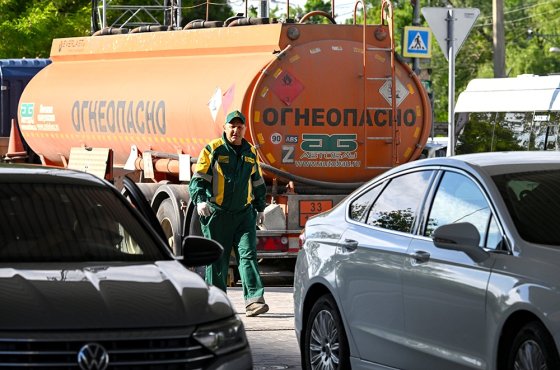
According to Sergey Frolov, managing partner of NEFT Research, the primary foreign importers of fuel to Russia are Belarus, Kazakhstan, India, and China. Fuel is delivered to Russia by sea only from India and currently in limited volumes (estimates suggest shipments of 60,000-80,000 tons). This is negligible compared to the average monthly gasoline consumption in Russia of around 3 million tons, so there is no immediate concern regarding any impact these shipments may have on oil product prices in Russia. The primary mode of transport for supplies from other countries is rail, the expert specifies.
Frolov emphasizes that global gasoline quotations do not significantly affect Russia either, as national wholesale prices are formed based on the balance of supply and demand in the domestic market, while the retail fuel price is regulated by the state.
All the above remains valid under the condition that fuel imports will not be long-term, meaning domestic refineries will restore capacities within one or a maximum of two months. Should this not occur, or if unscheduled plant shutdowns continue, the effects of fuel imports will accumulate, potentially having a more serious impact on both domestic retail prices and budget revenues.
Queues at Gas Stations Are Decreasing: The Situation with Gasoline Is Normalizing in the Regions
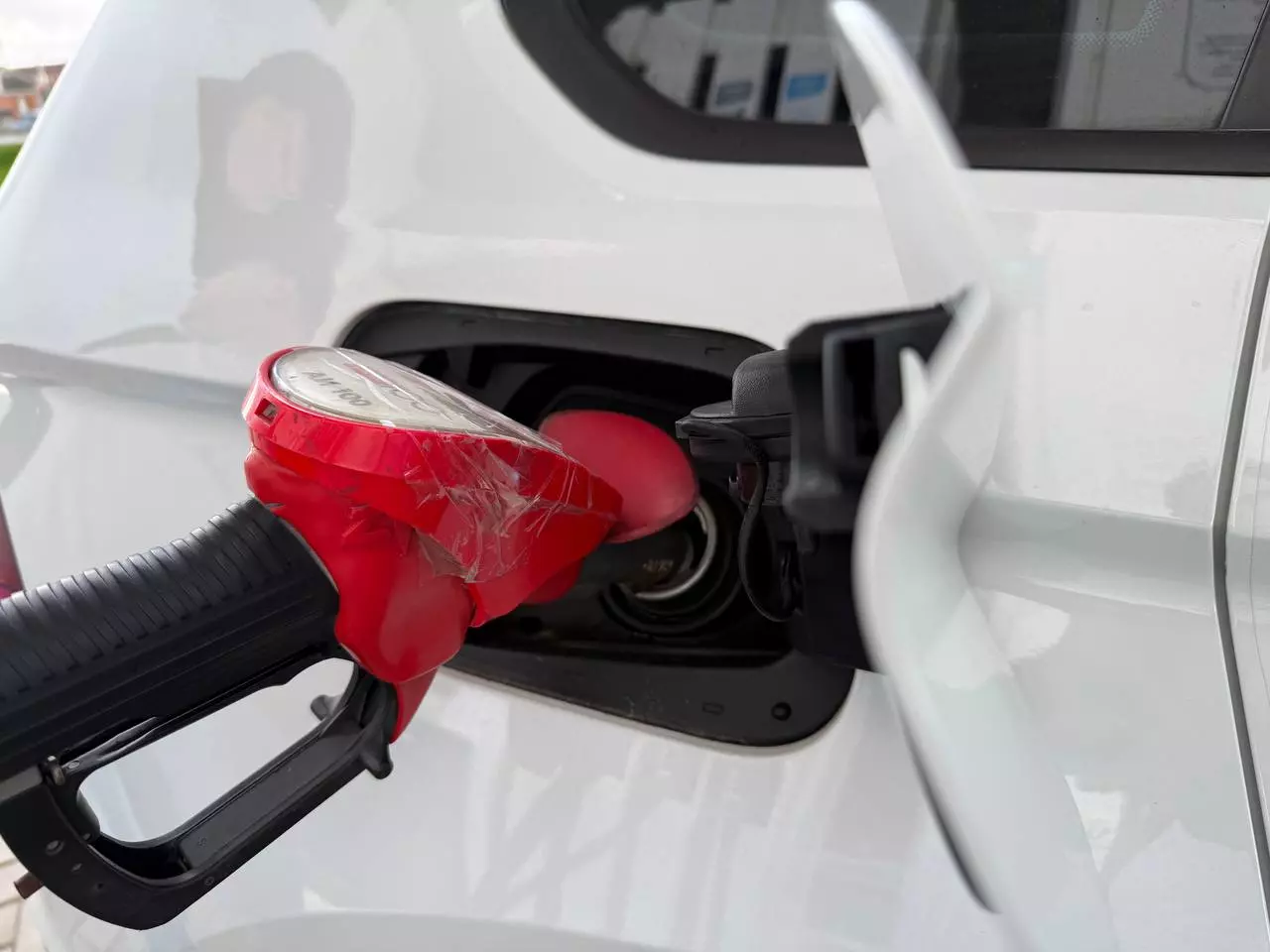
The situation with gasoline is slowly but surely normalizing. According to correspondents from "RG" on the ground, in several regions, the limit on fuel release at refueling has been increased, with wait times for refueling reduced to ten minutes in some areas.For example, in Udmurtia, gasoline supplies to municipalities have doubled, as reported by Prime Minister Roman Yefimov at an operational staff meeting. It's worth noting that just a month ago, nearly 50% of gas stations in Izhevsk were out of service, and motorists were waiting for hours. Now, wait times have significantly decreased. A key gas station network has increased supplies to rural areas. The "resupply" to the northern part of the region is underway. Current fuel supply levels are approximately equal to those of July last year, now exceeding by 7 to 10 percent to saturate the market.
The number of complaints is decreasing, but the issue remains more acute outside the Izhevsk agglomeration. Therefore, prioritization there is given to reserves for school buses and heating and ensuring operational services.
Agricultural producers purchasing fuel in bulk are receiving diesel through a single operator based on applications and quotas. The fuel issue for agrarians is expected to be resolved by July 20.Refueling in canisters is currently prohibited: with 675,000 vehicles in the region, even 400,000 top-ups of gasoline at 10 liters would provide an excess of 12,000 tons—equivalent to nearly four trainloads—that could lead to a collapse.
Governor of Vladimir Alexander Avdeev reported that the region has managed to stop the growth of wait times at gas stations. On average, current wait times range between 20 to 40 minutes. Fuel companies have increased gasoline supply volumes, though the extent remains unspecified. Meanwhile, network gas stations have restrained price hikes “within recommended limits.” The specifics of these limits are not clarified. According to gas station locators, large operators are selling a liter of AI-95 for 67-73 rubles, while prices at private stations can reach up to 160 rubles.
In Vladimir region, wait times in line have decreased from several hours to 30 minutes.
Since July 14, gasoline supplies have also increased in Vologda region. PJSC "LUKOIL," which controls over 90% of gas stations in the region, has raised the fuel release limit per individual to 30 liters, as reported by the head of the region, Georgy Filimonov.
The company has cancelled technological breaks at gas stations—only maintaining them during tanker unloading—and has ramped up daily shipment volumes. Daily shipments are already saturating the market.
In Vologda, maximum support for drivers is being coordinated. Mayor Sergey Zhestyannikov reported that entrepreneurs and volunteers are assisting residents waiting to refuel. As such, they have distributed free hot pizza, muffins, and drinking water, with nearly 550 liters of water given away in a week.
Volunteers continue to stand by at the gas stations: directing traffic flows, advising drivers on where fuel is available, and assisting individuals with disabilities. Such community spirit demonstrates how the city can unite in difficult times.
Mayor of Cherepovets Andrei Nakroshaev noted that in the last two days, 13 fuel trucks have arrived in the city.
"Starting Thursday, a night shift of volunteers will be initiated in Cherepovets—this will allow us to maintain order and provide assistance to motorists around the clock," explained the city administration head.
City leaders are striving to normalize the operation of gas stations. Overall, authorities estimate that the region is gradually returning to previous supply levels and that adopted measures are effective. "Yesterday we refueled in Vologda on Preobrazhensky Street. There was no one in line in the morning, and we could refuel calmly," motorists noted on social media.
Our correspondent from St. Petersburg reports that in the Northern Capital, the queues at gas stations seem to have decreased as drivers have started actively using apps that indicate the availability or lack of gasoline at various gas stations, which has distributed the flow of those looking to fill their tanks. It turns out that gas stations in less trafficked areas often do not show up on the apps’ maps: our correspondent was able to refuel at one such station with a wait time of only 10 minutes and only three cars ahead. However, the 95-octane gasoline that was initially available was out of stock, leaving only the 92-octane option for about 65-67 rubles.
Source: RG.RU