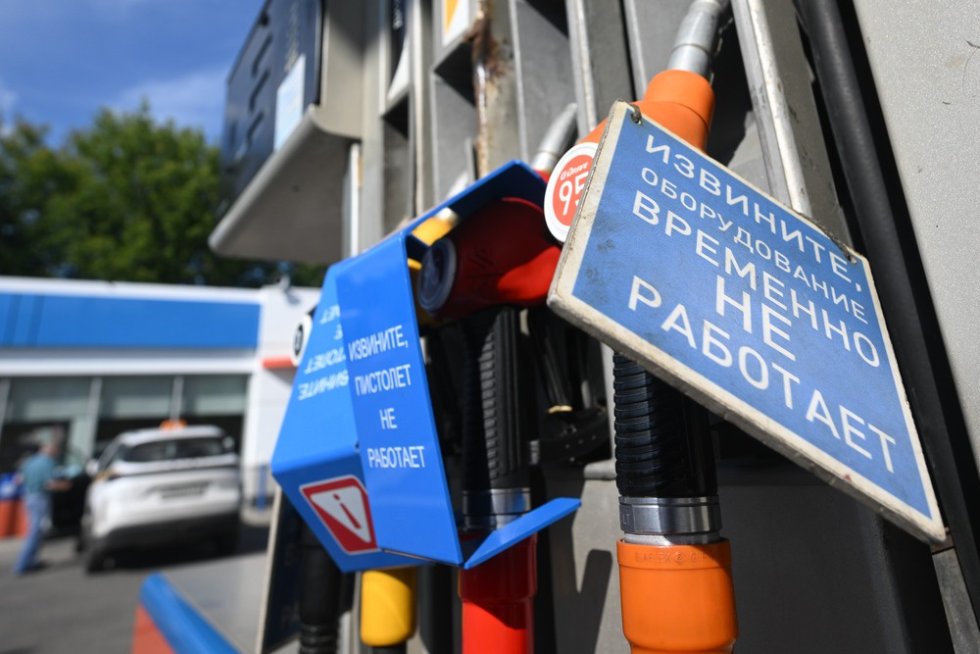
Our retail market has not yet reacted to the massive drone attacks on Russian oil refineries (refineries) that occurred in May of this year. Oil companies and large traders have reserves of fuel stored, and major and medium-sized gas station networks typically purchase fuel in advance. Moreover, everyone remembers the spring of the year before last when the first attacks on Russian refineries began. At that time, there was an element of surprise, and the risk of gasoline shortages was real; currently, potential disruptions from any source are being factored in, and companies are taking precautions.
The Ministry of Energy emphasizes that the domestic market is well-stocked with gasoline, diesel fuel, and jet fuel. The logistical infrastructure is functioning reliably, and no shortages in regional supply have been reported.
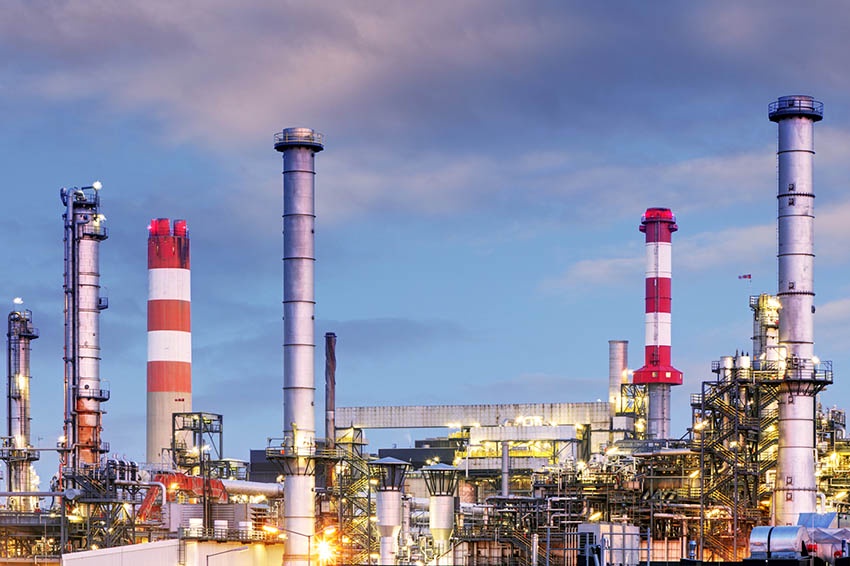
However, the impact of attacks on refineries may be delayed and depend on how long and to what extent refineries have reduced production output due to unscheduled repairs. Since the beginning of the year, drones have targeted nearly all major refineries in the European part of Russia. Since early May, the attacked refineries primarily catered to the domestic market (Moscow and the surrounding region, Central Russia, the Northwest, and the South, Volga region, Ural, and Western Siberia). According to Reuters, production has been halted or reduced at three of the largest refineries in Russia.
There is no data on fuel production as it is classified, and currently, there is no operational statistics available. However, energy expert Kirill Rodionov provided "RG" with data from "OMT-Consult" for the first quarter of 2026, meaning before the most intense attacks on our refineries. According to this data, gasoline production decreased by 4.8% in January-March of this year compared to the same period in 2025. The primary oil refining at refineries decreased by 1.6% (year-on-year), to 64.1 million tons, down from 65.2 million tons in the first quarter of 2025, and 66.4 million tons in January-March of 2024.
We are currently only discussing gasoline because its production is only 10-15% higher than what the domestic market requires. In 2024, Russia produced 41.1 million tons of gasoline, of which 37 million tons was consumed domestically. Currently, the export of gasoline from Russia is banned for everyone. Deliveries are only made under intergovernmental agreements with EAEU countries. A production decline of less than 5% should not be critical. However, at the end of April, Bloomberg, citing OilX data, reported a decline in oil refining volumes in Russia by 10-12%. This is without accounting for the damage to refineries in May. Therefore, the stability of the internal fuel market will entirely depend on how quickly refineries can be repaired and whether sufficient fuel reserves are maintained in storage.
According to Sergey Frolov, managing partner of NEFT Research, there is a real threat of fuel shortages. The severity of the crisis will depend on the speed and thoroughness of measures taken by regulators and oil companies. However, the level of unpredictability is very high - attempts to target refineries and oil depots occur daily. Fuel reserves are present, but their purpose is for solving tactical shortages. Without special measures, these reserves will not last long, according to the expert.
Sergei Tereshkin, CEO of Open Oil Market, maintains a more optimistic view. He believes it is premature to assert that the heightened risks to fuel infrastructure in Central Russia will lead to a physical fuel shortage. However, there will likely be a reduction in fuel supplies to the market. This also includes risks of "non-fulfillment" of previously established contracts on the exchange.
The situation is exacerbated by the fact that Russian refineries depend on foreign equipment, primarily from Europe, which is currently unavailable to us, at least for direct purchases. If the equipment was damaged as a result of the attacks, the repair time will depend more on logistics for component supplies than on the magnitude of the repairs themselves.
One cannot build a new refinery in a month; therefore, in a critical situation, gasoline imports may be necessary, but options for suppliers are limited. According to Tereshkin, supplies from Belarus alone will be insufficient, as the production volume of gasoline in the republic (around 3 million tons per year) equates to less than 10% of the internal demand in Russia. Importing would have been easier if a project for a fourth large refinery in Kazakhstan had been implemented (in addition to the existing three). However, this project is still under discussion.
There is also China, but the logistics of such deliveries are problematic in terms of both price and delivery speed. It is not surprising that Frolov emphasizes that imports alone will not be sufficient; a comprehensive set of measures is necessary.
Tereshkin believes that the increased risks of shortages will lead to gasoline price increases outpacing inflation rates significantly. Currently, gasoline prices are already rising faster than inflation, at 4% compared to 3.15%. Importantly, the peak season for high demand is still ahead, occurring in July and August.
The situation with diesel fuel is better. In Russia, diesel is produced almost twice as much as needed for domestic consumption. However, experts do not rule out the possibility of local supply disruptions due to uneven distribution of refineries and transportation limitations amid emergency plant shutdowns.
From the perspective of developing a fuel market strategy, Dmitry Gusev, Deputy Chairman of the Supervisory Board of the "Reliable Partner" Association and member of the Expert Council for the "Russian Gas Stations" competition, expressed his opinion to "RG." He emphasizes that passenger vehicles in Russia are 90-95% gasoline-powered. This presents risks to our national security, as we critically depend on a single product group that might start to become insufficient. Economic incentives to build new refineries have not yet been established, hence the only solution, according to the expert, lies in reducing reliance on gasoline. Alternatives could include diesel fuel, liquefied hydrocarbon gases (LPG), and electric vehicles. This could be achieved through simple stimulus measures: canceling fees and taxes for vehicles with non-gasoline engines and administrative decisions favoring the production of new non-gasoline vehicles in Russia.
Source: RG.RU