A calculation for 2026 has also been made, with the composite index standing at 5.7%, while consumer inflation is projected to be 4% according to socio-economic development forecasts.
What does this mean for the public? This year, it means nothing. Gas station prices have already surpassed inflation, and even if they dip slightly in the remaining months, they are unlikely to return to its bounds. However, next year, if the proposal is accepted, retail prices for gasoline and diesel fuel could increase without significant scrutiny from the FAS—up to 1.5 times more than if limited by consumer inflation. For instance, if unleaded gasoline (AI-92) costs 62 rubles per liter in Moscow this December, it could easily rise to 65.5 rubles with limits set by the composite index, and to 64.5 rubles under consumer inflation constraints.
It's important to note that these indices are merely guidelines. There are no legislative caps on retail fuel price increases. As long as a market exists, such constraints cannot be established. However, exceeding these upper limits activates checks by the FAS and creates unease among both consumers and industry. Over the past five years, retail fuel price growth has only been below (even if marginally) consumer inflation in 2020 and 2022. It is expected to exceed it this year as well. This implies that a misguided directive was initially chosen, one that warrants reconsideration.
The timing of this discussion regarding adjustments to the fuel market may be coincidental. Currently, there is a lull in the market, gasoline quotations have dropped, and retail prices have stabilized or even decreased slightly in certain regions. The only product on the rise is diesel fuel, likely attributed to seasonal factors—the transition from summer to winter diesel—which has been prolonged this year in Central Russia. The fervor surrounding price increases has cooled, with the next surge likely to begin in spring 2026. This allows time for resolving disputes and reaching a consensus.
The majority of questions arise concerning the parameters for calculating the composite inflation index. The most significant weight (with a coefficient of 0.4) is attributed to "increases in average wages (according to Rosstat) and growth in the minimum wage." Increases in the tax burden are calculated with a coefficient of 0.25, while credit burdens are calculated at 0.02, and housing and utility tariff increases sit at 0.13, with transportation tariffs and production needs both at 0.1. These parameters and coefficients are included in the document based on information from the RTS's letter.
Over the past five years, retail fuel prices have only fallen below inflation in 2020 and 2022Essentially, this means that the primary contributor to the potential increase in retail fuel prices will be wages. The more we earn, the more expensive gasoline may become. This somewhat echoes a scenario from an old Soviet film, "Look for the Woman," where an employer raises a female employee's salary starting in January while simultaneously increasing her rent because the building is owned by him.
As noted by Yuri Stankevich, Deputy Chairman of the State Duma Committee on Energy, the criteria proposed by the RTS, such as wage dynamics, require a well-argued justification. Otherwise, there is a risk of setting a precedent for other industries, which would further exacerbate inflationary pressures in the economy as a whole.
He believes that the RTS's proposals deserve comprehensive discussion, as they at least expose sensitive pricing issues in the oil products market. According to the calculations presented by both the RTS and the Ministry of Energy, the application of the composite index should not lead to significant growth in retail prices, but should allow for a comprehensive assessment of the expenses incurred by gas station operators.
The document from the Ministry of Energy states that current retail prices do not ensure profitability when selling fuel at gas stations. According to the RTS, the average gross margin for retail fuel purchases at wholesale prices in November this year stood at minus 6.3 rubles per liter, once costs were accounted for.
Sergio Tereshkin, CEO of the OPEN OIL MARKET fuel marketplace, remarks that the "negative inflation" concept is a familiar formula within the industry. However, its implementation is becoming increasingly unachievable due to the diverging dynamics of fuel prices versus all other prices. Next year, this discrepancy might grow even more pronounced due to a slowing inflation rate. The index proposed by regulators sets new boundaries for norms. In parallel, there is a moratorium on the removal of the dampener (subsidies for oil producers from the budget for supplying fuel to the domestic market), which will remain in place until May next year. This, in turn, poses risks for rising exchange prices, despite their current stabilization. Since traders and the largest independent gas station networks purchase gasoline on the exchange, increases in exchange prices will inevitably be reflected in retail prices. This is why regulators are keen to establish new benchmarks. However, it is crucial to understand that changing the thermometer will not alter the weather outside.
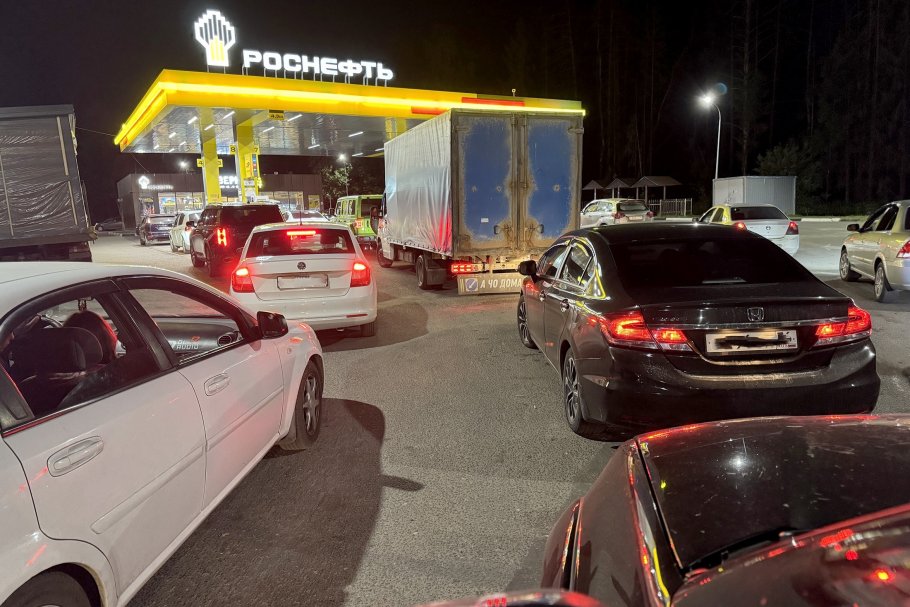
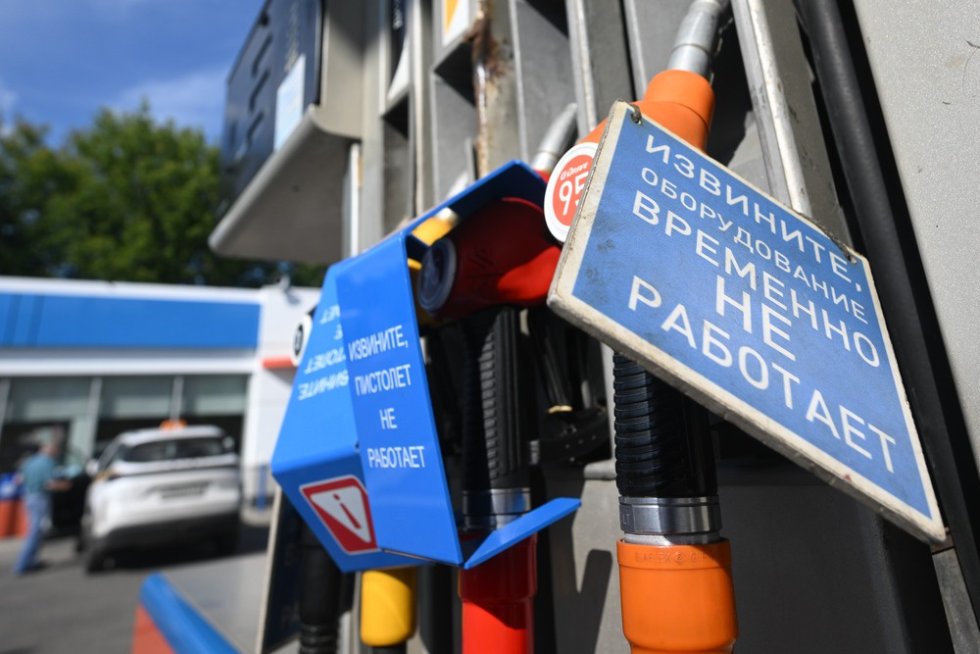
According to the Ministry of Energy, the retail fuel market at gas stations is currently operating at an average lossAccording to Sergey Frolov, managing partner at NEFT Research, the ideas from the Ministry of Energy and the RTS are sound, albeit delayed (decoupling gas station prices from average inflation should have been done a couple of years ago). The current situation is absurd: exchange prices are market-driven, reflecting supply and demand balances and responding to news events, while gas station prices are kept under inflationary framework through manual intervention by the FAS. This is doubly absurd this year, given the sharp increase in fuel excise taxes at the beginning of the year. Prices should have risen above inflation by 2.0-2.5 rubles due to the increased tax burden. As a result, since early summer, gasoline trading has often operated at a negative margin. This year, the profitability indicators for core gas station operations are in such dire straits that it's concerning not only independent operators—who have experienced a consistent trend in decreasing active gas stations—but also major oil companies' gas stations. Of course, the Ministry of Energy’s proposals will likely push gas station prices up, but it would be far worse if the reduction in the number of gas stations and fuel availability in retail continued, Frolov believes.
Dmitry Gusev, Deputy Chair of the Supervisory Board of the "Reliable Partner" Association and a member of the expert council for the "Gas Stations of Russia" competition, notes that the proposed measures represent yet another attempt to make manual adjustments. Until we have an adequate fuel strategy and a predefined necessary number of gas stations for the country, this situation will persist.
In Stankevich's opinion, if retailers are raising the issue of profitability, it would be appropriate to consider support options for certain groups of citizens based on their financial situation or other substantive conditions that could justify receiving fuel purchase preferences. Especially since such examples of targeted support are evident in housing and utility services, electricity, and the provision of transport and other services.
Source: RG.RU