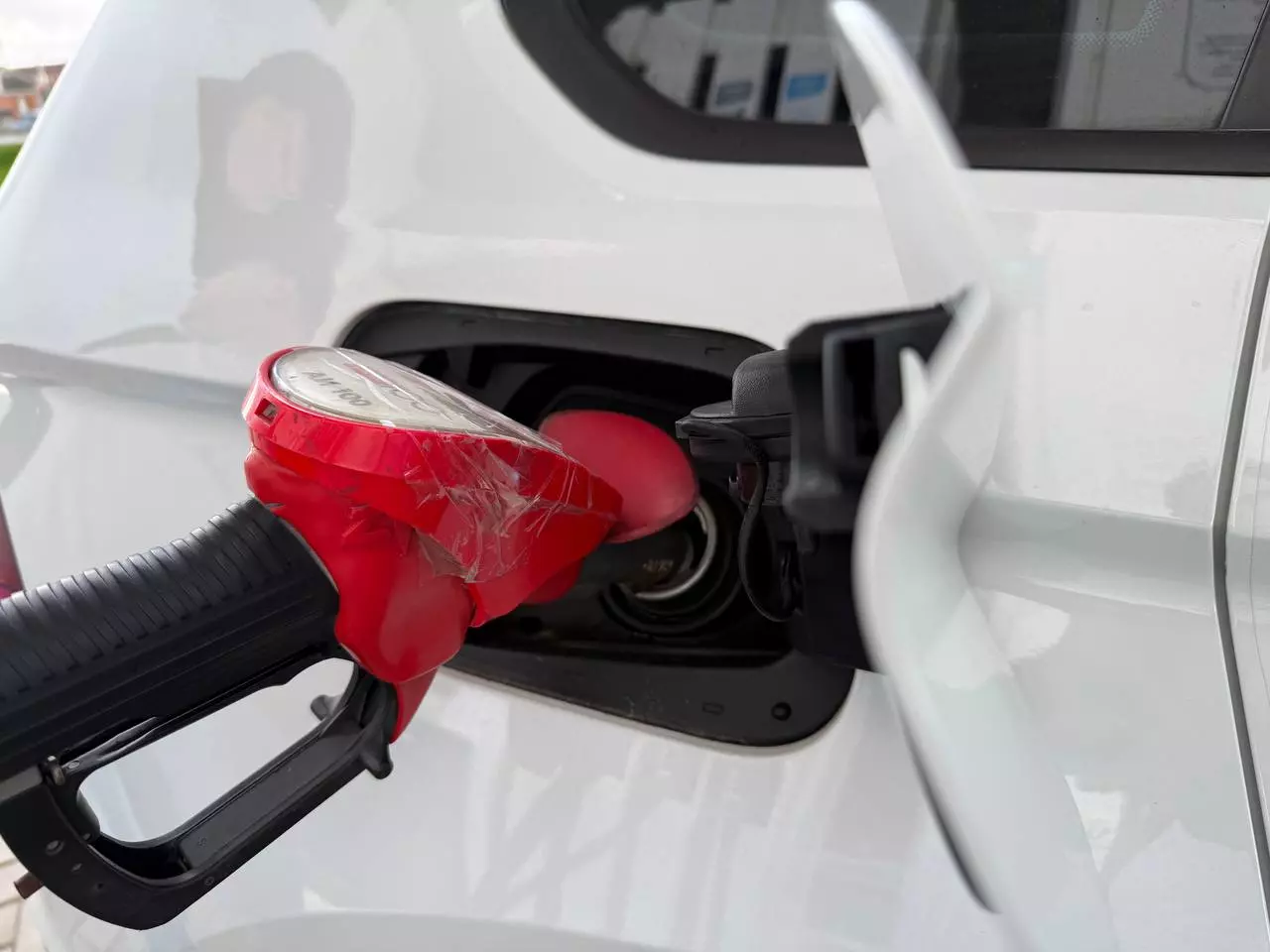
In August alone, sea imports of petroleum products into Russia from overseas exceeded 300 thousand tons. It is highly likely that all or the overwhelming majority of this volume consisted of gasoline. This fuel was in short supply at gas stations (GSs), causing long queues. Approximately 160 thousand tons were delivered to Murmansk, with the remainder going to Baltic ports. Supplies came from India, Morocco, and Turkey. Additionally, there were reports in the media about the delivery of Egyptian fuel to Arkhangelsk and gasoline from South Korea to Vladivostok.
The main issue with imported gasoline in Russia is its price. All the aforementioned exporting countries are also importers of crude oil. It is even possible that the gasoline they sent to us was produced from Russian crude oil. As explained in a conversation with "RG" by Victoria Trifonova, a senior analyst at the analytical center "Yakob and Partners," imported fuel not only includes the price of the gasoline itself but also maritime freight, insurance, transshipment, and subsequent transportation within Russia. Another contributing factor is the infrastructure constraints regarding the reception, transshipment, and pouring of petroleum products in Russian ports. For suppliers, selling such gasoline on the exchange means either setting a significantly higher price or selling at insufficient margins.
Indeed, in August, when trading in gasoline from overseas was taking place on the exchange, it was sold at a price of 105 thousand rubles per ton, which was 39% higher than that month’s exchange quotes for A-92 (75,530 rubles per ton). Currently, the quotes are 69,819 rubles per ton, but imported gasoline has hardly become any cheaper.
However, the current absence of exchange deals and the fact that only slightly more than a thousand tons passed through during August do not mean that Indian or Moroccan gasoline is not being sold. For example, in August, Russia imported 188 thousand tons of Belarusian gasoline (deliveries were made via rail and road), of which only 26 thousand tons went through the exchange.
The majority of the imported marine fuel is sold under direct contracts, bypassing the exchange, believes Sergey Frolov, managing partner of NEFT Research. Direct deliveries are noticeably increasing: if in August the "First Murmansk Terminal" sent about 10 thousand tons of fuel directly to the domestic market, in the incomplete month of September, it has already delivered over 20.4 thousand tons. That is, the fuel is distributed to GSs - including large oil companies - directly, without public trading, he emphasizes.
If there is no imported gasoline on the exchange, it does not mean that it is unavailable in Russia, confirms Dmitry Gusev, deputy chairman of the Supervisory Board of the "Reliable Partner" Association and member of the Expert Council of the "Gas Stations of Russia" competition. The role of exchange trading in Russia has significantly diminished; the regulatory requirements for mandatory sales of gasoline through the exchange for large oil companies have been reduced from 15% to 10%, and direct supplier-buyer contracts are now prioritized. The exchange currently serves more as a price indicator; it does not reflect the real state of the market, and its role in price formation is minimal.
There are downsides to this situation. As Trifonova points out, the more fuel is distributed through direct contracts, the less significant the role of the exchange becomes as a public price indicator, making it harder for independent GSs (over half in Russia) not owned by large oil companies to access fuel supplies. This complicates operations for smaller networks lacking developed logistics. A balance is vital for the market: the ability to redistribute a scarce resource quickly through direct contracts, on the one hand, and maintaining sufficient transparency and competition on the other, the expert believes.
Meanwhile, the government is discussing measures to enhance the attractiveness of imported fuel for our market. A damping mechanism has already been applied to such deliveries. This subsidy from the budget compensates importers for part of the difference between indicative wholesale prices (set by the government for the year) in Russia and fuel costs in foreign markets. Delivery is also taken into account, but only up to the Russian port.
The main supplier of gasoline to Russia from abroad is BelarusRecently, Deputy Minister of Finance Alexey Sazanov stated that the Ministry of Finance is ready to consider a proposal from the Ministry of Energy to include transportation costs from Russian ports to consumer regions in the damping calculation.
Trifonova believes that accounting for transportation costs of imported fuel within Russia could significantly improve the economics of such supplies. However, this measure will not bring imported fuel back to the exchange.
Frolov clarifies that discussions are also underway regarding the extension of the zero import duty on gasoline until mid-2027 (currently in effect until the end of 2026). However, the Ministry of Finance does not yet support the consideration of the foreign premium (the difference between the purchase price and the exchange indicative) as it believes that accurately determining its size is impossible. Therefore, the approach is: compensating for logistics within the country - yes, compensating for the purchase price abroad - no, emphasizes the expert.
The question remains: how critical are marine supplies of imported fuel to us right now? According to Sergey Tereshkin, CEO of Open Oil Market, it can be confidently stated that supplies from India or Turkey currently do not play a significant role. This is their key difference from supplies from Belarus. The share of Belarusian supplies in gasoline consumption in Russia has increased from 2% to 6%. In some regions, it can be even higher. Building infrastructure for supplies from overseas is a challenging task, especially now when global oil refining is at multi-year lows and the underloading of Middle Eastern refineries has already become one of the reasons for shortages in the global fuel market.
Source: RG.RU