Global Cryptocurrency Market May 29, 2026: Investors Analyze Bitcoin, Ethereum, ETF Outflows, Stablecoins, and Major Altcoins
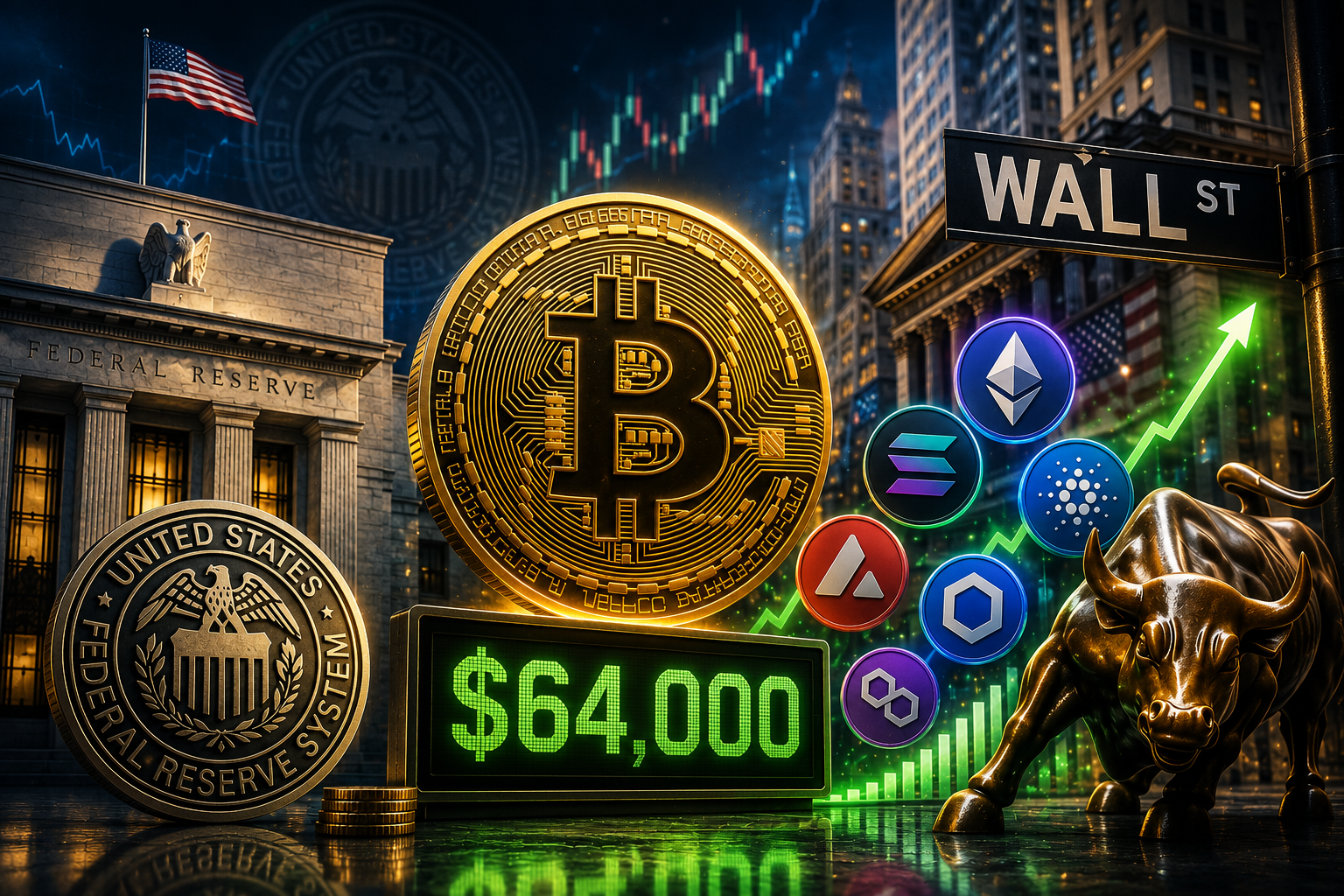
The cryptocurrency market enters Friday, May 29, 2026, with heightened caution. Following a recovery period, digital assets find themselves under pressure once again due to a deteriorating global risk appetite, increasing geopolitical tensions, rising demand for safe-haven assets, and significant outflows from spot cryptocurrency ETFs. This is a critical moment for investors as the cryptocurrency market has ceased to advance solely based on internal industry agendas and is becoming increasingly reliant on macroeconomic factors, interest rates, oil prices, bank liquidity, and institutional fund behavior.
The main theme of the day is the reassessment of risk in Bitcoin, Ethereum, and major altcoins. Bitcoin remains a key benchmark for the entire digital asset market, but its dynamics indicate that institutional demand has become more selective. Ethereum faces additional pressure due to a weak market structure and increased activity in the futures market. At the same time, stablecoins continue to play a vital role as the infrastructural backbone of the crypto market, while regulatory agendas in the U.S., Europe, and Asia become dominant factors for global investors.
Bitcoin: Market Tests Resilience After ETF Outflows
Bitcoin remains the primary barometer of the cryptocurrency market, but as of May 29, 2026, investors are increasingly focused not just on price but also on the structure of capital flows. The most significant signal in recent days has been large outflows from U.S. spot Bitcoin ETFs. For the market, this indicates that institutional investors are temporarily reducing their exposure to digital assets amid an overall risk reassessment.
Attention is drawn to outflows from the largest Bitcoin-related funds. When ETFs experience noticeable redemptions, issuers must sell the underlying asset or reduce their collateral position. This increases pressure on Bitcoin and creates a chain reaction: falling prices dampen investor sentiment, and deteriorating sentiment triggers further sales.
For long-term investors, the key question now is not whether the bullish cycle has ended, but how deep the cooling phase may be. Bitcoin remains the largest digital asset and the primary instrument for institutional entry into cryptocurrencies, but the market shows that even a mature ETF infrastructure does not protect against high volatility.
Ethereum: Price Pressure and Increased Futures Activity
Ethereum remains the second most significant asset in the crypto market; however, at the end of May, investor attention has shifted towards risks surrounding ETH. Increased market pressure has boosted activity in the futures market, indicating a rise in speculative and hedging positions. This combination often points to a tense market structure: some participants are hedging their portfolios, some are opening short positions, and others are attempting to catch a reversal.
Fundamentally, Ethereum maintains a strong position in DeFi, asset tokenization, staking, smart contract infrastructure, and decentralized application development. However, the market is increasingly questioning the extent to which ecosystem development directly reflects the value of ETH itself. This marks a significant shift in asset perception. Investors are no longer assessing Ethereum solely as a technology platform; they demand a clear economic link between network activity, fees, token demand, and ownership yield.
For global investors, Ethereum now remains a high-potential asset, but it also exhibits heightened sensitivity to interest rates, bond yields, liquidity, and demand for riskier assets.
Altcoins: Solana, XRP, BNB, and TRON Remain in Focus
The altcoin market continues to show differentiation. Major projects with high liquidity and a clear infrastructural role appear more resilient than speculative small-cap tokens. Solana remains a critical asset for investors tracking high-performance blockchains, consumer applications, DeFi, and trading activity within the ecosystem. XRP continues to be viewed as an instrument linked to cross-border payments and institutional liquidity. BNB maintains its significance as the token of a large exchange and blockchain ecosystem. TRON holds its position due to its activity in the stablecoin transfer segment.
However, the overall backdrop for altcoins remains challenging. When Bitcoin declines and institutional funds reduce risk, investors often decrease positions specifically in altcoins. Therefore, on Friday, May 29, 2026, the market will closely monitor whether there will be a capital rotation from Bitcoin into specific major altcoins or if the general exit from risky digital assets will continue.
Stablecoins: The Key Infrastructural Layer of the Crypto Market
Stablecoins remain one of the most resilient segments of the cryptocurrency industry. Tether and USDC rank among the largest digital assets by market capitalization and serve as the settlement currency within the global cryptocurrency market. For traders and institutional investors, stablecoins have evolved beyond a mere liquidity storage tool to a fundamental infrastructure for transfers, exchange clearing, DeFi operations, and international settlements.
At the same time, stablecoins are increasingly becoming a focus of regulatory scrutiny. In the U.S., the market is moving toward clearer rules for issuers, reserves, and banking oversight. In Europe, the MiCA regulation plays a vital role in strengthening reserve requirements and connections between crypto companies and the banking system. For investors, this presents a dual factor: regulation boosts confidence but simultaneously increases costs and reduces flexibility for specific models.
Top 10 Most Popular Cryptocurrencies for Investors
Based on market capitalization, liquidity, and global investor attention, the following assets are considered key cryptocurrencies as of May 29, 2026:
- Bitcoin (BTC) — the largest cryptocurrency and primary indicator of institutional demand for digital assets.
- Ethereum (ETH) — the leading smart contract platform, DeFi, tokenization, and Web3 infrastructure.
- Tether (USDT) — the largest stablecoin and a key instrument for dollar liquidity in the crypto market.
- BNB (BNB) — the token of a large exchange and blockchain ecosystem.
- XRP (XRP) — an asset associated with payment infrastructure and cross-border transactions.
- USDC (USDC) — a regulated dollar stablecoin sought after for institutional calculations.
- Solana (SOL) — a high-performance blockchain for DeFi, applications, NFTs, and consumer crypto services.
- TRON (TRX) — a network actively used for stablecoin transfers and settlement operations.
- Dogecoin (DOGE) — the largest meme coin with high recognition and speculative liquidity.
- Hyperliquid (HYPE) — one of the notable new assets that attracted market attention through capital growth and activity in the DeFi segment.
This list is not an investment recommendation. For investors, it serves as a liquidity map: major assets typically reflect sentiment changes first, before the momentum spreads to the broader cryptocurrency market.
Macroeconomics and Geopolitics: Why Cryptocurrencies Again Depend on External Factors
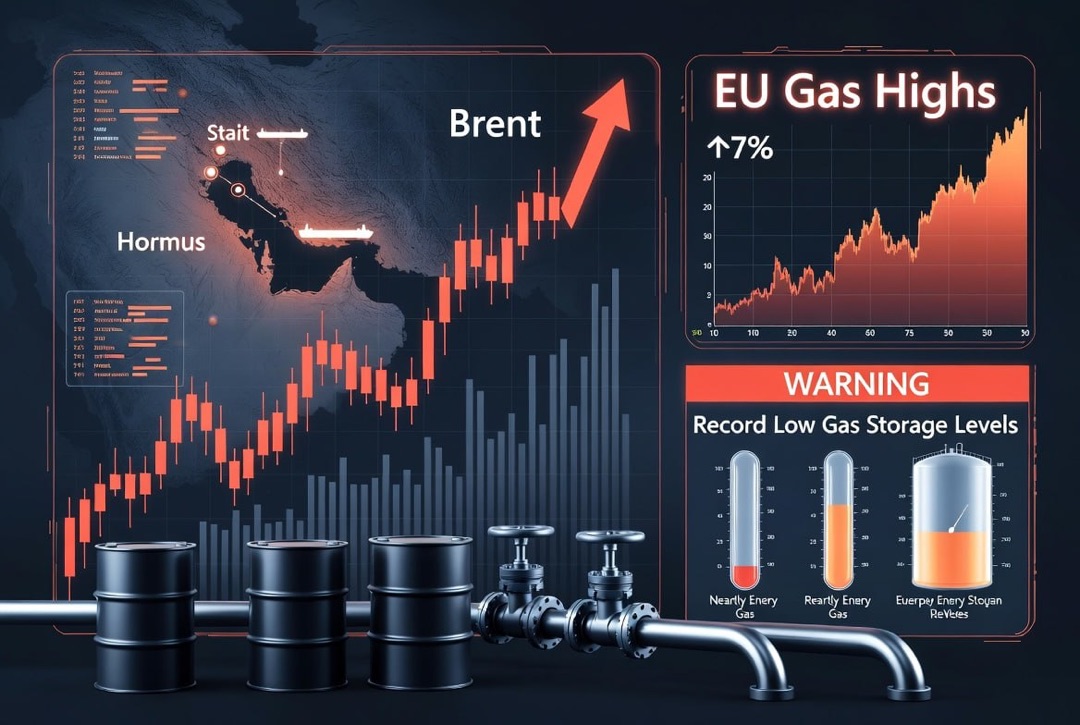
Cryptocurrencies remain a high-risk asset class, making them sensitive to geopolitics, inflation expectations, central bank actions, and global liquidity. When investors are concerned about rising oil prices, increasing inflation, or delays in interest rate reductions, demand for risky assets decreases. In such an environment, Bitcoin, Ethereum, and altcoins can move in sync with technology stocks and other volatile instruments.
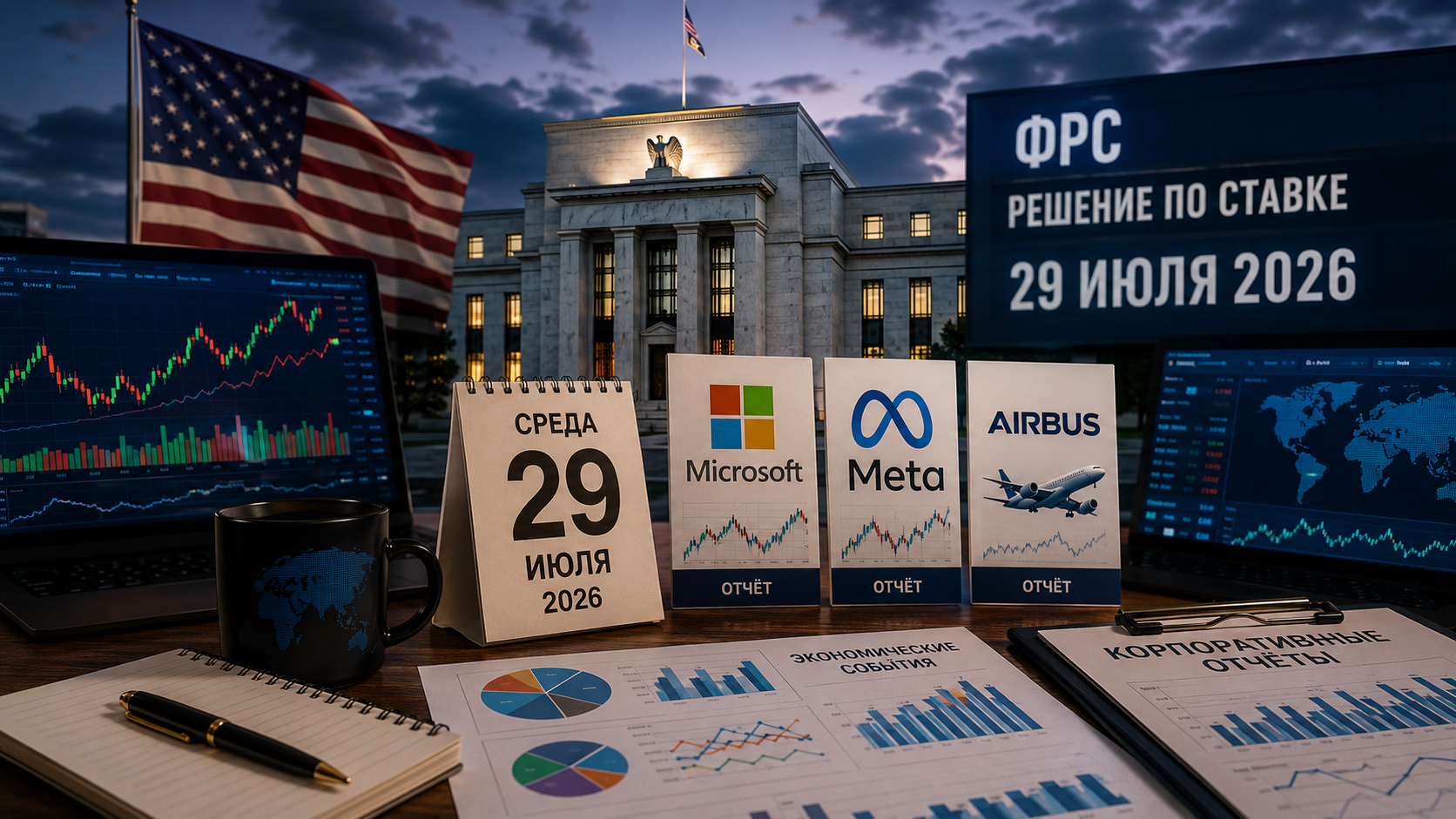
This is particularly important for a global audience. The cryptocurrency market is no longer an isolated sector. It is concurrently influenced by Fed decisions, U.S. regulatory policies, European stablecoin requirements, Asian trading activity, dollar movement, bond yields, and stock market conditions. As a result, professional investors increasingly analyze cryptocurrencies as part of a broader risk portfolio rather than as a standalone speculative niche.
Institutional Investors: From Accumulation to Selective Capital Protection
In 2024-2025, the launch and development of spot cryptocurrency ETFs became the main driver of institutional demand. By 2026, the situation has become more complex. Funds still provide large investors with convenient access to Bitcoin and Ethereum, but capital flows are now changing more rapidly. If, during periods of growth, ETFs accelerated upward movement, during phases of outflows, they can amplify corrections.
For the market, this represents a mature yet stringent phase. Institutionalization does not mean the disappearance of volatility. On the contrary, the emergence of large regulated instruments makes cryptocurrencies more interconnected with traditional markets. Funds, family offices, asset managers, and hedge funds can quickly reduce positions in response to changing macroeconomic scenarios.
In the coming days, investors should monitor:
- the dynamics of inflows and outflows from spot Bitcoin and Ethereum ETFs;
- changes in the share of stablecoins in the overall market capitalization;
- liquidity in the BTC and ETH futures market;
- the movement of major altcoins relative to Bitcoin;
- the cryptocurrency market's reaction to news from the U.S., Europe, the Middle East, and Asia.
What Matters for Investors on May 29, 2026
Friday, May 29, 2026, could serve as a telling session for the entire cryptocurrency market. If ETF outflows slow down, Bitcoin holds key liquidity levels, and Ethereum stabilizes after volatile movements, the market may shift into a consolidation phase. However, if institutional sales continue, pressure may spread to Solana, XRP, BNB, Dogecoin, and other major altcoins.
The main takeaway for investors: the cryptocurrency market remains promising, but it requires stricter risk management. In the current phase, it is important not just to have faith in the long-term growth of the blockchain industry, but also to control the share of digital assets in the portfolio, understand liquidity, track ETF flows, and assess the macroeconomic backdrop. As of May 29, 2026, cryptocurrencies remain a global market with high potential, but in the short term, investors prioritize caution, liquidity, and capital protection.