Overview of Economic Events and Corporate Reports for July 11, 2026. Preparing Markets for the Release of US CPI, the Start of the Major Banking Earnings Season, Data from China, and Key Global Economic Events
Saturday, July 11, 2026, appears unusually calm for global markets: major stock exchanges are closed, the release of key macroeconomic statistics has been postponed until next week, and the calendar for corporate reports from large public companies is virtually empty. However, for investors, this day does not represent a true information pause. On the contrary, it becomes a time for preparation for one of the most significant weeks of July: upcoming releases include the US CPI, US PPI, retail sales, data from China, the commencement of the earnings season for Wall Street banks, and fresh signals from leading technology and industrial companies.
For the CIS audience, it is crucial to view economic events and corporate reports in a global context: US inflation influences bond yields and the dollar, oil dynamics reflects on commodity currencies and Russian assets, while bank and semiconductor earnings set the tone for the S&P 500, Euro Stoxx 50, Nikkei 225, and MOEX.
Key Feature of the Day: A Saturday Pause Before a Busy Week
July 11 is a day when the market tends to analyze already accumulated information rather than reacting to new releases. For a professional investor, such a pause is just as important as a day on which statistics are published: weekends are when scenarios, risk levels, and portfolio structures are reassessed ahead of a potential increase in volatility.
Key topics shaping the agenda include:
- expectations for the June US CPI as the main indicator of inflationary pressure;
- preparation for the release of US PPI and retail sales data;
- the start of the corporate earnings season in the US, beginning with the banking sector;
- assessing demand for artificial intelligence through reports from TSMC and ASML;
- the geopolitical risk premium in oil and its impact on inflation, the dollar, and bonds;
- anticipation of Chinese macroeconomic statistics on trade, industry, and GDP.
Macroeconomic Calendar for July 11: Few Significant Releases
According to the global macroeconomic calendar, Saturday, July 11, has no major releases at the level of CPI, PPI, GDP, labor market metrics, or central bank decisions. For the US, Eurozone, UK, China, Japan, and Russia, the day passes without statistics that could immediately alter estimates of interest rates or corporate profits.
This implies that investors will be working not with new figures, but with expectations. The primary question is to what extent the markets have already factored in the risk of more persistent inflation in the US and the possible continuation of a hawkish Fed stance. Moreover, the absence of publications on Saturday does not diminish the significance of the approaching economic events; instead, the market approaches them with heightened sensitivity after volatility growth in oil, semiconductors, and bank stocks.
US: CPI, PPI, and Retail Sales as Keys to the Fed's Trajectory
The main focus for next week is the June Consumer Price Index (CPI) in the US. For the stock market, both overall inflation and the core CPI, which excludes food and energy, are significant. If core prices show sustained pressure, Treasury yields could rise, which is traditionally negative for growth stocks, the technology sector, and companies with high multiples.
Investors should highlight three blocks for analysis:
- Core Inflation. An acceleration in Core CPI will heighten expectations for a more aggressive Fed policy, potentially putting pressure on the S&P 500 and Nasdaq.
- Producer Prices. The US PPI will indicate how much rising costs may translate into consumer prices and corporate margins.
- Retail Sales. Data on consumer spending will help gauge whether American households remain resilient in the face of high rates and expensive credit.
For investors from the CIS, this data is important through the lenses of the dollar, oil prices, funding costs, and global risk appetite. A strong dollar and rising yields typically worsen conditions for emerging markets, while soft inflation statistics support demand for riskier assets.
Corporate Reports for July 11: No Major Public Companies on the Calendar
No significant reports from large public companies in the S&P 500, Euro Stoxx 50, Nikkei 225, and MOEX are scheduled for Saturday, July 11, 2026. This is a normal situation for a weekend: key releases are usually published before market openings or after trading closes on working days.
The regional picture is as follows:
- S&P 500 and the US: there are no major reports on July 11; attention shifts to JPMorgan Chase, Goldman Sachs, Bank of America, Wells Fargo, Citigroup, Morgan Stanley, Netflix, BlackRock, and Johnson & Johnson in the upcoming trading days.
- Euro Stoxx 50 and Europe: no key releases from major European issuers on Saturday; investors await reports from ASML, Ericsson, BP, and others sensitive to capital expenditures, energy, and industrial demand.
- Nikkei 225 and Asia: no significant Japanese reports on July 11; major Asian focus pivots to TSMC, the technology supply chain, and data from China.
- MOEX and Russia: no significant Saturday releases from major Russian issuers expected; the market will assess oil, the ruble, monetary expectations, and upcoming reports from banks, commodity firms, and retail.
US Banking Sector: The First Test of the Earnings Season
Next week marks the beginning of the Q2 2026 earnings season in the US. The tone will be set by the largest banks: JPMorgan Chase, Goldman Sachs, Bank of America, Wells Fargo, Citigroup, and Morgan Stanley. For investors, these are not just financial sector reports, but indicators of the health of the US economy.
In banking releases, several parameters are important:
- the quality of the loan portfolio and the dynamics of reserves for potential losses;
- net interest margins at the current level of rates;
- revenues from investment banking and trading;
- demand for credit cards, mortgages, and corporate financing;
- management comments regarding consumers and business clients.
Strong banking reports may confirm the resilience of the American economy and support the stock market. Conversely, weak forecasts may heighten concerns about the credit cycle and consumption slowdown.
Technology and Semiconductors: TSMC, ASML, and the AI Cycle Check
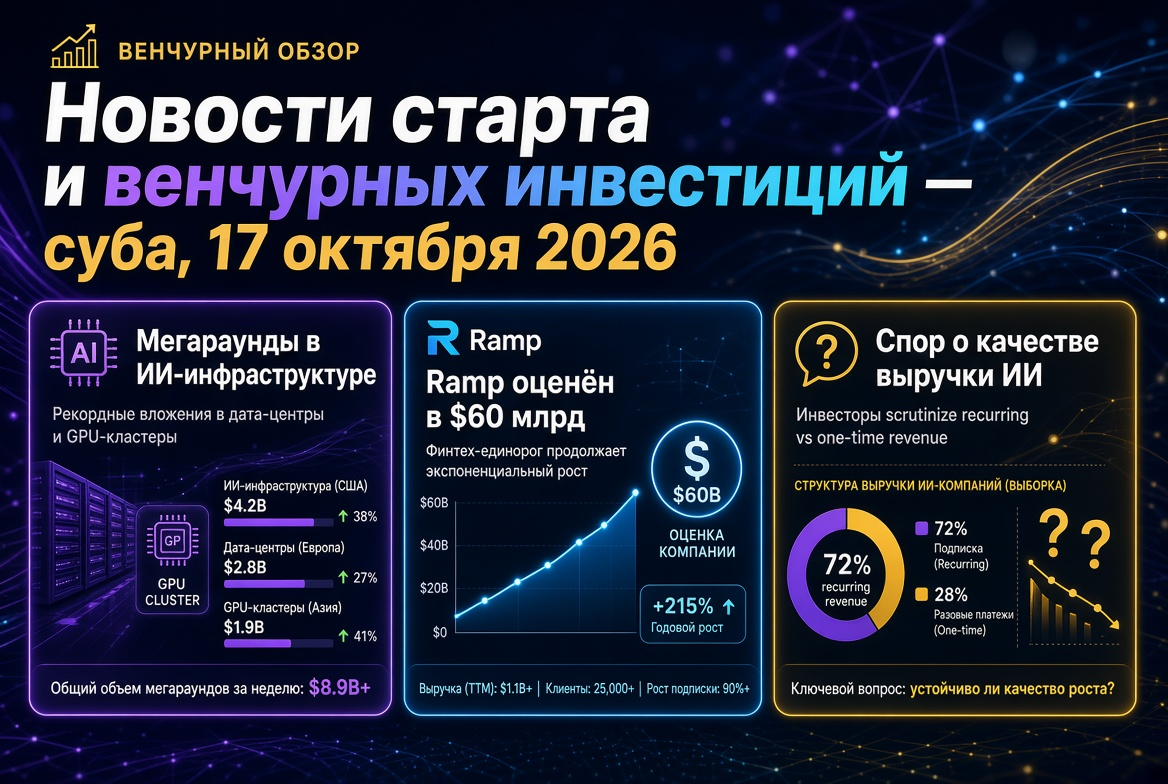
A separate area of focus includes semiconductors and artificial intelligence. Following a strong rise in stock prices of companies linked to AI infrastructure, the market will seek confirmation of fundamental demand. In this context, the reports from TSMC and ASML are significant not only for Asian and European markets but for the entire US technology sector.
Investors should pay attention to the following indicators:
- growth rates in revenue from high-performance computing and AI chips;
- capital expenditures and plans for expanding production capacities;
- orders for lithographic equipment and supply chain utilization;
- management forecasts for the second half of 2026;
- margin sustainability amid increased investments in new factories and technologies.
If the reports confirm strong demand for AI infrastructure, this could support semiconductor stocks, cloud providers, and equipment manufacturers. Should the forecasts be cautious, the market may begin to reassess the most expensive technology assets.
China and Asia: Growth Data as a Factor for Commodities and Exports
The Asian agenda for next week will focus on China. Investors are awaiting data on trade, industrial production, retail sales, and GDP. For the global economy, these indicators represent one of the key gauges of demand for commodities, industrial goods, energy, and components of the technology supply chain.
For CIS markets, Chinese statistics hold particular importance through several channels:
- demand for oil, gas, metals, and coal;
- dynamics of the yuan and trade flows in Asia;
- prospects for export-oriented companies;
- assessment of the global industrial cycle;
- appetite for risk in emerging markets.
Strong data from China could support commodity markets and shares of industrial companies. Weak indicators, especially regarding domestic demand, may heighten concerns about a global slowdown.
Oil, the Dollar, and Geopolitics: The Main External Risk for Investors
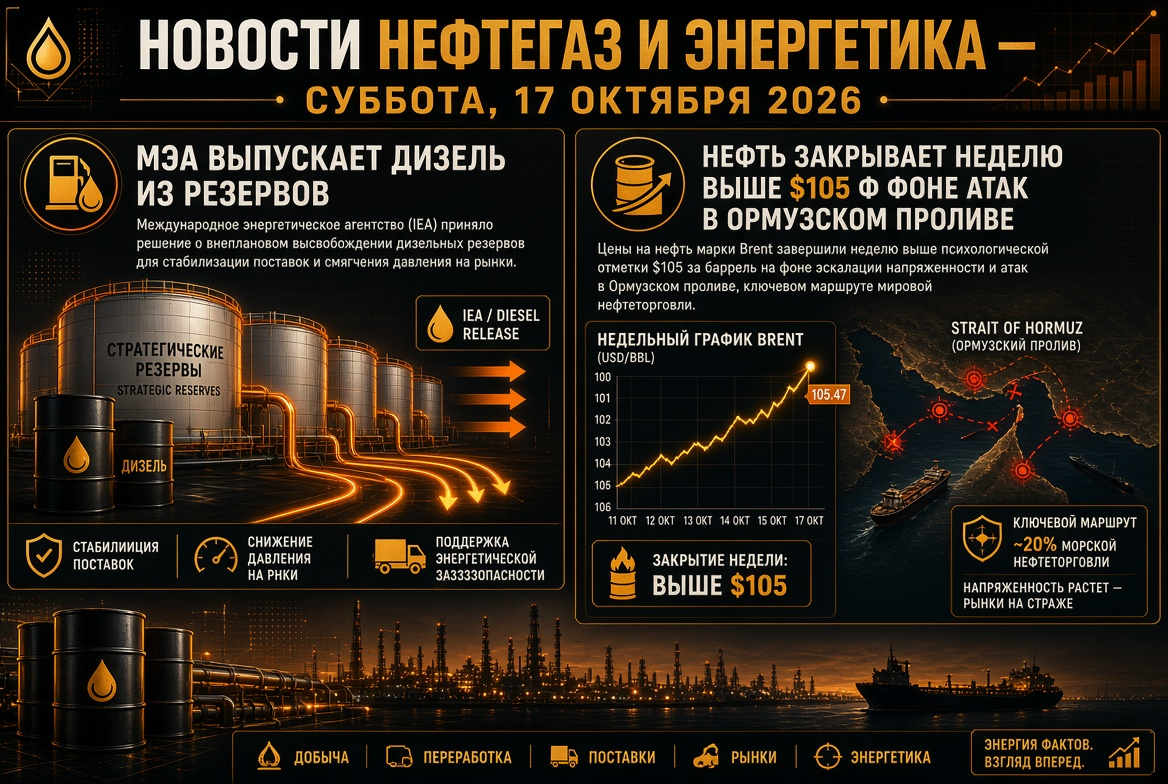
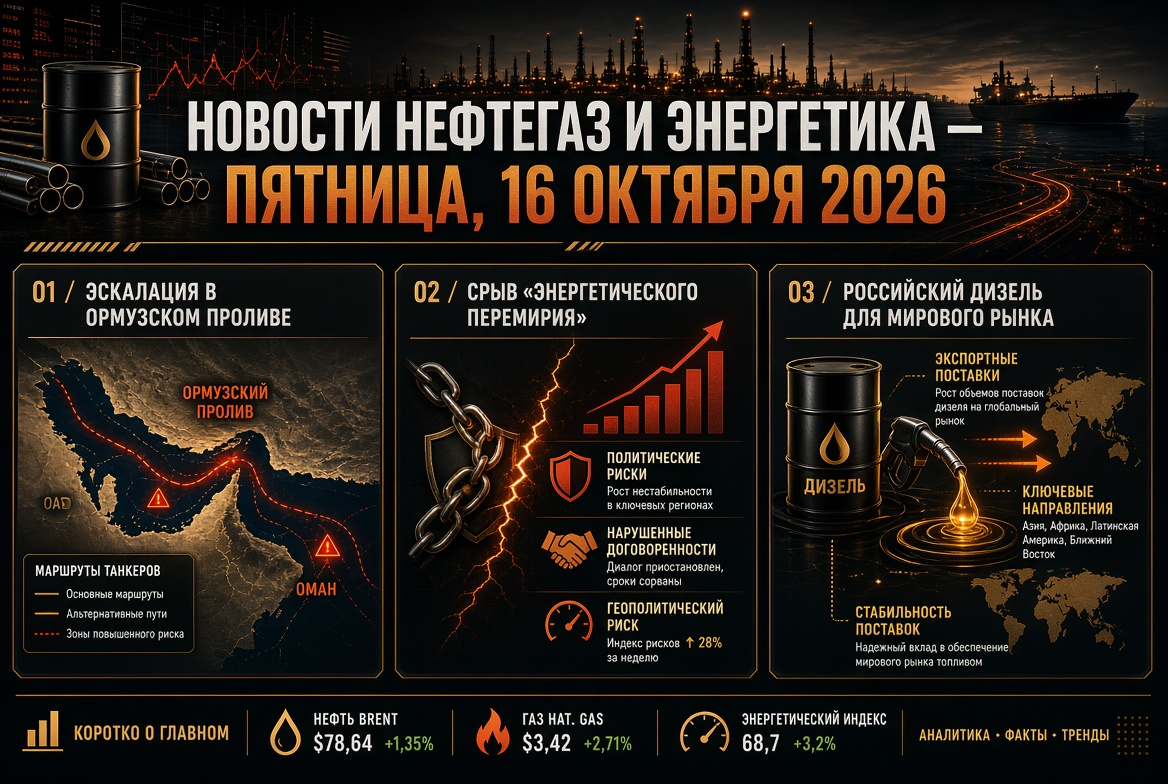
The oil market remains one of the key factors for inflation, bonds, and the Russian stock market. Any escalation of geopolitical tensions around the Middle East and maritime logistics is likely to quickly restore risk premiums in Brent and WTI. For investors, this means increasing uncertainty in assessing inflation and rates.
The linkage is as follows: rising oil prices elevate inflation expectations, inflation expectations support bond yields, rising yields pressure growth stocks, and a strong dollar worsens conditions for some emerging markets. For MOEX, high oil prices may support the oil and gas sector, but simultaneously exacerbate risks through currency, rates, and sanctions premiums.
What to Watch as an Investor
Saturday, July 11, 2026, is a day without major publications, yet with significant preparatory relevance. Investors should take advantage of this pause to reassess their portfolios ahead of a busy week of macroeconomic events and corporate reports.
- US CPI on July 14. The main trigger for the dollar, bond yields, S&P 500, Nasdaq, and gold.
- US PPI and Retail Sales. These data will show whether cost pressures persist and whether the American consumer remains resilient.
- Bank Earnings. JPMorgan, Goldman Sachs, Bank of America, Wells Fargo, Citigroup, and Morgan Stanley will give the first signal regarding the quality of the credit cycle.
- Semiconductors and AI. TSMC and ASML will help clarify the underlying demand for artificial intelligence and data centers.
- Chinese Statistics. Important for oil, metals, industrials, and emerging markets.
- Oil and Geopolitics. Brent remains an indicator of inflation risks and sentiment in the commodities sector.
- MOEX and the Ruble. The Russian market will respond to oil, currency expectations, rates, and upcoming issuer reports.
The main takeaway for investors: July 11 is not a day for active publications, but a day for preparation for a volatile week. The most rational strategy is to pre-determine risk levels, check exposure to the dollar, commodities, banks, and the technology sector, and refrain from making excessive decisions until the US CPI is released and the first major corporate reports are disclosed.