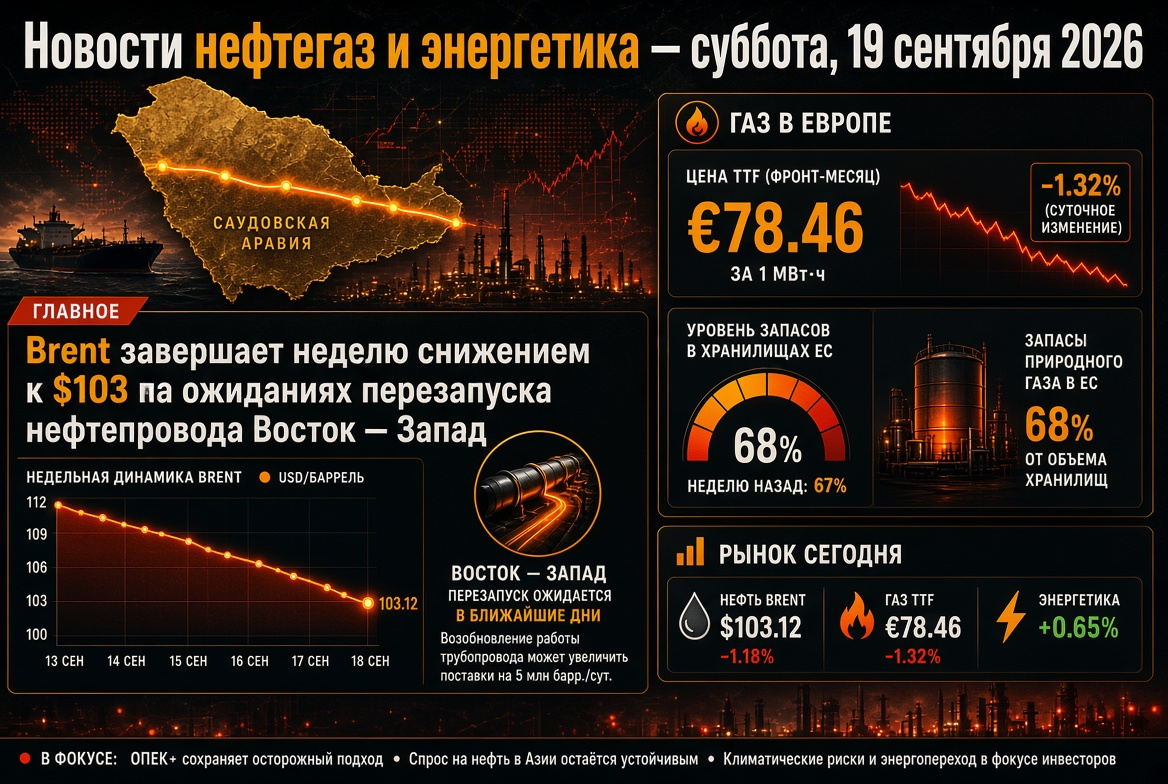
Overview of Economic Events and Corporate Reports for Sunday, March 22, 2026: Oil, Central Bank Rates, Global Markets, and Key Investor Benchmarks
The main characteristic of the day is the transitional nature of Sunday. The economic calendar remains sparse, and most stock markets are closed. However, it is today that investors are positioning themselves for the week, evaluating the implications of decisions made by the Federal Reserve, the European Central Bank, the Bank of Japan, and the Central Bank of Russia, while also reassessing scenarios for the S&P 500, Euro Stoxx 50, Nikkei 225, and MOEX.
- The commodities market remains the primary driver of inflation expectations.
- Bond yields are under pressure due to the risk of a tighter monetary policy.
- The stock market enters the week with heightened sensitivity to geopolitical issues and PMI data.
- Significant corporate reporting on Sunday is virtually non-existent.
Global Macroeconomic Background: What Is Already Priced In
By the end of the previous week, the global market received several important signals. The Fed maintained a cautious tone, the ECB emphasized inflation risks, and the Bank of Japan also kept its policy unchanged but indicated that imported inflation through energy resources is becoming a more sensitive factor. For the world market, this means a shift in focus from the idea of imminent rate cuts to a scenario of an extended period of expensive money.
As a result, attention is drawn not only to interest rates but also to the entire chain of consequences: the cost of capital, currency dynamics, corporate profit expectations, consumer demand sensitivity, and the resilience of cyclical sectors. This is especially significant for the global environment, as changes in monetary expectations simultaneously impact equities, bonds, oil, gas, gold, and foreign exchange markets.
Russia and the CIS: Key Considerations Following the Central Bank of Russia's Decision
For investors from the CIS, Sunday, March 22, follows the Central Bank of Russia's crucial decision. The reduction of the key rate to 15.0% creates a new benchmark for the ruble debt market, banking sector, funding cost assessment, and future dynamics of corporate lending. This is particularly important for those monitoring the MOEX, government bonds, corporate bonds, and financial sector equities.
Against this backdrop, investors should assess:
- How demand for ruble-denominated instruments will change following the latest step toward policy easing;
- Whether shares of banks, developers, and the consumer sector will receive support;
- If the stock market can maintain interest in dividend stories amid external volatility;
- The impact of expensive oil on budgetary, currency, and inflation expectations.
The United States: Factors That Will Define Sentiment for the S&P 500
Although there is little macro data from the United States on Sunday, the market enters the new week with an already established set of risks. For the S&P 500, the main factor remains the combination of high energy prices, a more aggressive trajectory in Fed rate expectations, and pressure on consumer sectors. Companies with a high dependency on transportation costs, fuel prices, and consumer sensitivity to inflation may remain the most vulnerable.
At the start of the week, investors will monitor U.S. second-tier statistics, including construction indicators and overall business activity assessments. However, the key takeaway on Sunday is that the U.S. market is currently responding more to the combination of oil prices, yields, and expectations for March business surveys rather than localized data.
Europe: Euro Stoxx 50 and the Risk of Energy Pressure
For the European market, the day is also focused on reassessing inflation risks. The Euro Stoxx 50 remains particularly sensitive to high energy prices since the European economy is historically more affected by external oil and gas price fluctuations. Whereas investors previously bet on a more accommodative ECB policy, the focus has shifted to evaluating the persistence of the new inflationary impulse.
Three aspects are crucial for Europe:
- Margins of industrial companies amid rising energy costs;
- The resilience of consumer demand and retail;
- The prospect of more hawkish rhetoric from the ECB at upcoming meetings.
This is why Sunday becomes a day of preparation for the new week rather than a day of active publications.
Asia: Nikkei 225, Yen, and Dependence on Energy Markets
The Asian region enters the new week in an even more sensitive configuration. The Nikkei 225 and the Japanese yen are affected by imported inflation, and expensive oil directly worsens trade conditions for Japan. If energy prices continue to rise, the market will reassess not only the trajectory of the Bank of Japan but also the profit prospects for companies in the industrial, transportation, and consumer segments.
For investors, this means that Monday morning’s Asian session may serve as the first indicator of global risk appetite for the new week. It is particularly important to observe:
- Japanese exporters;
- Energy-intensive sectors;
- Companies sensitive to a weak yen and import costs.
Corporate Reports: Who Is Publishing on March 22
An important note for publication on the site: on Sunday, March 22, 2026, the reporting calendar for major public companies appears extremely empty. For the U.S. market, there are no significant reports expected among large issuers, and a similar situation is observed with major European, Asian, and Russian blue chips. This is logical for a weekend when most companies prefer not to release quarterly results.
Therefore, it is correct to note the following in the article:
- No major reports from S&P 500 companies are expected on Sunday;
- No significant releases from key components of the Euro Stoxx 50 and Nikkei 225 are scheduled;
- Sunday remains devoid of major reporting among the largest public companies in Russia;
- The primary focus of investors has shifted to upcoming publications during the working days of the week.
This does not render the day empty; on the contrary, the absence of significant reports enhances the importance of macroeconomic factors, commodity markets, and expectations for Monday’s opening.
What the Market Will Monitor in the Next 48 Hours
From a practical standpoint, Sunday should be used to prepare for a busier week ahead. Investors are already focused on the March flash PMIs from major economies, inflation data from Japan and the UK, consumer indicators in the U.S. and the Eurozone, as well as the overall effect of the energy shock on business activity. These publications have the potential to set the tone for global indices and sector rotations.
Special attention should be paid to:
- Manufacturing and services PMIs as early indicators of pressure on the economy;
- Oil and gas as key drivers of inflation expectations;
- Bond yields as indicators of changing rate expectations;
- Currencies of energy-importing countries;
- The reaction of futures on the S&P 500, European indices, and Asian markets before the week's opening.
What Investors Should Focus on by Day's End
For investors, Sunday, March 22, 2026, is a day for strategic calibration rather than an active hunt for statistics. The main theme of the global environment now revolves around not just economic events and corporate reports but a shift in the entire market logic under the influence of expensive energy, strict inflationary risks, and a more cautious stance from central banks.
Key benchmarks for the coming trading sessions are as follows:
- Monitor the reaction of oil and bonds—these are what currently set the tone for equities;
- Assess whether the pressure on the S&P 500, Euro Stoxx 50, Nikkei 225, and MOEX will persist at the beginning of the week;
- Do not overestimate the lack of reporting on Sunday—the market has shifted focus to macroeconomic factors and rates;
- Be prepared for increased volatility following the release of business surveys and new signals from global regulators.
The conclusion of the day: March 22 is not an empty Sunday, but a significant point between central bank decisions and the beginning of a new week during which global investors will reassess risk pricing, inflation prospects, and corporate profit resilience.