Analysis of Economic Events and Corporate Reports for Sunday, November 9, 2025. Inflation in China, Reports from Occidental Petroleum, Tyson Foods, and Barrick Gold, Expectations for U.S. Inflation Data, and Benchmarks for Investors for the New Week.
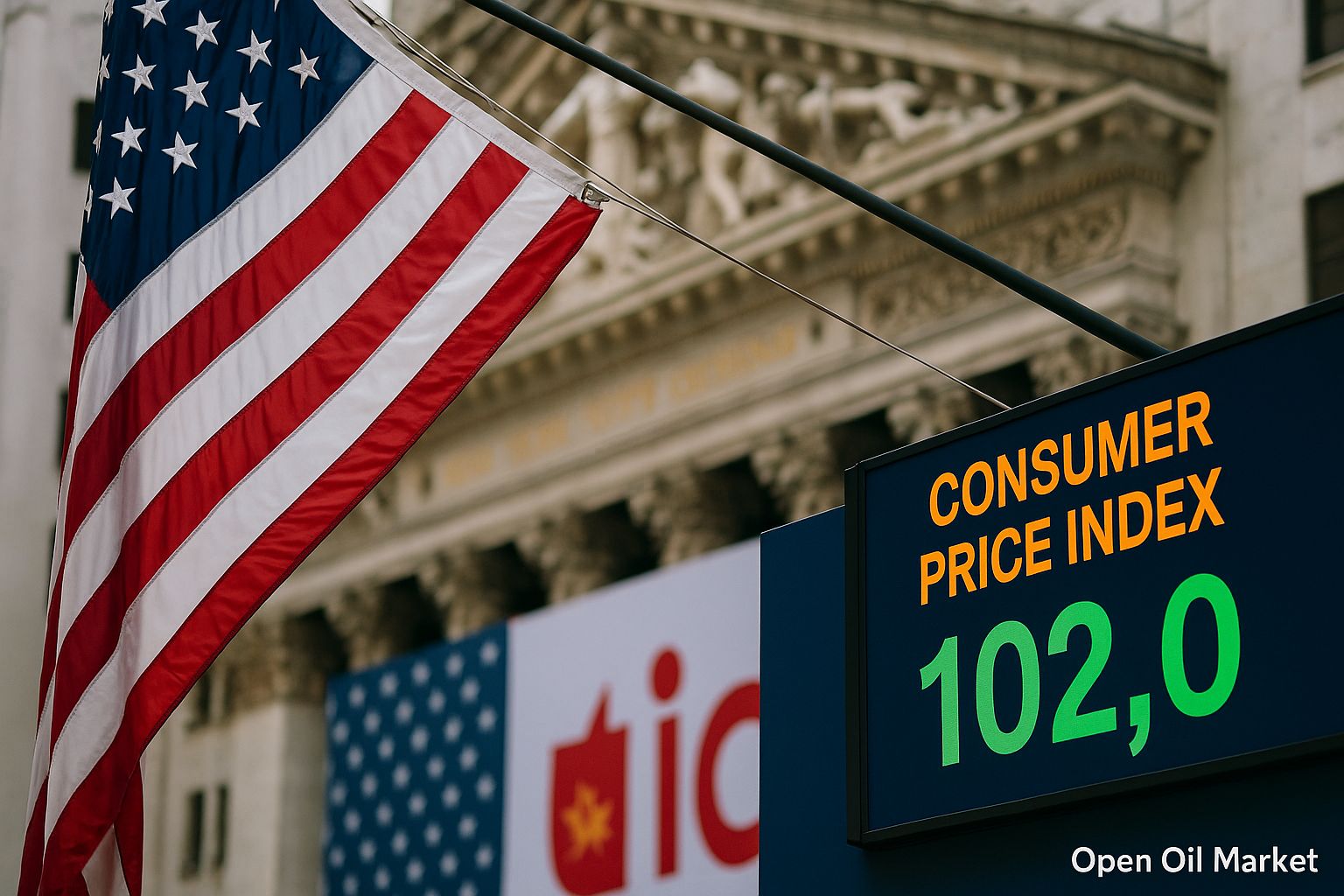
Sunday provides a crucial context ahead of the opening of global markets. Investors from Russia and the CIS are closely monitoring morning inflation data from China and assessing any weekend news that may impact commodity and currency markets. Markets in the CIS and Europe are closed this Sunday; however, analysts are shifting their focus to upcoming key indicators in the U.S. and Europe—especially the Consumer Price Index (CPI) data from the U.S. mid-week—and a series of corporate reports that will set the tone for individual sectors at the start of the new week.
Macroeconomic Calendar (MSK)
- 04:30 – China: Consumer Price Index (CPI) for October.
- 04:30 – China: Producer Price Index (PPI) for October.
Asia: Inflation in China
Statistics from Beijing indicate a continuation of deflationary trends, though their severity is decreasing. The annual growth of consumer prices in China for October has stabilized around 0%, emerging from negative territory, while the Producer Price Index remains at -2.3% year-on-year. These figures reflect weak domestic demand and excess capacity in industry, but stabilizing CPI close to zero may signal a gradual revival of consumption. This information is vital for global markets: a recovery in price pressure in China would bolster commodity markets and the currencies of exporters, whereas prolonged deflation heightens expectations for additional stimulus from the People's Bank of China and pressures companies reliant on Chinese demand.
Global Markets: Focus on U.S. Inflation
The upcoming week centers around U.S. inflation data for October, which will be released on Thursday. The CPI in the U.S. will be a defining factor for Federal Reserve rate expectations: a slowdown in core inflation would bolster the likelihood of an imminent monetary policy easing, while any unexpected acceleration in price pressure could trigger a rise in Treasury yields and strengthen the dollar. Global equity markets, currently near multi-year highs, have priced in a scenario of gradual declining inflation; therefore, any surprises in American statistics could cause significant reevaluation of risk assets worldwide. European investors will also take these data into account, linking them to the prospects of ECB policy, which is expected to maintain a wait-and-see approach amid softer price dynamics in the Eurozone.
Corporate Reporting
- U.S. (S&P 500): On Monday before market open, Tyson Foods (consumer sector, food) and the largest gold producer Barrick Gold will report. Investors will evaluate Tyson's margins amid volatile feed prices and demand for meat products, as well as Barrick's profit from high gold prices. Following the close of trading in the U.S., Occidental Petroleum—a key player in the energy sector—is expected to release its quarterly report. The results from Occidental (oil and gas business) and comments on shareholder capital returns will be closely monitored, especially in light of recent oil price trends.
- Europe (Euro Stoxx 50): Most of the largest European companies have already reported at the end of October, hence there are no major releases planned in the Euro Stoxx 50 for the new week. European equity indices will primarily react to external factors – macroeconomic news from the U.S. and China, as well as fluctuations in the euro against the dollar.
- Asia (Nikkei 225 and others): In the Asia-Pacific region, the earnings season for July-September is nearing its end. At the beginning of the week, individual companies in India and Australia will report, continuing the trend of strong results in the banking and consumer sectors. In Japan, the financial outcomes for most exporters have already been published; the persistent weak yen and strong quarterly results from technology and industrial giants (ranging from car manufacturers to electronics) support high demand for stocks in the Tokyo market.
- Russia (MOEX): The Moscow Exchange is closed on Sunday, but Russian investors are focusing on external cues. In recent days, the board of directors of Polyus (gold) recommended interim dividends of 36 rubles per share, while Akron (mineral fertilizers) proposed 189 rubles per share based on 9-month results of 2025. Ahead lies a series of corporate publications under Russian accounting standards (RAS) for the first nine months, traditionally released by the end of November. In the absence of trading in Russia, key influences on sentiment at the start of the week will come from oil prices and the dynamics of global markets following the release of Chinese and American statistics.
Other Regions and Indices: S&P 500, Euro Stoxx 50, Nikkei 225, MOEX
- U.S. (S&P 500): American indices are holding around record levels. Over 80% of companies in the S&P 500 have already reported, and the total results have surpassed expectations, supporting the market. The focus is now shifting to macroeconomics—upcoming inflation data and signals from the Fed. Investors are factoring in a potential rate cut at the December meeting, but confirmation is being sought in recent statistics.
- Eurozone (Euro Stoxx 50): European markets are also near historical highs, bolstered by a decline in energy prices and stable corporate results. In the region, the forthcoming steps of the ECB are under scrutiny (the market expects a pause in rate hikes) along with the overall external context. News of progress in trade negotiations between the U.S. and China or changes in geopolitical dynamics could significantly affect sentiment in Europe.
- Japan (Nikkei 225): The Japanese index recently reached multi-year peaks, supported by a weak yen and strong earnings from export-oriented companies. While most corporate results are now behind, the influx of foreign investments into the Japanese market remains. The Bank of Japan's monetary policy continues to act as a driver: its ultra-loose stance and yield curve control differentiate Tokyo from western markets, stimulating interest in equities.
- Russia (MOEX): The Russian equity market and the ruble will largely depend on the dynamics of global commodity markets and risk appetite in emerging markets at the start of the week. Oil prices remain a key benchmark: their relative stability supports the MOEX index, while new sanctions or geopolitical risks could alter the balance of power. The internal agenda for the new week includes ongoing dividend narratives (approval of payments by Polyus and Akron expected later in November) and the publication of financial results from individual issuers, but external factors—global inflation data and central bank rhetoric—are expected to dominate.
Day’s Summary: What Investors Should Focus On
- Chinese Inflation: Morning CPI/PPI figures from China send signals to the entire emerging market. Zero consumer price growth and prolonged deflation at the producer level imply continued incentives for Beijing's soft policy. This could support stocks and currencies of Asian countries, however, ongoing deflation carries risks for commodities.
- U.S. Data: The publication of the Consumer Price Index in the U.S. (November 13) is the primary macro trigger for the week. Whether inflation slows will determine the reaction of Treasury bonds and equity indices. A strong report could heighten expectations for policy easing by the Fed and provide momentum to the markets, while any unexpected rise in the CPI threatens a wave of sell-offs in risk assets and strengthens the dollar.
- Company Reports: At the start of the week, the focus will be on results from Tyson Foods, Occidental Petroleum, Barrick Gold, and other corporations. Their reports will set the tone for individual sectors: the food sector will test the resilience of consumer demand, energy will assess corporate efficiency amid current oil prices, and mining companies will show profitability from high precious metal prices. Volatility is likely at the level of individual stocks and sectors depending on surprises in these releases.
- Russian Market: Despite the holiday, domestic investors are evaluating external conditions. Starting Monday, the dynamics of the ruble and stocks on the MOEX will reflect the interplay of global factors—from Chinese statistics to Fed expectations. Positive external signals (rising oil prices, soft central bank rhetoric) could enhance capital flows into ruble-denominated assets, whereas any shocks from outside may require heightened caution.
- Risk Management: The saturation of events in the upcoming week necessitates caution in actions. Investors are advised to predefine acceptable volatility ranges and key price levels for their positions, use limit orders for executing trades, and apply hedging if necessary. This approach will help protect their portfolio amid potential sharp market movements.