Global Energy Market as of June 30, 2026: The Situation Around the Strait of Hormuz, Dynamics of Brent and WTI Oil, European Gas Market, LNG, Oil Products, Refineries, Power Generation, Renewable Energy, and Coal – An Overview for Investors and Global Energy Sector Participants
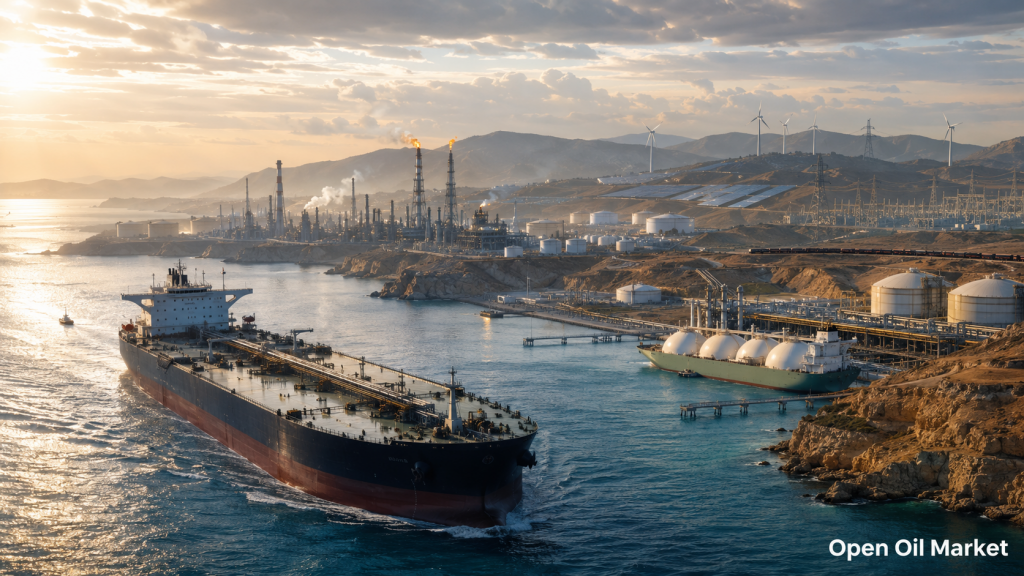
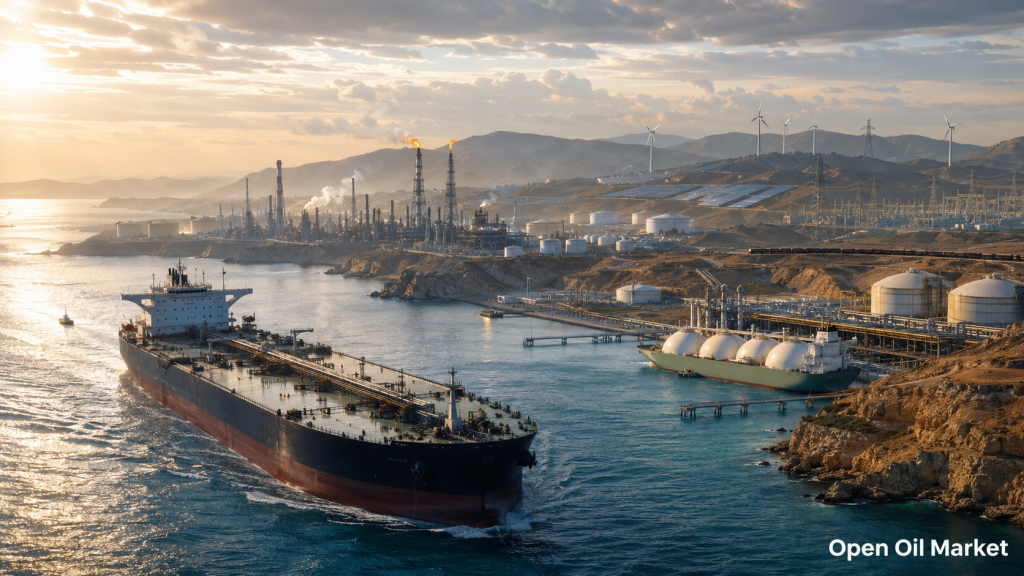
As of Tuesday, June 30, 2026, the global fuel and energy complex is entering a phase of cautious stabilization following sharp fluctuations in the oil, gas, LNG, and oil product markets. The day's main theme is the recovery of a portion of supplies through the Strait of Hormuz, which remains a key artery for global oil trade, liquefied natural gas, and petroleum products. For investors, oil companies, fuel operators, traders, refineries, and energy market participants, this indicates not a return to previous normalcy, but a transition to a more complex risk assessment model.
Prices for Brent and WTI have moved away from extreme levels; however, the market is still pricing in geopolitical premiums. The European gas market remains tense due to low storage levels and competition for LNG. In the power sector, demand is rising from data centers, industries, and cooling systems. While renewables continue to grow, energy security is again raising the significance of gas, coal, backup generation, and reliable infrastructure.
Brent and WTI: The Market Balances Between Supply Risks and Expectations of Surplus
The global oil market as of June 30, 2026, remains in a state of reassessment. On one hand, the restoration of tanker traffic through the Strait of Hormuz reduces fears of raw material shortages. On the other hand, logistics in the Middle East has yet to return to normal: insurance, freight costs, vessel queues, and port restrictions continue to impact the physical market.
For Brent, the key range for the coming days is forming around $72–74 per barrel, while for WTI it is around $69–71 per barrel. This is no longer the panic-driven market seen at the onset of the summer crisis, but neither is it a calm market of surplus supply. Investors are closely monitoring three factors:
- the pace of export recovery from Gulf countries;
- actual delivery volumes from Iraq, Saudi Arabia, Kuwait, and Iran;
- the capacity of Asian demand to absorb additional oil deliveries in July.
For oil companies, the current situation presents a mixed signal: prices are already below stress highs, but operational risks remain high. For investors in the oil and gas sector, this means that the shares of extraction companies will depend not only on Brent pricing but also on access to export infrastructure, transportation costs, and sales structures.
OPEC+ and Quotas: The Alliance's Discipline Under Scrutiny
OPEC+ maintains a cautious approach toward gradually increasing production targets, yet the actual market increasingly diverges from formal quotas. Some producers are unable to quickly ramp up supplies due to infrastructure constraints, military risks, and logistical delays. Meanwhile, Iraq is exerting pressure on OPEC, seeking a higher production quota amid budgetary needs and new investments in oil fields.
For the oil market, this creates several scenarios:
- If the Strait of Hormuz continues to operate smoothly, the market may see additional supply as early as July;
- If logistical constraints persist, quota increases will largely remain nominal;
- If some countries begin producing above agreed levels, pressure on Brent and WTI will intensify.
This is a pivotal moment for the global energy sector: OPEC+’s ability to manage the oil market is becoming less absolute than in previous years. Not only the decisions of ministers take center stage but also the physical availability of ports, tankers, insurance, and refining capacities.
Gas and LNG: Europe Enters Summer with Vulnerable Stocks
The gas market remains one of the main sources of risk for global energy. Europe has begun the gas injection season for underground storage with a low base after a cold winter, and current stock levels are significantly below the comfortable values of previous years. This increases the likelihood that the region will approach the heating season with insufficient buffer stocks.
Key challenges for Europe include competition with Asia for LNG, limited supplies from the Middle East, high sensitivity to weather conditions, and impending regulatory requirements regarding gas and oil product imports. TTF prices remain elevated compared to last year’s levels, reflecting not only a physical deficit but also concerns over the upcoming winter scenario.
For gas companies and investors, this maintains interest in LNG projects in the U.S., Australia, Africa, and Qatar. However, the market no longer perceives gas purely as a cheap transitional fuel: capital expenditures, construction timelines, methane requirements, and competition from renewables are altering the economics of new projects.
Oil Products and Refineries: Diesel Remains the Most Sensitive Segment
The main tension in oil refining persists not so much in crude oil but in finished petroleum products. Diesel, jet fuel, and gas oil remain sensitive to supply disruptions, refinery maintenance, export reductions, and changes in trade flows. Even with a decrease in crude prices, refining margins for middle distillates remain high.
For refineries, this means a favorable margin environment but a challenging operational landscape. Plants are facing high raw material costs, unstable logistics, regulatory constraints, and changes in demand structure. In the U.S., refinery utilization remains high, but distillate stocks are below average levels. In Asia, the market is anticipating increased Chinese exports of diesel and jet fuel, which could partially alleviate the deficit.
For fuel companies and wholesale suppliers of petroleum products, three practical takeaways are important:
- Diesel fuel remains a premium product with increased volatility;
- Local disruptions at refineries quickly reflect on regional prices;
- Contracts with reliable logistics become more important than short-term price benefits.
Russia, Oil Products, and the Domestic Fuel Market
The Russian oil product market remains under pressure due to infrastructure damage, export restrictions, and the need to prioritize domestic demand. This is significant for the global market as Russia remains a major supplier of diesel, fuel oil, and other oil products. Any reduction in exports intensifies competition for alternative supplies in Europe, Turkey, Asia, Africa, and the Middle East.
Should diesel export restrictions be expanded, the global market for middle distillates could obtain a new pricing impulse. The agricultural sector, freight transportation, the construction industry, and manufacturing, where diesel serves as a basic operational fuel, will remain particularly sensitive.
Power Generation: Demand Grows Faster Than Infrastructure
The global power sector is facing a new structural burden. Demand is rising due to artificial intelligence, data centers, transportation electrification, industrial needs, air conditioning, and urbanization. In the U.S., Europe, China, India, and Southeast Asian countries, energy systems are increasingly hitting limits not only in generation but also in networks, transformers, permits, connections, and backup capacities.
For investors, this shapes a long-term investment theme: electrical networks, energy storage, gas generation, nuclear energy, substation equipment, and load management are becoming as important as generation itself. The energy sector is transforming into an infrastructure foundation for the digital economy.
Renewable Energy and Energy Transition: Growth Continues, But Traditional Fuels Remain Necessary
Renewable energy maintains high growth rates, particularly in solar generation, wind power, and energy storage. However, 2026 reveals that the energy transition does not eliminate the need for gas, coal, oil, and reserve power. China is simultaneously ramping up renewables while maintaining a significant role for coal, as industrial and power generation sectors require reliable baseload.
In the U.S., some renewable projects are facing permitting delays, which could limit the pace of new capacity additions. Conversely, in Asia, high prices for imported fuels are stimulating solar generation and battery investments. For investors, this indicates that the renewable sector remains promising, but key criteria will include not only installed capacity but also access to grids, storage solutions, power purchase agreements (PPAs), and stable regulation.
Coal: Energy Security Supports Demand
The coal market remains controversial. In the long-term agenda, most countries declare a reduction in coal reliance; however, in the short term, coal continues to play the role of a safety net fuel. China, India, Japan, and several Southeast Asian countries continue to rely on coal generation as a tool against interruptions in LNG supply and high gas prices.
Prices for thermal coal remain bolstered by seasonal demand, supply constraints, and rising consumption in Asia. For coal companies, this creates a window of high revenue; however, for investors, the sector remains constrained by regulatory, climate, and financial challenges. Bank financing for coal projects is becoming more challenging, yet physical demand in several regions remains resilient.
What Investors and Energy Sector Participants Should Focus On
The main investment idea as of June 30, 2026, is that the global energy sector is transitioning from a price shock phase to a phase of infrastructure selection. In the oil market, important factors include not only Brent and WTI but also the capacity of the Strait of Hormuz, insurance, the tanker fleet, and OPEC+ discipline. In the gas market, the key indicator is the speed of filling European underground storage and the recovery of LNG supplies. In oil products, the primary focus is on diesel margins, refinery utilization, and export restrictions.
Investors should monitor:
- the dynamics of Brent, WTI, and spreads between oil grades;
- the level of gas stocks in Europe and TTF prices;
- the refining margins for diesel, gasoline, and jet fuel;
- OPEC+ decisions and Iraq's position on quotas;
- the growth in electricity demand due to data centers and industrial activities;
- the pace of renewable energy, storage, and grid infrastructure development;
- coal demand in China, India, and Asian countries.
For oil companies, fuel operators, refineries, and investors, the current period opens up opportunities but also requires tighter risk management. Success will depend not only on companies engaged in extraction or refining but also on those who manage logistics, access to markets, product balance, and financial stability. The global energy landscape of 2026 is becoming more costly, more politicized, and more infrastructure-centric, shaping the investment agenda of the energy sector in the months ahead.