Current Oil and Gas and Energy News for Saturday, June 27, 2026: Oil Lowers Geopolitical Premium, Market Assesses Supply via Hormuz, Gas Situation, LNG, Refineries, Oil Products, Electricity, Renewables, and Coal
The global fuel and energy sector enters Saturday, June 27, 2026, in a phase of sharp risk reassessment. After several weeks of tension surrounding the Middle East, the oil market is gradually reducing some of its geopolitical premium. However, investors, oil companies, petroleum product traders, and refinery operators are not yet ready to deem the situation fully normalized. The primary focus of the global energy sector is shifting from panic over physical supplies to a more complex balance: raw material availability is improving, yet refining, logistics, gas, electricity, coal, and renewables remain under pressure.
For market participants, this means that energy is once again being traded not as a single asset but as a set of interrelated, yet distinct narratives. Brent and WTI crude oil are reacting to tanker movements and the restoration of routes through the Strait of Hormuz. Gas and LNG depend on Asian demand, European storage injections, and infrastructure repairs. Electricity in Europe is stressed due to heat, low wind generation, and nuclear power constraints. Coal is temporarily receiving support as a backup fuel in Asia. Oil products remain a separate point of tension, as gasoline, diesel, jet fuel, and gas oil do not always decrease in price synchronously with crude oil.
Oil: Market Reduces Risk Premium, but the Topic of Hormuz Remains Open
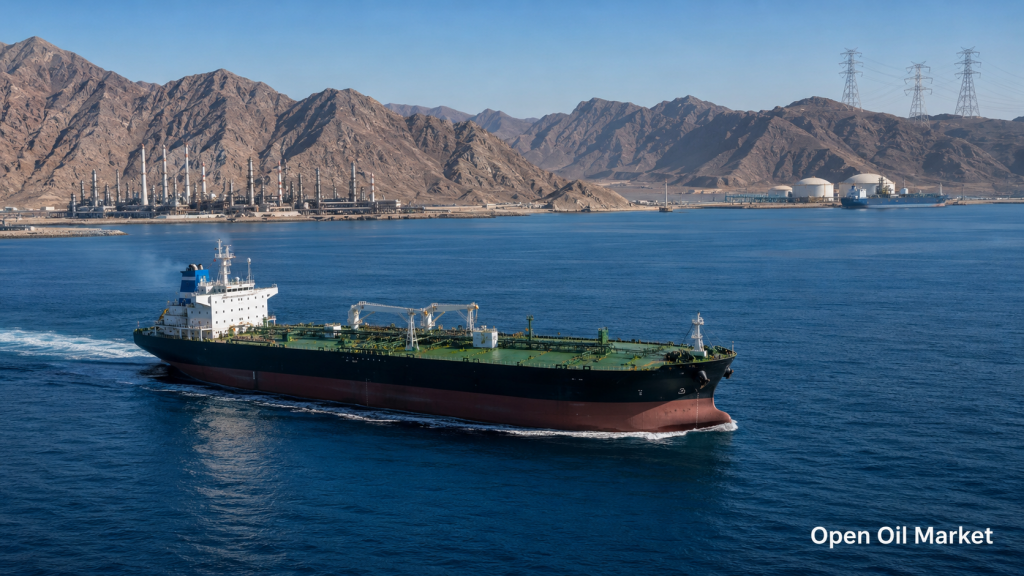
The main theme in the global oil and gas market is the decline in oil prices following the recovery of part of the shipping routes through the Strait of Hormuz. Brent and WTI have retreated from extreme levels as traders have observed signs of normalization in raw material flows from the Persian Gulf. For investors, this is an important signal: the fear of physical shortages of crude oil is diminishing, but the market is still pricing in the likelihood of renewed disruptions.
Key factors for the oil market as of June 27 include:
- The return of some tankers to movement through the strategic Middle Eastern route;
- The easing of the short-term geopolitical premium in Brent and WTI;
- The maintenance of discounts on certain grades of oil amid rising supply;
- Buyer caution in Asia, particularly in China;
- Increased attention to insurance rates, freight, and military risks.
For oil companies, falling prices are not only negative. Reduced volatility simplifies supply planning, refinery operations, and export programs. However, if oil continues to lose its premium, shares of exploration and production companies may face downward pressure, especially in areas where budgets and capital expenditures are based on a higher price corridor.
U.S.: Oil Stocks Decrease, but Oil Products Signal Mixed Messages
The American market remains one of the main benchmarks for the global energy sector. Recent data on oil stocks show that commercial crude oil inventories in the U.S. are declining, and the Cushing storage is at low levels. Typically, such a picture supports WTI, but in the current situation, geopolitical de-escalation and restored maritime flows are outweighing local statistics.
At the same time, oil products are presenting a more complex picture. Gasoline and distillate stocks have risen despite the summer peak demand season. For refineries, this means that high refining throughput may soon encounter margin questions. If gasoline, diesel, and gas oil start accumulating faster than expected, the crack spread may narrow, and refinery profitability may decrease.
For investors, it is important to distinguish between three markets:
- Crude oil — dependent on production, inventories, and geopolitics;
- Oil products — dependent on demand, seasonality, and refinery utilization;
- Retail fuel — reacts with a delay due to logistics, taxes, and inventory structure.
Refineries and Oil Products: Refining Shortages Matter More than Abundant Crude
Even with an improvement in crude oil supply, the oil product market remains tense. Asia is showing a typical gap for 2026: crude supply is increasing, but gasoline, diesel, jet fuel, and gas oil remain sensitive to refinery throughput, maintenance, export quotas, and freight costs.
This is a crucial point for fuel companies. A decrease in Brent does not always mean an immediate reduction in diesel, gasoline, or marine fuel prices. The pricing of oil products increasingly depends on:
- The availability of refining capacity;
- Raw material quality and the structure of light oil product outputs;
- Export restrictions and domestic priorities of individual countries;
- Delivery, insurance, and storage costs;
- Demand from aviation, road transport, industry, and agriculture.
As a result, oil products can remain expensive even when crude oil prices decline. For investors, this supports interest in integrated oil companies with strong refining, logistics, terminals, and export infrastructure.
Gas and LNG: Market Stabilizes, but Asia and Europe Compete for Flexible Volumes
The global gas market is gradually emerging from the shock phase following disruptions and price spikes related to Middle Eastern tensions. However, LNG remains one of the most sensitive segments of the energy market. Asia needs supplies for power generation and industry, Europe continues preparing for the winter season, and LNG producers are leveraging high demand to safeguard contract prices.
Key drivers for the gas market include:
- The restoration of supplies following reduced risks in the Strait of Hormuz;
- Gas injection into European storage ahead of winter;
- Demand from China, Japan, South Korea, and India;
- The cost of alternatives such as coal and fuel oil;
- Regulatory requirements for methane emissions and the carbon footprint of LNG.
For Europe, gas remains not only a commodity but a strategic asset. The higher the summer temperatures and lower the renewable energy output during certain hours, the more frequently gas plants become balancing capacity. This sustains demand for LNG even amid decarbonization efforts.
Electricity: Heat in Europe Turns Climate Factor into Market Risk
The electricity sector has become one of the main topics of the week. Hot weather in Europe has intensified demand for cooling, while low wind generation and constraints on certain nuclear plants have created stress in energy systems. For the market, this means a growing role for gas and coal generation as backup sources, especially in the evening hours when solar generation declines.
This situation demonstrates a new reality in global energy: climate risks are becoming market risks. For investors in the electricity sector, it's not only about tariffs and station capacities, but also the resilience of networks, availability of reserves, intersystem flows, and operators' ability to balance demand.
The most vulnerable areas include:
- Countries with a high share of electricity imports;
- Regions with limited grid infrastructure;
- Markets where renewables are growing rapidly, but energy storage is developing more slowly;
- Systems dependent on nuclear generation and water resources for cooling.
Coal: Temporary Beneficiary of Expensive Gas and Peak Demand
Coal remains a contentious but important element of the global energy balance. In Asia, demand for thermal coal is supported by hot weather, heavy electricity consumption, and the quest to replace expensive LNG with more affordable fuel. China, Japan, and South Korea continue to be key players in seaborne coal trade, while India continues to balance between domestic production, imports, and growing renewables.
For investors, the coal market in 2026 is not a story of long-term expansion, but rather a narrative of energy security. Coal is used as a hedge against price spikes in gas and LNG disruptions. However, long-term restrictions remain: ESG policies, carbon taxes, banking finances, and decarbonization plans gradually constrict the space for new coal projects.
Renewables and New Energy: Growth Continues, but Reliability Takes Center Stage
Renewable energy remains the main structural direction in global energy. Solar and wind generation is increasing, but the current week reminded the market that a high share of renewables requires investment in grids, storage, gas balancing resources, hydro storage, and digital energy management systems.
Investor interest is shifting from merely constructing capacity to comprehensive solutions:
- Solar and wind power stations with storage;
- Geothermal energy for baseload;
- Hydrogen projects in industrial clusters;
- Small modular reactors as potential sources of stable power;
- Digital demand management platforms and grid constraints.
For oil and gas companies, this opens up opportunities for diversification. Major players in the energy sector increasingly view renewables, gas, petrochemicals, LNG, and electricity as a unified investment ecosystem rather than as separate markets.
What Matters for Investors and Energy Sector Participants
As of June 27, 2026, the global energy landscape appears less panicked than a week prior, yet more complex in terms of investment analysis. A simple bet on oil growth due to geopolitics no longer seems universally applicable. The market is returning to fundamental questions: where are real shortages occurring, which assets benefit from logistical constraints, how resilient are refineries, how will gas and electricity perform under heat conditions, and what will become of coal as LNG prices remain high?
Investors should focus on five key areas:
- Oil: dynamics of Brent and WTI after the reduction of the geopolitical premium.
- Oil Products: refinery margin, gasoline, diesel, and jet fuel inventories.
- Gas and LNG: competition between Europe and Asia for flexible supplies.
- Electricity: impact of heat, renewables, nuclear generation, and grid constraints.
- Coal and Renewables: the short-term role of coal as a backup and the long-term growth of clean energy.
The key takeaway for the energy market is that energy security has once again become a top-tier investment theme. Oil, gas, electricity, coal, oil products, refineries, and renewables are increasingly interrelated. Winners may be those companies that control not only extraction but also refining, storage, logistics, trading, generation, and access to end consumers. In a climate of global volatility, vertical integration and flexibility in supply chains become critical advantages.