Global News in the Oil, Gas, and Energy Sector as of January 6, 2026: Crude Oil and Gas, Renewable Energy, Coal, Electricity, Refineries, Commodity Markets, and Key Trends in the Global Energy Sector for Investors and Market Participants.
Key Trends in the Global Energy Market
The year 2025 concluded for the global fuel and energy sector amid a backdrop of conflicting factors: crude oil prices fell nearly 20% over the year due to concerns about oversupply, while ongoing geopolitical tensions have kept demand for "safe" assets high. This combination creates an ambiguous landscape for market participants and investors, prompting them to closely monitor the situation’s evolution. Experts believe that an oversupply could emerge in the oil market in 2026, exerting downward pressure on prices. However, local factors—such as continued Western sanctions (including the EU embargo on Russian oil products) and production disruptions (resulting from recent attacks on several refining facilities)—are limiting exports and preventing prices from collapsing, particularly sustaining high margins on diesel fuel.
Trends in the gas markets are changing even more rapidly: Europe is aggressively reducing pipeline gas supplies from Russia (with transit through Ukraine virtually halted by the end of 2025) and plans to completely abandon Russian gas by 2028 by increasing LNG imports. Simultaneously, certain Asian countries are restructuring their supply routes in response to trade disputes, cutting back on American LNG purchases due to tariffs imposed on energy imports from the U.S. Meanwhile, global electricity demand continues to rise swiftly—driven by the data center boom, the development of artificial intelligence technologies, and the mass electrification of transport and utilities—stimulating investments in renewable energy and energy storage systems. Additionally, a relatively mild winter in Europe at the beginning of the heating season is helping to keep gas prices in check and ensuring supply stability, alleviating potential market disruptions.
Oil Market: Prices and Forecasts
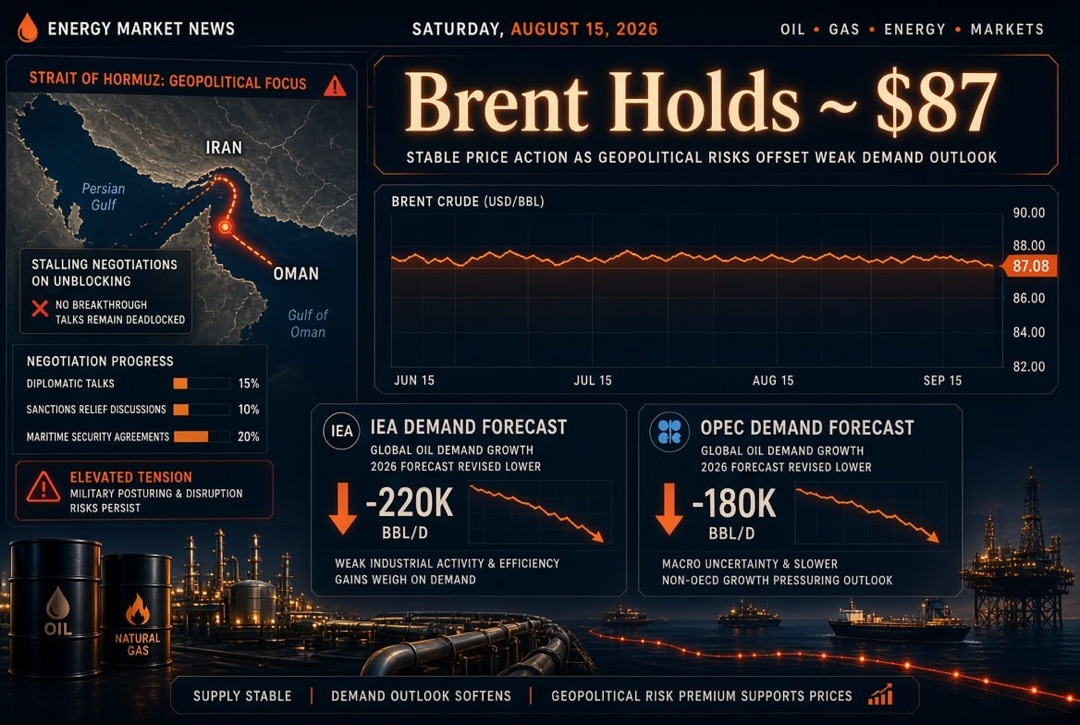
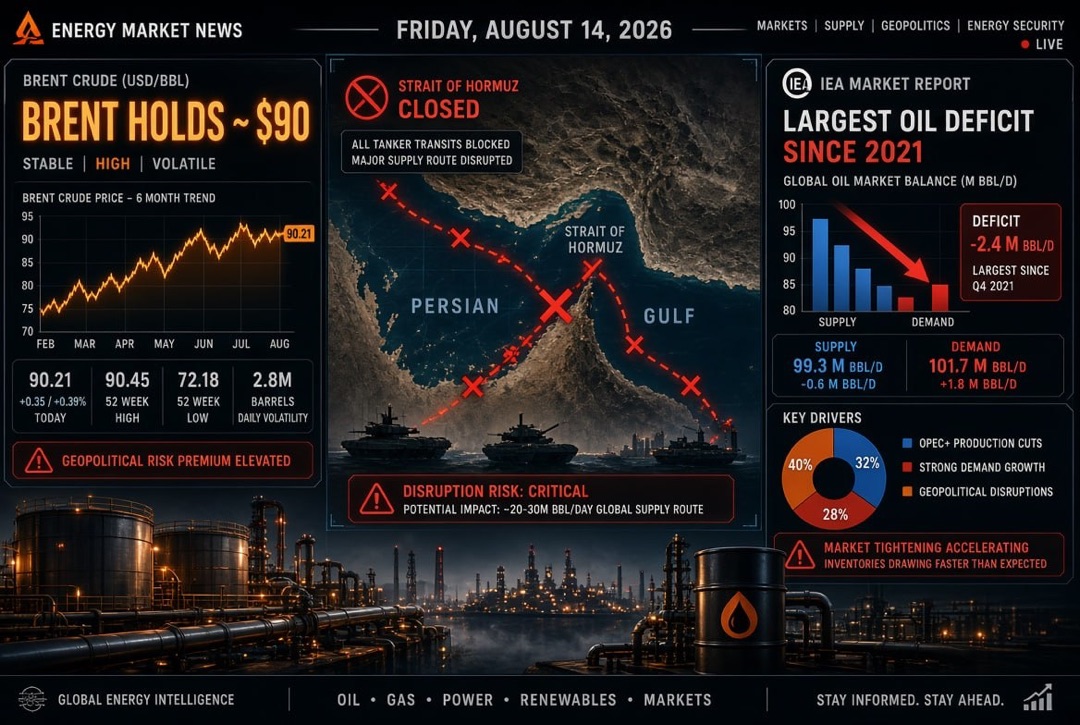
- Price Environment: Experts predict that in 2026, Brent crude will trade within a range of approximately $60–65 per barrel. Aggregate supply is expected to exceed global demand by about 3–4 million barrels per day in the coming months, leading to an increase in commercial oil inventories.
- OPEC+ Policy: The OPEC+ alliance is refraining from increasing production and maintaining current production restrictions. The total volume of cuts under the agreement amounts to approximately 3.2 million barrels per day (about 3% of global demand).
- Demand: The global economy is demonstrating steady growth, leading to further increases in world oil consumption by several hundred thousand barrels per day in 2026. Demand is expanding most actively in Asian and Middle Eastern countries, while U.S. shale oil production is beginning to gradually decline.
- Geopolitics: A potential peaceful resolution to the conflict surrounding Ukraine could drastically change the balance in the oil market. Lifting sanctions and returning significant volumes of Russian oil to the global market would increase supply and apply downward pressure on prices, whereas maintaining restrictions would keep prices elevated.
Gas Market: Supply and Demand
- Pipeline Supplies: Exports of Russian natural gas through pipelines to Europe have decreased by more than 40% by the end of 2025 due to the cessation of transit through Ukraine. Given that the EU intends to completely eliminate imports of Russian gas by 2028, only a few alternative routes remain for supplies from Russia (mainly through Turkey).
- LNG and Alternatives: European nations are sharply increasing imports of liquefied natural gas (LNG) from the U.S., Qatar, and other countries to compensate for the decline in pipeline supplies. Concurrently, some Asian countries have reduced imports of American LNG due to imposed tariffs; in contrast, demand for liquefied gas in China and India continues to grow, as these economies seek to diversify fuel sources and enhance energy security.
- Regional Trends: Turkey is investing in developing gas infrastructure and expanding storage capacities to enhance its energy security. In China, demand for natural gas is expected to increase through 2035–2040, reaching approximately 620–650 billion cubic meters per year; this is driving further expansion of national gas networks.
Renewable Energy and Electricity
- Electricity Demand: Many countries are experiencing record growth in electricity consumption. In the U.S., annual electricity consumption may exceed 4.2 trillion kWh by 2026 due to the data center boom, the implementation of artificial intelligence, and the active electrification of transport and public utilities.
- Share of Renewables: The contribution of renewable energy sources to global generation is steadily increasing. It is expected that by 2030, the total installed capacity of “green” generation will exceed 4.6 TW (with approximately 80% of this volume coming from solar power plants). In the coming years, rapid growth in generation based on wind and solar energy is anticipated due to government incentives and the decreasing cost of technologies.
- Energy Storage Systems: The implementation of energy storage systems (industrial batteries) is rapidly gaining momentum. Chinese companies currently lead in this sector—exports of lithium-ion batteries for stationary storage from China grew by 75% in 2025. Global investments in storage technologies are also expanding and are expected to exceed $60 billion by the end of this year.
Coal Sector
- Global Demand: According to estimates from the International Energy Agency (IEA), global coal consumption reached a record 8.85 billion tons by the end of 2025 (0.5% higher than the previous year) and is expected to gradually decline by the end of the decade. This will be driven by active growth in renewable, nuclear, and gas energy capacities, which are gradually displacing coal from the energy balance.
- Regional Dynamics: In India, demand for coal has decreased due to unusually heavy rains and record generation from hydroelectric plants, while in the U.S., coal usage has increased against rising natural gas prices. China, the world’s largest consumer of coal (consuming approximately 30% more than all other countries combined), stabilized its consumption in 2025, but it is expected that by the 2030s, the share of coal in China’s energy balance will begin to decline.
- Environmental Factors: Governments continue to seek a balance between climate goals and ensuring energy security. Despite strict regulations focused on decarbonization, the coal industry remains an important part of energy supply in several regions, creating uncertainty for investors and complicating strategic planning in the energy sector.
Refining and Oil Products
- Diesel Shortage: In 2025, the diesel refining margin in Europe increased by approximately 30%, despite a decline in oil prices. This situation is due to attacks on Ukrainian refineries and the EU embargo on petroleum products from Russian crude. Limited availability of diesel fractions is maintaining high price spreads in oil products.
- New Capacities: The launch of large new refineries in developed countries is not expected in the coming years, leading to a structural deficit in the oil products market. Many analysts believe that exceptionally high refining margins will persist until additional refining capacities come online.
- Venezuela: The Venezuelan oil company PDVSA has been forced to accumulate heavy oil residues in storage tanks as U.S. sanctions continue to limit the export of Venezuelan fuel oil and other products. This exacerbates the global shortage of marine (bunker) fuel, which is particularly felt by countries dependent on supplies from Venezuela.
Corporate Events and Projects
- Contracts and Investments: Major oil and gas companies continue to enter into large agreements for project development. For instance, the Italian company Saipem secured a $425 million contract for the development of the Sakarya gas field in Turkey. The British independent company Harbour Energy became the operator of the Zama oil field in Mexico (with a resource base of approximately 750 million barrels) while simultaneously signing deals worth $3.2 billion for projects in the Gulf of Mexico, significantly strengthening its position in the region.
- Mergers and Acquisitions: In December 2025, Harbour Energy acquired a 32% stake in the Zama project and gained control over the assets of LLOG in the Gulf of Mexico. These deals allowed Harbour to become the operator of two of the largest independent oil and gas projects in the region.
- Sanctions and Licenses: Regulatory bodies continue to influence the industry. In Serbia, the NIS refinery (controlled by Gazprom Neft) obtained a temporary license from OFAC, enabling it to maintain operational activities until January 23, 2026. This move allowed the facility to resume operations after being forced to halt due to U.S. sanctions; however, the future of the license remains uncertain.
Financial and Market Indicators
- Market Trends: The dynamics of stock indices of companies in the energy sector generally reflect the situation in commodity markets. At the end of 2025, major stock indices in the Middle East dropped in line with falling oil prices (for example, the main index in Saudi Arabia fell by approximately 1%), while shares of the largest global oil and gas corporations exhibited moderate declines.
- Monetary Policy: Central bank decisions directly impact the investment climate. For example, in Egypt, a reduction in the base interest rate by 100 basis points at the end of the year triggered a rise in the national stock index of approximately 0.9%, stimulating domestic demand. Similar measures to ease monetary policy are being discussed in other emerging economies, which could create more favorable conditions for companies in the fuel and energy sector in the future.