Energy and Oil & Gas News for Saturday, March 28, 2026: Oil Maintains Geopolitical Premium, Russia Faces Export Risks, Asia Changes Benchmark
The global oil, gas, and electricity market enters Saturday, March 28, 2026, with heightened nervousness. For investors, oil companies, fuel traders, refineries, gas operators, and energy sector participants, the main signal of the week is abundantly clear: energy is once again traded not solely based on supply and demand but also on geopolitics, logistics, sanctions, insurance, and fleet availability.
Oil Market Remains Under Geopolitical Premium
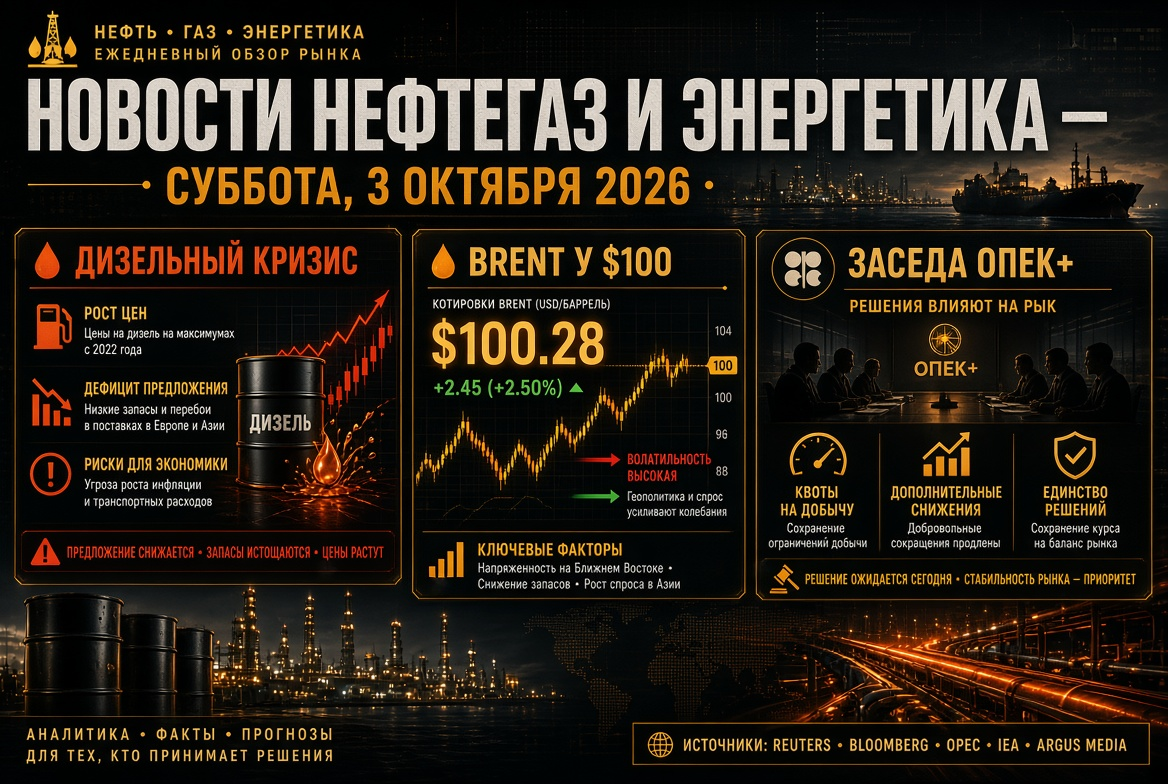
By the end of the week, oil prices have remained at elevated levels following a sharp rise amid escalating tensions in the Middle East. For the market, this signifies that short-term volatility remains high, and the risk premium for Brent and WTI continues to be driven primarily by supply threats through key maritime routes rather than by the classic demand-supply deficit model.
For oil companies, this represents a crucial shift: margins are supported not only by physical demand but also by expectations of further disruptions in logistics, insurance, and trading. For refineries and traders, this translates into a wider range of prices for raw materials and increased hedging costs.
Market Implications
- Higher hedging costs for crude oil and petroleum products;
- Increased importance of Middle Eastern and alternative supplies;
- Heightened sensitivity to any news regarding spills, tankers, and military escalation.
Russian Oil Exports Remain Under Pressure
For the energy sector, one of the most significant topics of the week has been disruptions in Russian export infrastructure. Attacks on Baltic ports and the resulting shipping interruptions heighten the risk of force majeure, thereby creating additional tension in the physical oil market, particularly in the maritime export segment.
This is not purely a Russian issue. Any drop in export flows from a major supplier affects crude oil prices, differentials among grades, and the cost of petroleum products in Europe and Asia. For market participants, this signals that balance sheet stability remains fragile.
Trader Watch List
- Rate of recovery in shipments from Baltic ports;
- Resilience of pipeline and port infrastructure;
- Buyer reactions to risks of delays and contract revisions.
Asia Shifts from Dubai to Brent: Changing Market Pricing Architecture
One of the key structural developments for the oil and gas market is the gradual shift of Asian refineries and traders from pegging their prices to Dubai to a global benchmark in Brent. This is not just a technical change of benchmark; it is an indication that the previous pricing model in the region has become too volatile and no longer accurately reflects the true state of supply.
For Asian processors, the transition to Brent signifies a more familiar and liquid hedging system. Conversely, for Middle Eastern suppliers, this poses the risk of diminishing the role of Dubai as a regional indicator. For investors in oil infrastructure, this is an important signal: the crude oil market is becoming globalized again, not just in physical terms but also financially.
Practical Takeaway
If this trend solidifies, trading strategies for Asian crude and petroleum products will increasingly depend on the global dynamics of Brent rather than narrowly regional logic based on Dubai.
European Gas Market Remains Vulnerable
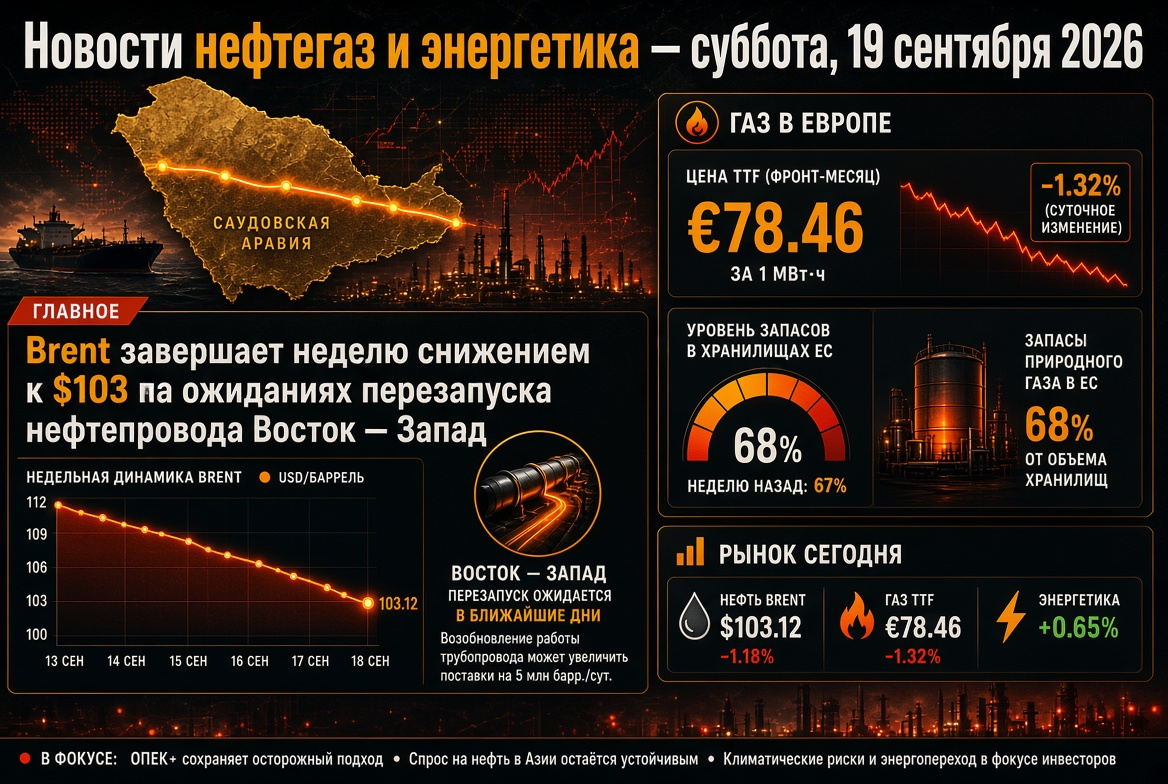
The gas market in Europe remains under pressure due to high dependence on imports and ongoing geopolitical turbulence. Rising gas prices intensify the discussion around how long European economies can balance energy security, industrial competitiveness, and climate goals without noticeable compromise.
For LNG suppliers, European utilities, and power generation companies, this signifies that price support in natural gas may last longer than the market anticipated at the beginning of the year. Therefore, electricity, heating, and industrial consumption in Europe remain sensitive to any disruption in maritime supply.
Gas and Electricity Market Insights
- Natural gas still dictates electricity pricing in several European zones;
- Rising costs support investments in gas generation and infrastructure;
- Energy companies reassess their balance between renewables, LNG imports, and flexible generation.
Russia is Limited in Redirecting LNG to Asia
On the liquefied gas market, a significant topic is the limited ability of Russia to swiftly redirect LNG from Europe to Asia. The contractual framework, ice-class fleet, shipping costs, and seasonality of Arctic routes create rigid parameters that cannot be bypassed by political statements.
For investors, this implies that even with attempts to shift logistics, the physical LNG market does not reorganize instantaneously. Vessels, financing, long-term contracts, and suitable navigation are required. Without these, exports remain constrained by contractual obligations and geography.
Europe Reassesses Climate Agenda in Favor of Energy Security
European energy policy is increasingly shifting from pure climate rhetoric to a pragmatic approach to supply security. Amid price shocks, interest in gas generation, related infrastructure, and a more cautious approach to subsidizing individual low-carbon technologies is growing.
For the renewables sector, this does not signify a retreat but indicates a more stringent selection of projects based on economics. Conversely, for gas companies and equipment manufacturers, the window of opportunity is widening. In the coming months, investors will monitor not only decarbonization efforts but also how willing Europe is to pay for the stability of its energy systems.
Key Considerations in Europe
- Will certain climate incentives be reduced;
- How quickly will new gas generation capacity grow;
- Will support for networks, storage, and flexible power remain intact.
Coal and Electricity in India Back in the Spotlight
The Indian electricity market highlights the complexities faced by a large economy in simultaneously increasing renewables while preventing system overload. The postponement of plans for greater flexibility in coal-fired plants underscores the notion that coal remains a fundamental safety mechanism for an energy system where solar generation can already create network and balancing constraints.
For electricity producers and coal companies, this is a positive signal regarding asset utilization, while for consumers, it serves as a reminder that transitioning to clean energy does not eliminate the cost of backup capacity. For investors in India's energy sector, this is one of the most pressing questions of the year: how to allocate capital between coal, networks, batteries, and solar capacities.
Petroleum Products, Refineries, and Fleet Staying at the Heart of Market Nervousness
When the oil market is under geopolitical stress, attention shifts from crude oil to petroleum products, freight, insurance, and refinery throughput. This is often where real shortages arise, rather than in the headlines, meaning refining margins and export windows become crucial indicators for the market.
If crude supply is constrained, refiners with access to alternative oils, resilient logistics, and flexibility regarding grades will benefit. If transportation costs rise, the pressure transmits to final prices for fuel, diesel, and aviation kerosene.
Investment Focus Summary
- Oil: maintaining risk premium;
- Gas: price support due to LNG risks;
- Refineries: benefiting those who can quickly switch feedstocks;
- Coal: retaining systemic reserve role;
- Renewables: growth continues, but capital decisions become more discerning.
Conclusion: What to Expect from the Energy Sector in the Coming Days
The main takeaway for Saturday, March 28, 2026, is straightforward: the global oil and energy market is in a phase where any maritime incident, any port disruption, or any comment regarding sanctions or spills can instantaneously alter quotes. For investors, this is a market where fundamental factors and geopolitics operate concurrently.
In the coming days, market participants will closely monitor the resilience of oil supplies, developments surrounding Russian exports, rhetoric concerning LNG, gas price dynamics in Europe, and how swiftly Asia and Europe adapt their pricing benchmarks, investment plans, and generation structures. These themes are currently setting the tone for the entire energy sector—from oil and gas to electricity, renewables, coal, and petroleum products.