Current News in the Oil, Gas, and Energy Sector as of December 28, 2025: Hopes for Peaceful Settlement Strengthen, Oil and Gas Prices Rise, India Increases Imports, China Boosts Production, and Russia Introduces Measures to Stabilize Domestic Fuel Market. Comprehensive Overview of the Global Fuel and Energy Complex.
As we close out 2025, global energy markets are sending mixed signals to investors and industry participants. Negotiations for a peaceful resolution to the conflict in Ukraine are inspiring cautious optimism regarding a potential easing of sanctions on the Russian energy sector, yet significant breakthroughs remain elusive—uncertainty lingers. At the same time, the sanctions regime is still in place: in November, Washington tightened restrictions, extending sanctions to deals with the largest Russian oil companies, forcing the market to adapt to these new conditions.
The global oil market, which experienced a considerable price decline throughout the year due to oversupply and demand slowdowns, is showing signs of stabilization as December draws to a close. After four months of decline, prices have turned upward—Brent crude prices rose from around $60 to $62-63 per barrel, while WTI approached $58-59. The weekly increase was about 3%, although year-end results indicate an approximate 16% decrease in oil prices. Geopolitical factors (a drone attack on an oil terminal in Novorossiysk and military risks in Nigeria) as well as OPEC+'s decision to maintain production limits for the first quarter of 2026, instead of the planned increase in quotas, provided support for prices.
The European gas market commenced the winter season with record levels of reserves in underground storage, which drove exchange prices down to their lowest since last year (around $330 per thousand cubic meters in early December). However, the Christmas cold spurred demand: during the holidays, gas withdrawals from underground storage facilities (USFs) hit record highs, and prices at the TTF hub rebounded to approximately $345 per thousand m3 (around €28/MWh). Despite a robust supply situation, the European market remains sensitive to weather risks. EU countries have largely turned away from Russian pipeline gas (Russia's share fell to about 13% of imports) and are focusing on LNG, signing new deals with the US and the Middle East, while strengthening infrastructure for receiving gas. Consequently, current gas prices, although significantly lower than the peaks of 2022, could rise again in the face of prolonged cold spells.
Meanwhile, the global transition to clean energy continues to gain momentum. Many countries are setting new records in electricity generation from renewable sources: the combined capacity of solar and wind power plants launched in 2025 exceeded figures from any previous year. According to industry analysts, for the first half of 2025, renewable energy generation surpassed coal generation for the first time in global history. Investments in "green" energy are also historically high (estimated at over $2 trillion in 2025), although they remain concentrated mainly in developed economies and China. To ensure energy system reliability, many countries are reluctant to completely abandon traditional hydrocarbons: coal and gas power plants continue to be critically important for meeting peak demand and balancing the grid, especially during periods when renewables cannot provide sufficient generation.
In Russia, following a sharp rise in gasoline and diesel prices in the fall, authorities implemented a series of operational measures aimed at normalizing the situation in the domestic fuel market. The government temporarily restricted the export of oil products, raised the sale standards for fuel on the exchange, and adjusted the damping subsidy mechanism to direct additional volumes to the domestic market. These steps had a noticeable effect: wholesale prices for automotive fuel began to decline. For instance, the exchange price for AI-95 gasoline fell by almost 10% compared to the peak values in the fall by mid-December. The situation with gas station supplies is stable, and fuel shortages in the regions have been eliminated. Below is a detailed overview of key news and trends in the oil, gas, electricity, coal, and fuel segments as of this date.
Oil Market: Prices Rise Amid Limited Supply
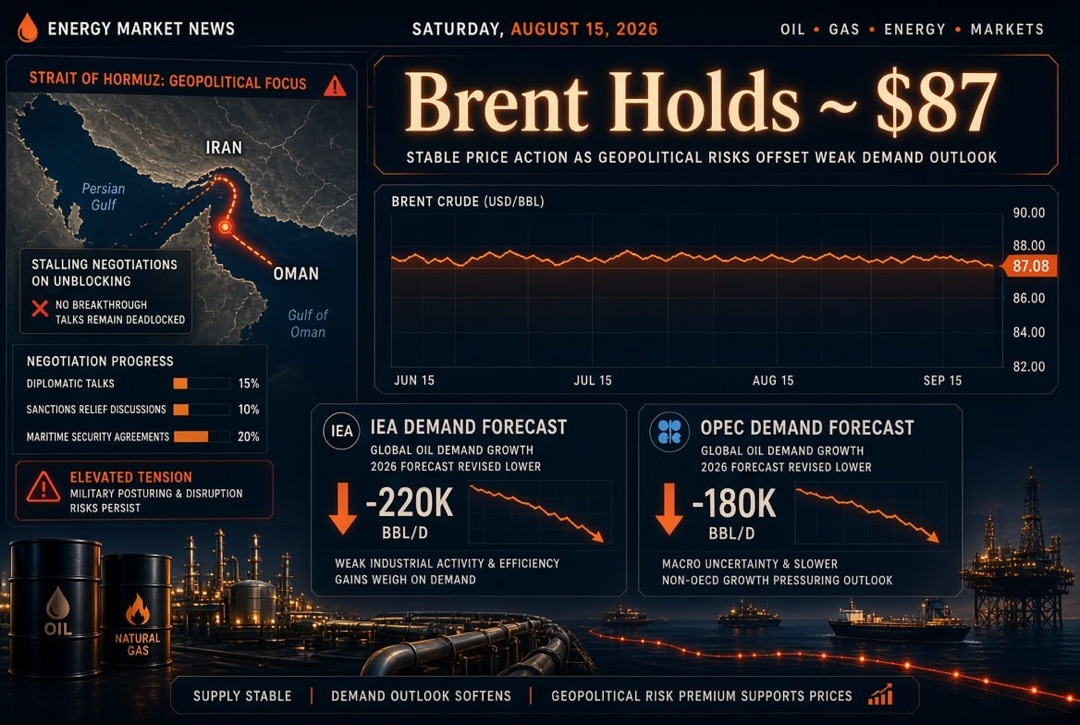
Global oil prices experienced moderate increases last week after a lengthy period of decline, remaining relatively stable overall due to fundamental factors. North Sea Brent is secured in the range of $60-63 per barrel, while American WTI hovers around $57-59. Current levels are still about 15% lower than a year ago, reflecting a gradual market correction following the previously achieved peak prices. The dynamics of the oil market are influenced by multiple factors:
- OPEC+ Production Policy: In response to the oversupply, OPEC+ countries abandoned a previously planned increase in production. Quotas for the first quarter of 2026 have been maintained at the 2025 levels, while several major exporters (including Saudi Arabia) continue to voluntarily restrict output. These actions are intended to prevent overproduction and support prices, but they also lead to a reduced market share for OPEC+.
- Increased Non-OPEC Production: Independent producers are ramping up supplies. In the US, oil production has approached a historic high of around 13 million barrels per day, thanks to a shale boom, while exports of oil products are also rising. Other non-OPEC countries have also taken advantage of high prices from previous years to increase production, intensifying market competition and creating excess oil inventories.
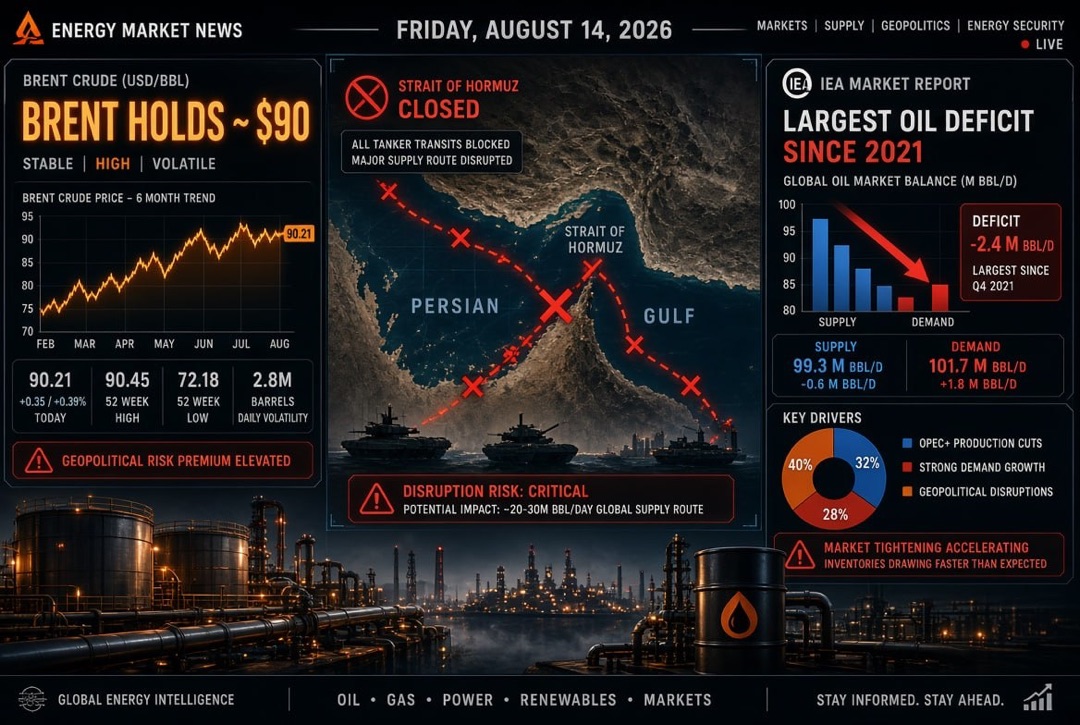
- Slower Demand Growth: Global demand for oil in 2025 grew much more slowly than in the aftermath of the pandemic. According to the IEA, the increase in demand was only about 0.7 million barrels per day (compared to 2.5 million in 2023). Even OPEC's forecasts have been lowered to around 1.3 million barrels per day. Contributing factors include weak economic growth worldwide and the impact of high prices from previous years, which incentivized energy conservation. Another factor is the slowing industrial growth in China, which has restricted the appetite of the world's second-largest oil consumer.
- Geopolitics and Sanctions: The global situation maintains uncertainty. Deterioration in the Middle East and Africa periodically threatens supplies: US strikes against radical groups in oil-producing Nigeria and attacks on tankers carrying Venezuelan oil have heightened fears of disruptions. Conversely, the prospect of a peaceful agreement regarding Ukraine has generated hopes for easing some sanctions against Russia and an increase in its exports. Until this occurs, sanctions continue to exert influence: Russia sells oil at a significant discount (Urals in December averaged around $40/barrel, substantially lower than Brent), employing alternative sales markets and a "shadow fleet" of tankers to circumvent embargo measures.
Gas Market: Winter Demand Pushes Prices Upward
The gas market remains focused on Europe. Entering winter with storage filled to over 90%, the EU achieved a relative pricing reprieve in autumn: in early December, spot gas prices dropped to about $330 per thousand cubic meters—the lowest level since mid-2024. However, the cold snap at the end of the month caused consumption to surge: during the holidays, European USFs lost significant volumes of gas, although the buffer capacity remains high (as of late December, storages are filled to over 75%). Prices reacted with a moderate increase, though they remain significantly lower than crisis peaks from previous winters.
European countries continue to diversify their gas supply sources. The share of Russian gas in EU imports has dropped to a historic low, and even after a potential conclusion to the conflict, Brussels intends to maintain restrictions on supplies from Russia. LNG deliveries to the European market are increasing—major energy companies are signing new contracts for American and Qatari LNG, while several Eastern European countries have started receiving gas from Azerbaijan and North Africa.
At the same time, demand in Asia remains a significant factor. In China, LNG imports increased by nearly 11% in October compared to last year amid an industrial upturn following the lifting of lockdown restrictions, while India, conversely, reduced LNG purchases by 11% (primarily due to high prices and a shift of power plants to coal). Nonetheless, aggregate global gas consumption in 2025 rose—according to Gazprom, by 25 billion cubic meters—thanks to economic recovery and expansion of gasification in developing countries. Having lost significant portions of the European market, Russia has redirected its exports: pipeline deliveries to China via Power of Siberia reached 38.8 billion cubic meters in 2025 (a record volume close to project capacity), while exports of Russian LNG to European countries (such as Belgium) even increased due to the absence of formal bans on liquefied gas.
International Politics: Peace Talks Offer Hope for Easing Sanctions
In the realm of foreign policy, the year's end has been marked by a revival of dialogue among key global players concerning the Ukrainian crisis. In mid-December, Russian President Vladimir Putin revealed some details of negotiations with the US during a meeting with business representatives, expressing readiness for "certain territorial compromises" in exchange for reaffirming control over the entire Donbass. Ukrainian President Volodymyr Zelensky, for his part, stated that "much can be resolved" before the New Year—he conducted a series of consultations with US administration representatives ahead of a potential meeting with President Donald Trump.
These peaceful signals are fueling investors' hopes for a gradual normalization of relations and a potential lifting of some sanctions imposed against Russia. The prospect of signing a peace agreement has already influenced market sentiment: traders are factoring in a possible easing of restrictions on Russian oil and gas exports in the event of a stable ceasefire. However, uncertainty remains high. Until concrete agreements are reached, Western countries continue to pursue a course of sanctions pressure. Washington has previously indicated that it is prepared to expand energy sanctions should Moscow prolong negotiations, while the EU has approved the introduction of a complete embargo on Russian gas immediately following the cessation of hostilities. Thus, further "thawing" of Russian fuel exports largely depends on the outcome of political dialogues in the coming weeks.
Asia: India Increases Imports Despite Pressure, China Sets Production Records
- India: Faced with unprecedented pressure from the West (Washington, for example, raised trade tariffs on Indian goods to 50%), New Delhi is unwilling to give up on profitable imports of Russian raw materials. In December, the volume of oil shipments from Russia to India is estimated at more than 1.2 million barrels per day (down from a record high of 1.77 million barrels per day in November), as Indian refineries hurried to contract raw materials before new US sanctions against Rosneft and Lukoil took effect on November 21. Recent talks between Vladimir Putin and Narendra Modi reaffirmed the intention to maintain energy cooperation between the two countries, despite external pressures.
- China: Beijing is betting on increasing its own energy production and infrastructure. In 2025, oil production in China reached a record ~215 million tons (about 4.3 million barrels per day), while gas production also hit new records. At the same time, China is investing in expanding oil refining and electricity generation: the launch of new fields and generating capacities allows it to partially reduce dependence on imports. Nonetheless, China remains the world's largest importer of energy resources—it continues to purchase significant volumes of oil (including at discounted prices from Russia) and LNG to meet demand. The slowdown in China's economy in 2025 somewhat cooled the growth of domestic energy consumption, but the country remains a key driver of demand in the global market.
Energy Transition: Record Growth of Renewables and Ongoing Role of Traditional Energy
The development of renewable energy sources (RES) in 2025 set new benchmarks. New solar and wind power plants were commissioned worldwide, increasing the share of "green" generation. Over the year, approximately 750 GW of new RES capacity was added globally—more than ever before. Consequently, during certain periods, renewable energy accounted for more than 50% of electricity generation in some countries. At the same time, there is a surge in investments in clean energy: their volume, according to analysts, exceeded $2 trillion for the year.
However, despite the impressive accomplishments, the transition to clean energy faces objective challenges. Demand for electricity continues to rise with economic recovery, and traditional sources—gas, coal, and nuclear energy—remain necessary for stable energy supply. By 2025, the global carbon footprint of energy reached a new maximum, and fossil fuels still account for about 80% of global energy consumption. During peak load periods or adverse weather conditions (when solar and wind resources are not available sufficiently), systems must rely on coal and gas power plants to prevent rolling blackouts. Governments recognize that ensuring energy security and availability is a top priority: for instance, in Europe and the US, subsidy programs for manufacturing key RES equipment have been introduced, while strategic stocks of oil and gas are being maintained in case of crises. Thus, 2025 demonstrated progress in decarbonization but confirmed that traditional energy will continue to play a significant role in the global balance for a considerable time.
Coal: Market Stability Amid High Demand
Despite the accelerated growth of renewable energy, the coal sector maintained robust positions in 2025 due to consistent demand. According to the IEA, global coal consumption reached a record 8.8 billion tons annually—up ~0.5% from the previous year. The primary growth came from Asian countries: China and India continue to burn about two-thirds of the world's coal for electricity generation and steel production. In Southeast Asia and Africa, the construction of new coal-fired power plants continues, as coal remains one of the most affordable fuel types.
Coal prices stabilized in 2025 after a period of sharp fluctuations in 2022-2023. In key Asian markets (such as Australia and Indonesia), the price of thermal coal hovers around $140-150 per ton, which is below the peak values of the crisis in 2022 but comfortable for producers. Major exporters—Indonesia, Australia, Russia, and South Africa—maintain high production levels to meet the demands of importers. At the same time, developed countries in the West continue to reduce their use of coal: in Europe, coal generation in 2025 declined at double-digit rates due to increased RES usage and environmental regulations. However, the global decline in Europe is offset by increases in other parts of the world. Therefore, the coal market maintains equilibrium: supply is sufficient to meet the high demand, and although the long-term trend gradually shifts towards cleaner energy sources, coal will remain an important part of the global energy balance in the coming years.
Russian Market for Oil Products: Operational Measures to Stabilize Fuel Prices
In the domestic oil product market, 2025 was marked by unprecedented price fluctuations. In the summer and fall, the rapid rise in gasoline and diesel prices posed a threat to the transport sector and fueled inflation. In response, the Russian government took stringent measures to protect the market: bans and quotas on the export of automotive fuel were imposed, the normative sales of oil products at the St. Petersburg exchange were increased, and budgetary subsidies (damping) were adjusted to provide additional support to oil refiners supplying products to the domestic market. These measures, along with the completion of planned repairs at refineries, allowed for an increase in fuel supply within the country.
By the onset of winter, the situation stabilized. Wholesale prices on the exchange began to decline, which soon reflected in retail prices. According to the St. Petersburg International Commodity and Raw Materials Exchange, by mid-December, the price for "Premium-95" gasoline had decreased by approximately 10% from the September peak. Diesel prices also retreated to levels seen at the beginning of the year. Network gas stations across the country report improved resource supply, and fuel shortages have been eliminated even in remote regions. Authorities have expressed readiness to extend export restrictions if needed to curb prices within the country, and they are also considering implementing a permanent regulation mechanism—such as linking fuel prices to the export alternative with compensation for refiners. As a result of these measures, the fuel crisis has been quelled, and the Russian market for oil products enters 2026 in relatively balanced condition.