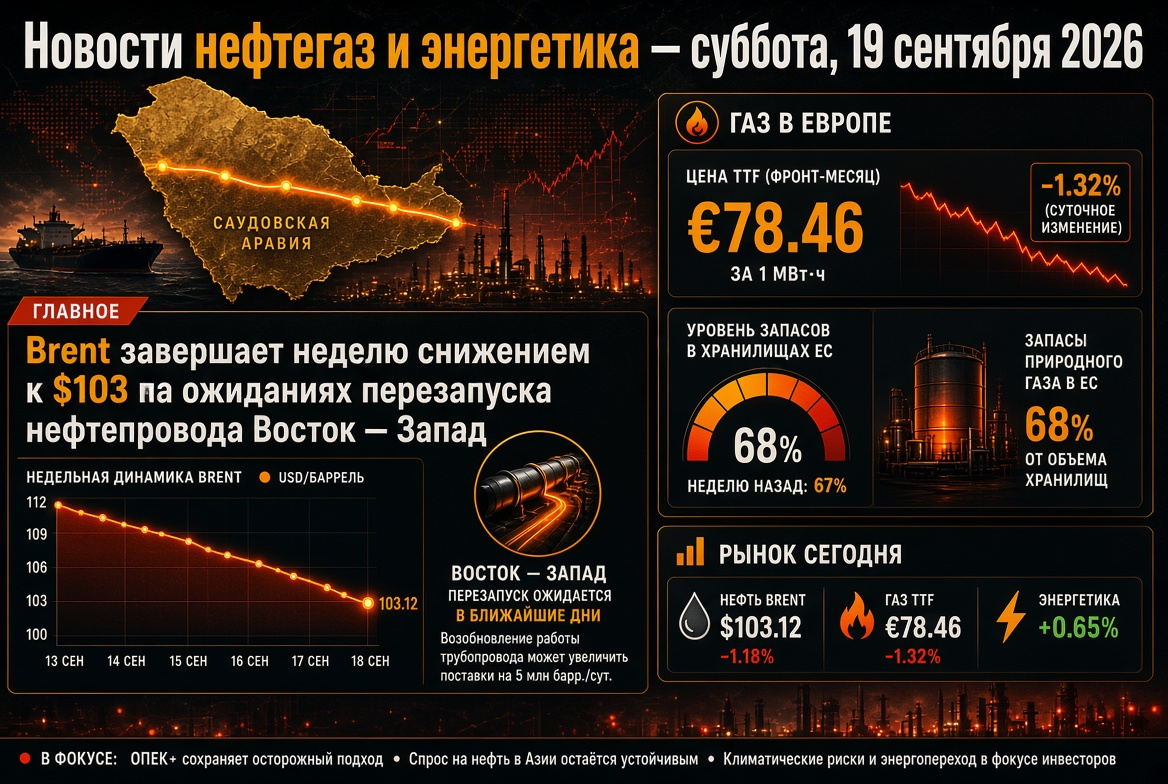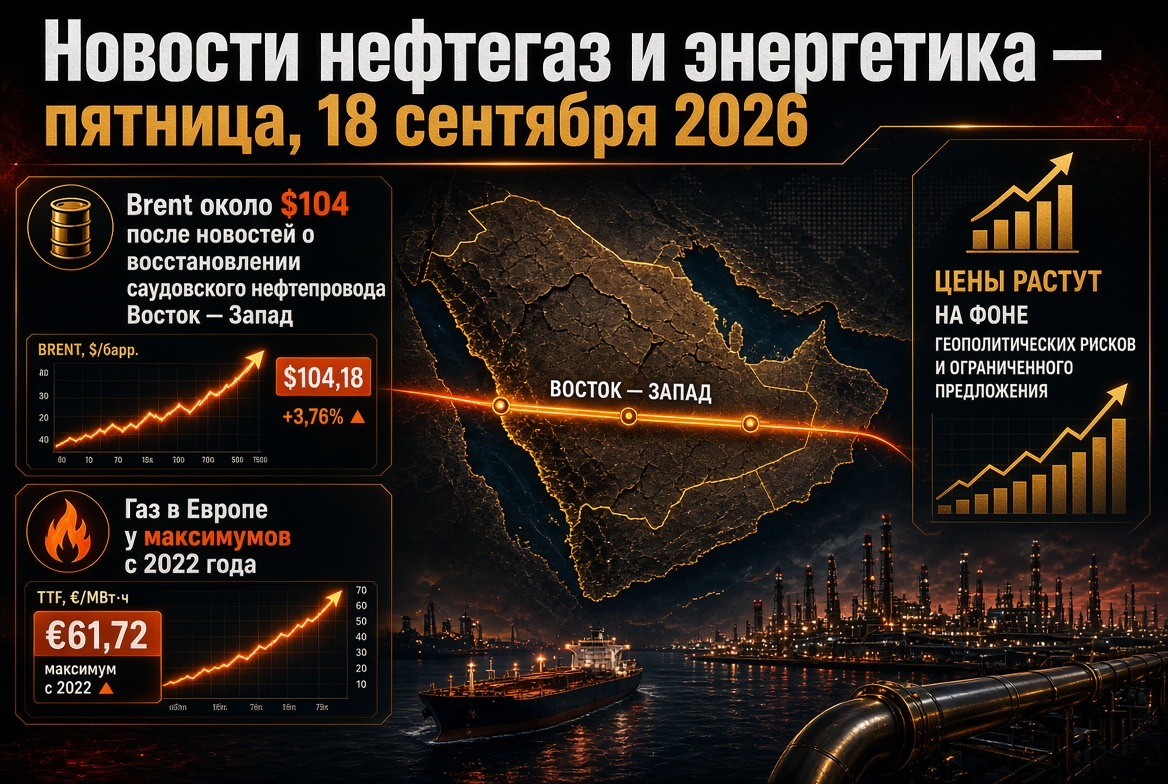
Current News in Oil, Gas, and Energy as of February 21, 2026: Brent and WTI Oil Prices, Gas and LNG Markets, Refinery Margins, Diesel and Gasoline, Electricity and Renewables, Coal and Global Risks for Energy Sector Investors
The global energy market concludes the week with heightened sensitivity to supply risks. Oil prices remain near multi-month highs due to geopolitical premiums and expectations regarding production decisions from key suppliers. In the gas and LNG sectors, the critical issue is the delicate balance between weather conditions, inventories, and logistics, while in the petroleum products segment, the focus shifts to refining margins, refinery maintenance schedules, and diesel availability. For investors and market participants in the energy sector, this combination of factors signifies increased volatility and the heightened importance of risk management discipline.
Oil: Geopolitical Premiums and OPEC+ Expectations
Oil (Brent/WTI) enters the weekend with a notable risk premium. The market is factoring in the probability of disruptions in supply chains across key maritime routes while also assessing the prospect of a gradual increase in production from OPEC+. In the short term, oil prices are supported by:
- geopolitical factors and increased uncertainty regarding transportation security;
- demand structure in the physical market and inventory responses in major economies;
- positioning of futures market participants, which amplifies price movements.
The risk for bulls is the re-emergence of concerns over supply surpluses following softer rhetoric from producers and a de-escalation of geopolitical tensions. Meanwhile, the risk for bears involves any expansion of the risk premium stemming from news related to production and transit regions.
Physical Market and Logistics: Key Supply Considerations
The focus is on the resilience of exports from specific regions, as well as logistical capacity. Participants in the physical oil market are monitoring differentials between crude grades, tanker availability, and freight costs. Three practical indicators that the market tracks daily are:
- differentials between nearby and distant futures (indicating supply shortages/surpluses);
- transportation costs and fleet availability in the Atlantic and Pacific;
- crude quality and refining demand for light/heavy grades.
For companies in the upstream segment, a key question is not only the level of oil prices but also the stability of premiums for specific grades, as well as the availability of services and insurance for transportation in "challenging" directions.
Petroleum Products and Refineries: Maintenance Season, Diesel, and Gasoline
Petroleum products (gasoline, diesel, jet fuel, fuel oil) are entering a phase where refining becomes crucial. On one hand, seasonal refinery maintenance and capacity constraints come into play, while on the other hand, demand normalizes following winter peaks. Currently, critical factors for the petroleum products market include:
- refining margins (crack spreads) and their resilience amid changing demand;
- diesel availability in regions with logistical bottlenecks;
- inventory imbalances in select hubs and their influence on regional premiums.
The "tight diesel" scenario heightens sensitivity to any unexpected refinery downtimes, especially during a period when some capacities are undergoing maintenance. For traders and fuel companies, the key skill of the week is flexible product basket optimization and hedging refinery margins.
Gas and LNG: Delicate Balance Between Weather, Asia, and Europe
The gas and LNG market remains "finely balanced": moderate weather changes can rapidly shift prices, while logistics and delivery schedules add inertia. In Europe, there is attention on stock levels and the speed of recovery in preparation for the next season. In Asia, the focus is on price sensitivity of demand and competition for spot cargoes.
For LNG, two layers of factors are important:
- fundamental: consumption levels, inventories, generation flexibility, and industrial demand;
- logistical: freights of LNG tankers, port bottlenecks, and route risks.
If spot LNG prices decline, some "elastic" demand in Asia may return, but this simultaneously reduces incentives for fuel switching in Europe. The outcome is potential sharp reversals based on weather news or supply disruptions.
Electricity: Low Prices, Supply Surplus, and the Role of Renewables
In several regions, the electricity market is experiencing downward pressure on prices due to a combination of rising renewable energy generation, limited grid capacity, and weak industrial demand dynamics. For energy companies, this implies tightened profits amidst high capital needs (grid upgrades, new capacities, energy storage).
The key intrigue for investors in the electricity and renewables sectors is how quickly demand will grow from new energy-intensive segments:
- data centers and artificial intelligence infrastructure;
- electrification of industry and heating;
- development of batteries and demand flexibility.
For grid operators, the priority is the speed of eliminating network constraints; otherwise, renewable generation surpluses will be "capped" by the inability to deliver electricity to consumers.
Coal: Local Shortages Versus Energy Transition
Coal remains an important part of the energy balance in various countries, particularly as backup generation during periods of unstable renewable energy output. The coal market is sensitive to logistics (port infrastructure, railway connections), weather, and regulatory developments. In the short term, demand is often driven not by "transition strategy" but by gas prices, electricity availability, and energy system needs.
For market participants, a key risk is the potential for abrupt shifts in balance due to weather anomalies or transport restrictions, which can quickly elevate spot premiums even amid a long-term decarbonization trend.
Oil and Gas Companies and Services: Where to Seek Stability
For oil and gas companies, the central question is cash flow quality amid volatile oil and gas prices. Investors are focused on three resilience parameters:
- production costs and their sensitivity to price scenarios (Brent/WTI);
- sales structure (share of long-term contracts, grade premiums, access to markets);
- capital discipline and dividend/share buyback policies.
In the services segment, the focus is on rig fleet utilization and order stability in low political risk regions. In midstream and logistics, the emphasis shifts to tariff structures, insurance, and the ability to operate amid increased compliance requirements.
Sanctions and Compliance: Impact on Oil, Gas, and Petroleum Product Supply Chains
Sanction regimes and compliance mandates continue to reshape trading routes for oil, petroleum products, and equipment. For the market, this means:
- increased transaction costs (insurance, freight, documentary checks);
- changes in price differentials between regions;
- redirected flows and an increased role for intermediary logistics.
For fuel and raw material buyers, the practical takeaway is the necessity to diversify sources, maintain alternative logistics plans, and preemptively hedge supply risks.
What This Means for Investors: A Short Checklist for the Coming Week
Over the upcoming sessions, the primary driver will be the interplay of news flow and physical market dynamics. To manage risk in the energy sector, it is beneficial for investors and traders to keep focused on:
- oil: risk premium dynamics and signals from producers regarding production volumes (OPEC+);
- petroleum products: refinery margins, maintenance activities, and regional availability of diesel/gasoline;
- gas and LNG: weather, inventories, and logistics (freight rates, availability of cargoes);
- electricity and renewables: network constraints, demand from data centers, and the effect of low prices;
- coal: local bottlenecks and sensitivity to fuel switching.
The baseline scenario for the near term is heightened volatility alongside relatively stable demand, where any "supply shock" is likely to have a swift impact on prices. In such an environment, companies with low production costs, strong balance sheets, diversified sales markets, and transparent capital policies are set to prevail.