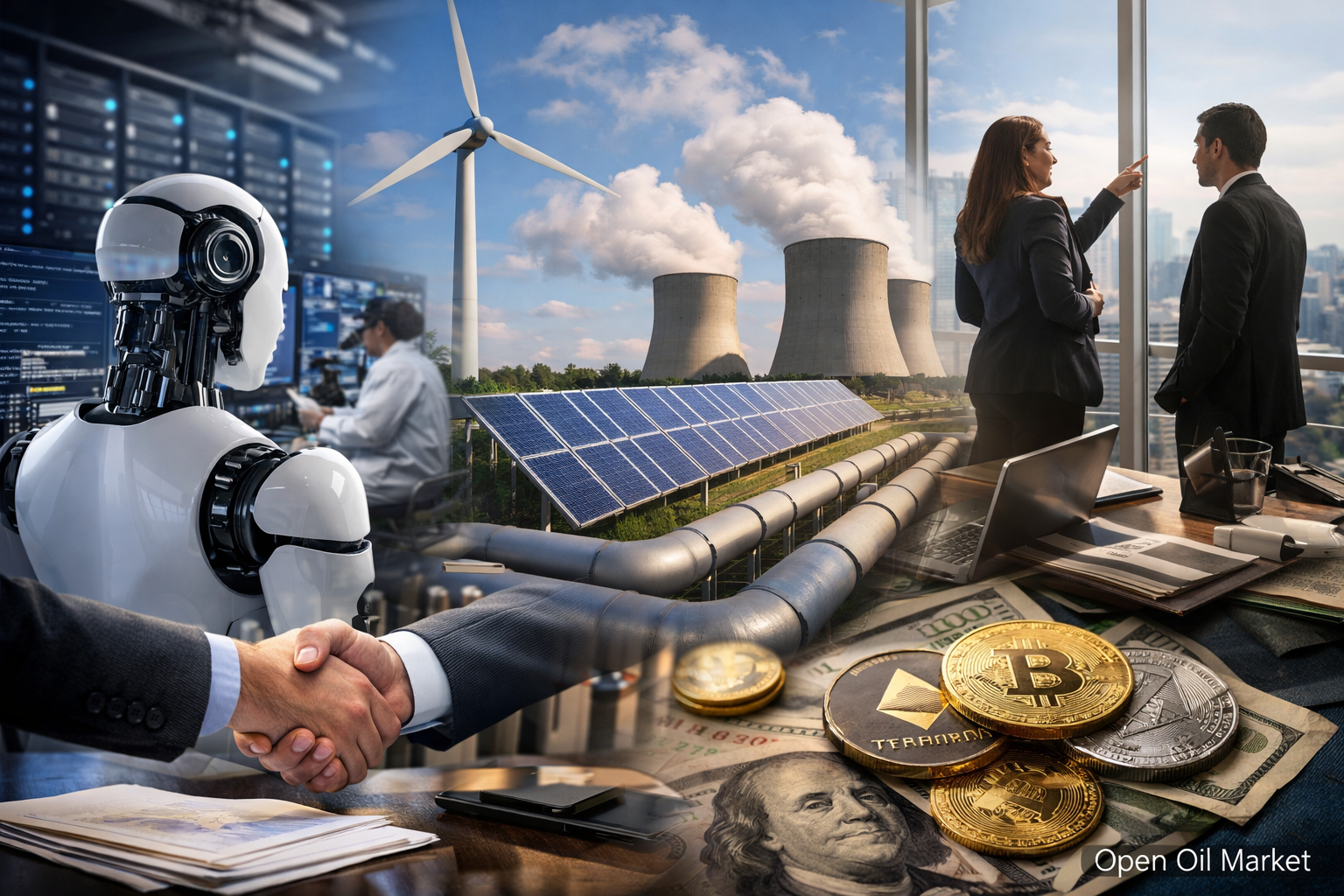
Global Startup and Venture Investment News for January 16, 2026: Record Rounds in Artificial Intelligence, Energy Technologies, and Biotech, Activity of Leading Venture Funds, and Key Investment Trends for Investors.
On a global scale, the startup and venture capital market is kicking off the year with major news. The spotlight is on massive investments in artificial intelligence, clean energy, and innovative infrastructure technologies. Major funds are announcing gigantic capital injections, while government programs in Europe and the U.S. are bolstering support for tech companies. Among the key events of the day are record funding rounds for AI startups and the launch of new strategic funds.
Key Trends
Market trends underscore sustained investor interest in high-tech sectors. On Friday, January 16, the world of startups was marked by the following key developments:
- AI startups continue to attract record investments. Several promising companies in the field of artificial intelligence announced significant funding rounds at high valuations.
- Venture funds announce mega capital raises. Leading VC firms and specialized funds report raising billions of dollars for new investment strategies.
- Climate and energy technologies are on the rise. Investors are actively funding clean energy and climate startups, from hydrogen solutions to next-generation reactors.
- The crypto and Web3 sector emerges from lethargy. Market consolidation and preparations for new regulatory standards are stimulating investors to engage in large deals.
- Government support remains a significant factor. Governments in Europe and the U.S. are expanding funding programs and subsidies for technology startups.
Major Investments in AI Startups
The artificial intelligence sector is demonstrating unprecedented levels of attracted funds. Investors are focusing on companies offering applied solutions based on large models. Among the most notable deals are:
- Higgsfield (USA, AI video): The startup announced a Series A extension round of $80 million. Following this round, the company is valued at over $1.3 billion. Investors include Accel, GFT Ventures, Menlo Ventures, and others. Higgsfield specializes in video generation using AI, simplifying the content creation process for marketing and entertainment.
- Deepgram (USA, AI voice): The developer of voice AI agents for businesses raised $130 million at a valuation of $1.3 billion (Series C). The round was led by venture fund AVP, with participation from Tiger Global, Madrona, and the CIA's venture capital arm (In-Q-Tel). Deepgram plans to use the new funds for international expansion, increasing language support, and acquisitions (notably, the acquisition of OfOne for restaurant technology).
- Proxima (USA, biotech/AI): During its seed round, the company raised $80 million led by the DCVC fund. Proxima is developing an AI platform for drug discovery, focusing on proximity-based therapies. The firm had previously been identified as a high-potential startup.
These and other deals attest to the growing interest from investors in AI solutions in applied fields—ranging from biotechnology to media and customer service. The AI theme remains at the forefront of capital distribution across industries.
Leading Funds: New Large Capital Raises
Despite fluctuations in the venture capital market, the largest investment firms exhibit optimism and are raising record amounts. The focus is on "super fund" practices and thematic directions:
- Andreessen Horowitz (a16z) announced the raising of over $15 billion for new funds. This includes $6.75 billion for a growth fund, $1.7 billion for AI infrastructure, $1.12 billion for a national interests fund (including national security, residential technologies, etc.), as well as resources for Bio & Health and other strategies. Thus, a16z plans to actively support startups in AI, cryptocurrencies, and areas critical for the technological leadership of the U.S.
- Superorganism (USA)—a venture fund focused on biodiversity preservation technologies—raised $25.9 million for its debut fund. The investment goal is to finance startups developing technological solutions for environmental protection. Investors include the Cisco Foundation, AMB Holdings, and a partner from a16z, Jeff Jordan.
- Germany – EIF German Equity: The federal ministry of economics allocates an additional €1.6 billion (approximately $1.7 billion) via the European Investment Fund. These funds will go into venture and growth funds investing in German and European technology companies. A wide range of sectors is supported under this program—from AI and fintech to clean energy and deep tech.
- Denmark – Novo Nordisk fund is allocating up to DKK 5.5 billion (≈€736 million) to develop the BioInnovation Institute. BII plans to increase support for startups from 20 to 40 companies annually, expanding scientific and geographical directions. This is the largest private investment commitment in European startup infrastructure in recent years.
Thus, venture and corporate investors are scaling up their funds, strengthening their presence in key technological niches.
Climate, Energy, and Clean Technologies
Clean energy and climate technologies continue to capture the attention of investors and major corporations. Key news in the sector includes:
- Type One Energy (USA, nuclear energy): The startup received $87 million via a convertible note, bringing its total venture investment to $160 million. Type One plans to raise up to $250 million in Series B at a valuation of around $900 million. The company is developing a patented nuclear reactor (stellarator), collaborating with TVA to build the first power plant with a capacity of 350 MW.
- Hydrogen Solutions: Several companies working on fuel cells and hydrogen raised significant rounds (e.g., H2 firms secured rounds in the tens of millions of dollars). Investors see potential in hydrogen to reduce emissions for industry and transport.
- Nuclear Energy and AI: Major tech companies are strengthening partnerships with nuclear startups. For example, Meta has agreed to invest in companies like Oklo and TerraPower, which are developing small modular reactors (SMRs) and next-generation reactors (Natrium). Through these deals, Meta gains access to future power generation, crucial for its growing data centers and AI projects.
Investments in energy underscore the industry’s transition to cleaner sources. Companies innovating technologies for future energy generation and storage are at the forefront among startups.
Crypto and Digital Assets
The cryptocurrency and blockchain sector is also revitalizing after a period of uncertainty. Investors and corporations are making significant deals:
- Coinme (USA, Bitcoin ATMs): Acquired by Polygon Labs in a deal worth over $250 million (including the acquisition of the Sequence platform). This acquisition provides Polygon access to the regulatory infrastructure and cash-to-crypto exchange network in the U.S. The deal reflects the trend of consolidating crypto payment services within larger blockchain ecosystems.
- Project Eleven (USA, crypto security): Raised $20 million in Series A led by Castle Island Ventures (with participation from Coinbase Ventures, Variant, and others). The company is developing solutions to protect blockchains from quantum computer threats, preparing for its product launch in early 2026. This round is set against the backdrop of growing interest in post-quantum cryptography.
- Rain (USA, blockchain fintech): Secured $250 million in Series C from ICONIQ Capital, Sapphire Ventures, and others. Rain offers corporate cards and Stablecoin tools for Web3 enterprises, facilitating crypto payment management.
These deals signal that after a challenging year for the crypto industry, investors are once again ready to invest in the infrastructure of digital assets and services for the mass market.
Global Markets and Regional Trends
The new decade begins with interesting changes in key regional startup markets:
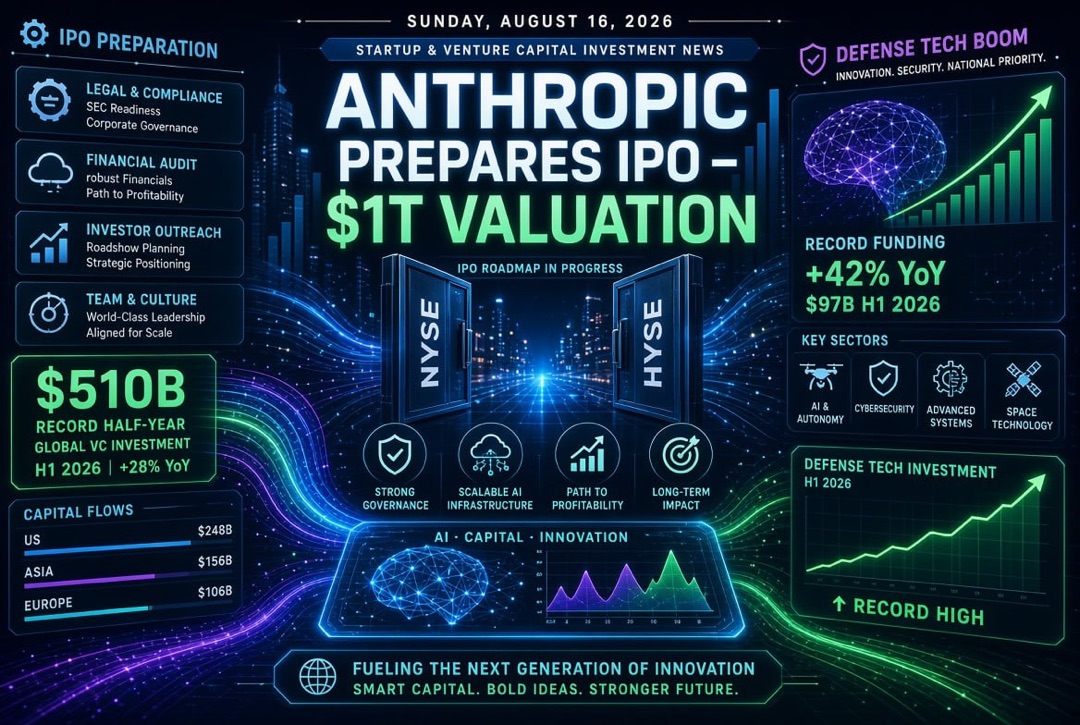
- Asia: According to analysts, startup investment in Asia totaled approximately $67.5 billion in 2025 (a 6% decline from 2024), yet a surge was noted in the fourth quarter due to large deals. For instance, the Chinese EV startup Deepal raised $874 million (Series C), Neolix secured $600 million (Series D), and Moonshot AI garnered $500 million (Series C). These massive rounds significantly boosted quarterly performance.
- DayOne Data Centers (Singapore): Announced that it raised over $2 billion in Series C. The funds will go towards expanding data centers in Europe (Finland) and the Asia-Pacific region (Singapore, Malaysia, Indonesia, Japan, Hong Kong). This round was conducted with a double premium to the previous valuation.
- Europe: Support for the startup ecosystem remains strong. A key example is Germany with its EIF German Equity program. Overall, European investors are concentrating on deep tech and climate tech. New European accelerators and clusters for AI and biotech were announced in early January. For instance, the BioInnovation Institute in Denmark is expanding its portfolio of supported companies with new funding.
Thus, geographically, the market exhibits diverse growth drivers: Asia is dominated by large deals in mobile technologies and AI, while Europe is seeing supportive government initiatives, and in North America, significant private funds and tech giants are leading the way.
Government Support and Infrastructure
Government programs and corporate partnerships with the state continue to shape the startup support landscape:
- U.S.: The federal government is expanding tax credits and grants for R&D, especially in AI and semiconductors (CHIPS Act). Additional investments in quantum technologies and biotechnologies are planned. Major IT companies are entering partnerships with the government to develop data center infrastructure and energy projects.
- Europe: Beyond the mentioned German and Danish programs, the EU is promoting initiatives to support tech champions (European Tech Champions Initiative). EU investment funds and national agencies are providing loans and guarantees for startups in critical sectors (AI, health, climate).
- Asia and other regions: The government’s role varies by country. For example, Singapore and South Korea are actively subsidizing their startup incubators and global expansion of companies. Several BRICS countries are allocating investment programs for tech startups with government backing.
This suite of measures stimulates the growth of new projects and reduces risks for investors. Amid ongoing competition for talent, governments are promoting favorable conditions for entrepreneurs to retain innovation within their countries.
Outlook and Conclusions
In summarizing the week’s events, the following key takeaways can be highlighted:
- Venture capital continues to flow into high-tech areas. Artificial intelligence and energy remain at the forefront of investor interest, as evidenced by significant funding rounds.
- Major funds like a16z and new thematic VC funds are setting benchmarks— the scale of their fundraising reflects LP (limited partners) demand for technological assets.
- The global competition for technological leadership stimulates collaboration between the private and public sectors. Funding programs, tax incentives, and large corporate investment projects are enhancing the startup ecosystem worldwide.
- The market is seeing consolidation in certain segments (crypto, data centers) and diversification of new trends (biodiversity, post-quantum cryptography). This indicates that venture investors are seeking both proven technologies and nascent ideas with immense potential.
Overall, the startup industry demonstrates a vibrant interest from investors in key sectors of the economy of the future. Experts predict that in the face of ongoing macroeconomic challenges, technological innovations will continue to attract the main flow of capital.