Latest Startup and Venture Capital News as of February 22, 2026: Record AI Rounds, AI Infrastructure Deals, the IPO Market, and New Trends in Global Venture Capital.
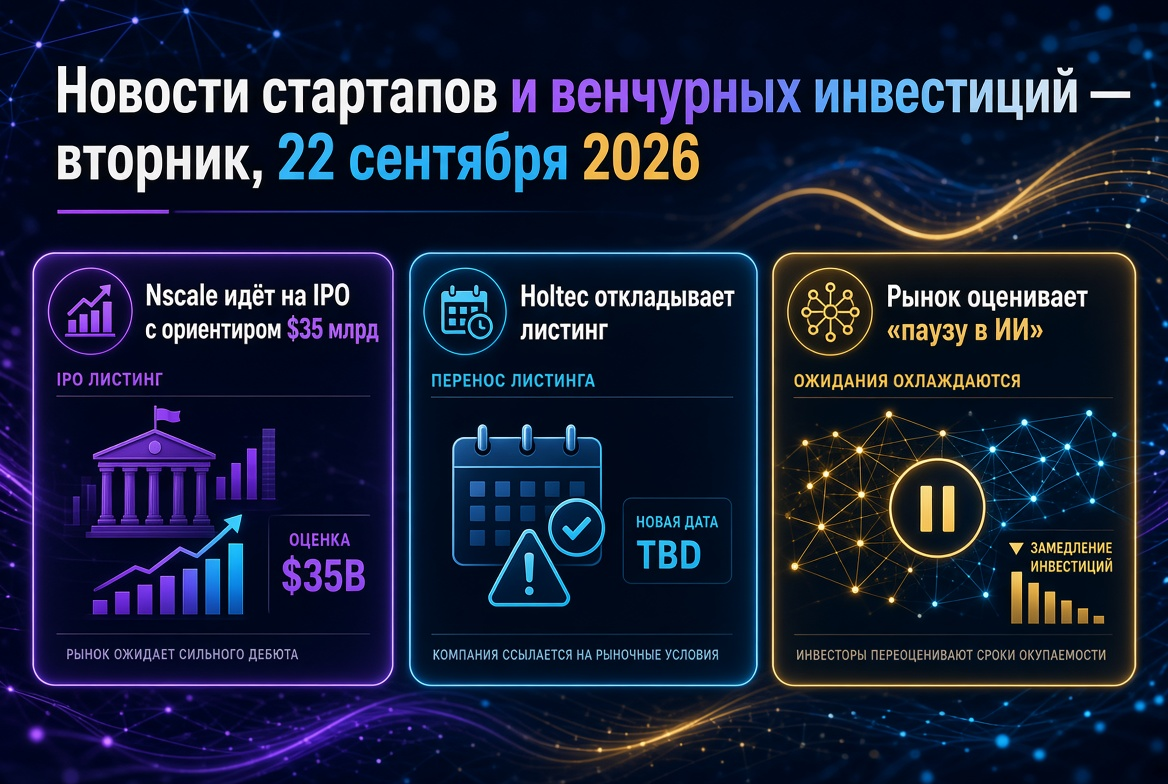
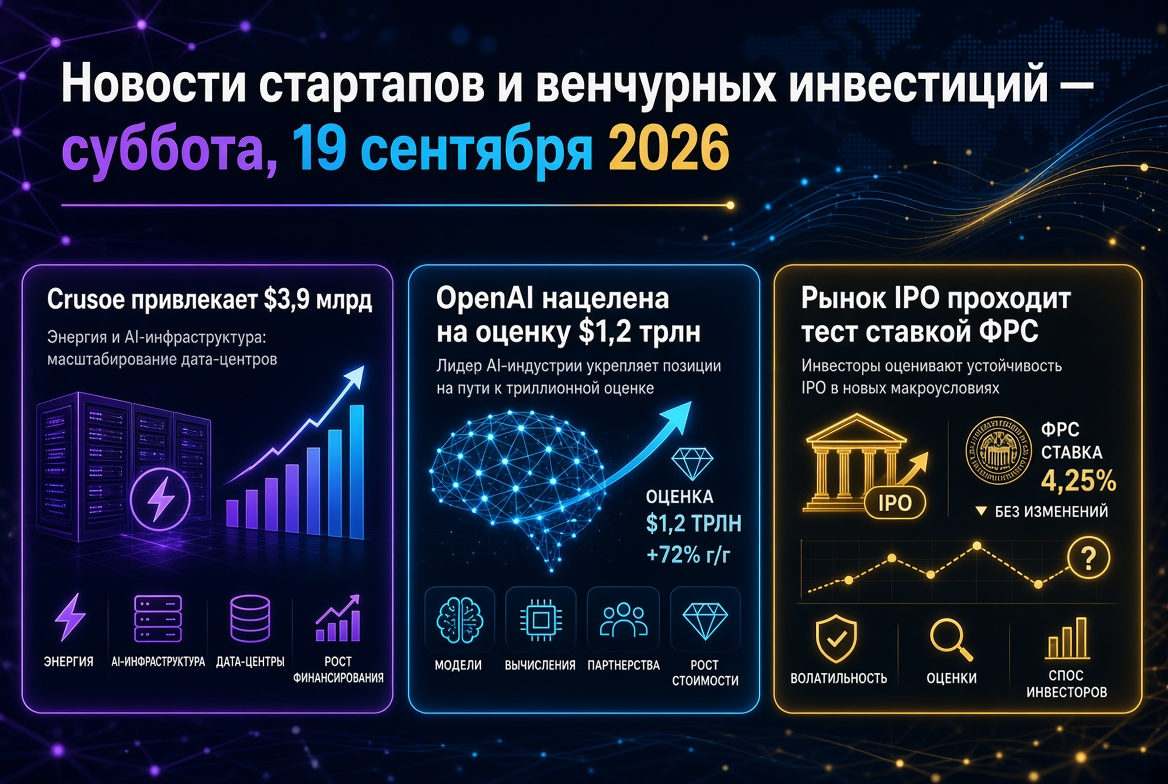
The global venture capital market at the end of February 2026 remains bifurcated. On one hand, artificial intelligence continues to attract the largest funding rounds (including "historic" seed-stage deals), while a new wave of deeptech is forming around the infrastructure for modeling and data centers. On the other hand, the IPO window appears fragile again: public tech investors are reacting to a reevaluation of risks and monetization scenarios, which directly impacts the pace of exits and the markets' willingness to accept new listings.
Key Topic of the Week: Record AI Rounds and the "Talent Premium"
Capital is concentrating where venture funds see the opportunity for platform effects and long-term technological foresight. In AI, this is manifested in two trends: (1) massive funding rounds at very early stages, and (2) a high "premium" for team and research leadership, even with limited revenue on the current horizon.
- Mega seed rounds are becoming the new norm in the upper segment: investors are "buying an option" on creating the next foundational layer of AI (models, agent systems, environment-driven learning, computing).
- Valuations are increasingly being constructed based on a shortage of competencies and access to computing, rather than traditional revenue multiples.
- Syndicates are expanding: in AI, alongside venture funds, strategics (cloud providers, chip makers, platforms) are becoming more noticeable, valuing the ecosystem and control of critical infrastructure.
Major Deals: From the "European Record" to Mega Mergers
Recent deals highlight a new scale of venture capital investment in AI. Early-stage rounds that were previously characteristic of pre-IPO companies are now being discussed, while at the corporate and private giant level, consolidation is intensifying.
- Ineffable Intelligence (London): discussing raising around $1 billion at the seed stage with a valuation target of approximately $4 billion (excluding new funds). This signals to the market that top teams can "sell the future" significantly earlier than a mature product emerges.
- SpaceX and xAI: announced a merger of assets in which AI and space infrastructure are packaged into a single strategy. This serves as an important guide for venture investors: "vertical integration" (data → computing → product → channels) is becoming an even more valuable competitive advantage.
The conclusion for venture funds: in 2026, a new upper layer of "super rounds" is forming, where competition is not only for equity but also for access to computing, strategic partnerships, and talent.
AI Infrastructure and Chips: Money Follows Energy and Efficiency
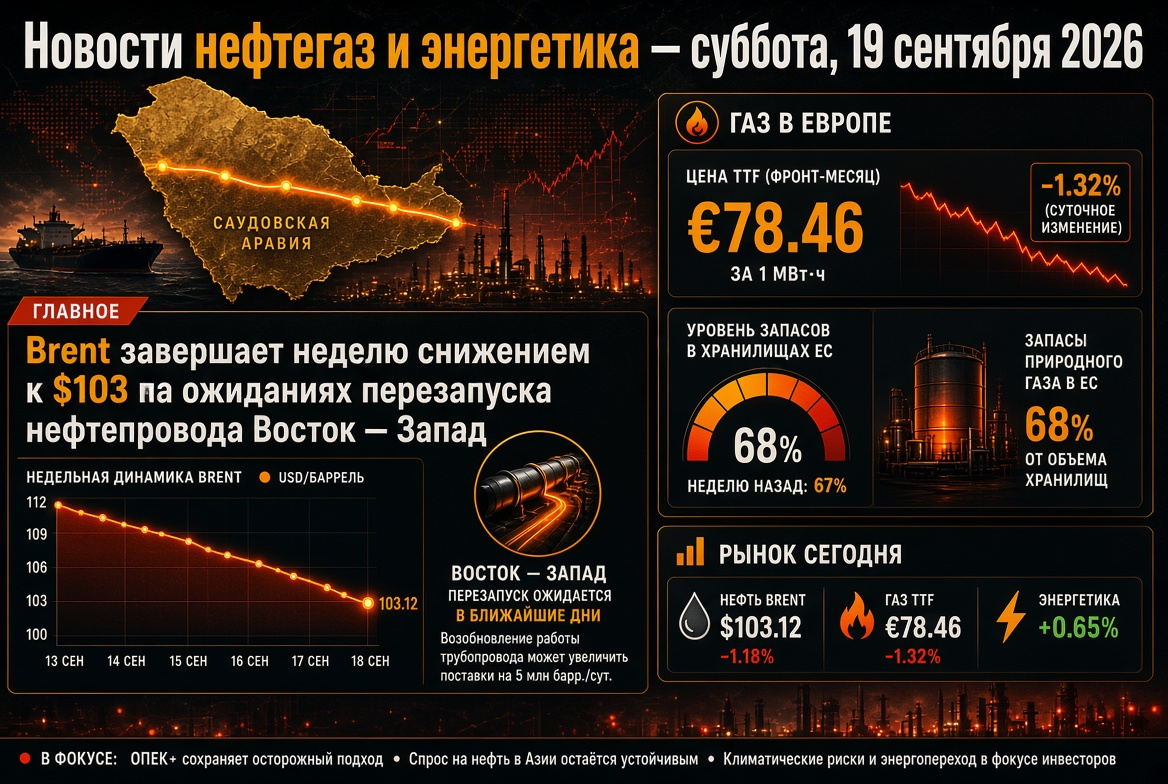
The second line of demand is hardware and infrastructure. The increasing load in data centers is making energy efficiency and power management part of the investment thesis. This is no longer just "hardware"; it's about TCO savings, scaling inference, and accelerating product time-to-market.
- C2i Semiconductors: a round of approximately $15 million for power management solutions for AI/cloud infrastructure.
- An independent "vendor" ecosystem is forming around chip design, power systems, networks, and cooling capable of delivering significant outcomes for venture investors through M&A.
- For late-stage rounds, there is growing demand for companies that can prove their unit economics in implementation (energy savings, productivity growth per watt, reduction in capital expenditures per computation).
LLMOps, Security, and Applied Platforms: The Market Matures
After the "Model Race" phase, capital is increasingly flowing into the operational layer: observability, quality control, security, inference costs, compliance. This area sees venture investments rely more on sales and retention metrics rather than solely on technological narratives.
- Portkey (LLMOps): a round of approximately $15 million for developing a platform for managing and operating LLMs in production.
- In both consumer and enterprise cybersecurity, large late-rounds continue: demand is fueled by growing digital risks and expanding attack surfaces.
- Winners in this segment will consolidate the market through packaging (security + observability + governance), which increases the likelihood of subsequent M&A.
Fintech and IPO: The Window Opens in Jerks, Volatility Punishes Optimists
Fintech remains a leading candidate for revitalizing the IPO market, but the reality of February shows that even companies technically ready for listing must retreat amid deteriorating sentiment. This directly impacts venture exit strategies and the demands for "quality of revenue" (profitability, risk, compliance, stability).
- Clear Street: the company publicly adjusted IPO parameters (lowered fundraising target), subsequently postponed, and later withdrew the registration—an illustration of how quickly the market can "close" amid volatility.
- The thesis for late-stage rounds: investors demand not only growth but also a sustainable economy—positive margins, controlled risks, and a clear path to profitability.
Biotech and Healthcare: M&A Becomes the Working Route to Exit Again
For biotech startups and drug discovery platforms, the IPO window remains selective, while M&A increasingly provides significant exits. Strategics are willing to pay for assets that accelerate pipelines or close technological "gaps."
- Deals in the form of "cash + milestones" are making a comeback: the buyer reduces risk, while the startup gains the opportunity for significant payouts upon achieving clinical or commercial results.
- For venture funds, this means that quality preparation for due diligence (data, patents, regulatory strategy) becomes as valuable an asset as the science itself.
Secondary Market for Shares and Liquidity: Why Secondaries Are the Central Topic of 2026
While exits through IPOs come in waves, the secondary transaction market is becoming the key mechanism for redistributing liquidity. This influences LP behavior, fund strategies, and the negotiating position of founders.
- GP-led secondaries are gaining traction: managers are structuring liquidity around the best assets, extending the holding period of "champions."
- For LPs, this is a tool for portfolio balancing and term management; for startups, it is a way to partially relieve pressure for "any exit."
- In practice, this raises the importance of quality reporting and transparency of KPIs: assets with clear metric dynamics are easier to sell in the secondary market.
What This Means for Venture Investors and Funds: Checklist for the Upcoming Quarter
The situation demands discipline: the market is generous to leaders in AI and infrastructure but strict towards those tapping public markets without protection from volatility. Below are practical guidelines for venture funds, corporate venture divisions, and LPs.
Investment Priorities (Deal Flow)
- AI platforms with differentiation in data/training/computing, not just in interface.
- Infrastructure (chips, power, networks, cooling, orchestration) with a clear economic impact.
- LLMOps and security as a "mandatory layer" for corporate implementation.
Portfolio Company Priorities
- Emphasize focus on cash efficiency: CAC payback, gross margin, control burn multiple.
- Prepare a dual exit track: M&A and secondaries in parallel with IPO readiness.
- Accelerate legal and financial readiness: IP, compliance, data quality—this reduces discounts in negotiations.
February 2026 underscores the primary paradox of the venture market: capital is available, but not to everyone and not everywhere. The race for mega-rounds in AI and infrastructure continues, where the team, computing, and platform matter. Meanwhile, the public market remains jittery, and the IPO window can close suddenly, increasing the value of M&A and secondary deals as liquidity routes. For venture investors, the winning strategy is to combine an aggressive search for technology champions with strict financial discipline in their portfolios.