Startup and Venture Investment News for Friday, June 12, 2026: Physical AI, Mega-Rounds in Robotics, Cybersecurity, Enterprise AI, Biotech, and Defense Tech
The global startup and venture investment market enters mid-June 2026 with a clear capital shift towards artificial intelligence, robotics, cybersecurity, biotechnology, and infrastructure platforms for enterprise AI. For venture investors and funds, the key theme is not merely the growth of valuations but the struggle for control over the next layers of the technology economy: physical AI, data security, industrial automation, AI-native enterprise software, and dual-use technologies.
The main takeaway of the day: the market is once again ready to finance large private companies, but capital is becoming increasingly selective. Investors are betting on startups that are capable of becoming the infrastructure for entire industries, rather than just rapidly growing SaaS companies.
Physical AI Becomes the Centerpiece of the Venture Market
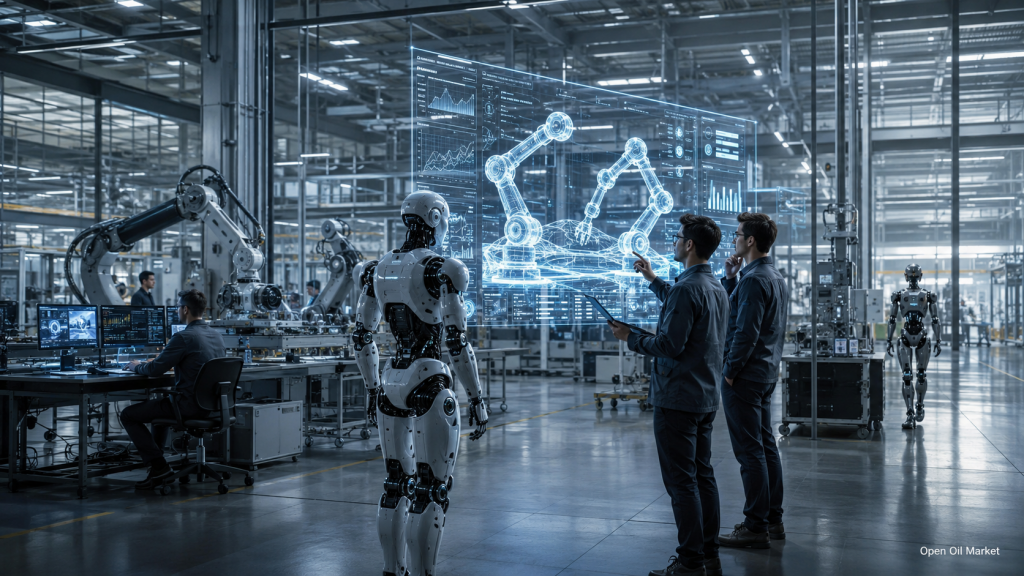
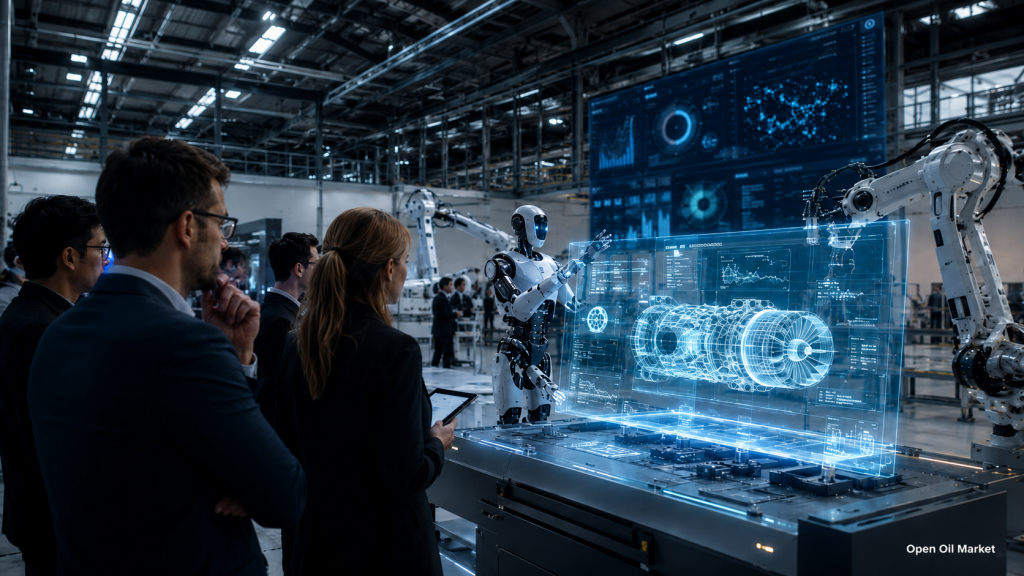
The most notable investment theme of the week is the sharp increase in interest in physical AI, which refers to artificial intelligence that extends beyond software and begins to manage real production, logistics, and engineering processes. For venture funds, this signals the formation of a new category of assets at the intersection of AI, robotics, industrial equipment, sensors, edge computing, and autonomous systems.
Large rounds of financing in robotics indicate that the market is gradually transitioning from the "AI as a service" model to the "AI as an industrial platform" model. This is particularly significant for investors focused on long-term technology cycles. While in 2023-2025 major venture money flowed into generative models, the year 2026 is witnessing a marked increase in demand for companies that can translate AI into physical productivity.
Prometheus: Jeff Bezos’ Bet on the Industrial AI Engineer
The standout deal of the day was the industrial AI startup Prometheus, linked to Jeff Bezos and former Google executive Vik Bajaj. The company raised $12 billion in a Series B round with a valuation of around $41 billion. This is one of the most vivid signals for the venture investment market: investors are willing to pay a premium for teams aiming to transform the engineering cycle in the industry.
Prometheus is not focused on traditional factory automation, but rather on accelerating the design, prototyping, and market launch processes of complex physical products. This includes categories such as aircraft engines, medical devices, consumer electronics, robotics, and industrial equipment.
- The key investment idea is to shorten the cycle of "development - production - scaling."
- The potential market is the global industry, where a single successful product can generate multibillion-dollar revenue.
- The main risk is high capital intensity and currently limited transparency of the technology.
For venture funds, Prometheus serves as an indicator of a new valuation logic: capitalization is formed not only based on current revenue but also based on potential control over the manufacturing infrastructure of the future.
NEURA Robotics: Europe Responds to the US and China Race
German company NEURA Robotics raised up to $1.4 billion in a Series C round to develop their physical AI platform and cognitive robots. Among the investors are major strategic and financial players, including Amazon, NVIDIA, Qualcomm, Bosch, Schaeffler, Tether, and the European Investment Bank.
This deal holds strategic significance for the European venture market. Europe has long lagged behind the US and China in scaling technology companies; however, NEURA showcases that the region can attract capital in deeptech, industrial AI, and robotics. The company plans to develop mass production of cognitive and humanoid robots and infrastructure for training robots in real-world conditions.
Investors should assess not only the size of the round but also the quality of the syndicate. Involvement of industrial partners indicates that robotics is becoming not an experimental category but part of future production chains.
Cyera and Cybersecurity: Data Becomes the Key Asset of the AI Economy
Cybersecurity remains one of the strongest areas of the venture market. Cyera raised $600 million at a valuation of around $12 billion, confirming the high demand for data protection solutions in the era of corporate artificial intelligence.
The logic for investors is straightforward: the faster companies implement AI, the more acute the question becomes regarding which data the model can see, use, and transfer. Startups in the data security, AI governance, identity, DLP, and compliance segments gain structural advantages, as corporate clients cannot scale AI without trust in data security.
For funds, this serves as one of the most understandable investment theses: cybersecurity is not just dependent on the hype surrounding AI but becomes a mandatory expense for large businesses, banks, telecommunications companies, industrial groups, and governmental entities.
Mid-Scale Robotics: THEKER and Industrial Automation
Spanish company THEKER raised €73 million in a Series A round to develop AI robots capable of functioning in industrial environments without extensive reconfiguration. This round demonstrates that investors are willing to finance not only giants in physical AI but also medium-sized companies that solve specific production tasks.
For venture investors, such deals are particularly interesting because they sit between early deeptech risks and late-stage inflated valuations. THEKER operates in a category where demand is formed from production, logistics, retail, and companies facing labor shortages.
- The segment’s advantage is clear savings for clients.
- The risk lies in the complexity of integration into real production processes.
- The potential for scaling through industrial partners and international supply chains.
Enterprise AI: Transition from Pilots to Infrastructure
In the enterprise AI market, there is an increasing demand for infrastructure startups that assist companies in transitioning artificial intelligence from pilot projects to real business processes. Israeli startup Jedify raised $24 million in Series A to develop a contextual layer for enterprise AI. The company’s idea revolves around the fact that agent-based AI systems cannot function effectively without a deep understanding of business context, access rights, internal processes, and fragmented data.
This is an important signal for venture funds: the market is gradually wearying of AI products that showcase beautiful prototypes yet cannot withstand corporate exploitation. The next demand will shift towards infrastructure that makes AI manageable, secure, and economically viable.
Biotechnology and Therapy Production Automation
The biotechnology sector remains a focus for investors. Cellares raised $277 million in Series D to scale up automated production of cell therapy. For the venture market, this exemplifies how AI, robotics, and biomanufacturing converge into a single investment theme.
Cell therapy remains costly and complex to scale; therefore, companies that can automate production, quality control, and logistics of medical products attract interest from both venture and public investors. Unlike many consumer AI services, biotech infrastructure may have a longer payback cycle but also presents more robust barriers to entry.
SpaceTech, Defense Tech, and Technological Sovereignty
Investors continue to bolster positions in space tech and defense tech. Polish firm Sybilla Technologies raised over €8 million for the development of space monitoring systems, tracking objects in orbit, and enhancing satellite infrastructure security. Amid rising geopolitical tensions, such startups are becoming part of a broader theme of technological sovereignty.
Simultaneously, the market is keeping an eye on UK-based Cambridge Aerospace, which is reportedly negotiating a new significant round for developing defense systems against drones and cruise missiles. Even if such deals have yet to close, the very fact of investor interest indicates a reassessment of defense tech as a fully-fledged venture category.
M&A: Corporations Acquire AI Infrastructure to Protect Rights
The deal by Warner Music Group to acquire Sureel AI highlights another vital trend: large corporations are starting to purchase startups that help control the use of intellectual property in AI models. For the music and media industries, this is a matter of monetization, protecting artist rights, tracking generative content, and managing digital identity.
For venture investors, this confirms the presence of M&A exits in niches such as AI attribution, content provenance, copyright tech, and compliance. Such companies may not always build independent public businesses, but they become strategically valuable for corporations that must adapt to generative AI.
What’s Important for Venture Investors and Funds
Startup and venture investment news for June 12, 2026, indicates that the market remains active but is becoming more mature and demanding. Capital continues to be available, but it concentrates around companies that possess infrastructure significance, strong technological protection, and a clear role in the new AI economy.
Key areas for investors to monitor include:
- Physical AI and Robotics - potentially a new mega-market following generative AI.
- Cybersecurity and AI Governance - essential infrastructure for corporate AI implementation.
- Enterprise AI - transition from demonstrations to actual automation of business processes.
- Biotech Automation - extended cycle, but high barriers to entry and strategic value.
- Defense Tech and Space Tech - growing interest in the context of geopolitics and technological sovereignty.
- M&A in AI Infrastructure - corporations are increasingly acquiring technologies for control, attribution, and data protection.
For venture funds, the primary question for the second half of 2026 is not whether the AI boom will continue, but which companies can transform technological advantage into sustainable revenue, industrial implementation, and market power. The startup market is no longer financing only promises of growth; it increasingly finances control over the critical infrastructure of the future economy.