Detailed Overview of Economic Events and Corporate Reports on January 20, 2026. World Economic Forum in Davos, LPR Rate in China, UK Labor Market, ZEW Sentiment Indices, US Weekly Employment Indicators, and EIA Oil Stocks, as well as Financial Reports from Companies in the US, Europe, Asia, and Russia.
Tuesday shapes a busy agenda for the markets: the World Economic Forum in Davos continues in Switzerland where world leaders discuss economic prospects; in Asia, the focus is on the People's Bank of China's decision on the LPR rate defining lending conditions; in Europe, data on unemployment in the UK and ZEW sentiment indices for Germany and the Eurozone will be released, testing the resilience of business confidence; in the US, fresh employment indicators from ADP and EIA’s oil inventory statistics will influence sentiments in the commodities sector. On the corporate side, there’s a packed schedule for quarterly reports from leading companies: in the US, tech and industrial giants (Netflix, 3M, etc.) will report, while in Europe major companies (Rio Tinto, Porsche, etc.) are also expected to update. It is critical for investors to assess these drivers comprehensively: signals from monetary policy ↔ bond yields ↔ currency rates ↔ commodity prices ↔ risk appetite.
Macroeconomic Calendar (MSK)
- 04:15 — China: Decision on LPR (Loan Prime Rate) for January.
- 10:00 — UK: Unemployment rate (November).
- 13:00 — Germany: ZEW Economic Sentiment Index (January).
- 13:00 — Eurozone: Aggregate ZEW Index (January).
- 16:15 — USA: ADP Employment Report (weekly).
- 18:30 — USA: Commercial oil inventory data from EIA (weekly).
Global Forum: World Economic Forum in Davos
- Geoeconomic Agenda: The second day of the WEF brings together world politicians, bankers, and CEOs for discussions on global growth and risks. The focus is on global economic prospects, combating inflation and debt risks, as well as long-term sustainability themes.
- Technology and Climate: Panels on innovations (artificial intelligence, digital finance) and climate agendas may set the tone for sectors. Statements from leaders regarding regulations or investments in these areas can influence investor sentiment in the respective industries.
- Market Reaction: While the event itself does not produce concrete statistical data, comments from Davos can impact overall risk appetite. Optimistic assessments of global growth will support stock indices, while warnings about new risks (geopolitics, pandemics) may boost interest in defensive assets.
Asia: LPR Decision in China
- China's Credit Policy: The People's Bank of China will announce the LPR (Loan Prime Rate) for the new month. A maintenance of the 1-year LPR around 3.45% (5-year ~4.20%) is expected after previous cuts as the regulator balances support for the economy against limiting debt burdens. Any unexpected change in the rate will signal Beijing's policy priorities.
- Markets and Commodities: The decision on LPR directly impacts the cost of borrowing for Chinese businesses and mortgages. A hold on rates will be seen as a sign of stability – the yuan will remain relatively steady, and Asian stocks will continue to move in line with external benchmarks. A rate reduction will enhance incentives for China's economy: an upturn in Chinese stocks and commodity prices (oil, metals) is likely on expectations of increased demand, but a potential weakening of the yuan may occur due to a softer monetary policy.
Europe: UK Labor Market and ZEW Indices
- UK (Employment): The unemployment rate for November will reflect the state of the British labor market influenced by a protracted cycle of rising Bank of England interest rates. Previous fall data indicated an increase in unemployment to ~5%, the highest in several years. Further increases in unemployment or a slowdown in wage growth will reduce pressure on the BoE concerning policy tightening, which may weaken the pound and support shares in the retail sector and export-oriented companies. Conversely, an unexpectedly robust labor market (low unemployment, high employment) will maintain the likelihood of a stricter stance from the regulator, potentially strengthening GBP but cooling interest in the equity market.
- Germany and Eurozone (ZEW): The economic sentiment indices from the ZEW Institute for January reflect the moods of investors and analysts regarding economic prospects. If indicators improve (index growth, especially moving from negative to positive), European markets can be expected to rally: confidence in recovery will strengthen, supporting DAX and Euro Stoxx 50 indices. Weak expectations (declines in indices or worse than forecasted results) will amplify concerns about stagnation in the EU — this could lead to cautious investor sentiment, increased interest in bonds, and downward pressure on the euro. Markets will compare the German indicator with the European aggregate: discrepancies in trends will signal the differentiation of risks between the German economy and the entire Eurozone.
USA: Employment Indicators (ADP)
- ADP and Employment Dynamics: The weekly ADP report will provide a timely snapshot of the US labor market, complementing traditional monthly data. Investors will assess whether steady employment growth persists or if signs of hiring slowdown emerge under the influence of high Fed interest rates. A strong employment figure will indicate ongoing tension in the labor market – this will support the dollar and may push up Treasury yields, strengthening expectations of a hawkish Fed stance. Conversely, a slowdown in hiring (below expected growth) will be interpreted as a signal for a possible pause or softening from the Fed, potentially alleviating pressure on equity indices (particularly in the growth sector) and slightly weakening the dollar.
- Stock Market Reaction: ADP data will be released before the main trading session in the US and can set the tone for the day's trading. Futures on the S&P 500 and Nasdaq are likely to rise in the event of evidence of a labor market cool-off (as this reduces the risk of further rate increases), or decline in the face of unexpectedly strong data (increasing concerns of an overheating economy). Moreover, the technology sector remains particularly sensitive to labor statistics, given its reliance on borrowing costs.
Oil: EIA Inventory Report
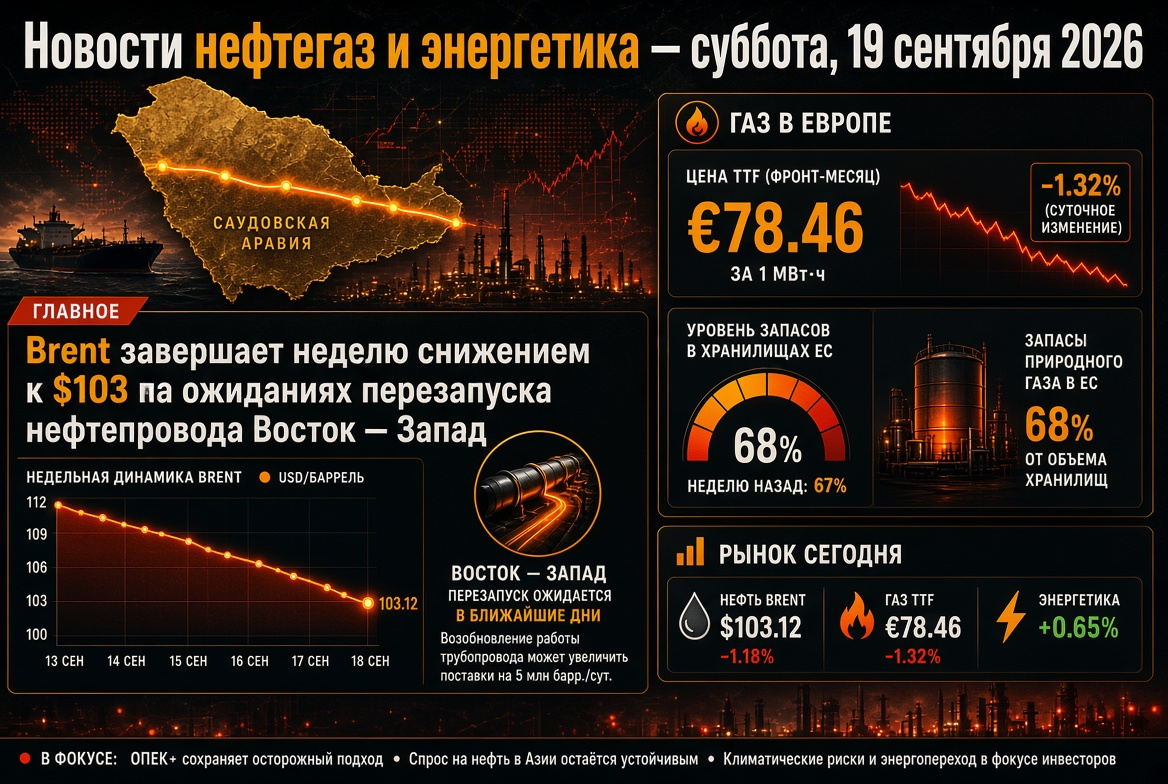
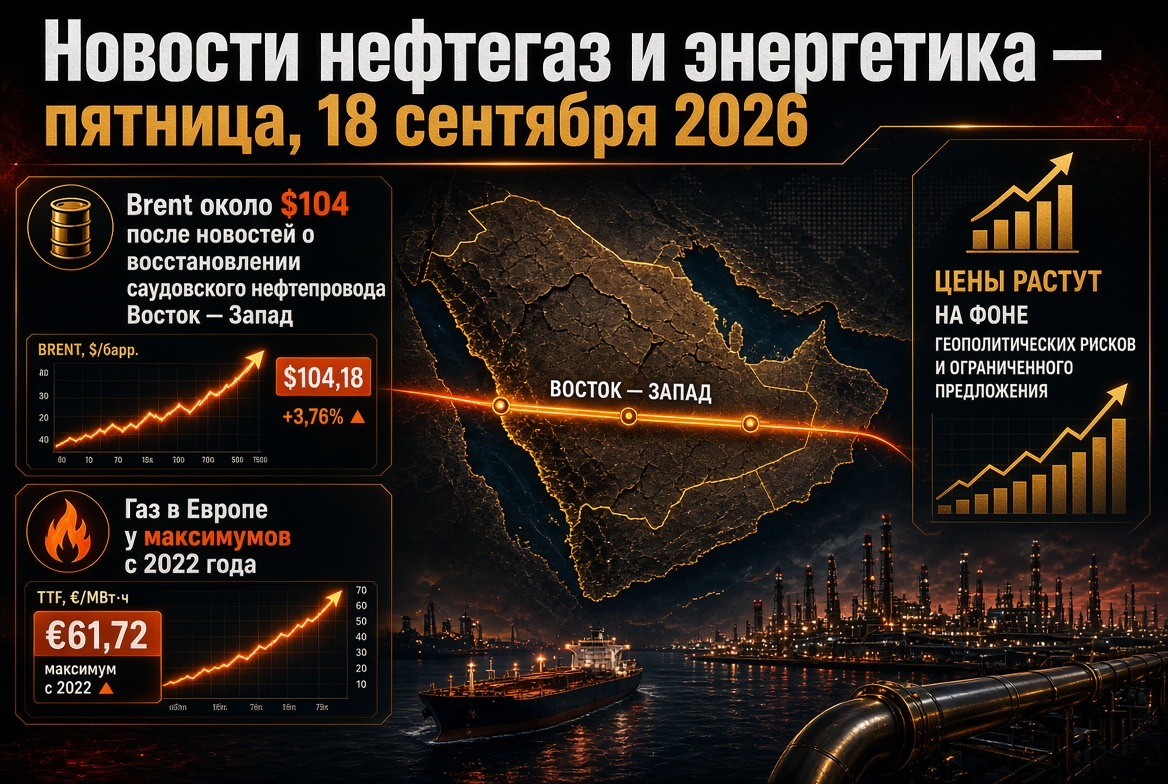
- Supply-Demand Balance: The weekly statistics from the Energy Information Administration (EIA) on commercial oil and petroleum product inventories in the US will help assess the current balance in the energy market. Recent weeks have demonstrated volatility in inventory data due to fluctuations in production and exports. Should the next report show a substantial decrease in oil stocks, it will indicate strong demand or limited supply in the market – this factor could support rising oil prices.
- Impact on Market and Stocks: Price reactions to EIA oil data (Brent, WTI) are traditionally swift: a more significant than expected rise in inventories could provoke a short-term price decline, signaling weakened demand or oversupply. Conversely, a drop in inventories will have a bullish effect. For investors, the report is crucial within the global context: oil price dynamics are simultaneously influenced by China's LPR decision (through demand expectations) and rhetoric from Davos regarding energy security and transition to green energy. Volatility is possible in shares of oil and gas companies and commodity currencies (rubles, Canadian dollars) in response to a combination of statistics and geopolitical signals for the day.
Corporate Earnings: Before Market Open (BMO, USA)
- 3M Co. (MMM): A diversified industrial conglomerate (Dow Jones). The focus is on sales from key divisions (industrial products, consumer goods, healthcare), business restructuring effects, and management forecasts for 2026. 3M’s results will set the tone for the industrial sector in the S&P 500.
- U.S. Bancorp (USB): One of the largest banks in the US. Key metrics include net interest margin (NIM) in the context of high rates, lending growth dynamics and deposit base, and asset quality (loan delinquency rates). Investors will also assess comments on the banking sector's prospects amid potential economic weakening.
- Fastenal (FAST): A leading distributor of industrial fasteners and equipment. The fourth-quarter report will reflect demand status in construction and manufacturing: revenue growth will indicate stability in these sectors, while margin or inventory reductions may signal a slowdown. The market will also take into account comments on cost inflation and supply chain management.
- D.R. Horton (DHI): The largest homebuilding company in the US. Investors are interested in the volume of new orders and cancellation rates for housing, along with margin forecasts in the context of high mortgage rates. The real estate sector responds to credit conditions, so any signs of stability in new home sales will be positive for developer stocks, while a weak DHI report will heighten concerns for the housing market.
- Fifth Third (FITB) and KeyCorp (KEY): Large regional banks in the Midwestern US. Metrics of these banks will clarify the situation in the “second tier” banking sector: important data will cover deposit flows (whether there is outflow to larger banks or markets), reserves for potential losses, and management’s assessment of lending activity in 2026. Any issues unveiled in FITB/KEY reports will likely affect sentiments across the banking segment.
Corporate Earnings: After Market Close (AMC, USA)
- Netflix (NFLX): A global leader in streaming video. The Q4 report will show whether the company managed to maintain subscriber base growth amid global competition. Investors will closely analyze revenue figures and ARPU (average revenue per user), dynamics of the new ad-supported tier, as well as content expenses. The forecast from Netflix for 2026 is of particular importance: a strong growth forecast for audience and profits will support tech sector stocks, while disappointment in the numbers or cautious guidance may trigger sell-offs in the communications services sector.
- Interactive Brokers (IBKR): A major electronic broker. Financial results will reflect retail and institutional trader activity at the end of 2025: crucial will be the growth in the number of new accounts and client asset volume, commission income from trading, and the company's interest income from client fund placements. IBKR may also comment on plans for expanding its product line or service geography. Broker performance serves as a barometer for market sentiments: high trading volumes and client influx signal heightened investor interest in the market.
- United Airlines (UAL): One of the largest airline companies globally. The Q4 report’s key figures will include passenger revenue (PRASM – revenue per passenger mile) and flight load factor, especially during the holiday season. Investors will assess how rising jet fuel prices and geographic demand structures impacted route profitability. Strong UAL results with revenue increases and positive demand forecasts for 2026 will support the aviation sector, whereas signs of a slowdown in tourist and business traffic may adversely affect airline stocks.
Other Regions and Indices: Euro Stoxx 50, Nikkei 225, MOEX
- Euro Stoxx 50 / Europe: Among Western European blue-chip companies, a limited number of reports are set to release on January 20. Noteworthy are operational updates from mining and metallurgy giant Rio Tinto (Q4 production results) and automaker Porsche AG (preliminary financial results). The influence of these releases is likely to be localized, and the overall direction for European markets will be predominantly set by macro data for the day (UK labor market, ZEW indices) and external factors (comments from Davos, oil price movements, and the dollar).
- Nikkei 225 / Japan: In Tokyo, the financial reporting season for the 3rd quarter of the financial year is ongoing. Results from several industrial and tech companies, including equipment manufacturers, auto parts, and consumer electronics, are anticipated. Any surprises in reports from Japanese corporations may locally influence the Nikkei 225 index; however, more significant drivers for the Japanese market will remain global sentiments — including signals from China (LPR) and the US (labor market status from ADP) — along with the yen's dynamics. Investors will be alert to whether the Bank of Japan starts signaling a policy shift amid global trends, although key decisions from them are expected later.
- MOEX / Russia: Following the New Year holidays, activity in the Russian corporate sector is low, though several issuers are publishing operational data. In particular, December operational results for some retail companies (sales volumes during the holiday season) and transportation are expected. No significant reports from the largest Russian companies are scheduled for this date — the annual financial reporting season under IFRS traditionally occurs in February-March. Therefore, the Russian market (MOEX index) is likely to react predominantly to external factors — the dynamics of global oil prices, sentiments of global investors in emerging markets, as well as the ruble’s exchange rate movements.
Day Outcomes: What Investors Should Focus On
- 1) China and Commodity Markets: The LPR decision in China will be one of the first signals of the day. Its implications will affect not just Chinese assets but also commodity markets — investors must evaluate how Beijing's policy will influence forecasts for oil and metals demand, as well as sentiments in the emerging markets sector.
- 2) European Indicators: The linkage between the “UK labor market → ZEW indices” will clarify the trajectory for the European economy at the beginning of the year. Improvements in indicators will support the euro and European stock indices, while weak data will intensify discussions of stagnation. Special attention should be given to the reactions of the EUR/GBP pair to the data differential between the UK and Eurozone.
- 3) USA: Employment and Oil: The combination of the weekly ADP report and EIA data may impact the short-term dynamic of the American market. Strong employment figures accompanied by rising oil stocks can affect sectors differently: financial and technology sectors face pressure from rising yields, whereas the energy sector feels the decline in commodity prices. Investors should track whether a “risk-off” sentiment emerges in U.S. markets today (e.g., S&P 500 decline) amid an unfavorable data combination.
- 4) Corporate Earnings: The reports from major companies capable of driving sector movements will be central. Primarily, the results of Netflix (technology/media) and 3M (industry) will be seen as barometers for the respective sectors’ health. Banks (USB, Fifth Third, KeyCorp) are also significant — their forecasts may influence the entire financial sector. It is crucial for investors to juxtapose corporate trends with macro signals: strong reports can locally alleviate negativity from weak data (and vice versa).
- 5) Risk Management: The day is laden with events across all fronts (macro statistics, policy, corporate news), increasing volatility. Investors from the CIS, who are oriented both towards global platforms and the Moscow Exchange, should pre-determine acceptable ranges for portfolio fluctuations. Practically, this means using stop-loss/take-profit orders, maintaining a balanced currency position, and hedging essential risks (such as through options on indices or commodity futures) as necessary. In a dense news background, a sensible strategy is to avoid excessive risks and refrain from making significant decisions during emotionally charged market moments.