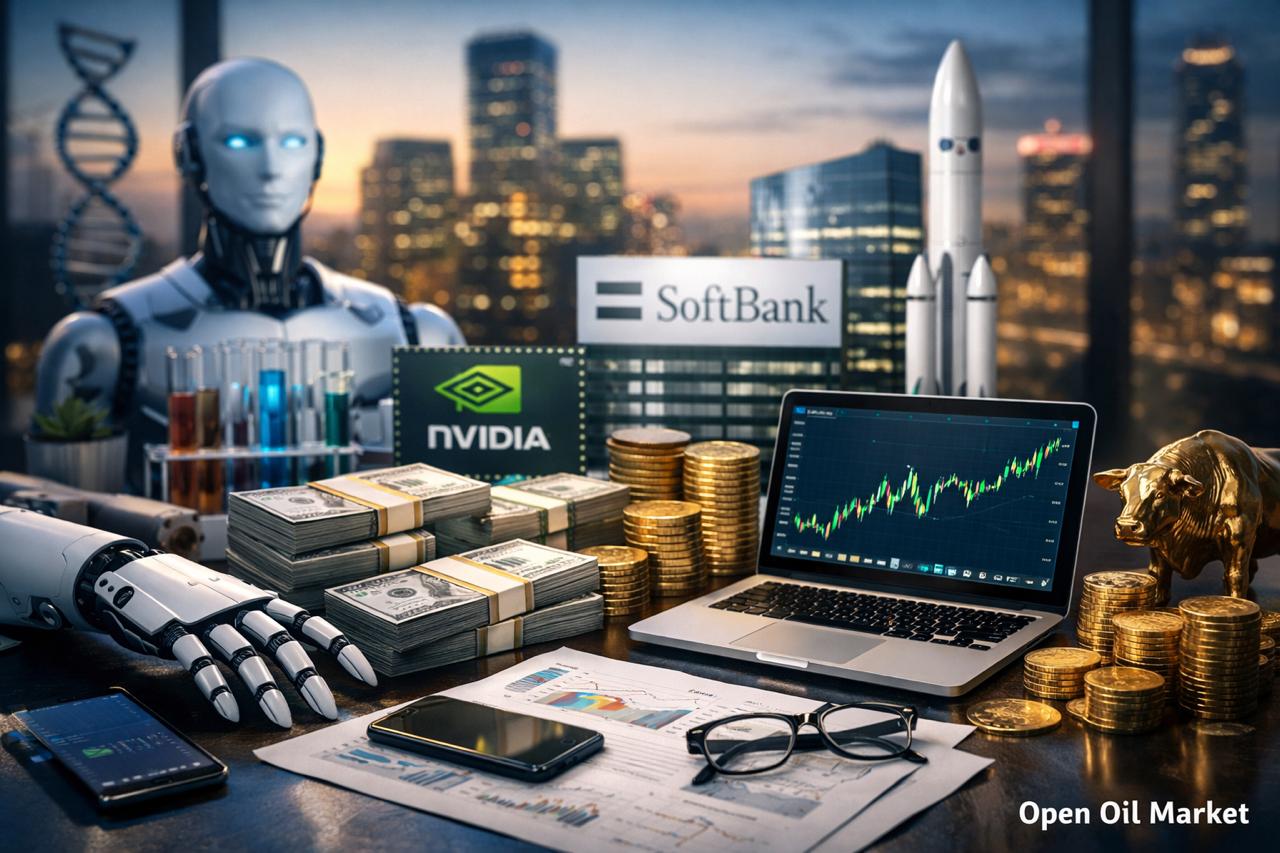
Startup and Venture Capital News as of January 1, 2026: Record Rounds in AI, Venture Fund Activity, Key Deals, and Global Investment Trends for Venture Investors.
Global Records in AI Startup Financing
The year 2025 has set a record for financing AI startups: industry analysts estimate that leading American artificial intelligence companies attracted approximately $150 billion in venture capital—substantially higher than the previous record of $92 billion set in 2021. This surge is attributed to the booming interest of investors in AI solutions. Experts recommend that startups establish financial "safety cushions" in case of a potential downturn in activity in the new year.
- SoftBank has increased its total investment in OpenAI to $41 billion, directing the remaining $22.5 billion at the end of the year. The Japanese corporation now owns about 11% of the American startup's shares.
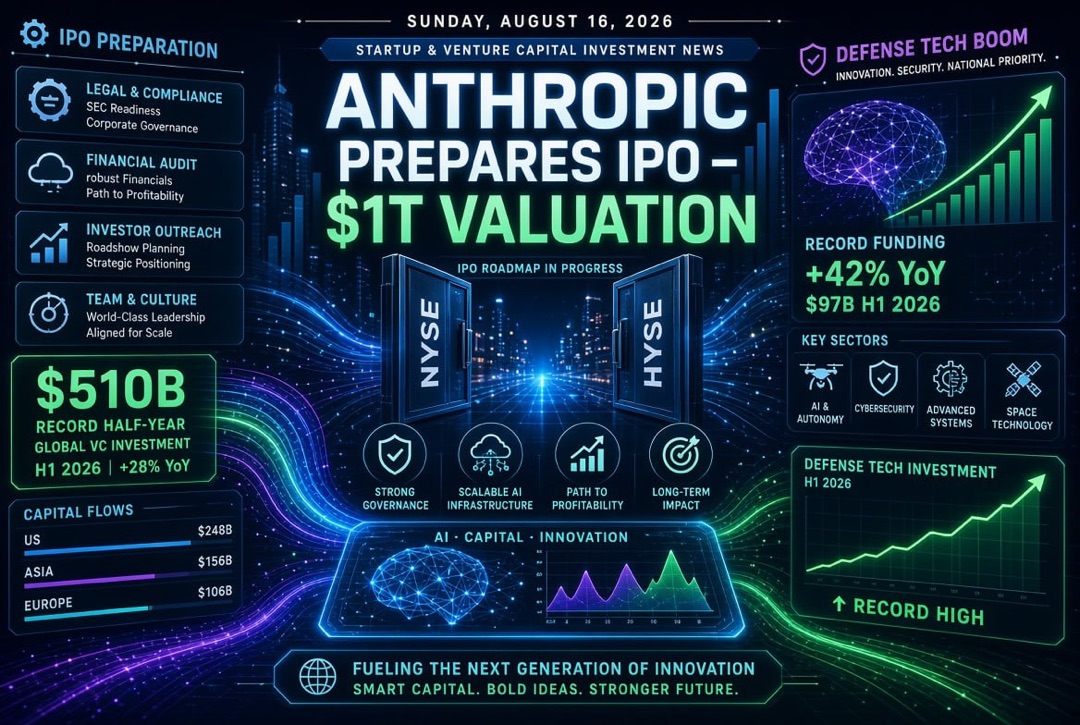
- Anthropic, a leader in AI model development, raised $13 billion in September 2025.
- Scale AI, a startup focused on data preparation for neural network training, secured over $14 billion in investments from Meta; this funding includes not only financing but also the transition of some qualified specialists to the project.
- Other promising AI projects (Anysphere with the Cursor application, Perplexity, Thinking Machines Lab, etc.) have also repeatedly attracted capital. For instance, Anysphere increased its valuation from $2.6 billion to $27 billion, with its revenue for the year growing twentyfold.
Such deals reflect a trend: during the sustained excitement around AI solutions, startups strive to accumulate maximum resources on their balance sheets, supported by the strategies of major venture players.
Major Venture Deals
The last weeks of 2025 brought several significant transactions to the global venture market, further solidifying the leading role of AI and related technologies.
- SoftBank completed its promised investment in OpenAI: an additional $22.5 billion was officially directed, bringing the total to $41 billion.
- Nvidia is investing $2 billion in Elon Musk's startup xAI. The funds will be used for the purchase of graphics chips for the Colossus 2 data center (Tennessee); xAI aims to raise around $20 billion in financing.
- Nvidia has struck a strategic partnership with the startup Groq (AI chips) valued at $20 billion: the company has acquired a license for all Groq technologies (except the GroqCloud platform) and key assets, with Groq's founder and part of the team transitioning to Nvidia.
- Funding for xAI also includes participation from other large investors, including Apollo Global Management and Diameter Capital funds.
- The Mexican fintech startup Plata (founded by former managers of Tinkoff) raised $250 million in investments, increasing its valuation to $3.1 billion. The project offers cashback credit cards and already serves over 2 million customers.
These deals emphasize that the largest capitals continue to be concentrated among leaders in the technology sector, especially those linked to artificial intelligence.
New Funds and Government Support
Government entities and leading funds have announced large-scale initiatives to support technology startups:
- China has launched a national venture fund (¥100 billion, approximately $14.3 billion) along with three large regional funds (each over ¥50 billion). These funds are aimed at supporting local technology startups, primarily with valuations of up to ¥500 million.
- Additionally, China has established three specialized funds of $7.14 billion each for investments in "hardware" technologies: from chips and quantum computing to biotechnology and aerospace developments.
- Nikolai and Marina Davidov have launched a new $75 million fund for early AI startups (Davidovs Venture Collective): $40 million has already been raised from private sources.
- The Russian company Yandex has announced a support program for small and medium-sized enterprises worth 500 million rubles: it offers a threefold increase in advertising budgets on its services (Yandex.Direct, etc.) and preferential conditions for startups and SMEs.
Such initiatives indicate that major investors and governments actively influence the development of the technology ecosystem by directing capital towards prioritized areas.
Disruptive Startups and Unicorns
Amidst the influx of capital, several new projects have made significant leaps:
- The recruiting platform Mercor (founded by Brendan Fudi and others) has transformed into a "unicorn" with a valuation in the tens of billions: its creators have joined the ranks of new billionaires.
- The Chinese company DeepSeek (AI-powered search engine, founded by Liang Wenfeng) has also become a notable "unicorn" with a valuation of about $11.5 billion.
- Fintech and SaaS sectors remain leaders. Revolut (Nikolai Storonsky) is expanding its business through acquisitions (having acquired the startup Swifty in late 2025), while Plata has emerged as a major new player in credit services.
- Overall, many of the largest technology startups, particularly those associated with AI and automation, are achieving "unicorn" status and setting the market tone.
This confirms that the greatest potential for substantial growth today appears to lie in IT startups, especially in the fintech, SaaS, and artificial intelligence sectors. These sectors are generating new success stories and creating significant fortunes for their founders.
Venture Market Trends
- According to Forbes, investments in AI startups in 2025 exceeded $202 billion (approximately 75% growth compared to 2024), outpacing all other sectors.
- AI breakthroughs have generated around 50 new billionaires in 2025. Elon Musk's capital increased nearly 1.5 times to $645 billion, while Jensen Huang's (Nvidia) reached $159 billion; the founders of Google and Amazon have also significantly increased their wealth.
- Venture investors point to a record concentration of capital: the majority of funds directed towards a few major projects, leaving many "secondary" startups with funds nearly exhausted.
- Analysts recommend that startups build a "fort" balance: that is, to accumulate reserves and focus on long-term development in light of potential market corrections.
- The Russian startup market is moving in the opposite direction: according to Kommersant, the number of deals has decreased by 30%, and the volume of investments fell by 10% (to approximately 7.2 billion rubles).
Overall, these factors indicate a market split: global capital is concentrating in "hot" sectors (AI and digital services), while activity in traditional industries remains low.
Prospects for 2026
The beginning of 2026 opens a new chapter: experts note that the market's growth may slow, so investors and startup founders should exercise "cautious optimism" and select projects with sustainable business models.
Congratulations from Open Oil Market
The company Open Oil Market congratulates all readers on the arrival of the New Year 2026! May it bring new successful startup ideas, large-scale investment projects, and stable growth for innovative companies.