The export of gasoline from Russia for producers could be permitted in the very near future. According to media reports, the Ministry of Energy has sent a corresponding draft resolution to the government. The changes are expected to take effect immediately upon signing. The Ministry of Energy did not comment on the request from "RG", neither confirming nor denying this information.
There are several arguments to consider this information credible. Experts interviewed by "RG" lean towards the idea that the ban on gasoline exports for producers will be lifted, likely effective February 1. Currently, the ban is in place until March 1. A complete ban on gasoline exports was introduced in Russia on August 31, 2025, amidst a sharp rise in wholesale and retail fuel prices. Prior to this, a ban on gasoline exports for traders had been in effect since July, but as this measure did not yield the desired results, it was intensified.
The current situation regarding tax payments from oil companies supports the case for lifting the complete ban. By the end of December, the tax payments for that period will be made in January (the structure of which will be published by the Ministry of Finance in February), and oil companies might face negative damping.
Damping refers to budget compensation paid to oil companies for domestic fuel sales at prices lower than export prices. These payments are calculated based on the difference between the export price of fuel and the indicative internal price set by legislation. A negative damper occurs when the export price of fuel becomes lower than the indicative prices, implying that supplying gasoline to the domestic market is deemed more profitable than exporting it. In this case, oil companies will need to pay the budget the difference between the export and indicative prices.
According to estimates by Reuters, oil companies are expected to pay 13 billion rubles in dampening compensations for December. While this sum is not significant for oil companies, especially considering that dampening payments accounted for a substantial portion of the revenues of major oil companies in 2024 and 2025 — sometimes reaching 30-40% of their income. Presently, they are not only missing out on these payments but will also have to contribute financially.
The complete ban on gasoline exports was introduced due to rising prices for gasoline both in wholesale and retail markets in late summer last year.
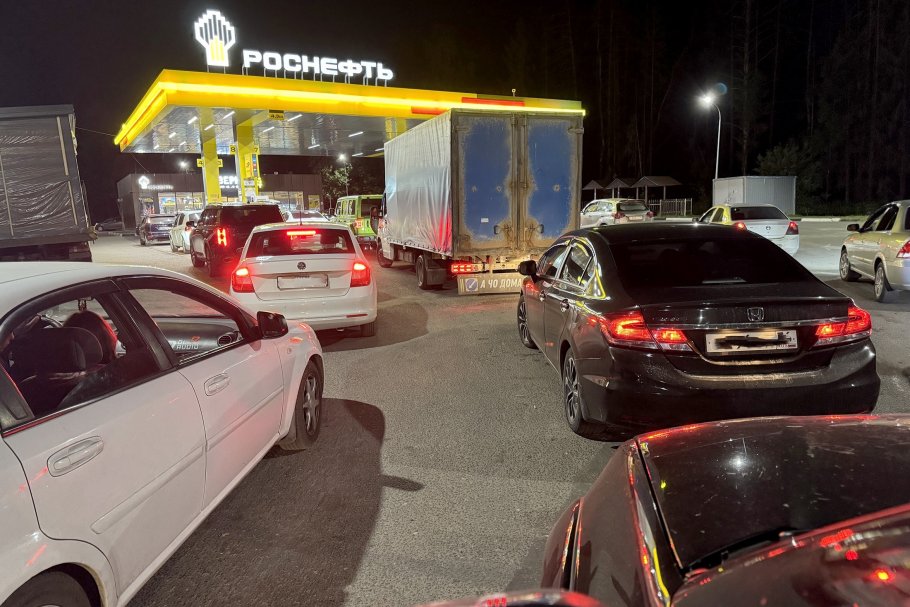
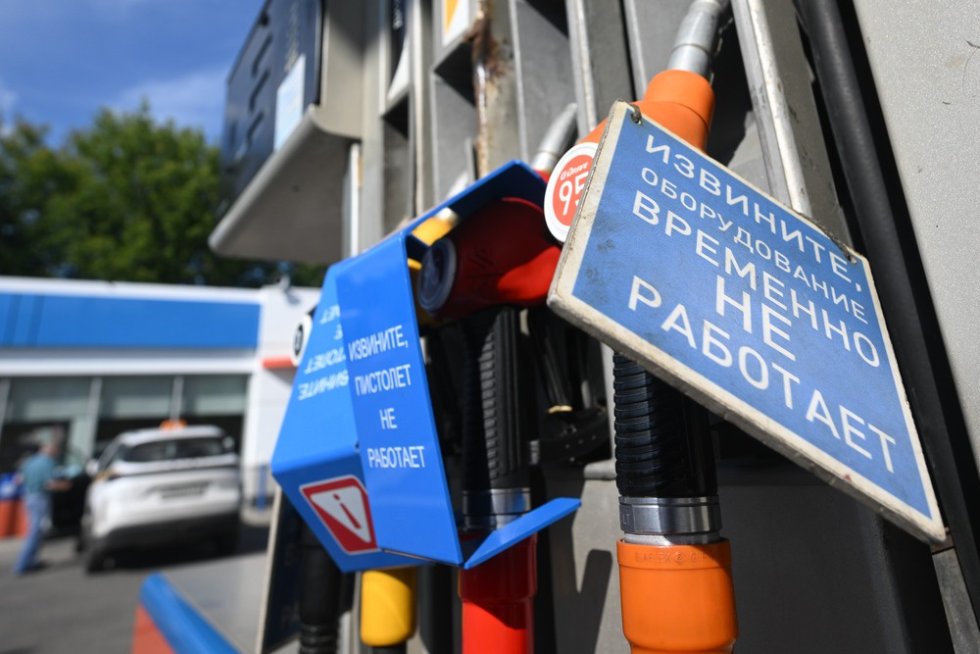
Meanwhile, it is hardly accurate to say that all is calm in the Russian fuel market. Wholesale prices are slowly rising. At the end of December and into January, there was a sharp price increase at gas stations, largely due to increased fiscal burdens at the start of the year rather than from the balance of demand and supply for gasoline and diesel.
If a negative damper is added, prices on exchanges may rise contrary to traditional trends even in February, subsequently driving retail prices up.
A potential incentive for oil companies in this scenario could be the lifting of the gasoline export ban. A fair deal could allow profit from exports while avoiding another fuel market rally, while the treasury receives payments from the damping mechanism.
"The proposed solution reflects a consolidated position from the Ministry of Energy and oil companies presented in a meeting with Deputy Prime Minister Alexander Novak last week," said Yuri Stankevich, Deputy Chair of the State Duma Committee on Energy, in an interview with "RG".
The cancellation of the export ban is a positive signal indicating sufficient oil refinery volumes and stockpiling for a rainy day. Additional revenues from exports are necessary today, both for the industry to maintain profitability amid a "limping" dampening mechanism and for the government to reduce budget deficits, according to Stankevich.
Retail gasoline price increases will be limited by inflation.
According to Sergey Frolov, Managing Partner at NEFT Research, the negative damper for December will be one of the reasons for the early lifting of gasoline export restrictions if the government chooses to proceed. Additionally, it may serve as an attempt to stimulate demand and thereby load refining capacities. However, this decision appears risky, as the gasoline market balance does not have substantial reserves. Nevertheless, a short-term allowance for exports during low demand periods generally poses minimal risks for the market, the expert argues.
Dmitry Gusev, Deputy Chair of the Supervisory Board of the "Reliable Partner" Association and a member of the Expert Council for the "Russian Gas Station" competition, views the risks of lifting the export ban as stemming from the fact that independent gas stations (which comprise more than half of gas stations in Russia) have not built up fuel reserves for the peak season, despite government appeals. This is demonstrated by the low demand for gasoline in January. Once exports are permitted, wholesale prices will likely rise, making it disadvantageous for summertime stockpiling.
From the perspective of Sergey Tereshkin, General Director of Open Oil Market, regulators cannot keep oil producers "on dry rations" for too long, which could explain the rationale for lifting the gasoline export ban. There is a reasonable basis here: at the end of last year, gasoline prices consistently decreased, and producers likely have an urge to recover lost profits. This was evident at the beginning of the year when retail gasoline prices already increased by 1.2% by January 12.
However, while lifting the ban will improve the profitability of oil refineries (NPPs) by allowing them to sell additional export volumes of fuel at higher prices, it will undoubtedly lead to a rise in stock market gasoline quotes, which may be passed on to retail consumers. Gusev believes that this impact will be minimal since retail prices will continue to be limited by inflation, which gasoline has already outpaced since the beginning of the year.
Frolov posits that gasoline prices at gas stations will continue to rise regardless of circumstances, as the effects of another increase in tax burdens (due to higher excise taxes and VAT) have not yet fully played out.
Tereshkin has a different view; he speculates that lifting the export ban will be accompanied by a gentleman's agreement obliging oil producers to restrain price increases. The duration of the export permission will depend on compliance with this condition.
Stankevich is confident that lifting the export ban will not impact domestic retail prices. In the event of any signs of gasoline or diesel shortages, a new ban will be swiftly imposed.
The government's planned decision is yet another response to numerous questions regarding the state's involvement in regulating the fuel industry. Operations are carried out in a mode of manual situational response, notes Stankevich.
Gusev asserts that Russia needs to stimulate the creation of additional oil refining capacities to ensure sufficient gasoline supply for both the domestic market and export. However, without a stable increase in domestic fuel consumption, this will be challenging. The growth of domestic freight transportation volumes is stagnating, and new car sales are not increasing. In this situation, the government has little choice but to manage supply and demand through exports.
Source: RG.RU